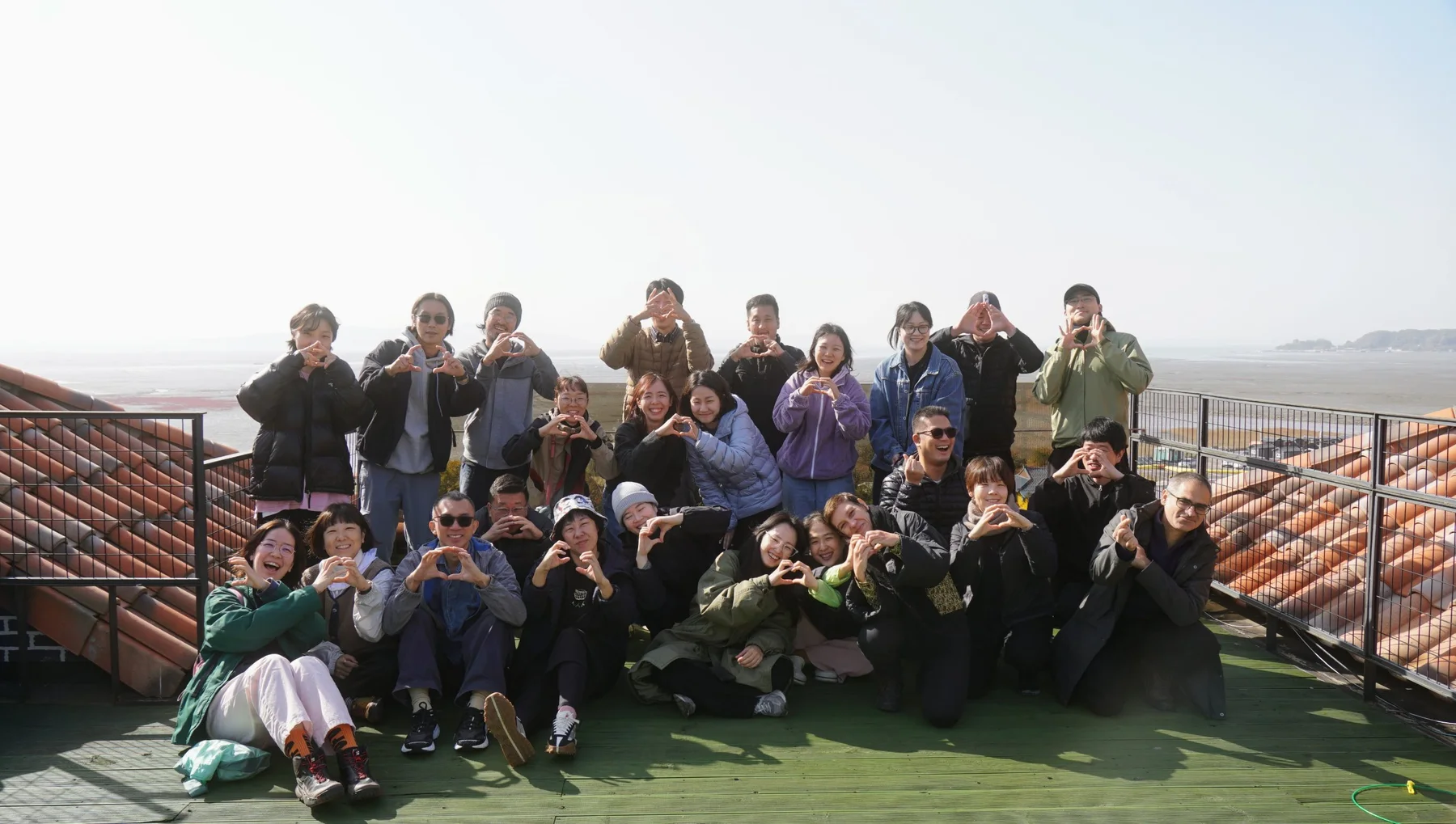
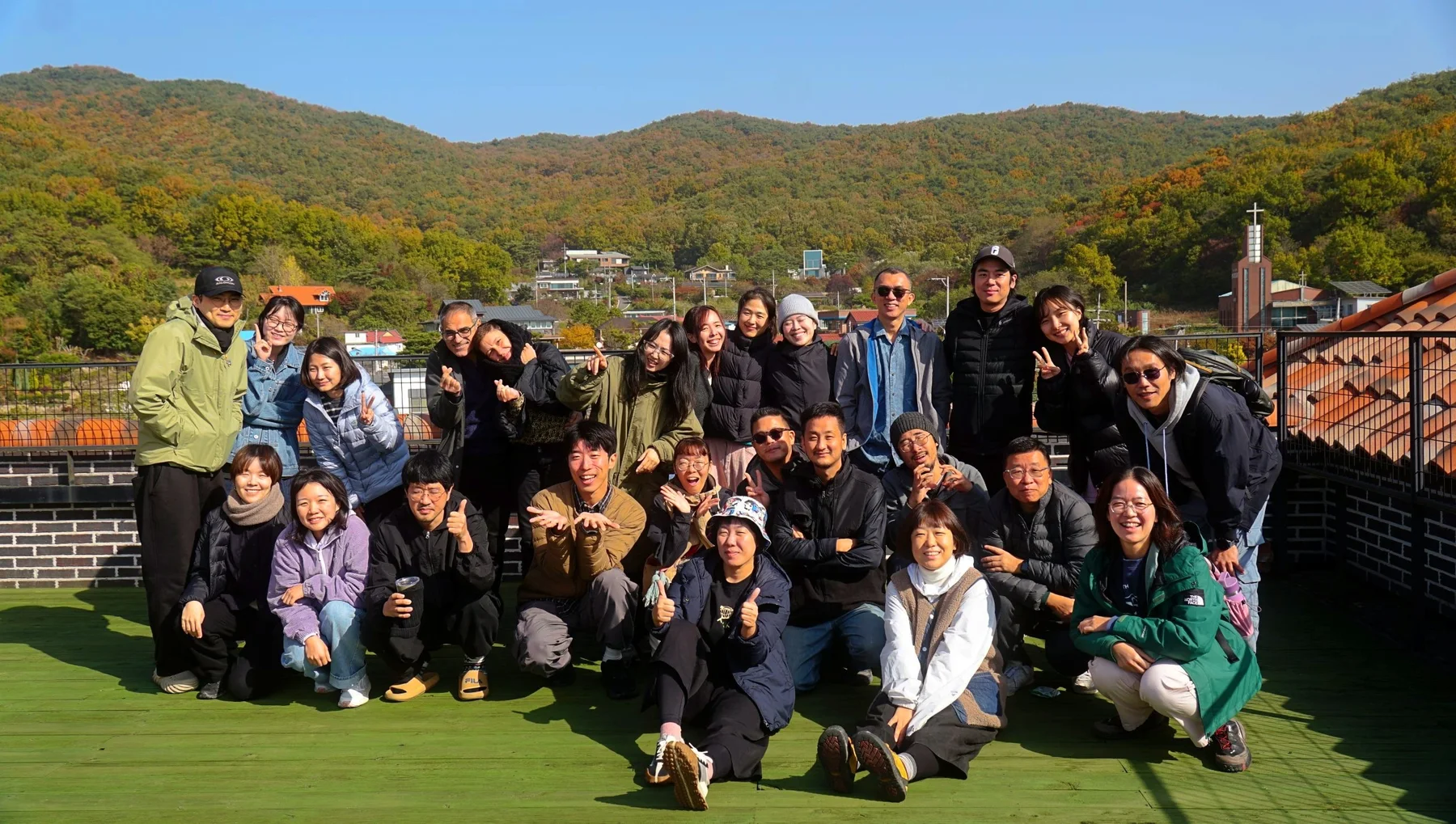
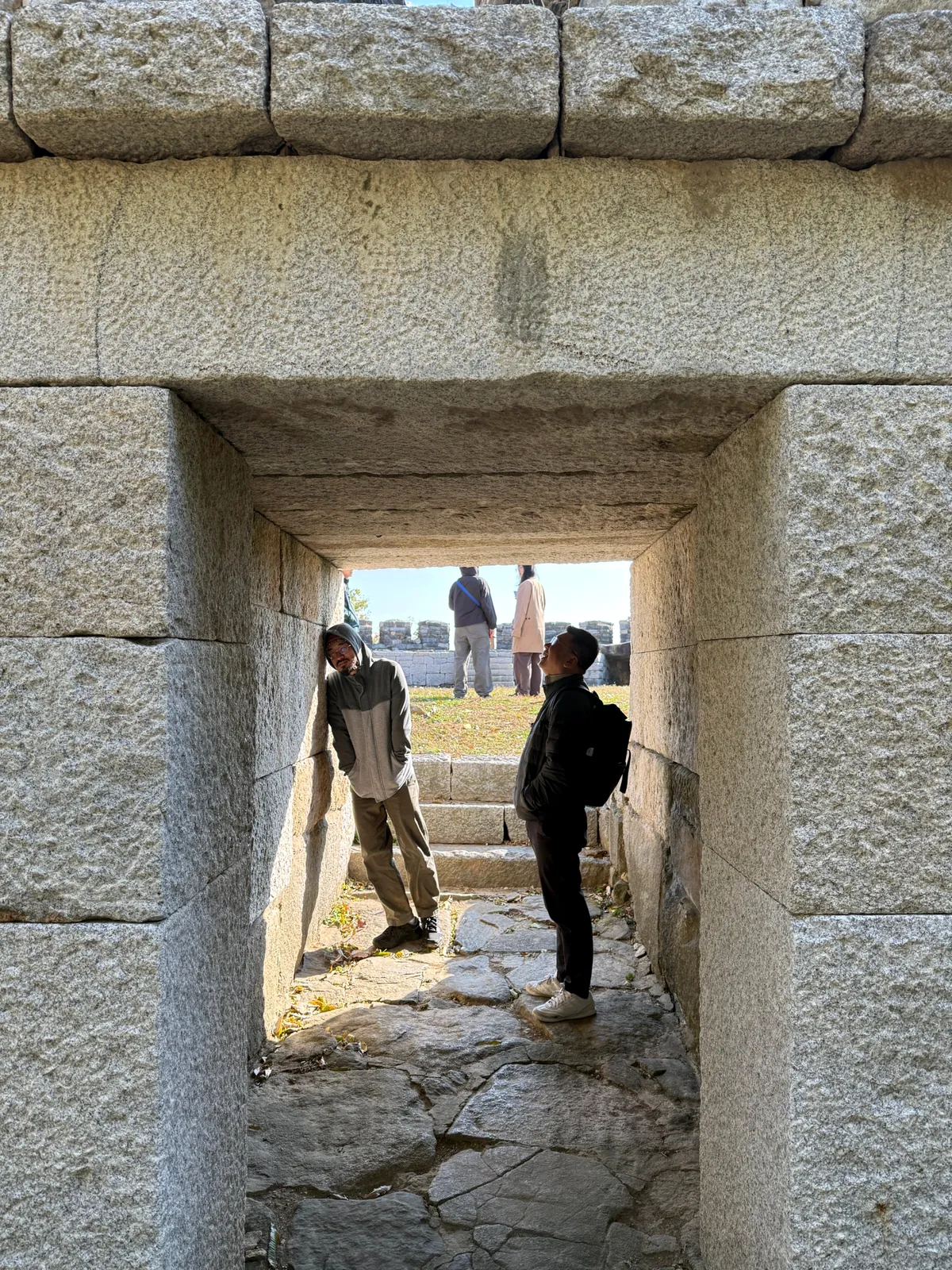
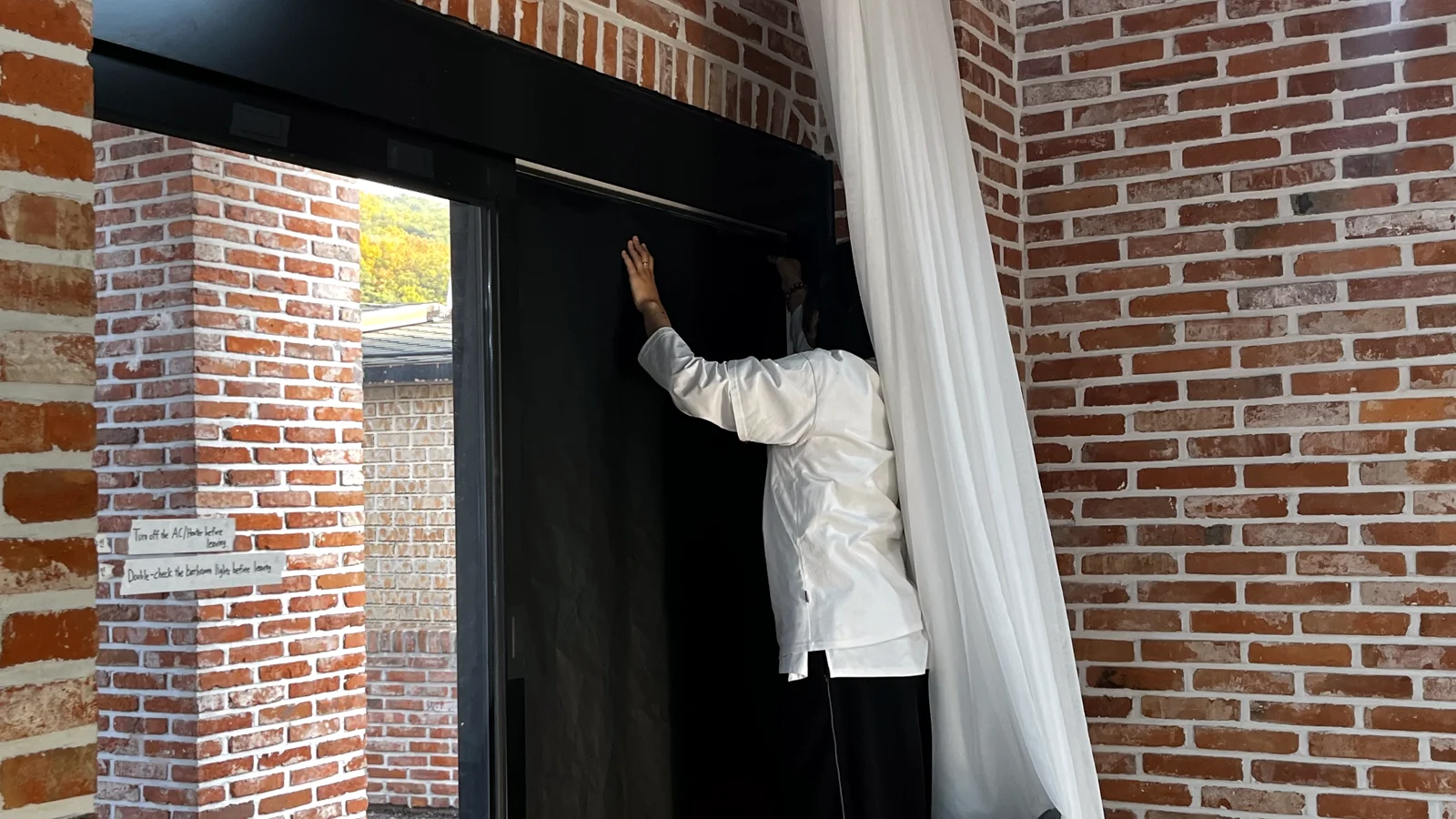
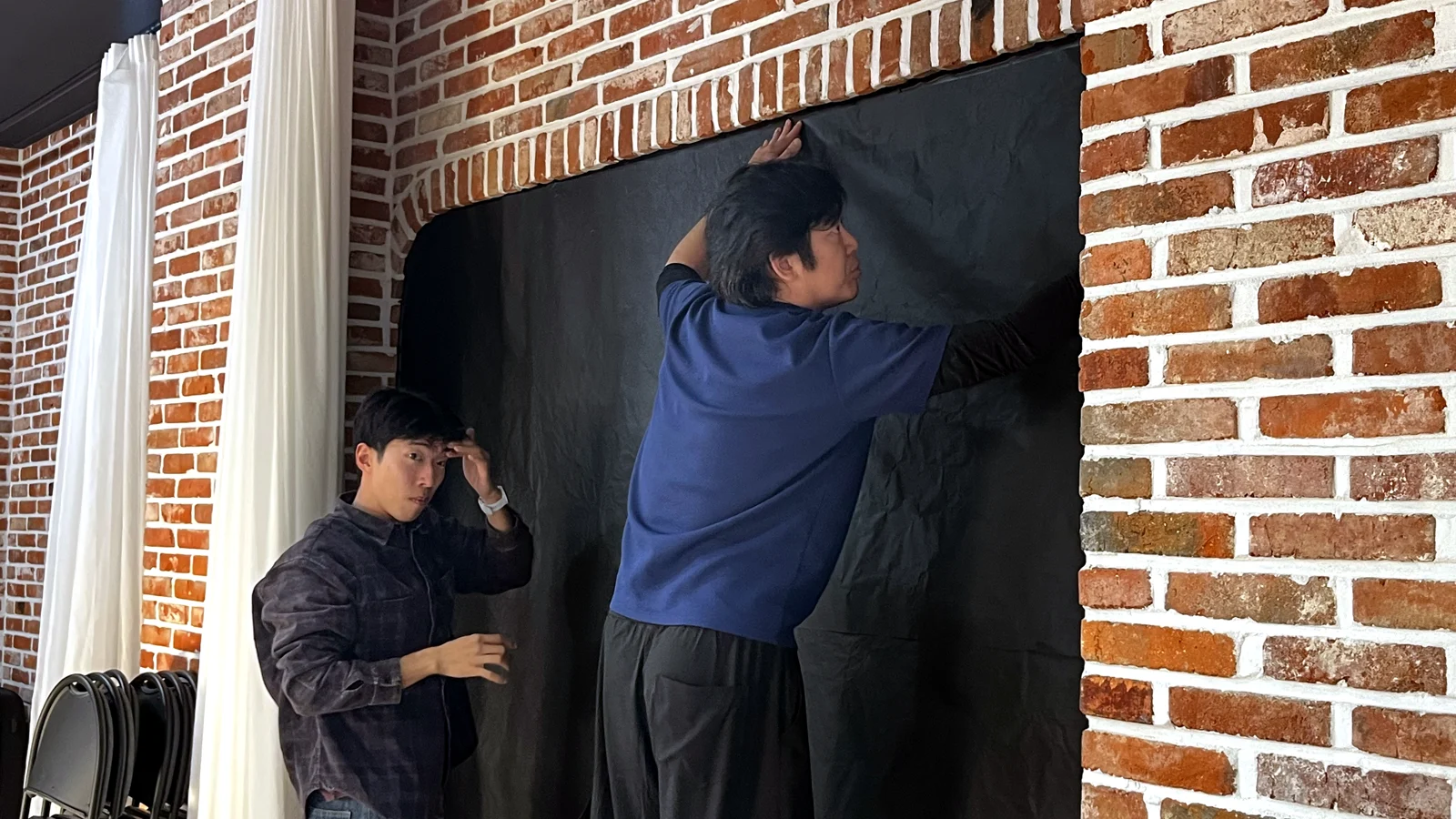
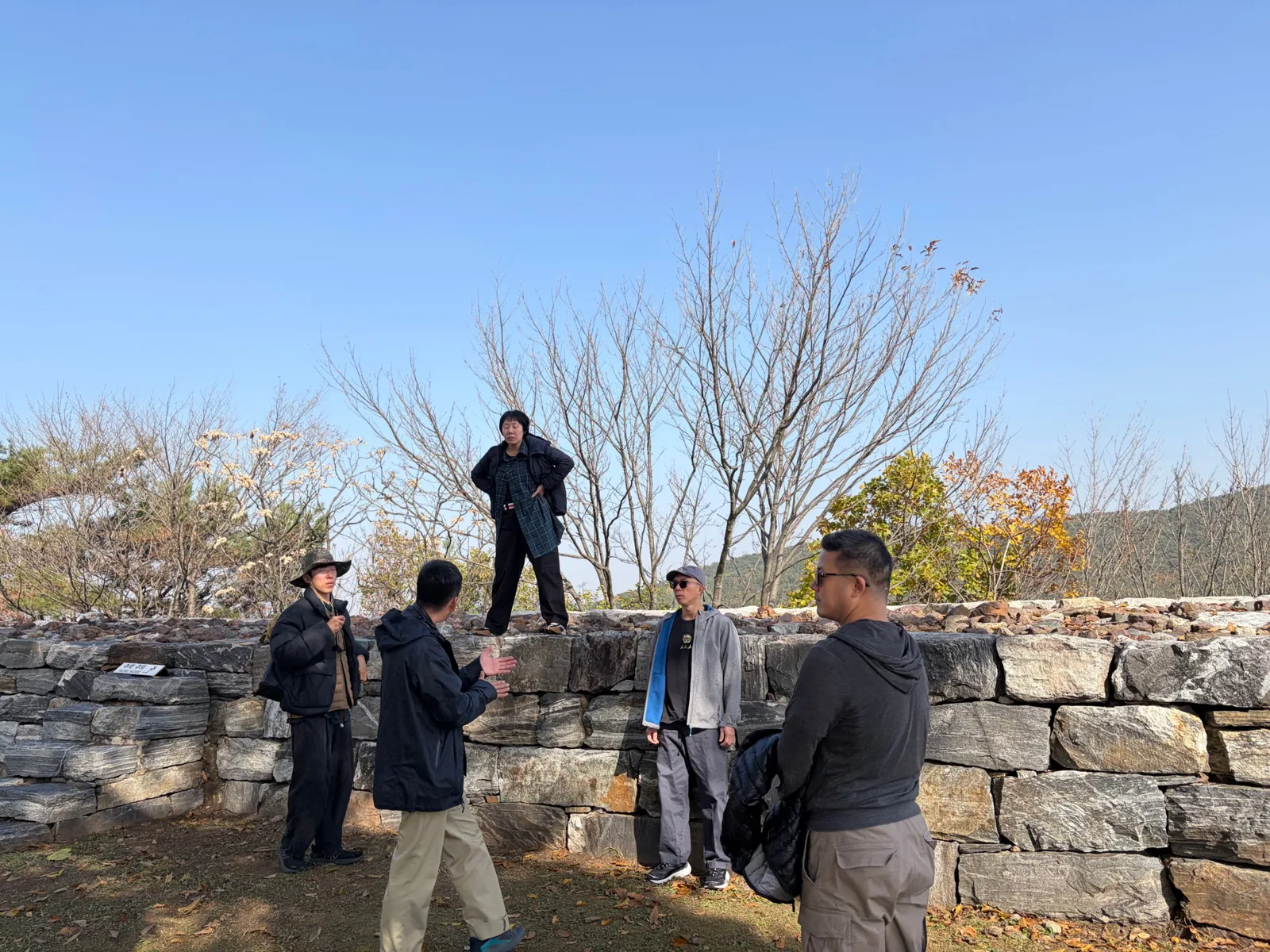
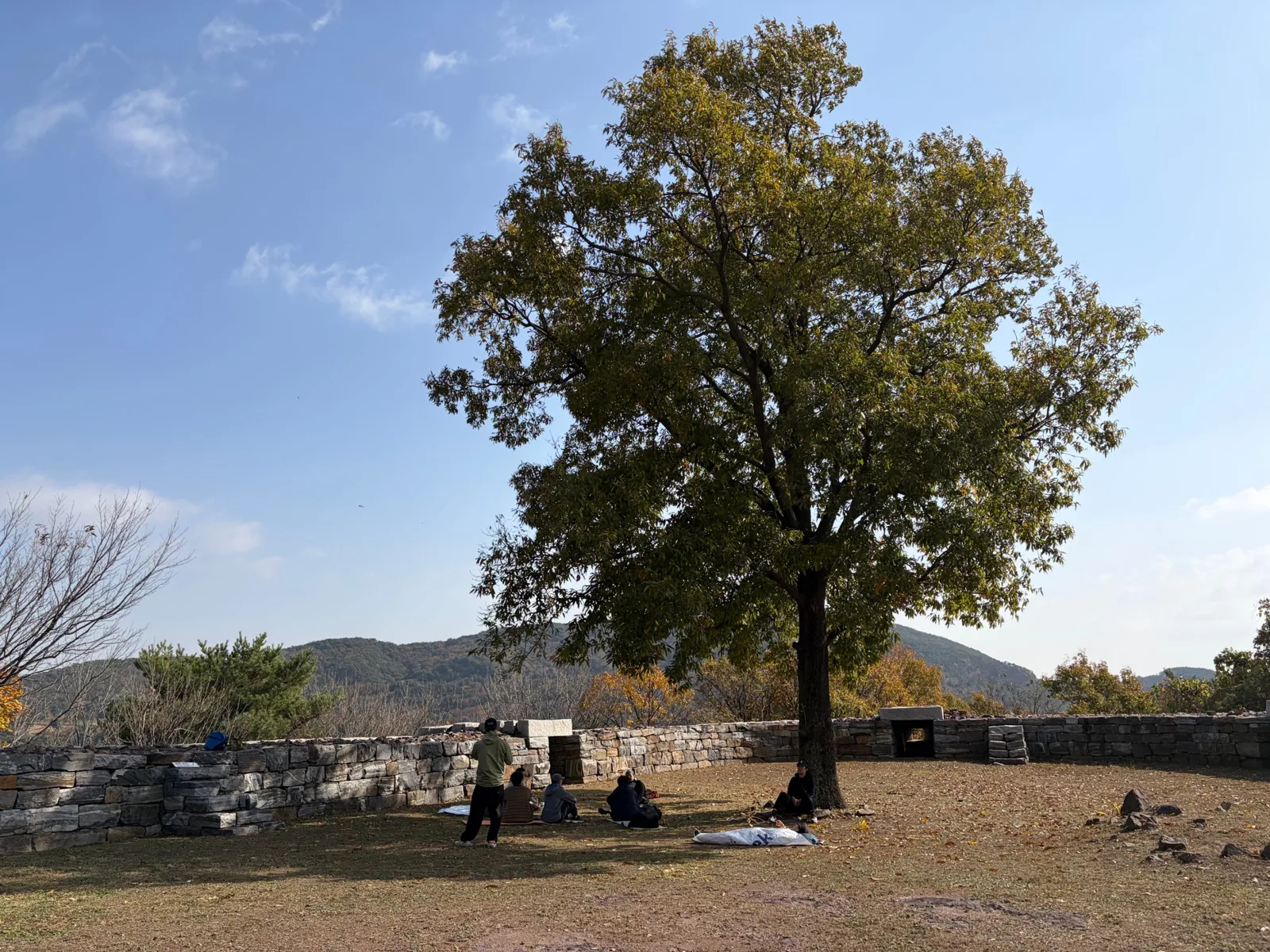
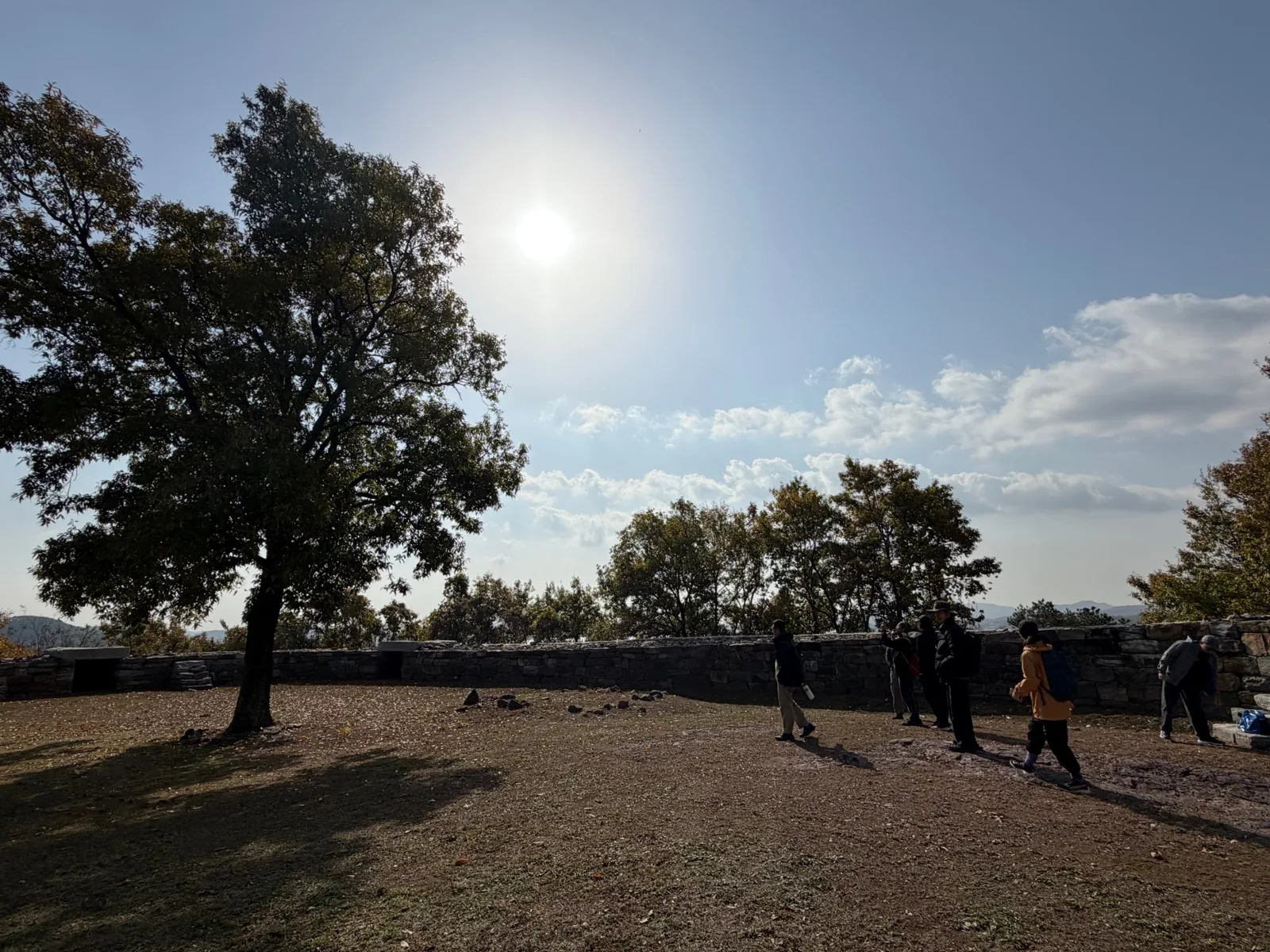
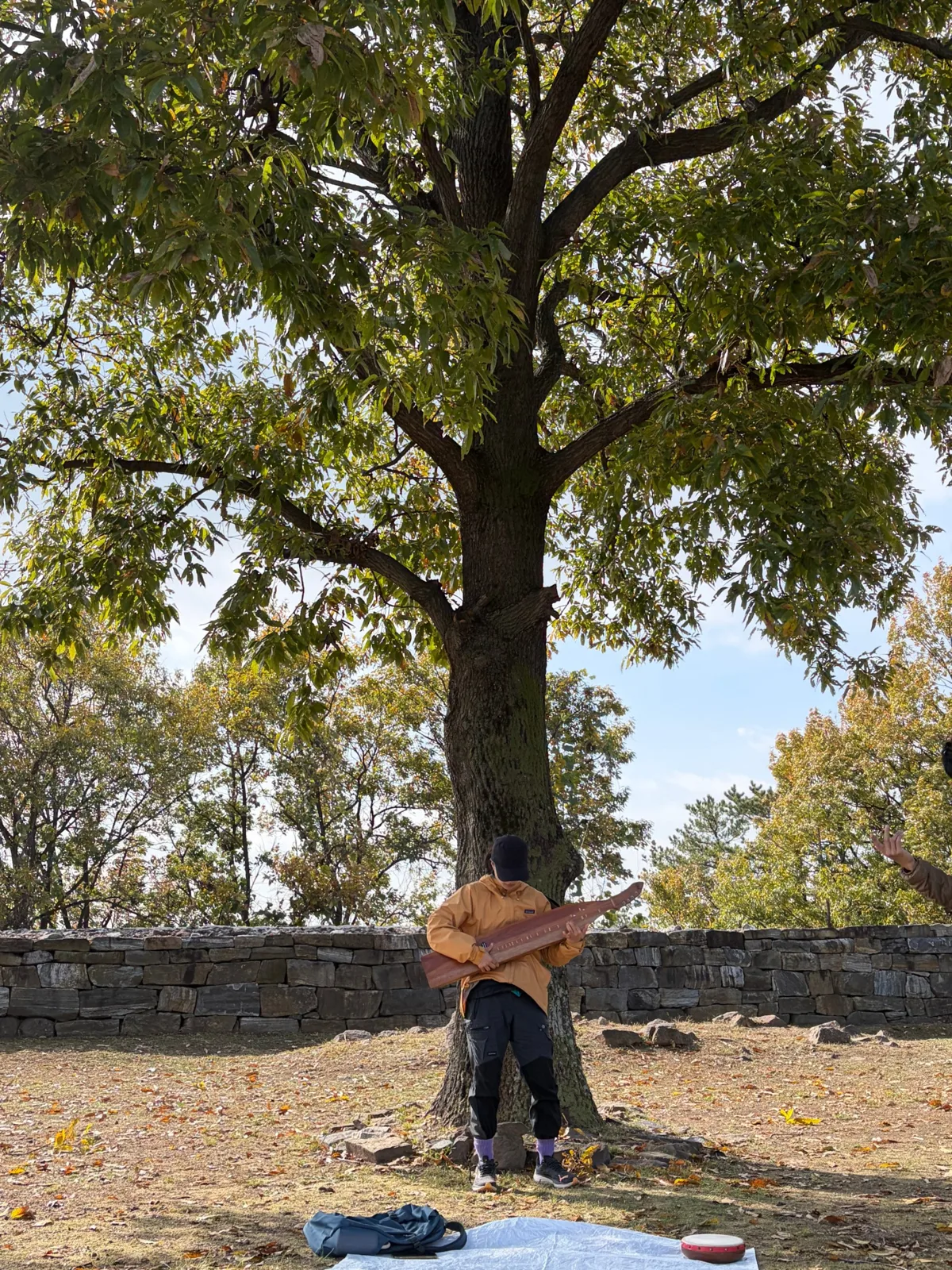
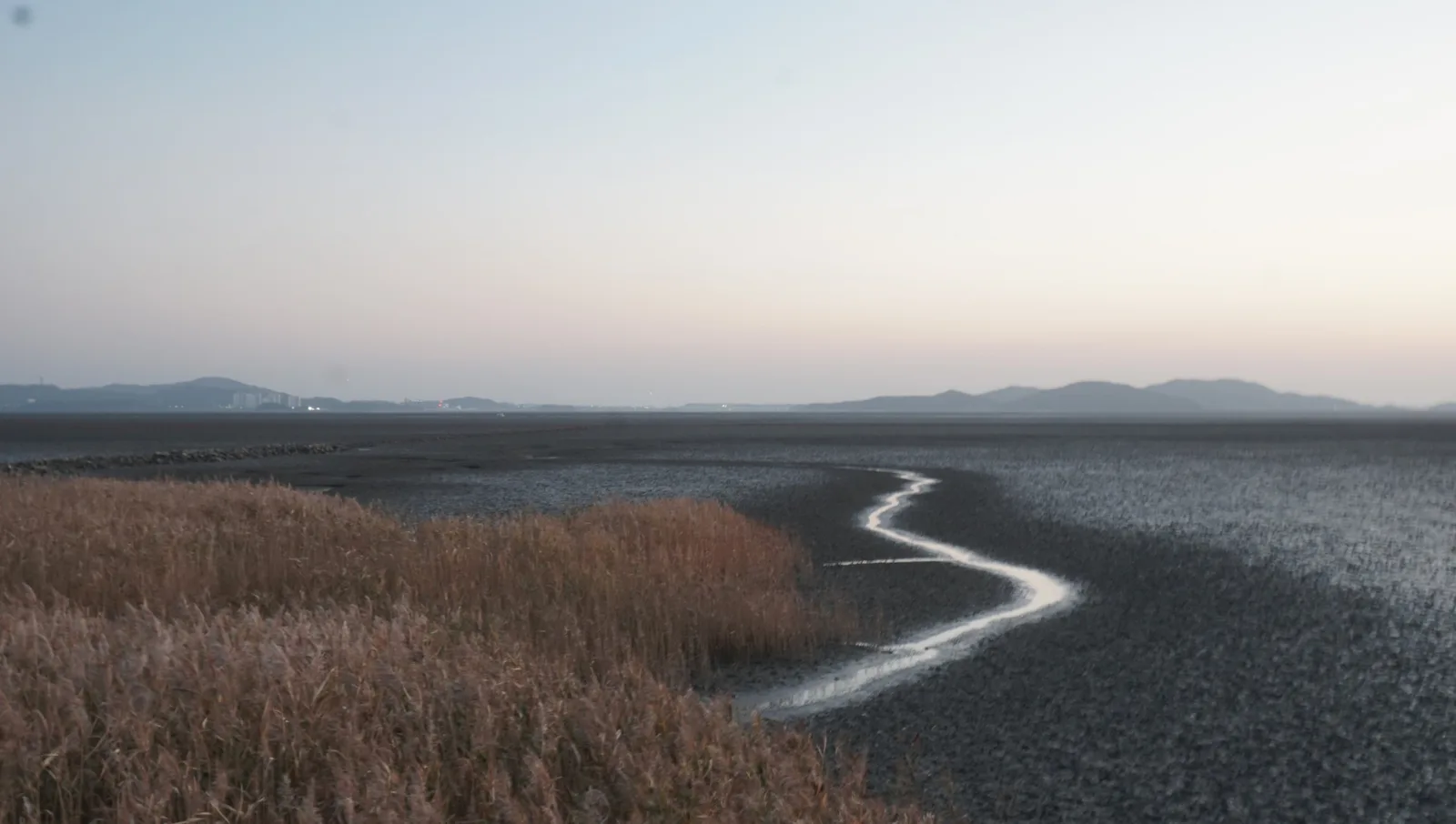
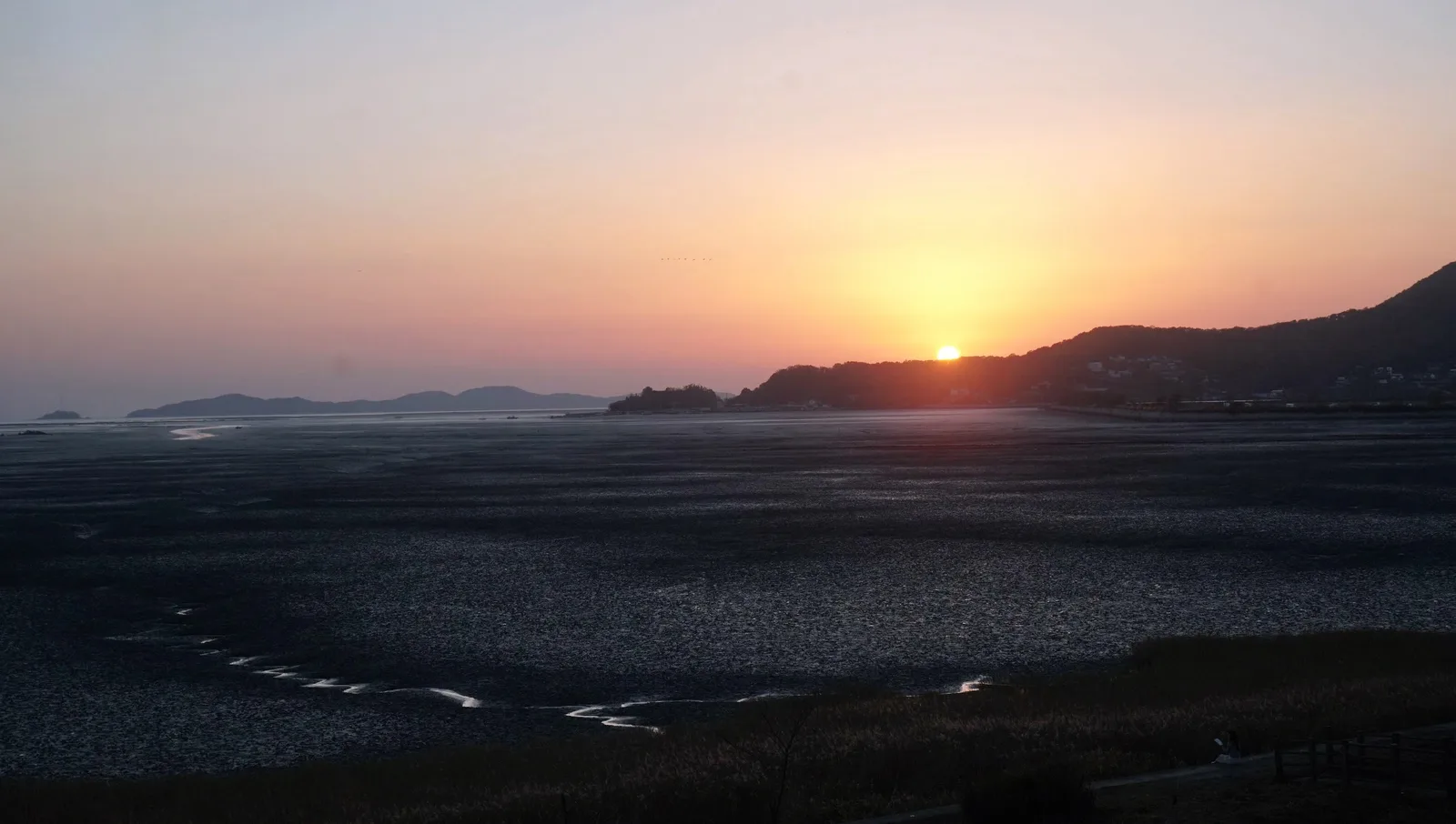
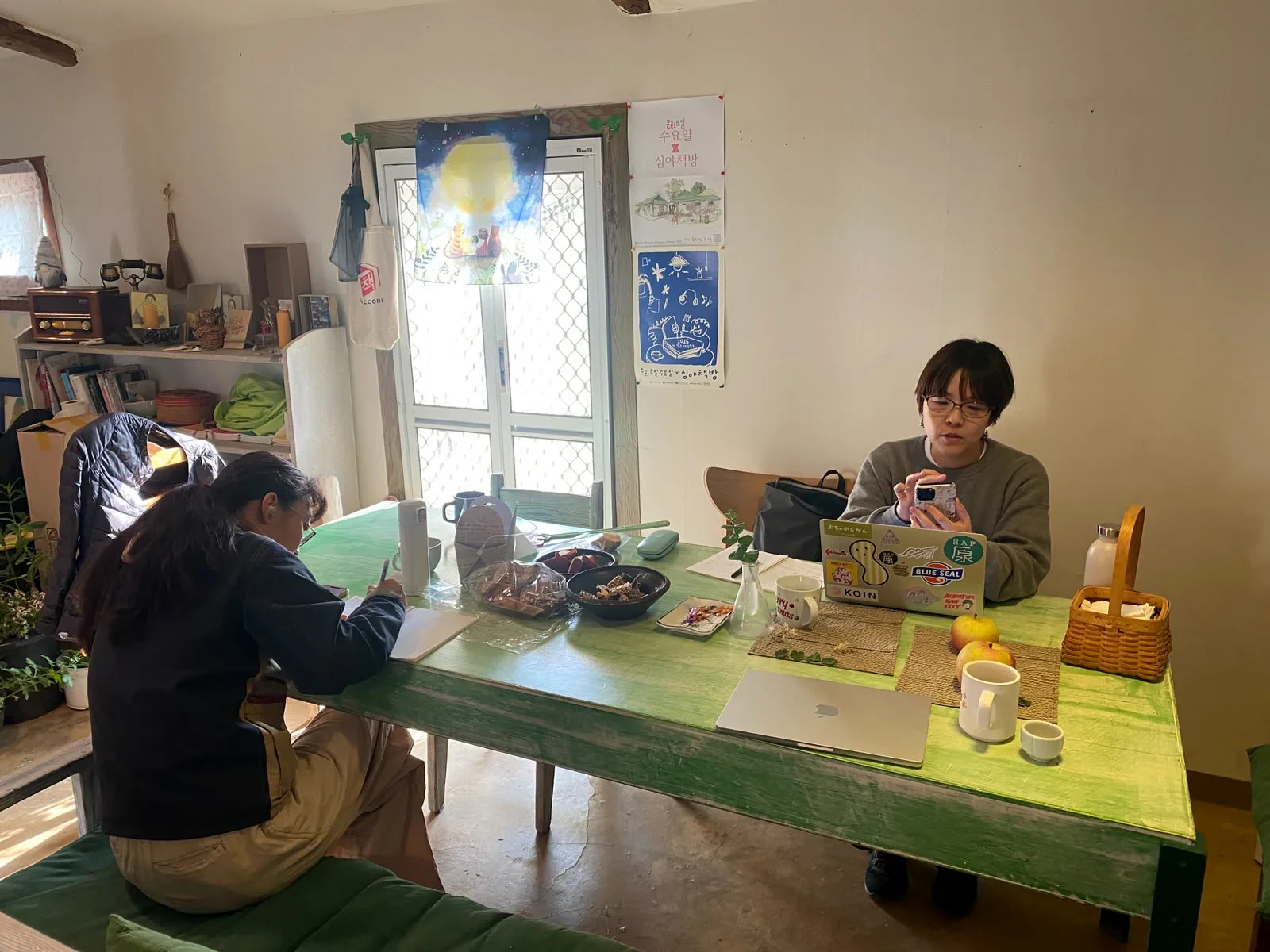
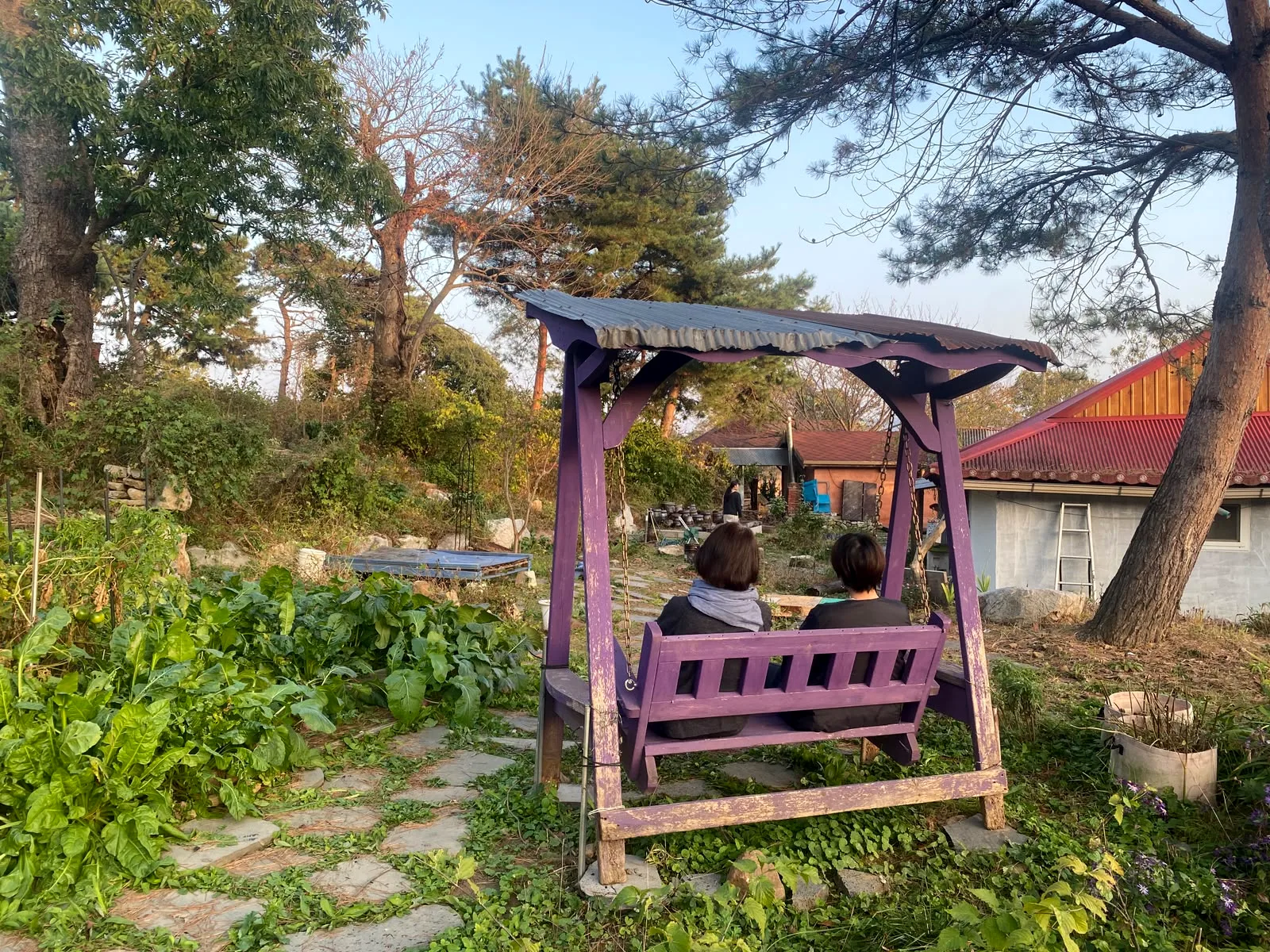
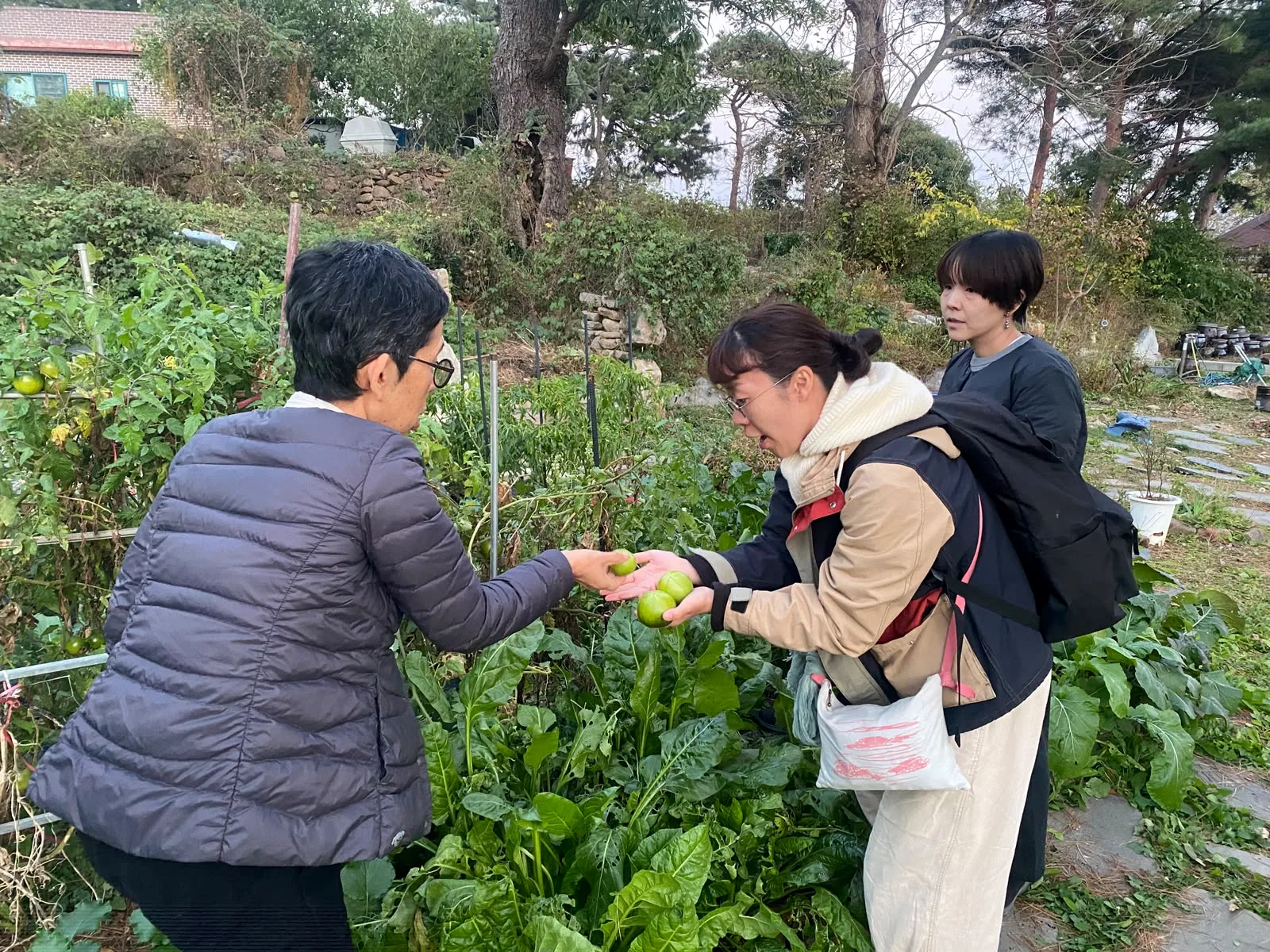
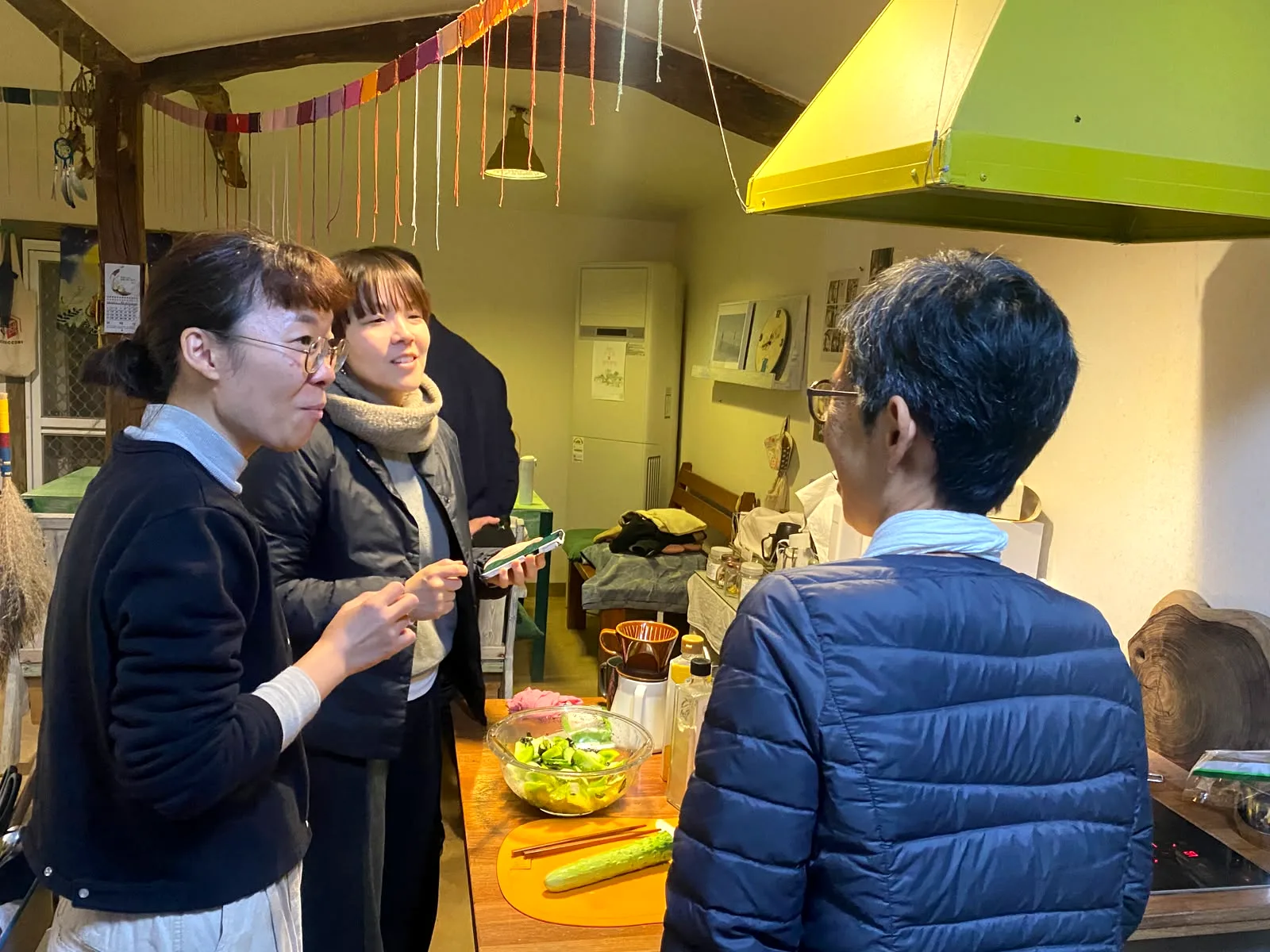
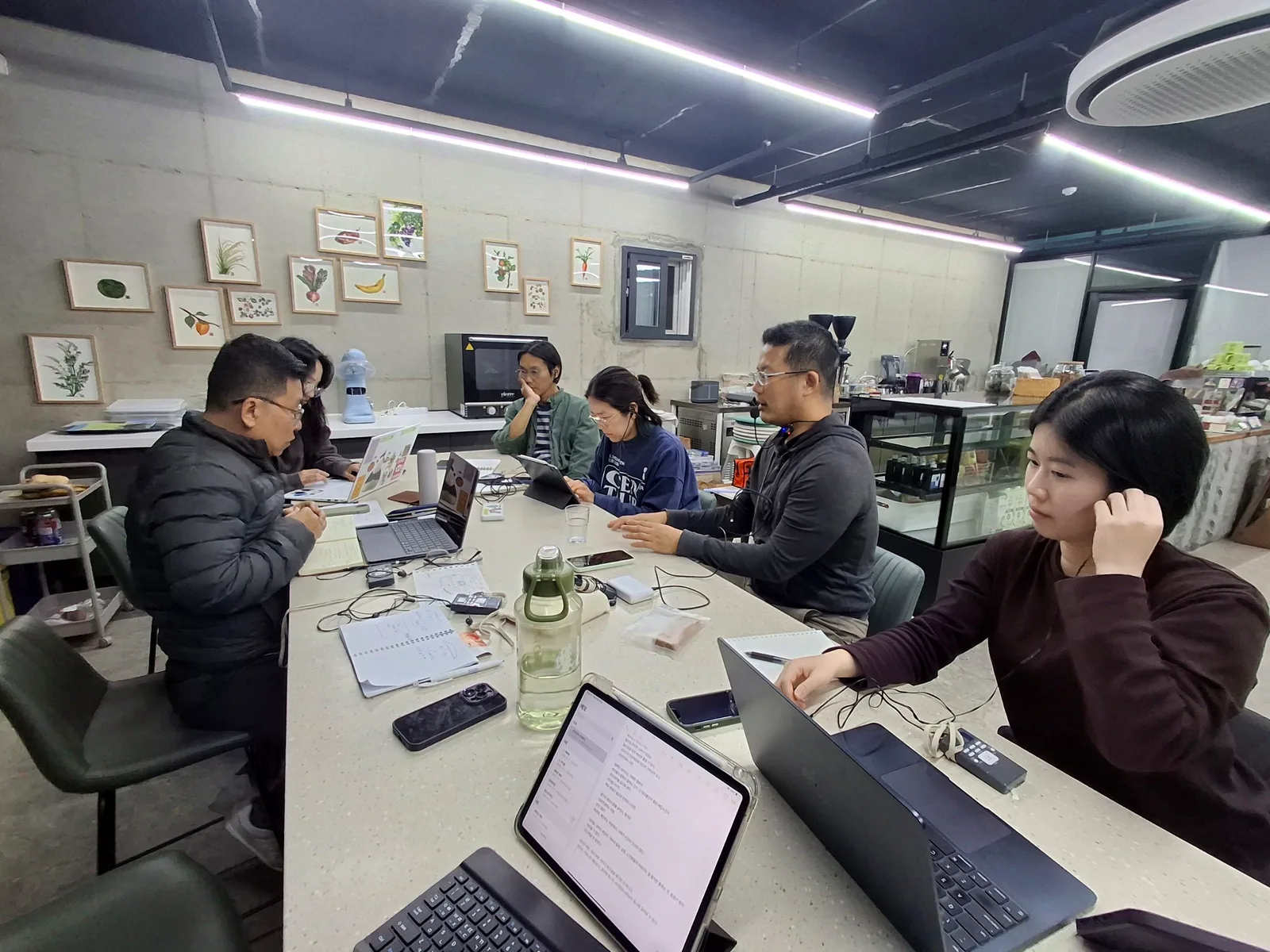
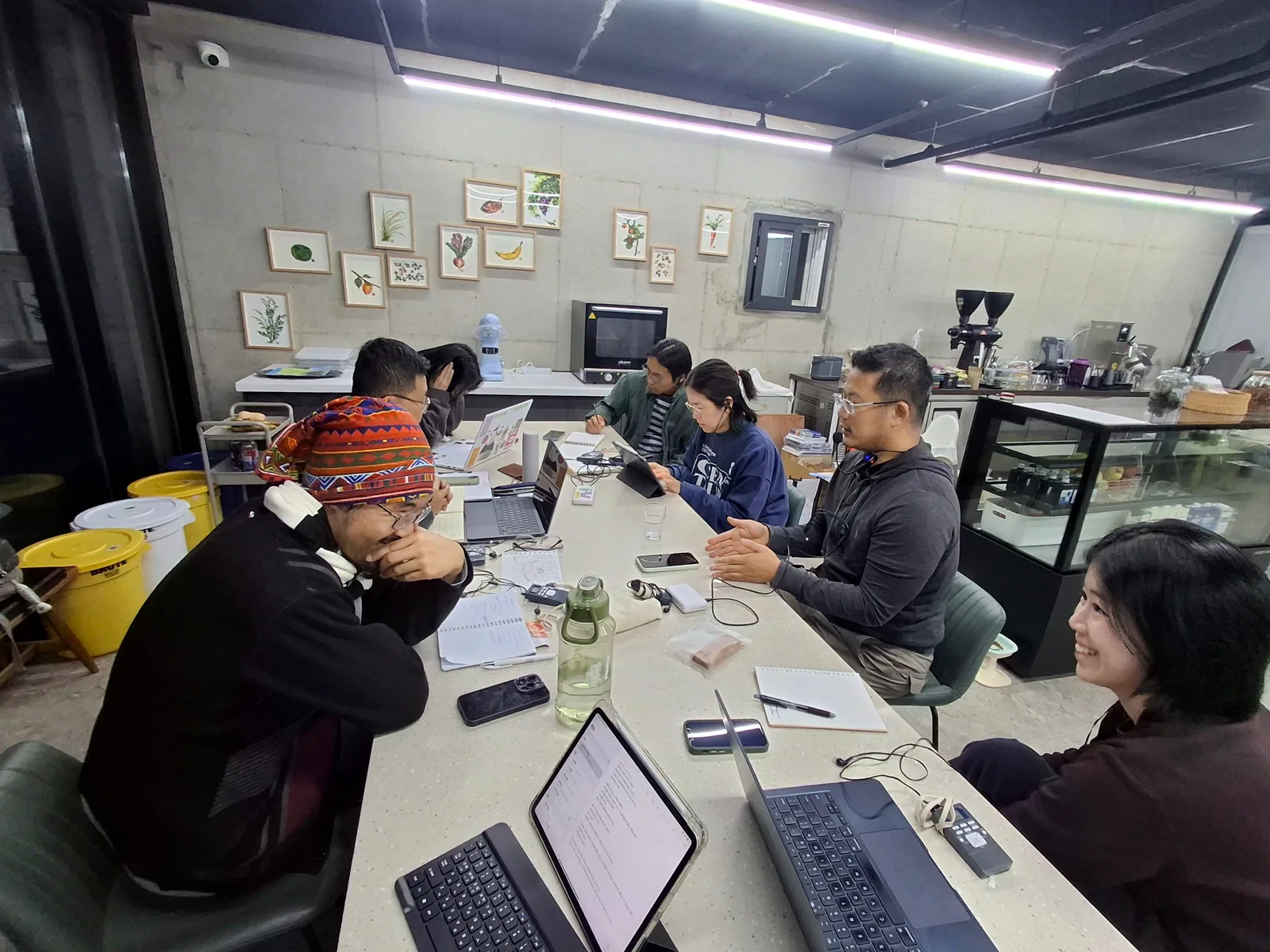
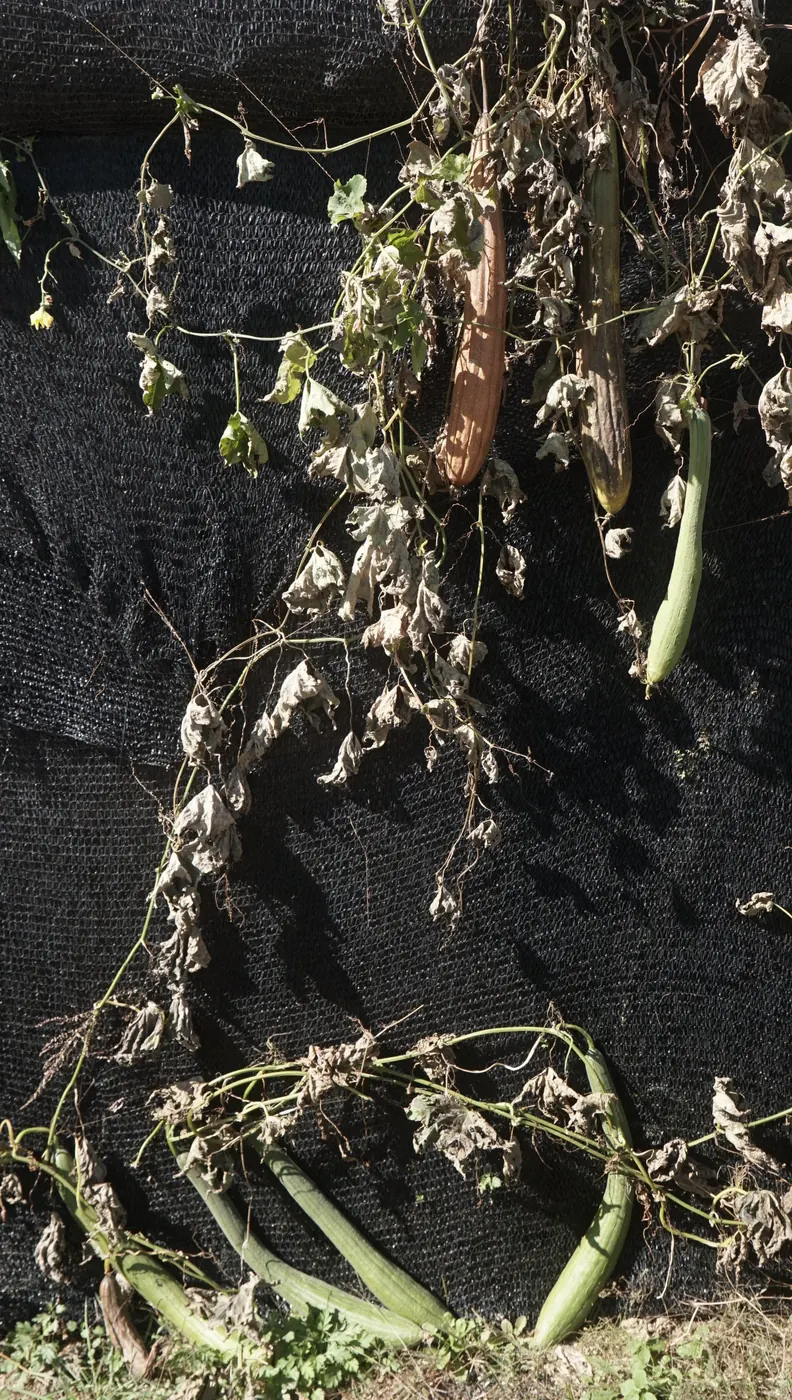
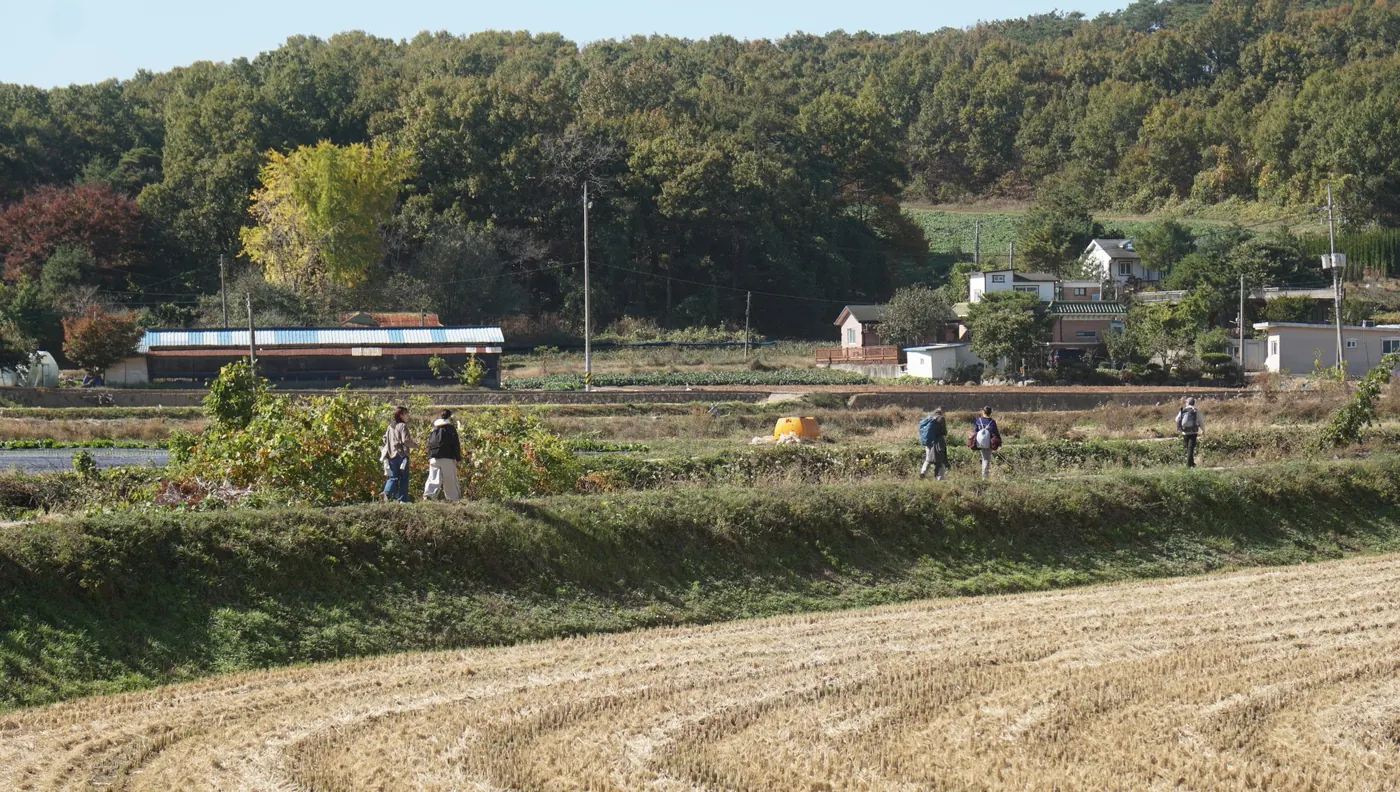
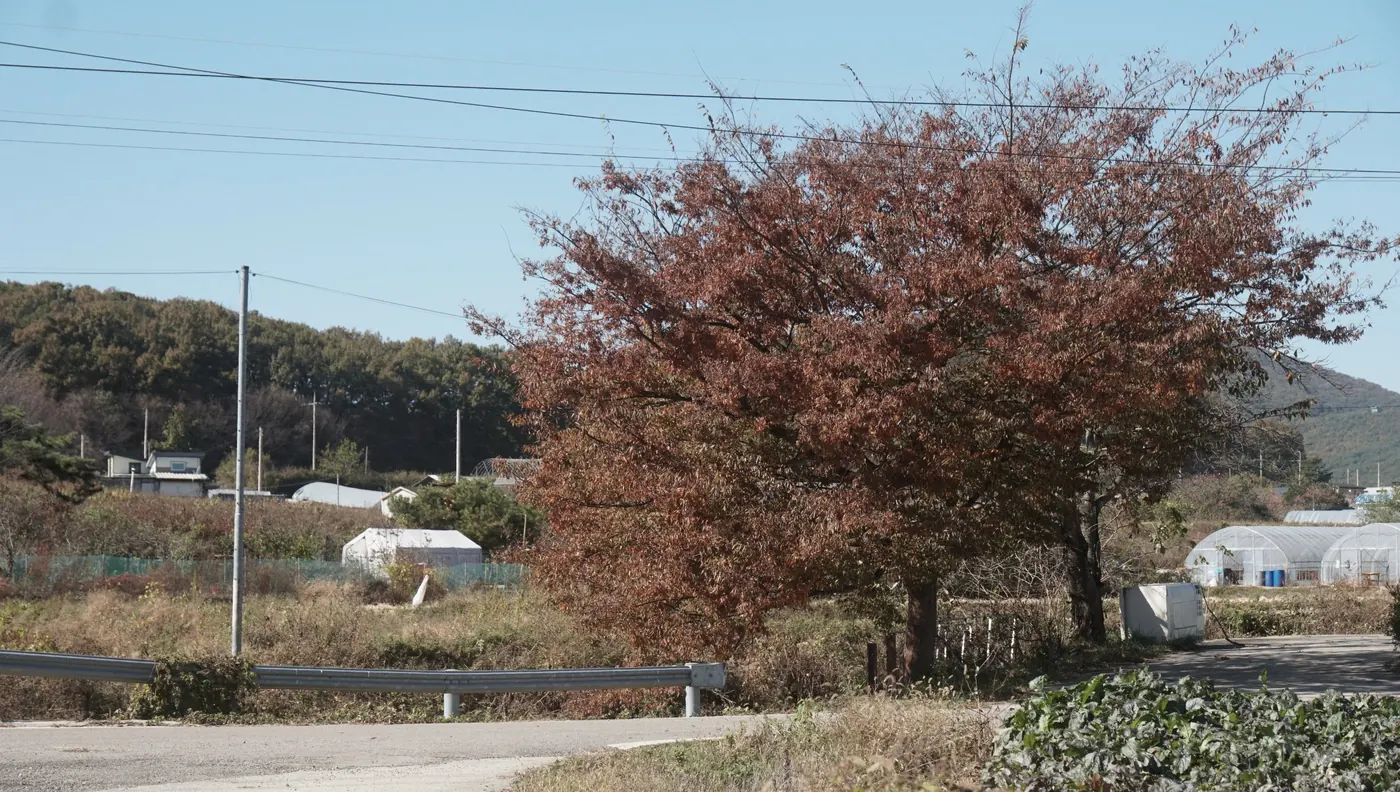
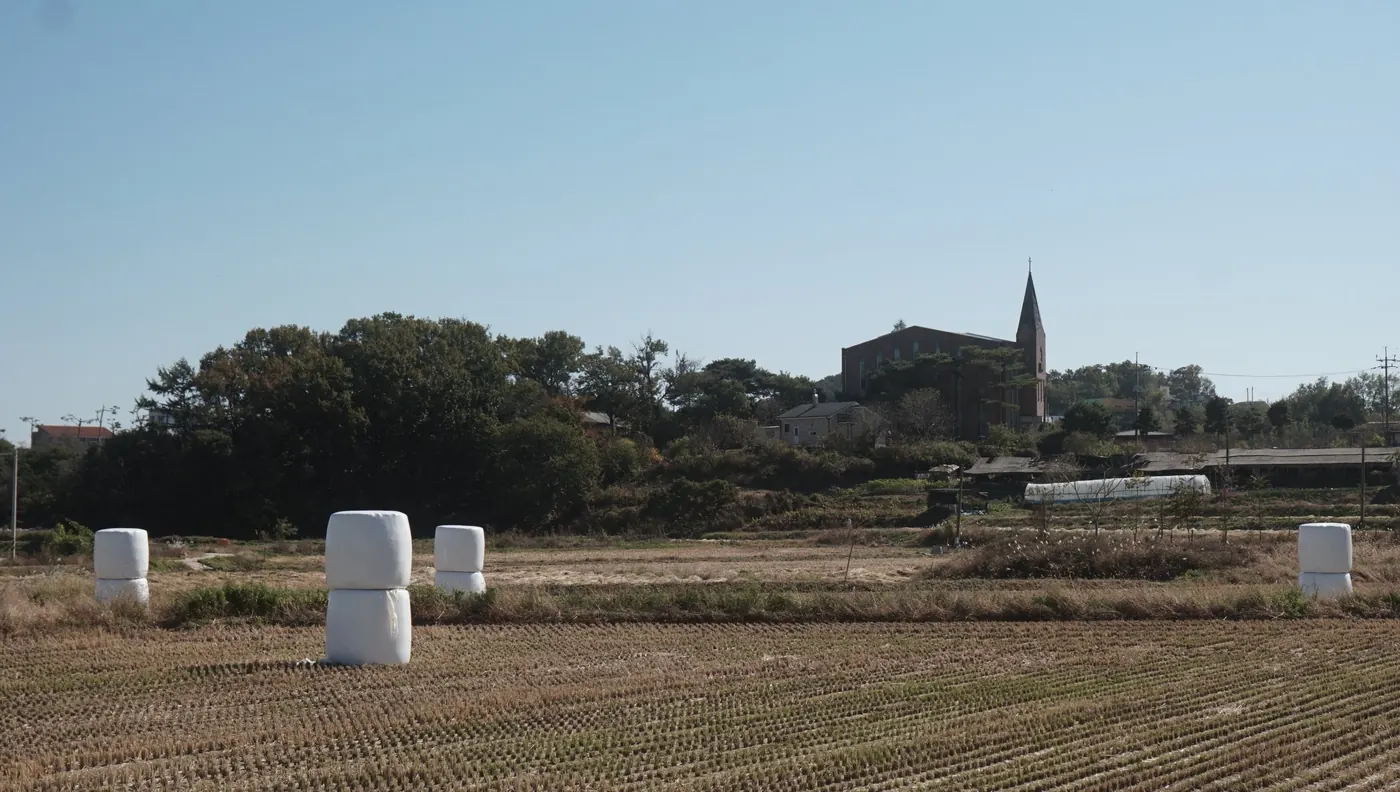
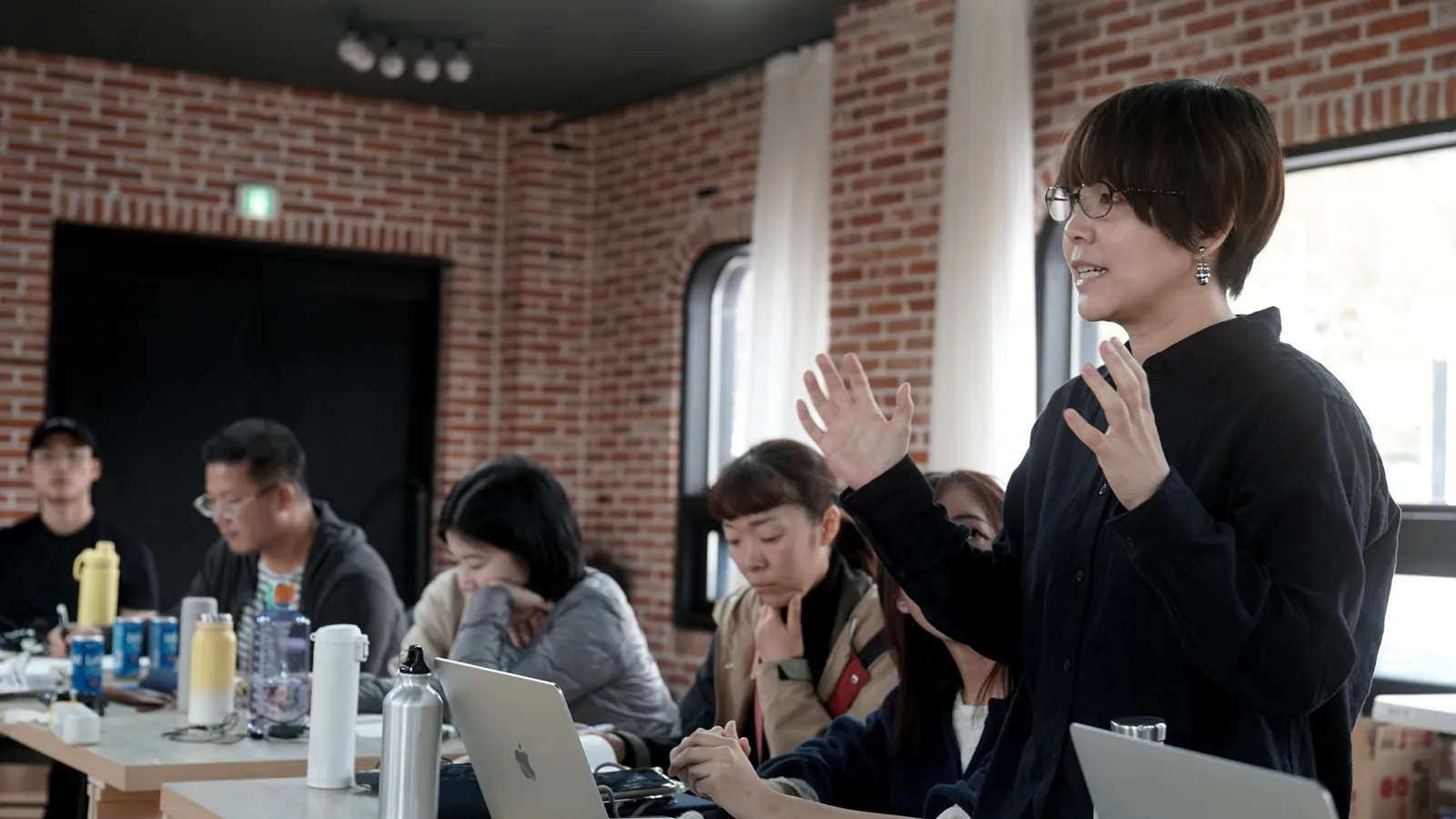
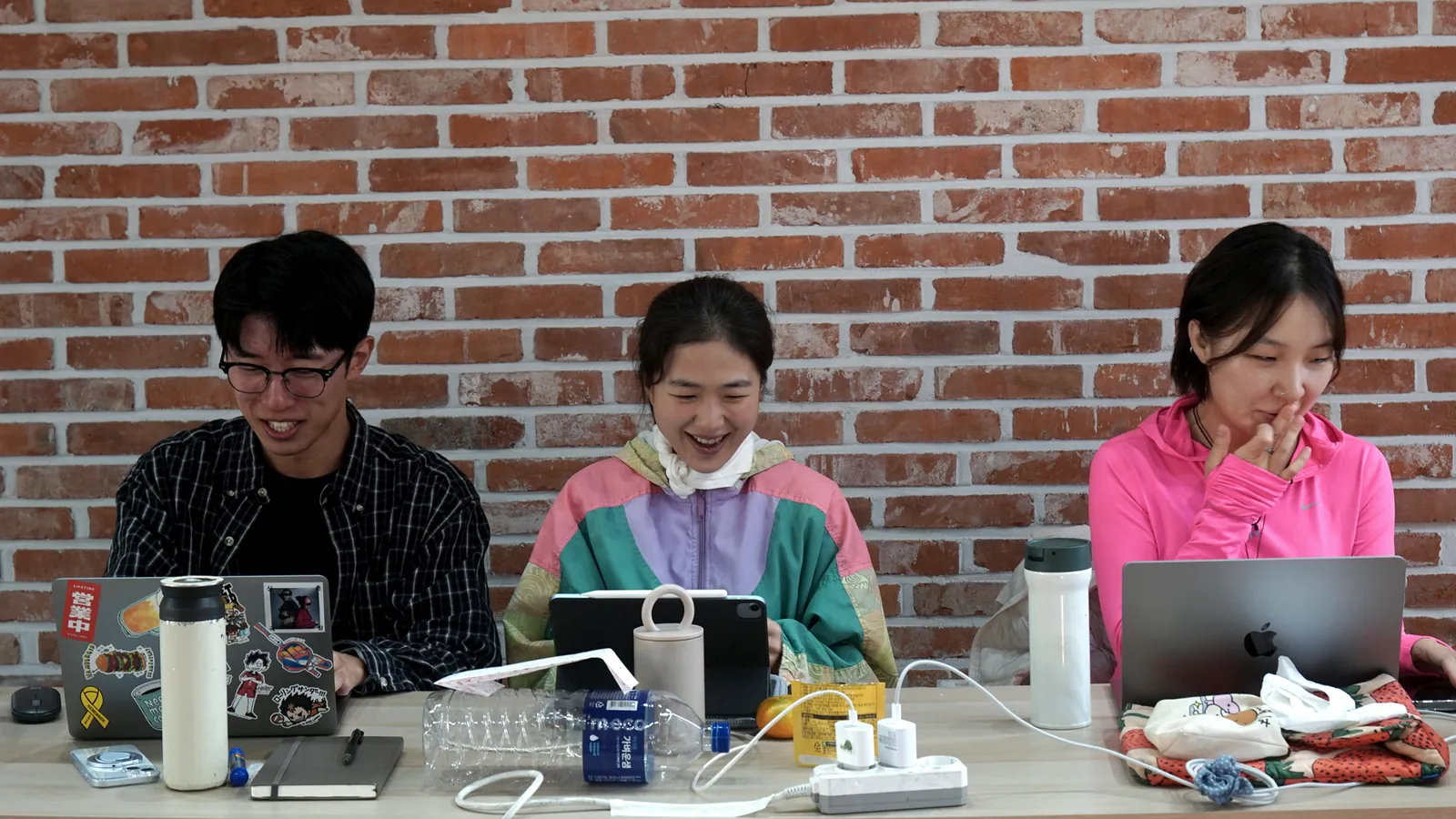
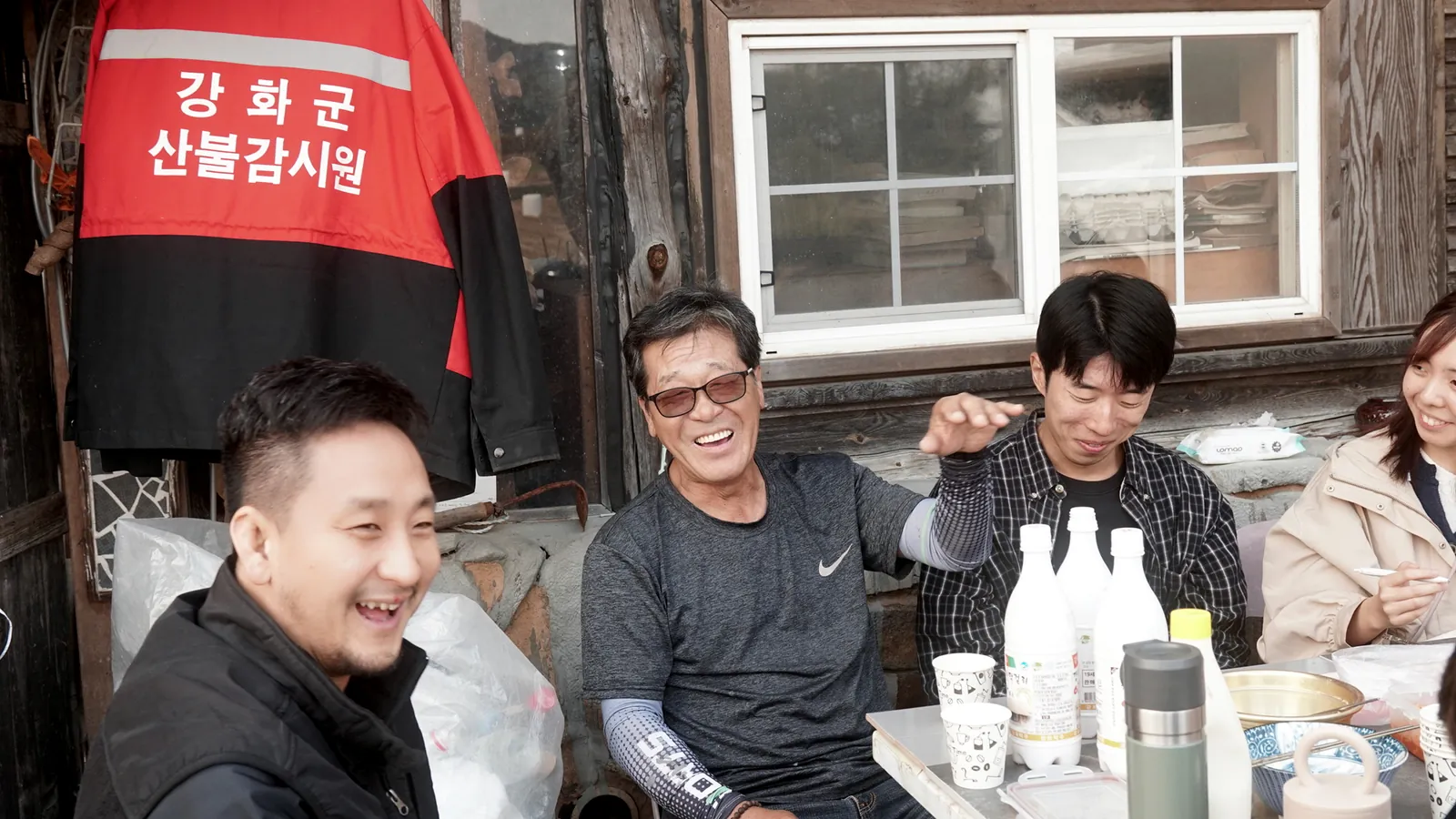
The Island project starts with questions about things that are disappearing. Artists, producers and citizens come together to face disappearance and create poetic spaces within everyday life.
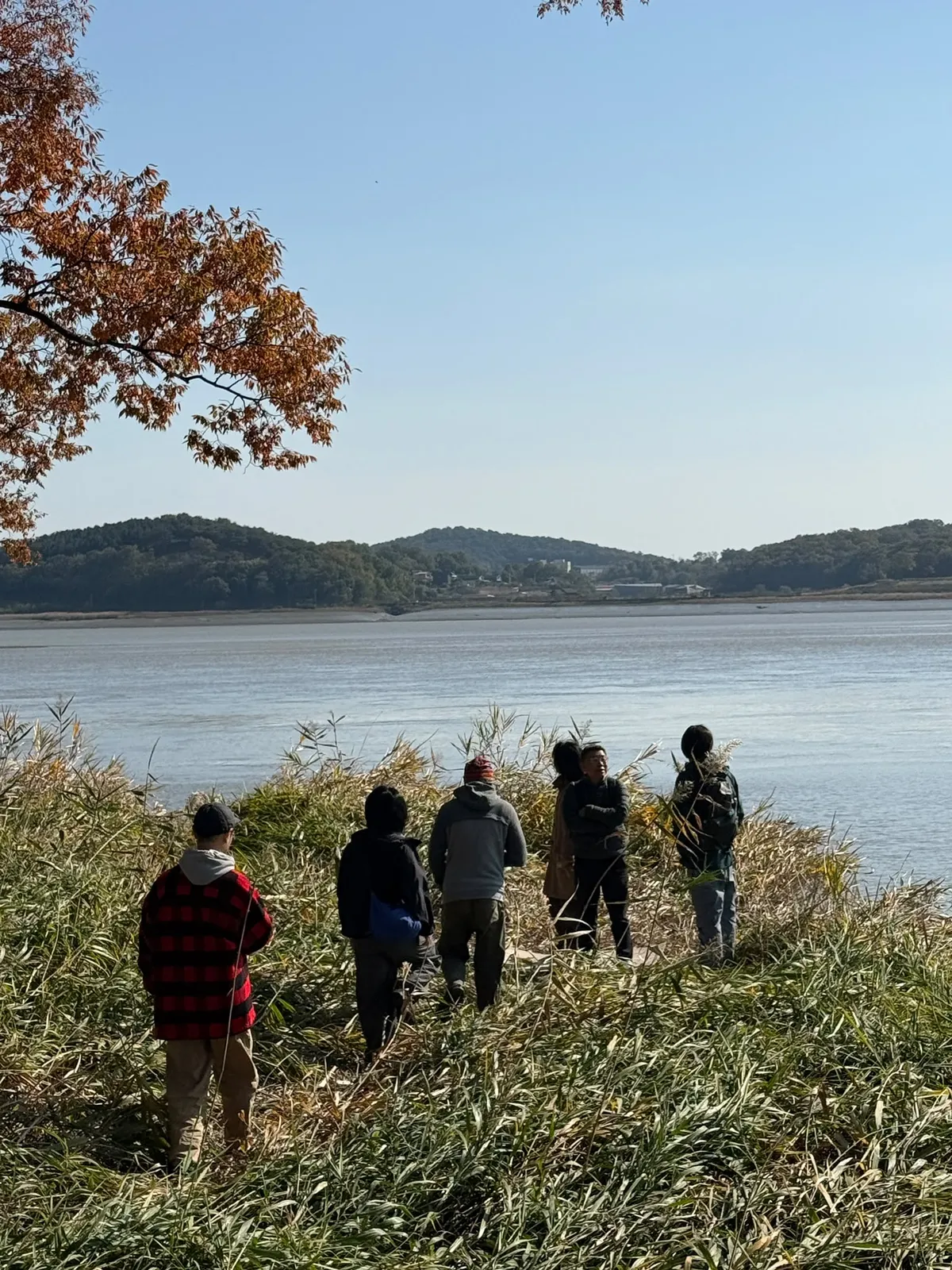
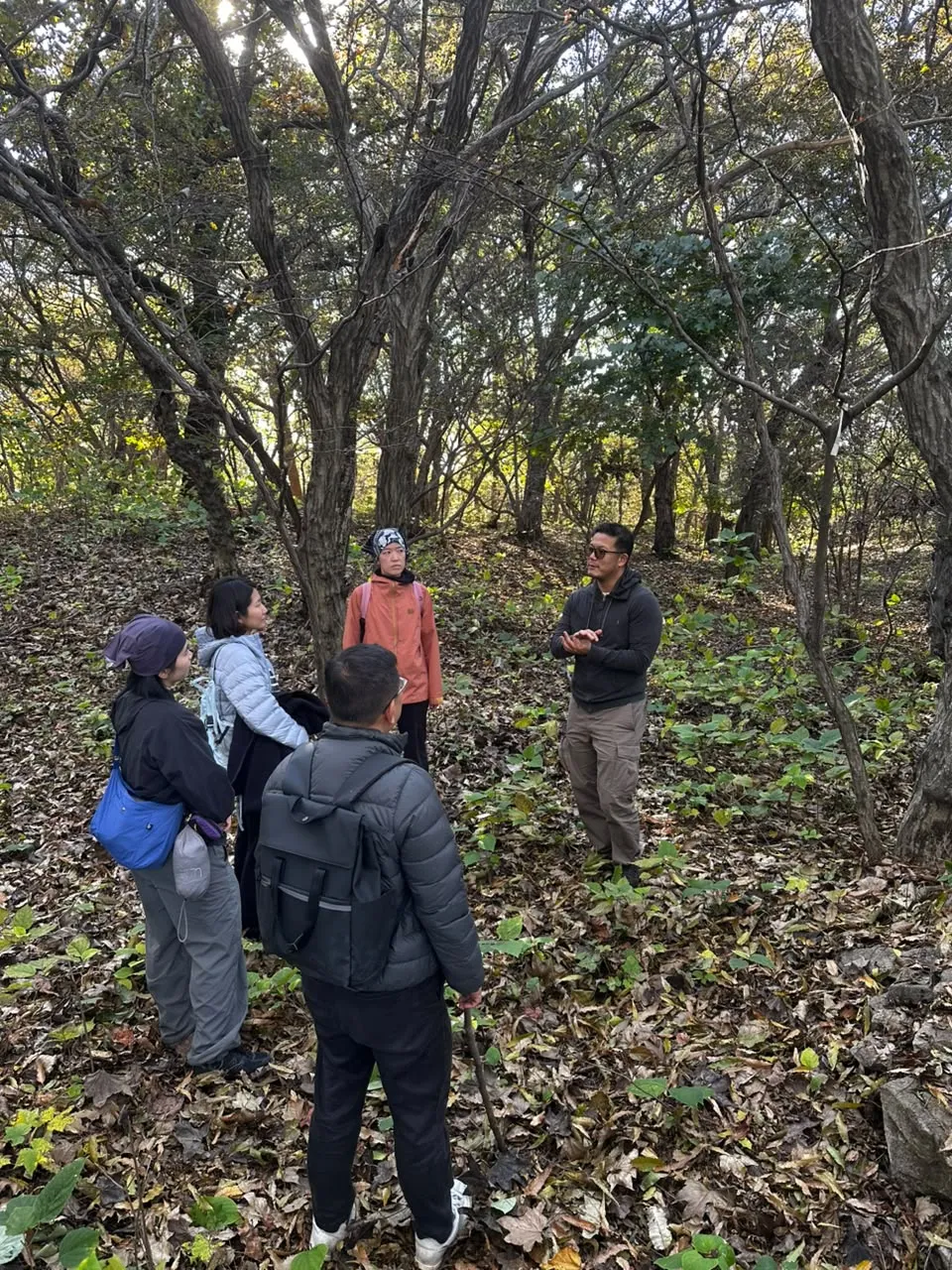
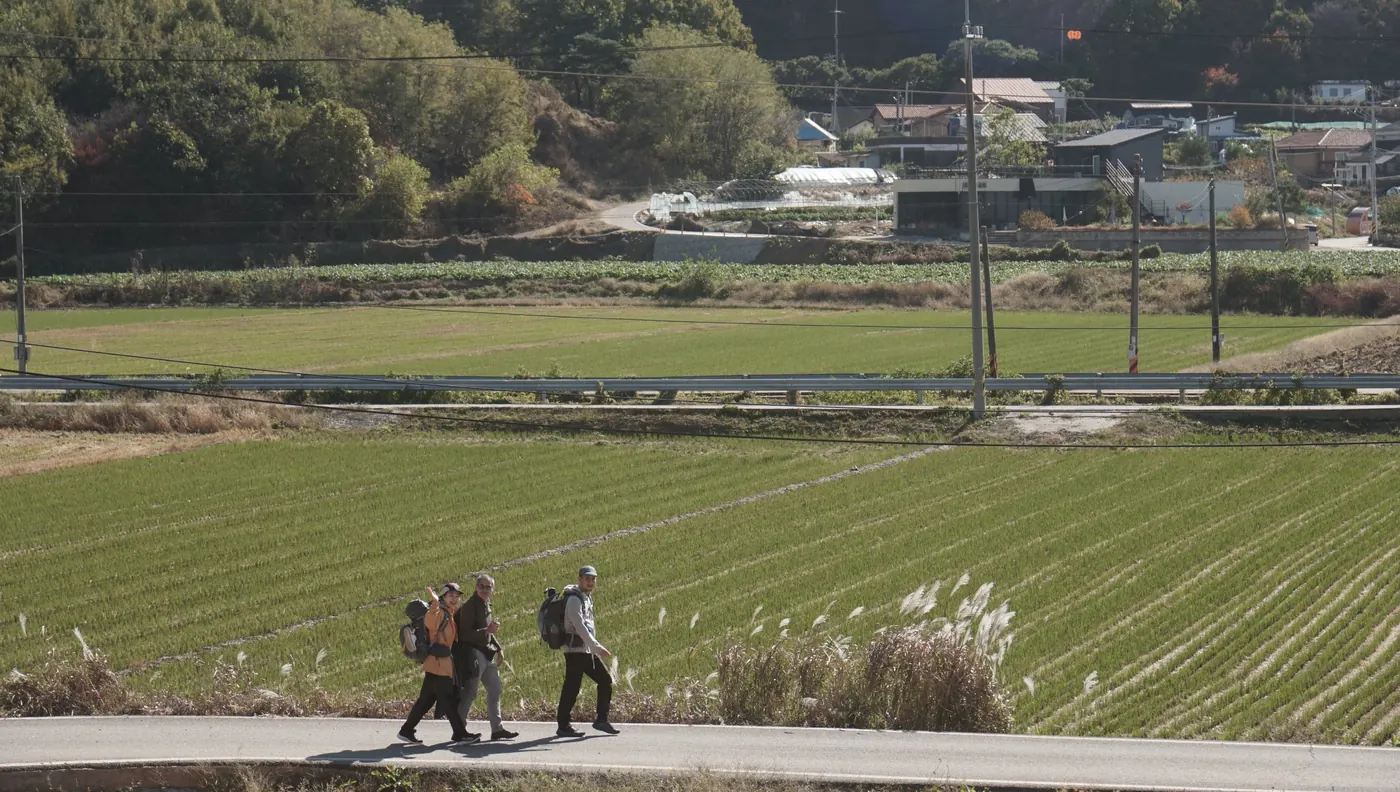
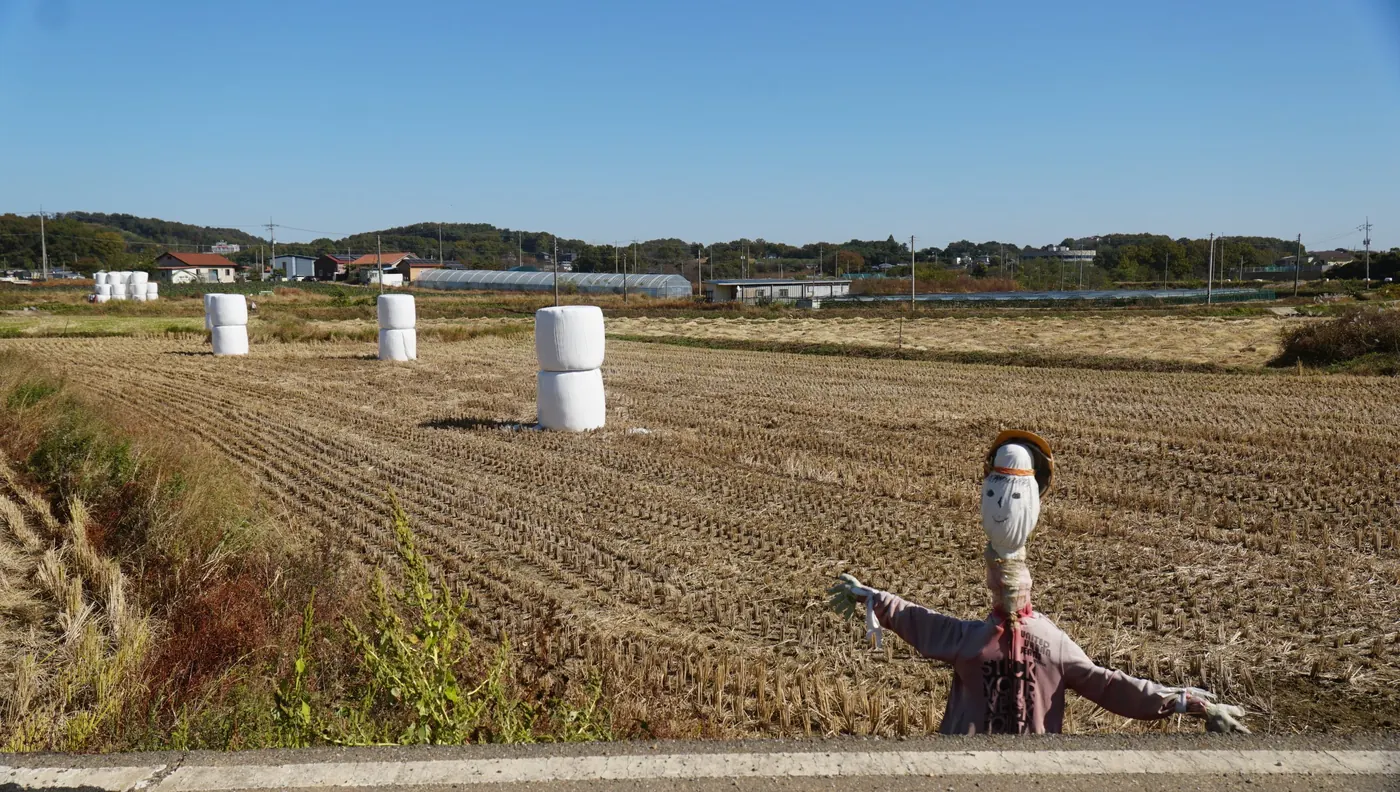
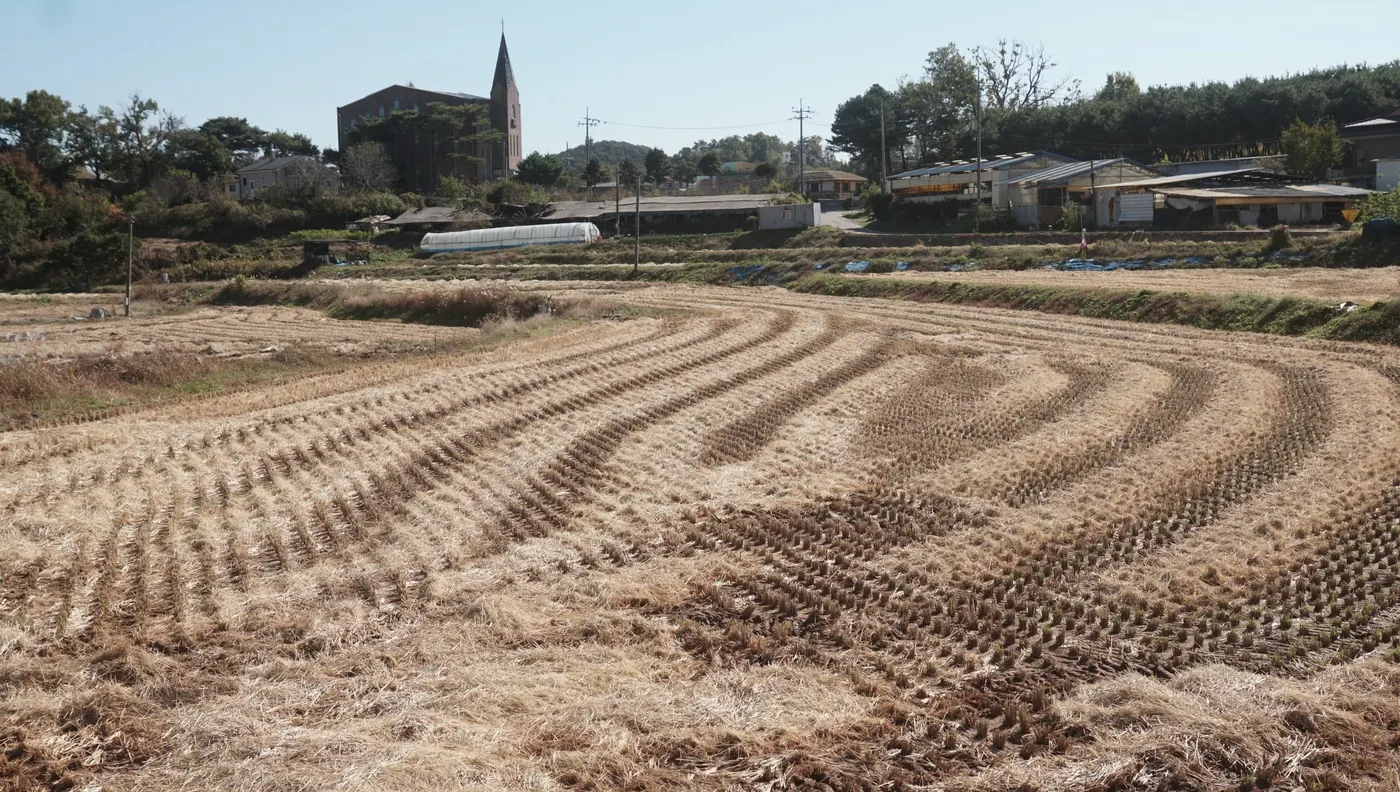
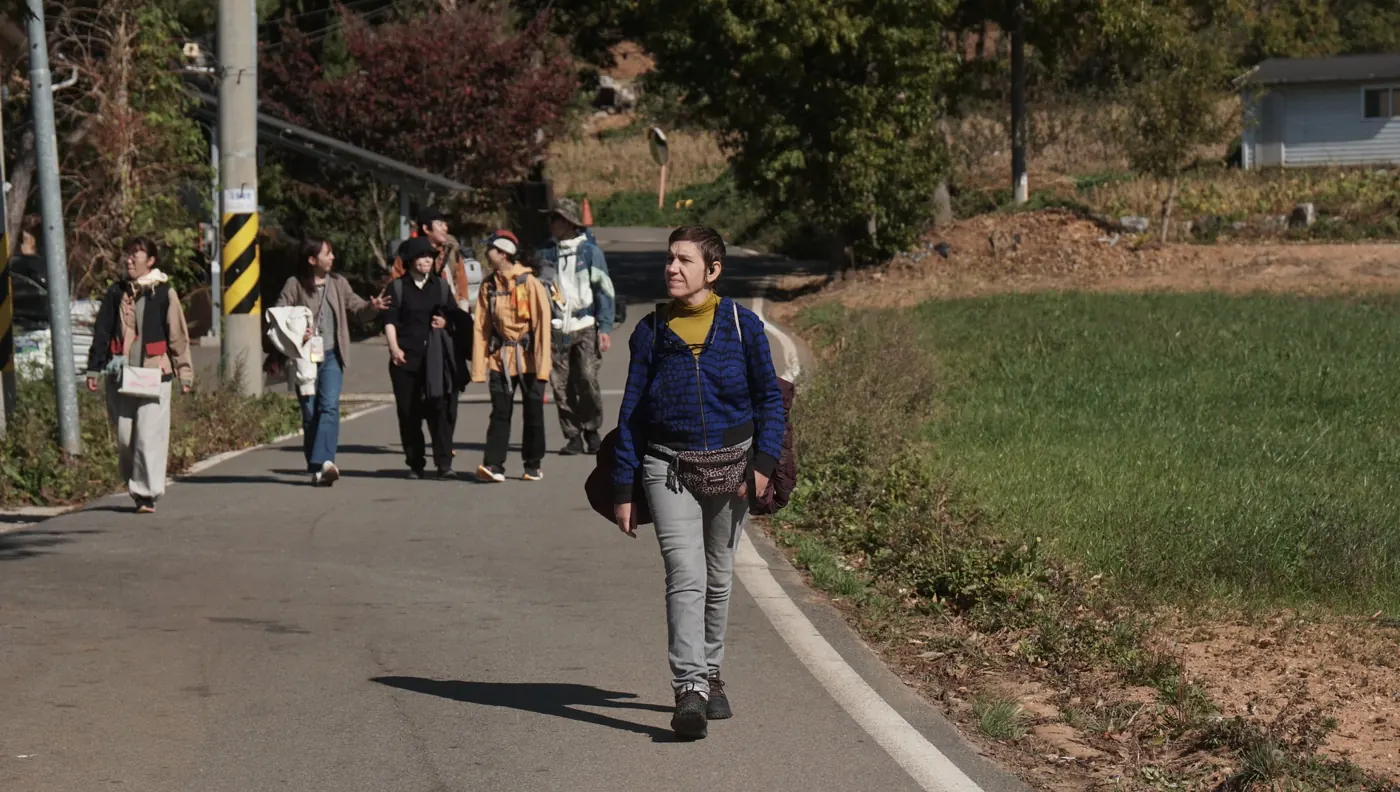
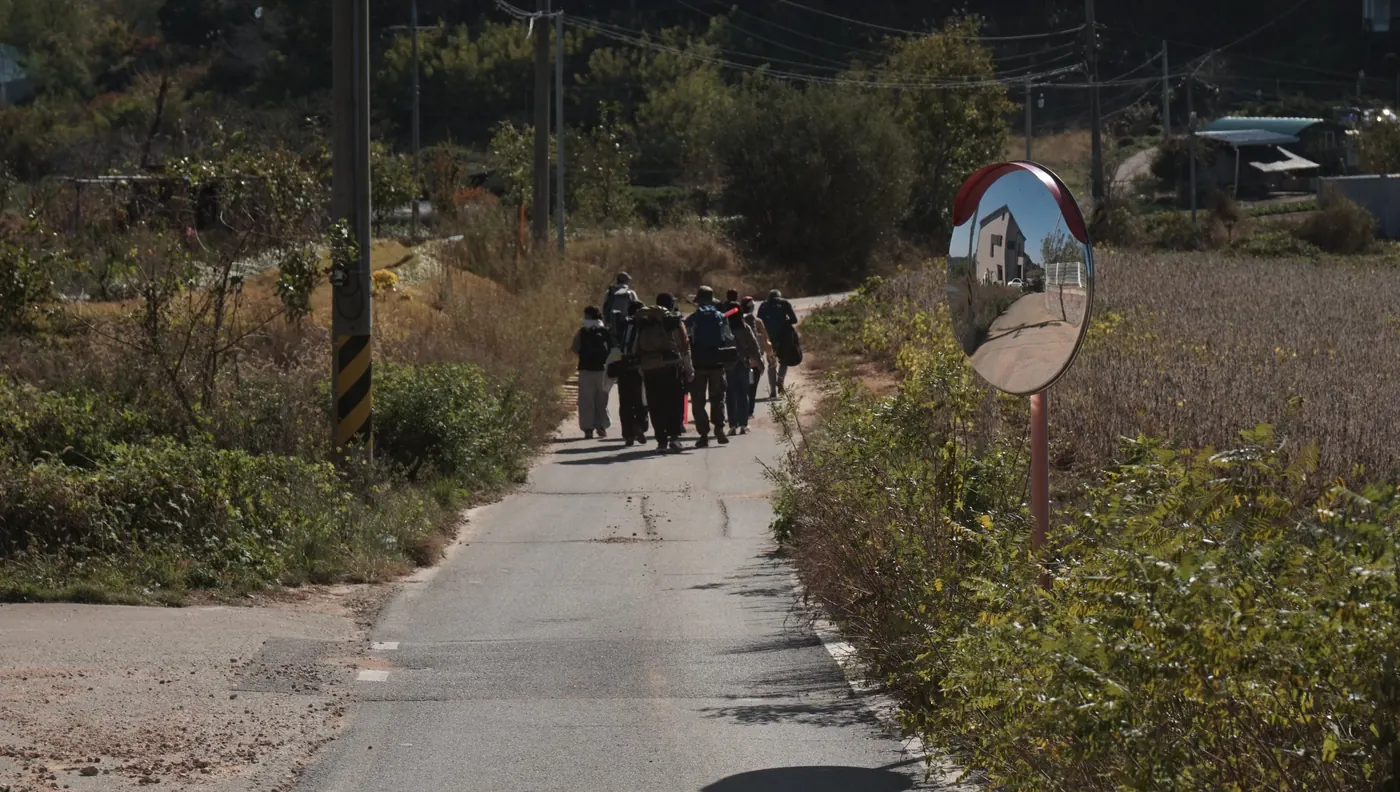
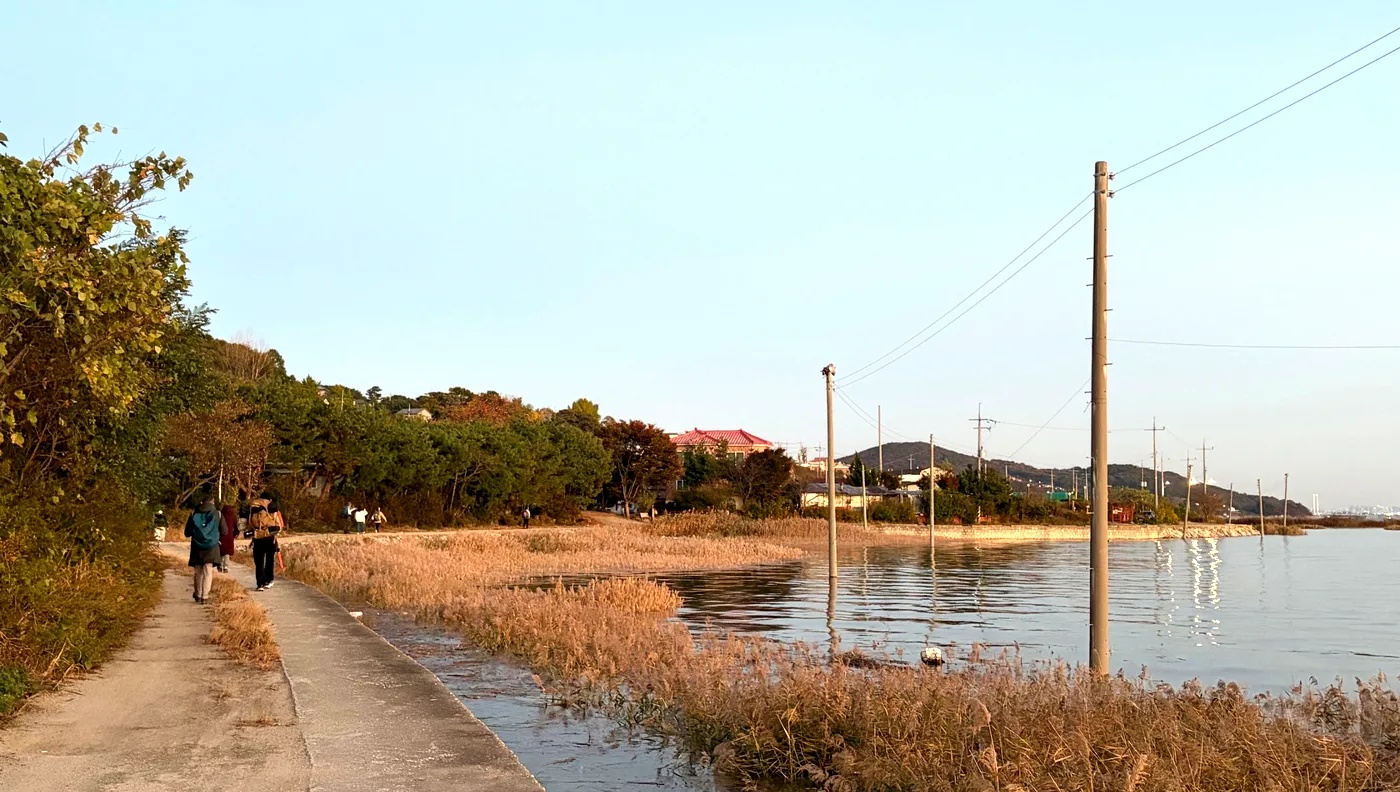
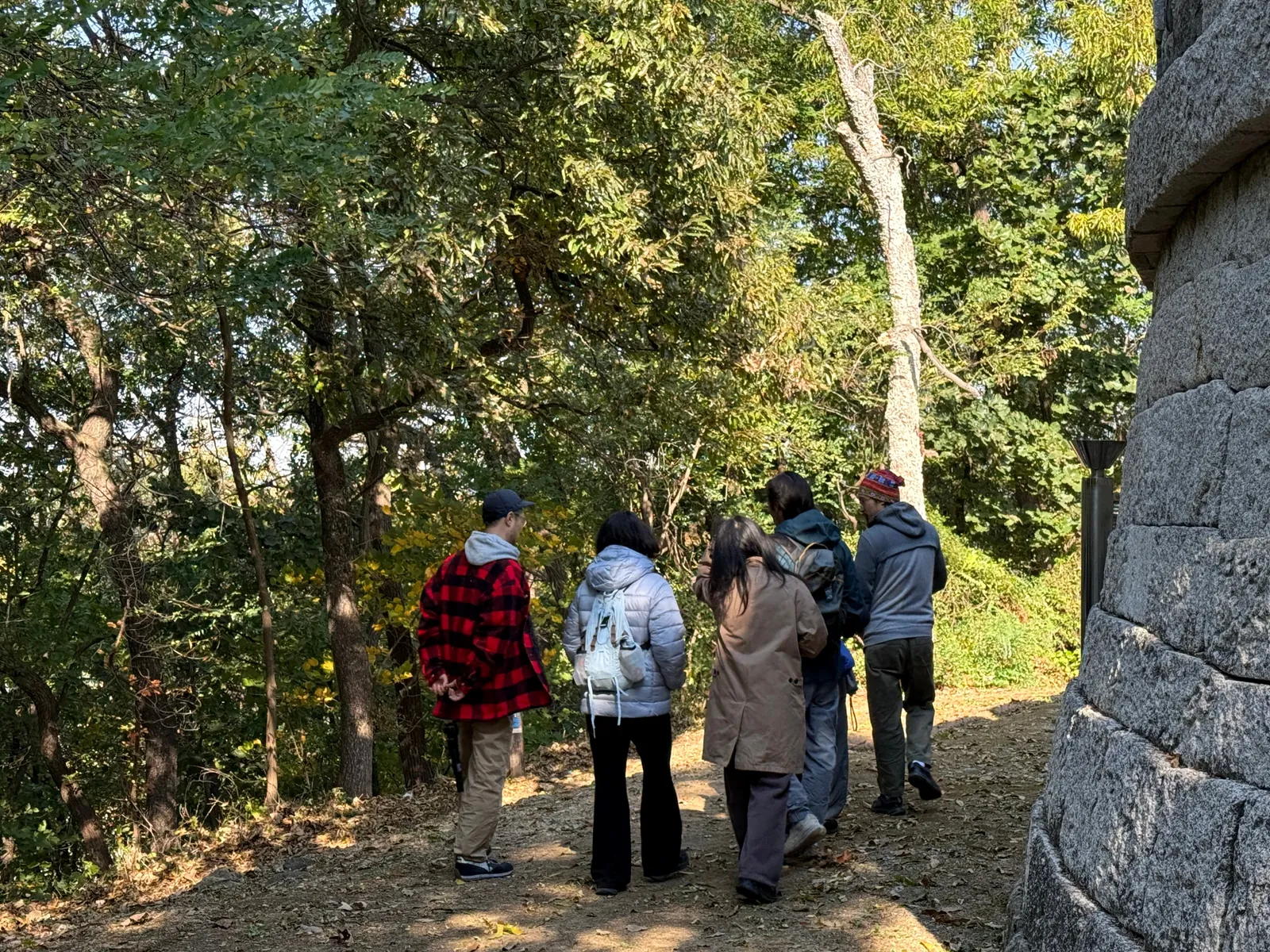
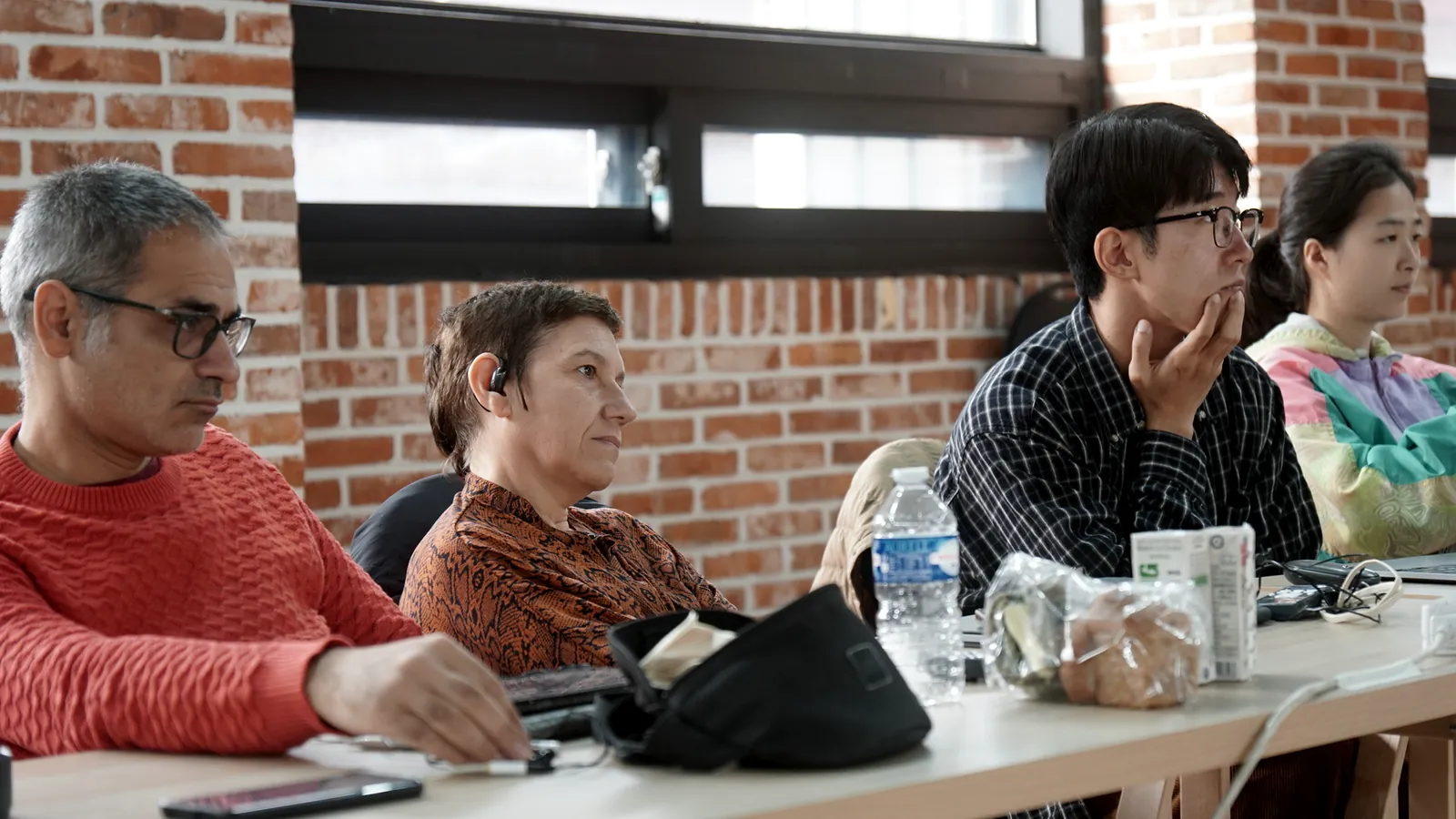
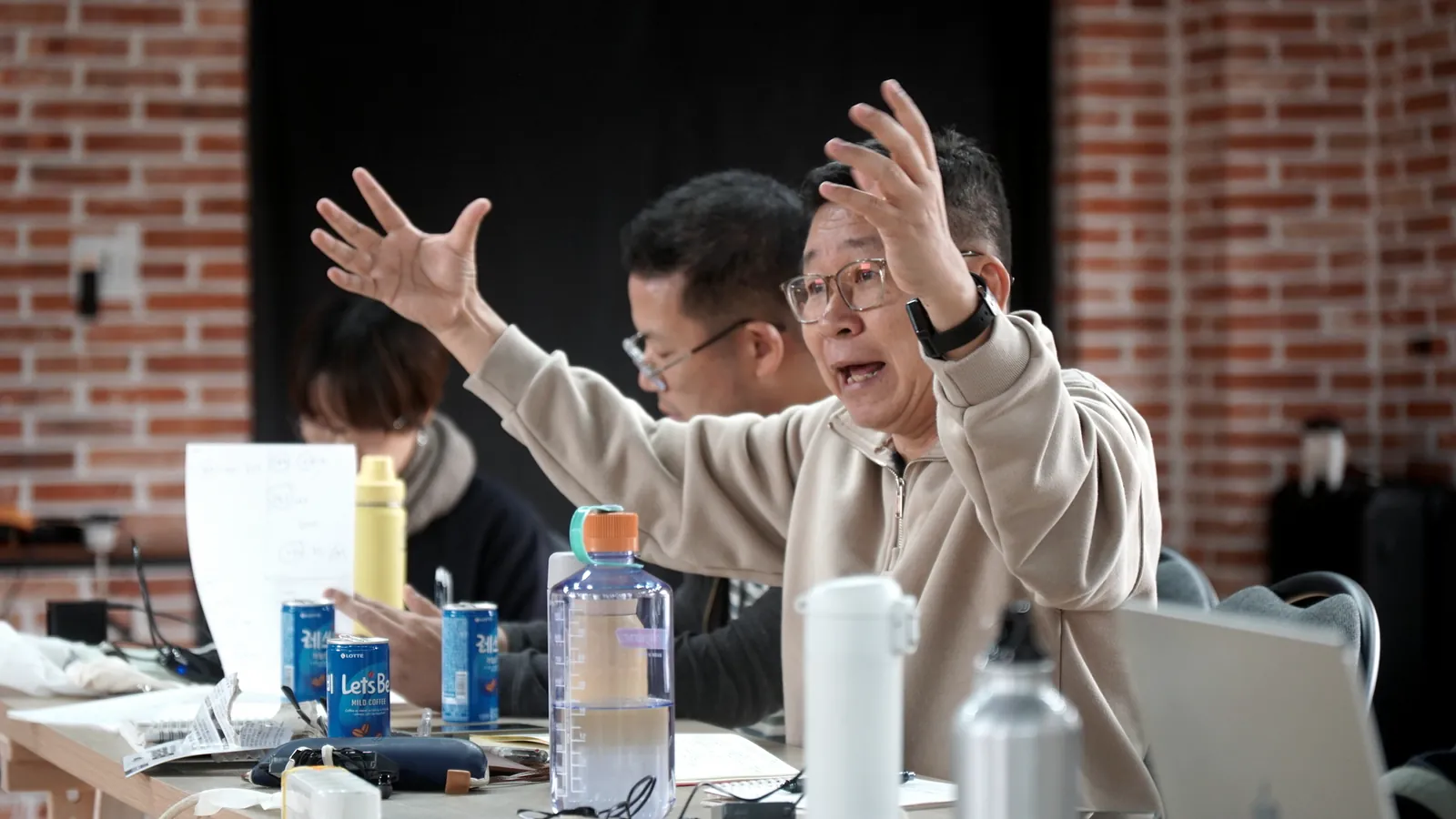
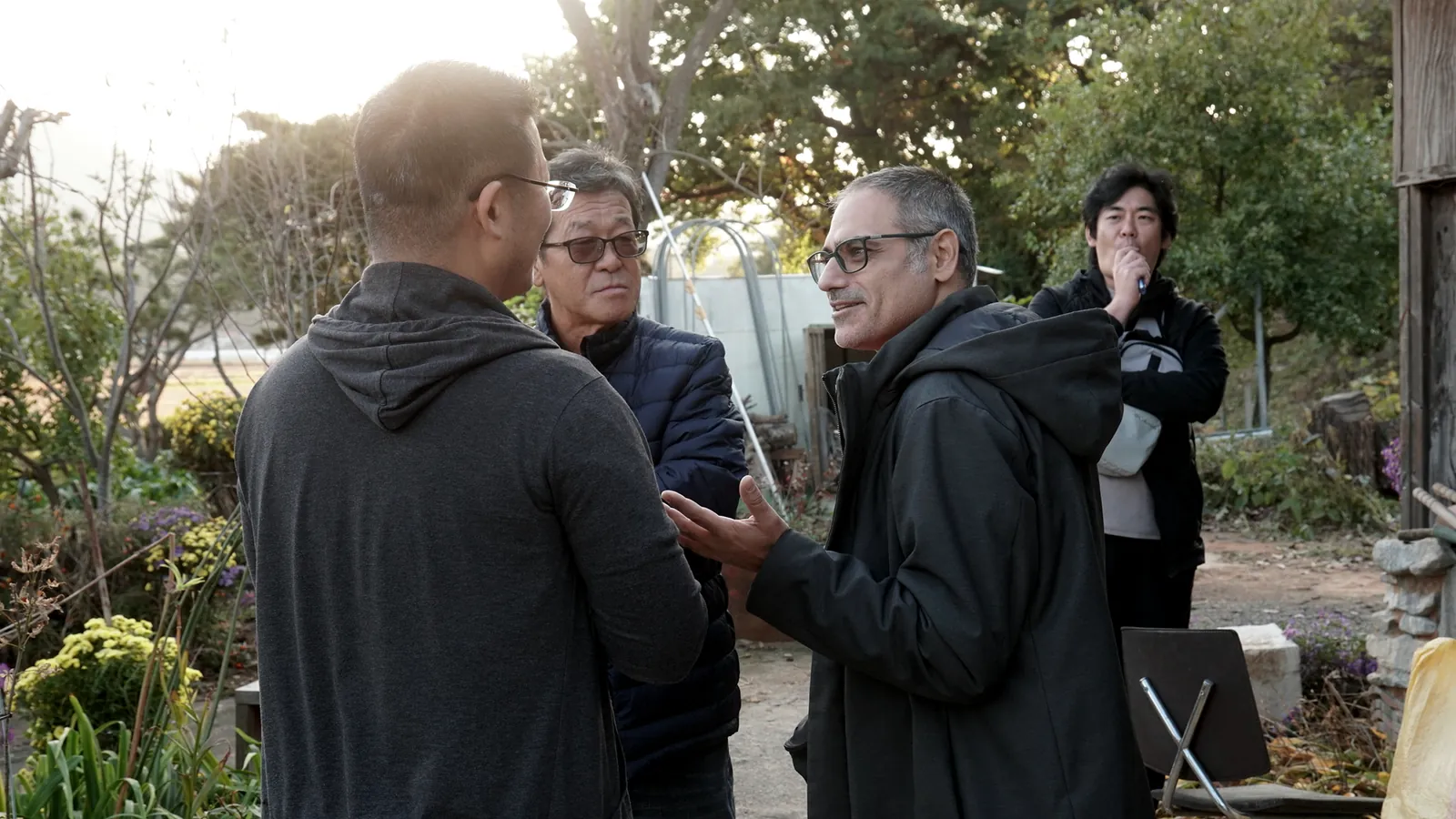
For 2025–2026, the island is Ganghwado. The project began with a research phase in 2025, bringing together artists and producers from South Korea, Singapore and Italy. Walking Ganghwa's paths, visiting historical and cultural sites and meeting its people, each of us began to sense, in our own way, what has been disappearing here.
In 2026, artists from Japan and Malaysia join us. We return to Ganghwa with the questions found last year, to make poetic places where things are vanishing and let them slowly gather on the island.
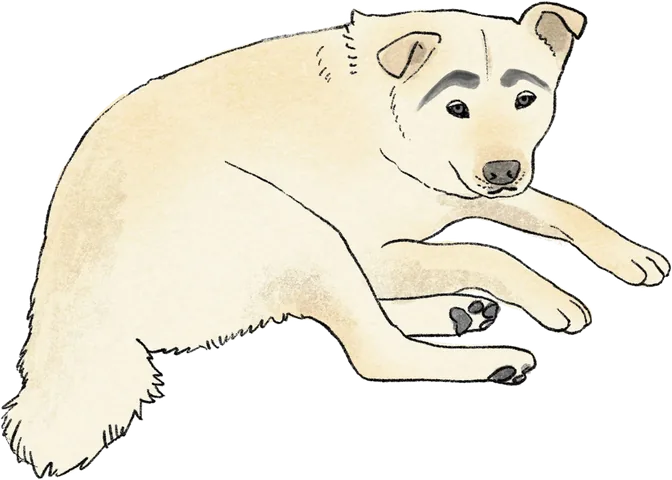
The two hexagons symbolize the project. Hexagons interlock to create new spaces; each one is both “my island” and “our island.” Anything can go inside a hexagon: my island, our island, the island of trees, Seomseom’s island, the island of wind, the island of mudflats, Cookie’s island… Whose island, or what island, is your Ganghwa?
This year the project runs on Ganghwa from 25 October to 8 November. Audiences can take part from 6 to 8 November. More details will be added to this page as the project unfolds.
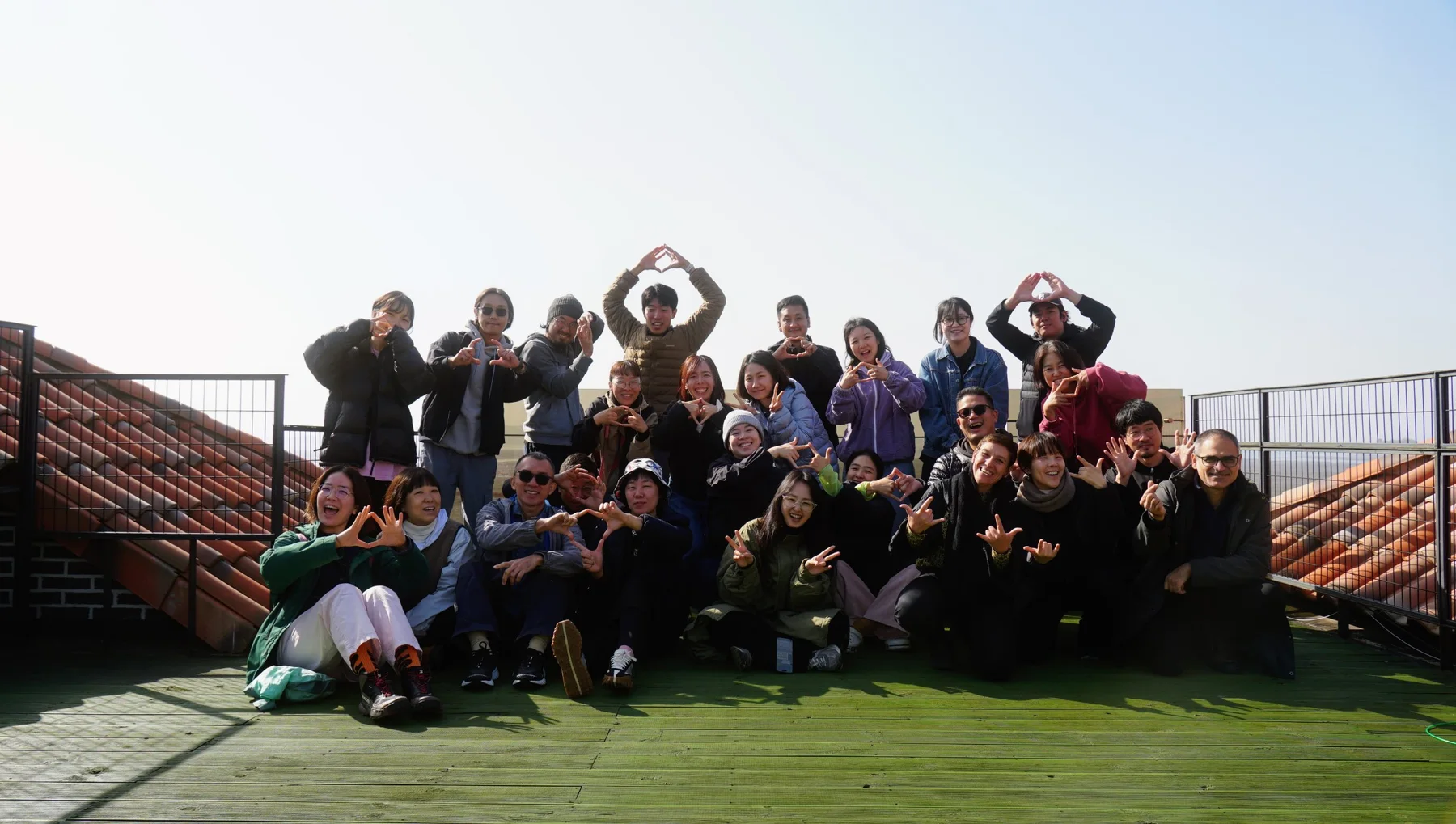
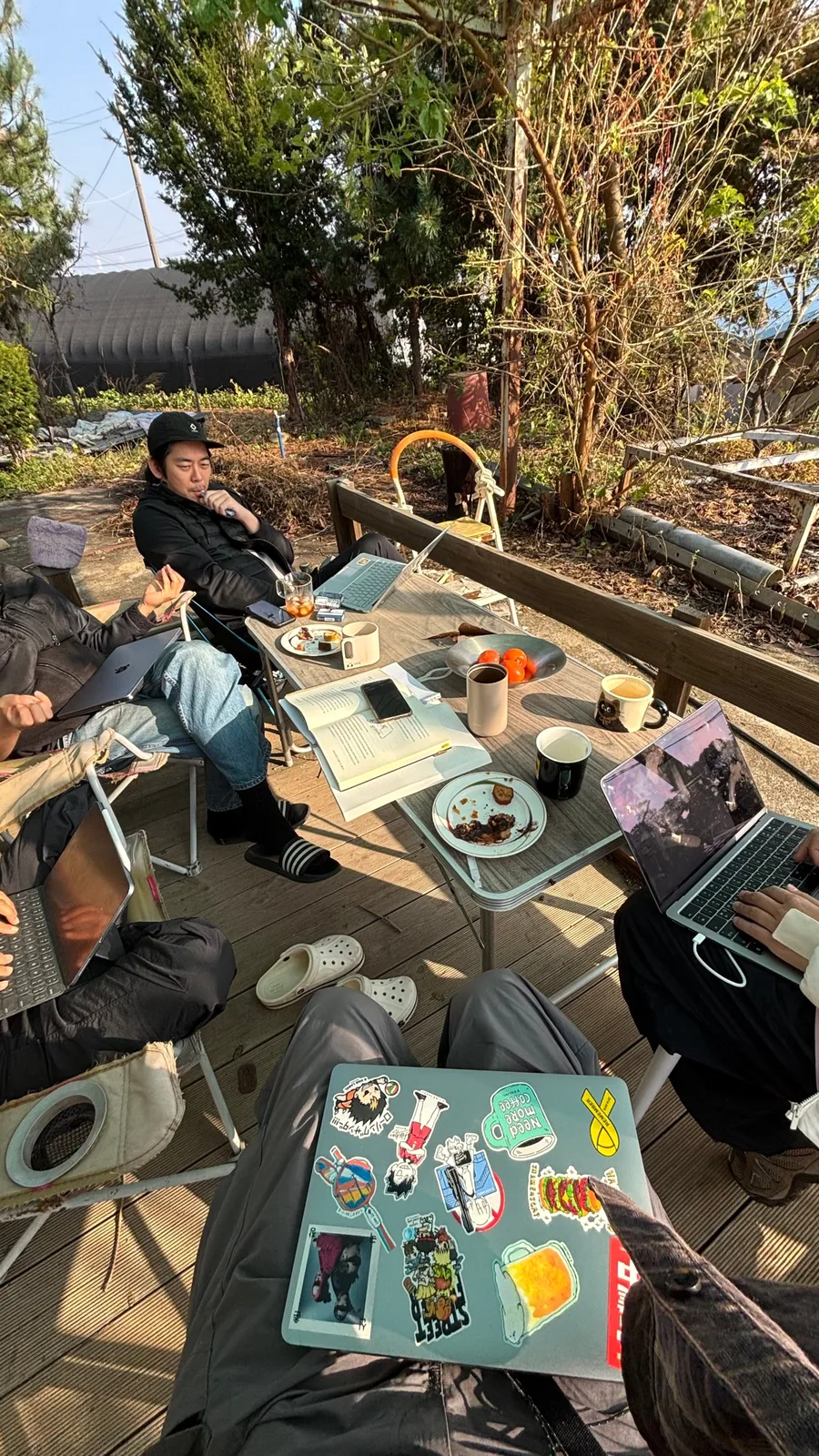
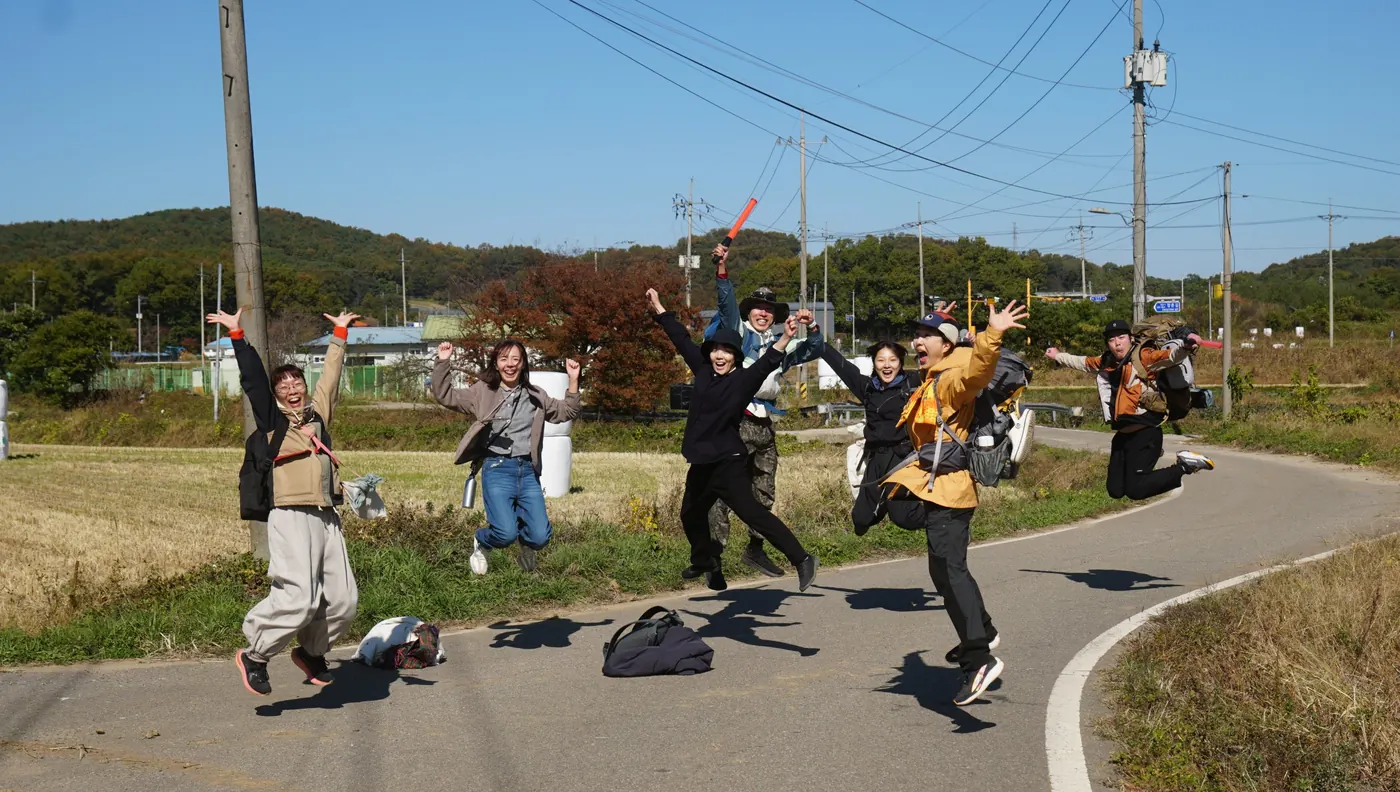
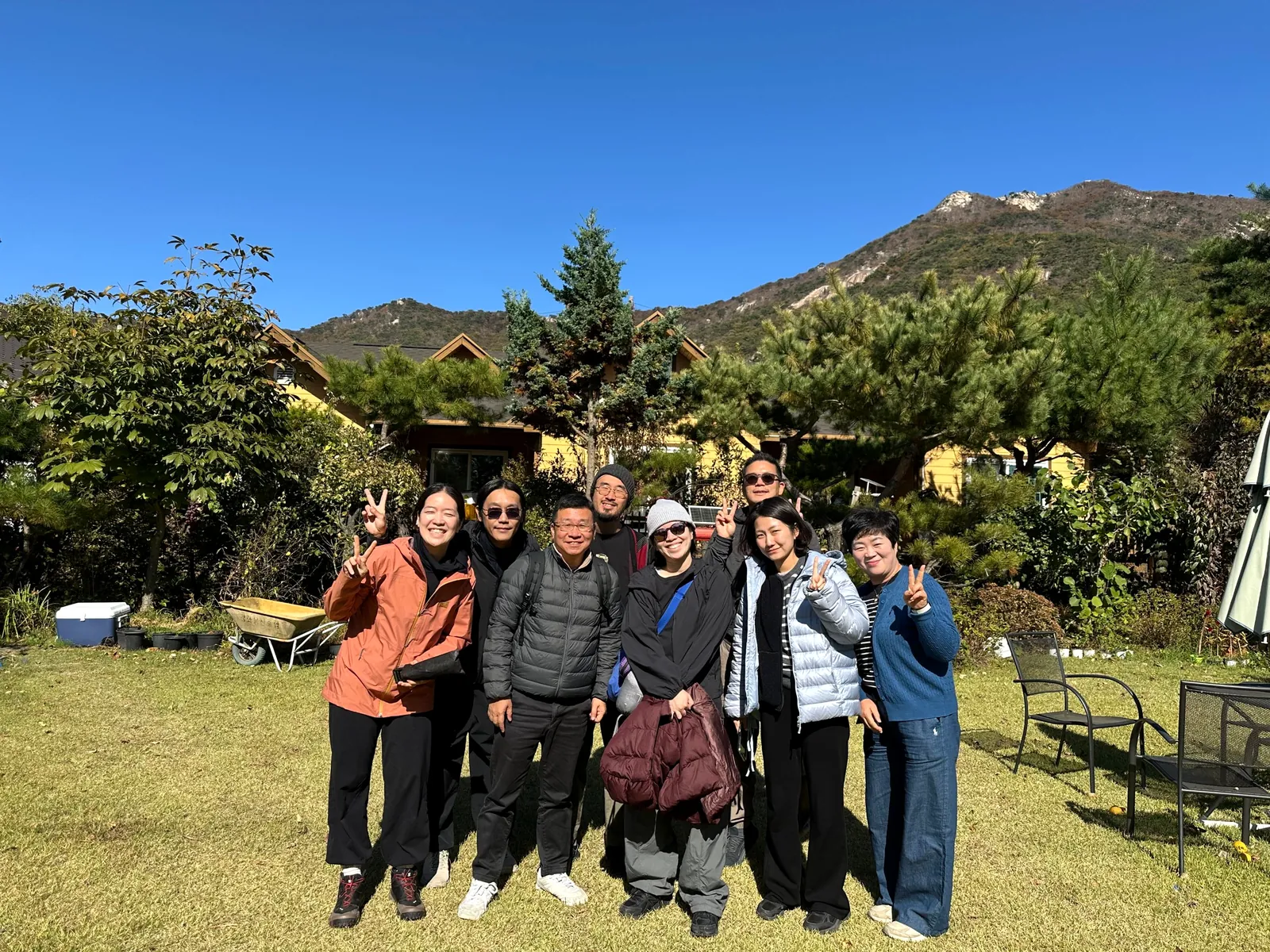
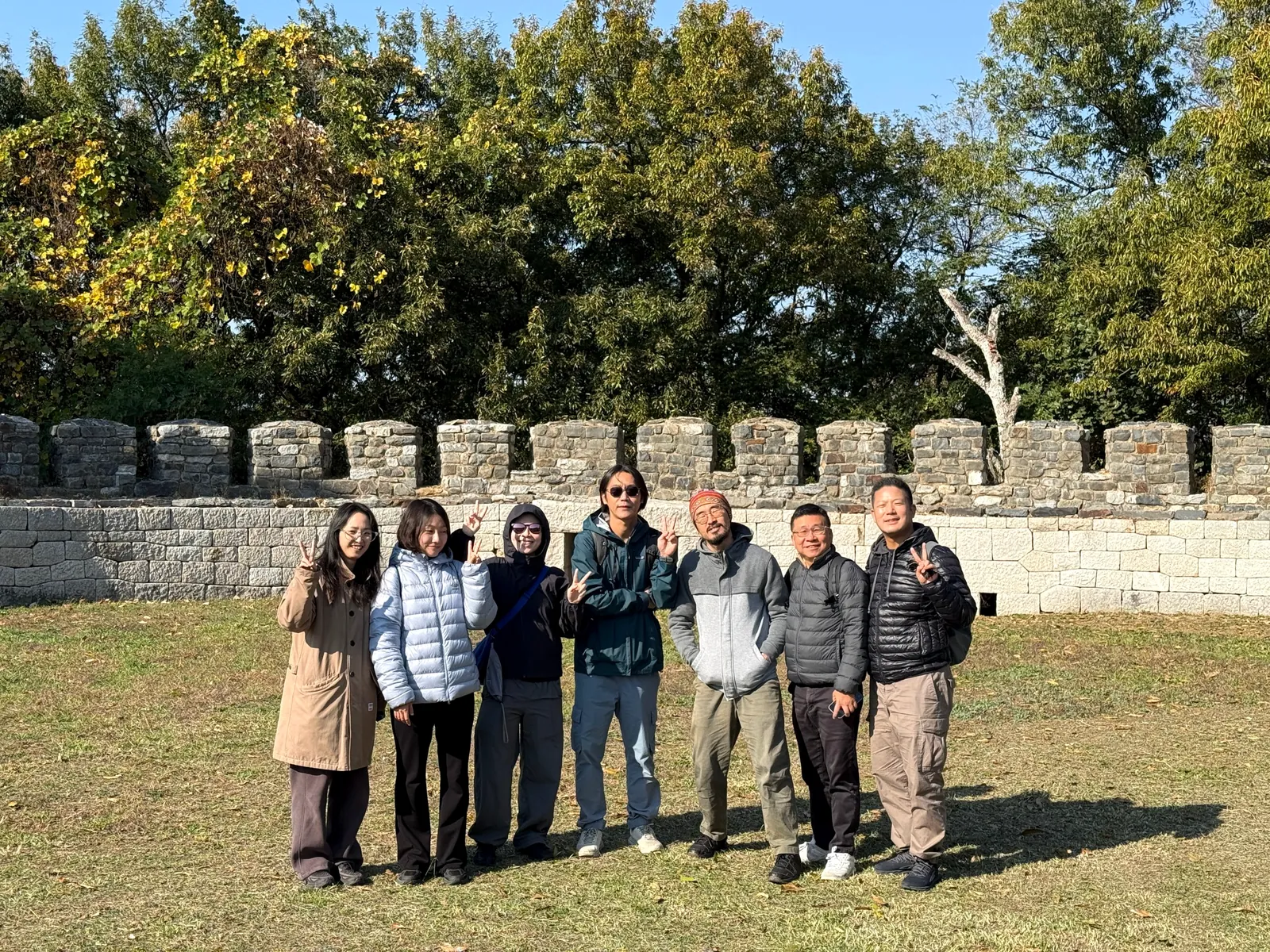
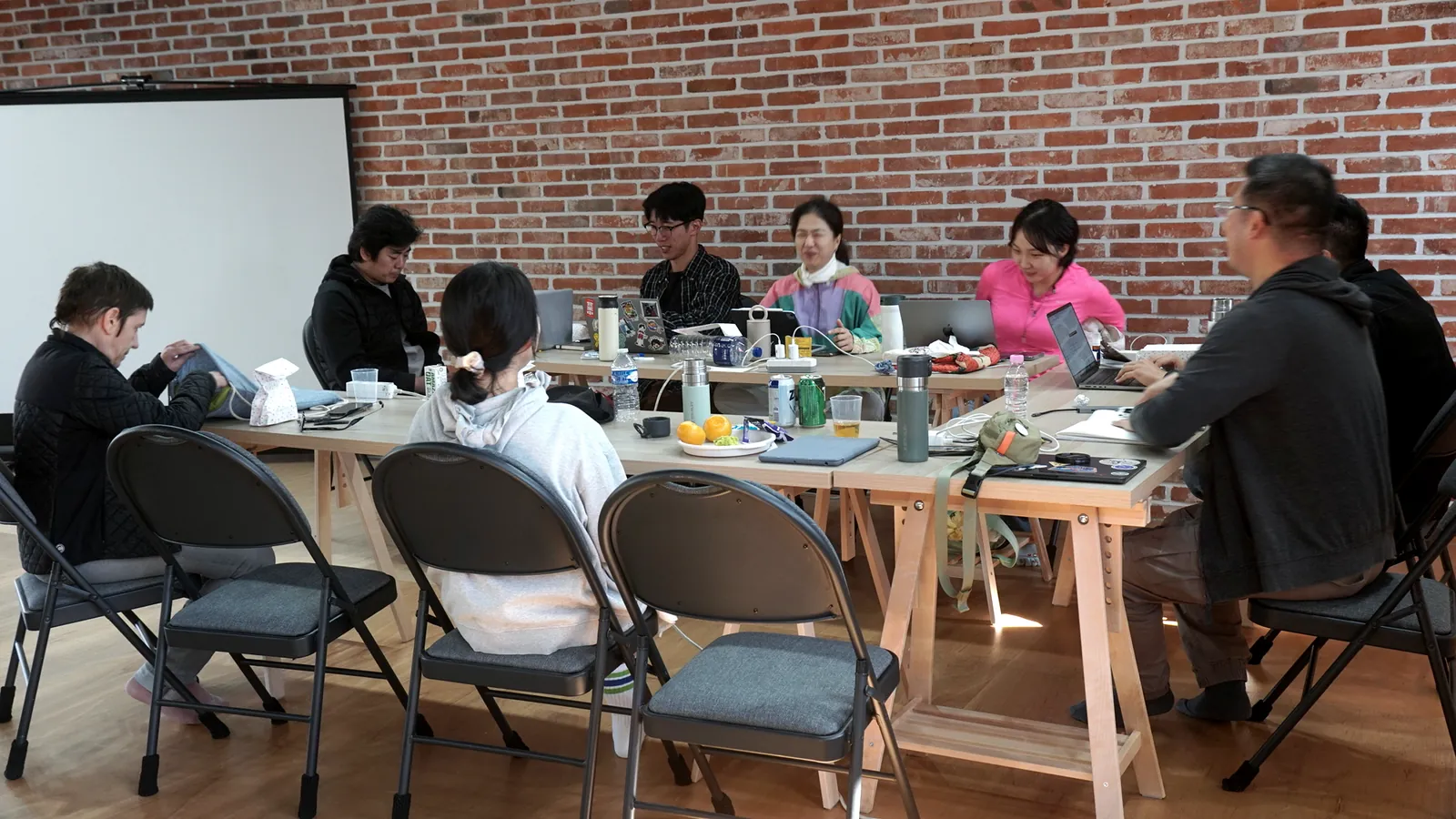
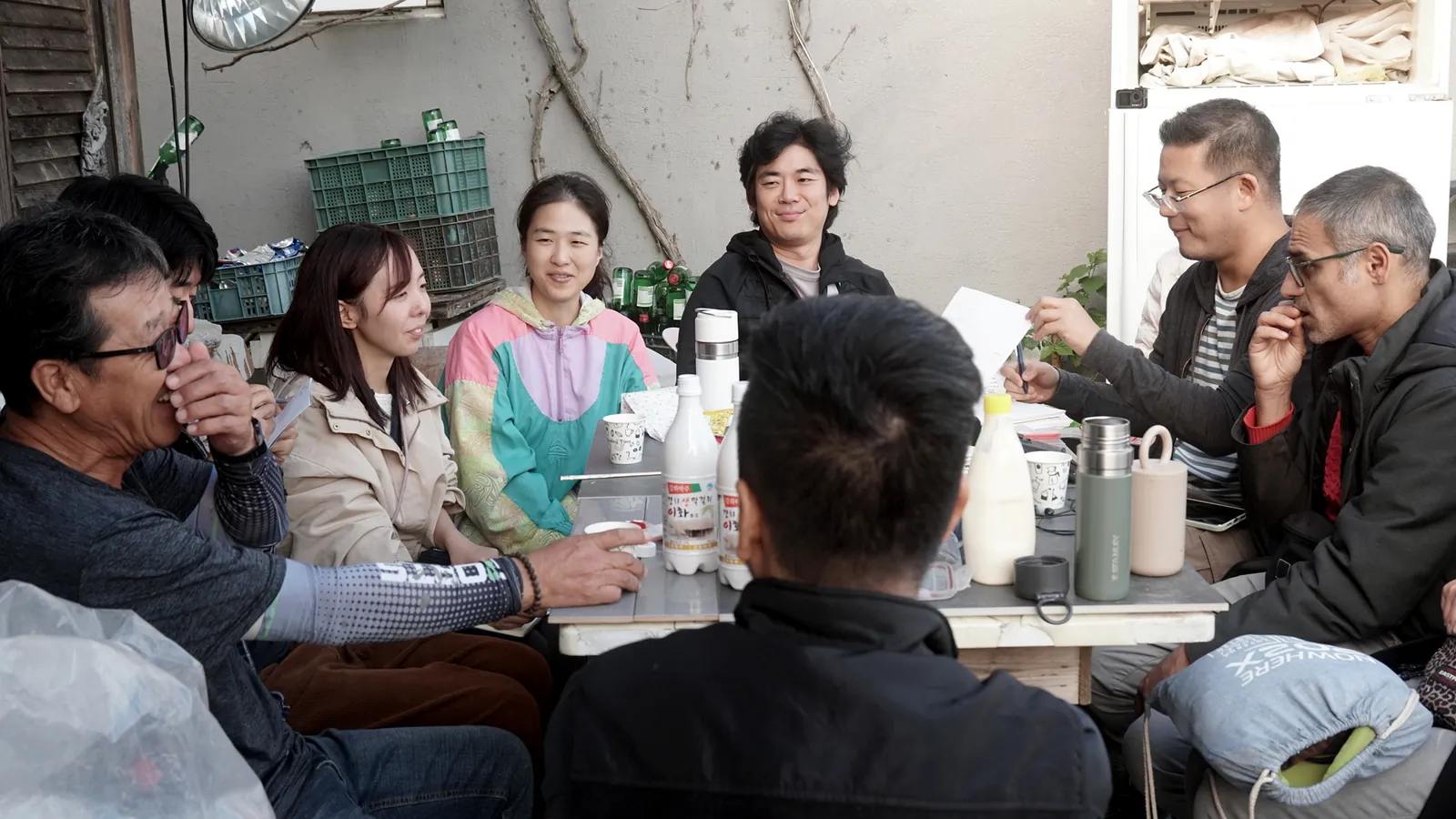
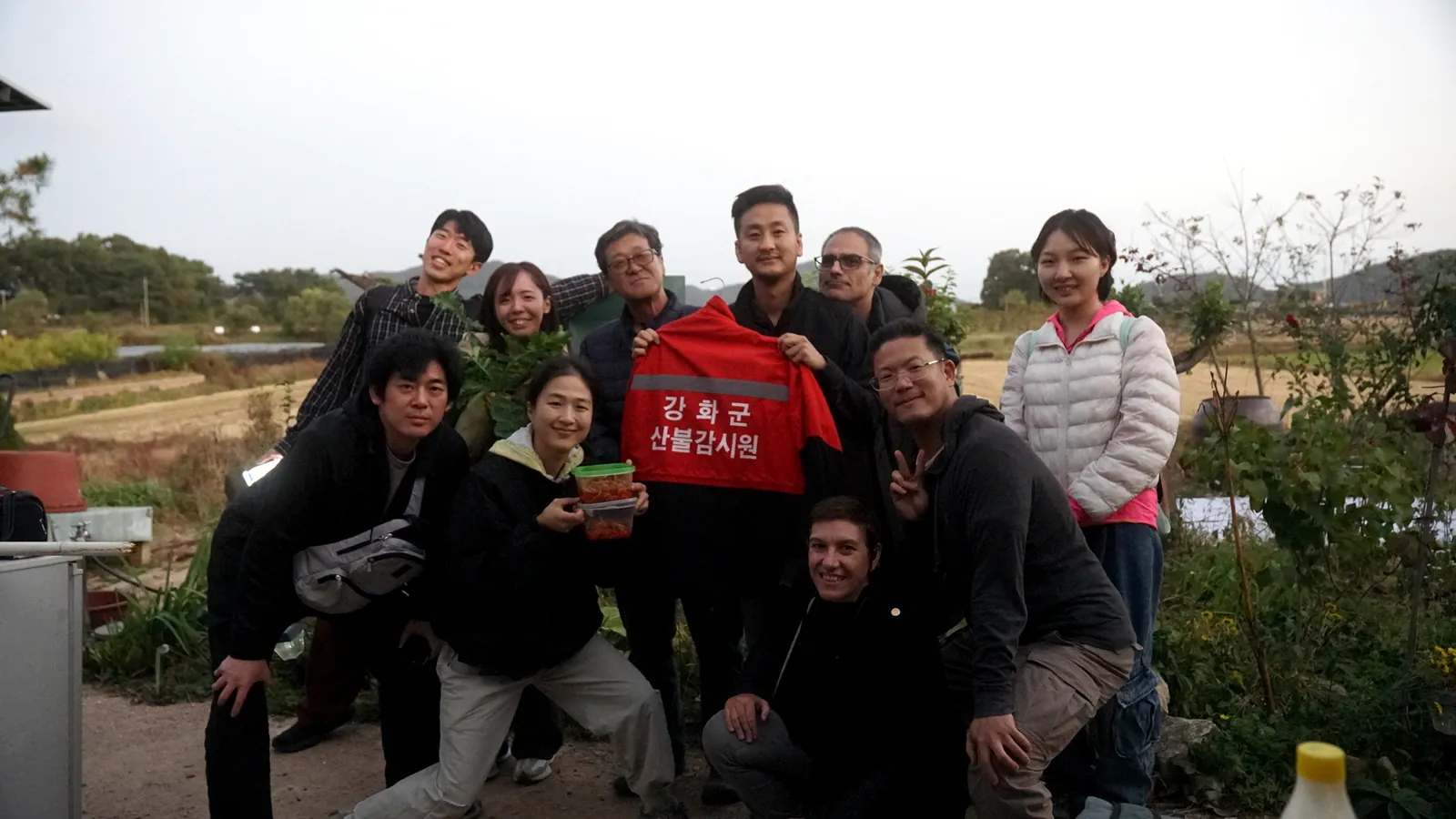
Artists from Korea, Italy, Singapore, Malaysia and Japan live and work on Ganghwa.
The people of Island of ⬡⬡ : Ganghwado 2026
A.N.D. Theatre
GANGHWA, KOREA
KangYun Minji · Kwon Keunyoung · Min Jaewon · Jeon Yunhwan · Jo Naetmul · Byun Junsub
A.N.D. Theatre is an arts company based on Ganghwa Island. Since moving to Ganghwa in 2018, it has created the Void Theatre and the Void Theatre Residency with fellow artists, exploring new relationships between the region and art. Its works include 〈Ganghwa Walk: Peace Document〉 (2023), a walking performance that follows the memories of displaced grandmothers from Gyodong Island, and the 〈Jamsiseom Theatre Festival〉 (2021–), where invited artists stay and make work on the island. Believing in senses that stay alive amid disappearance, the company keeps testing new forms of art on Ganghwa.
Yonrimog + Choi Youngdoo
GANGHWA, KOREA
Yonrimog began her music career with the indie rock band “Eyes Wide Open, Nose Cut Off” and has released albums for more than twenty years. She has raised two children on Ganghwa for ten years, in a life where art and daily life are not separate. After the “TanEmotion” project with Korean traditional instruments and years of scoring dance, theatre and film, she began working under her own name in 2023, including the telephone sound installation 〈Reminiscence of Reminiscence〉. She also runs the street music theatre group “umdalda” with her family. For her, music is an art of time that lingers within disappearance.
Choi Youngdoo plays guitar and makes music. Choi plays guitar in the band “Eyes Wide Open, Nose Cut Off” and composes for the project team “209km.” Under their own name, Choi is building the [Project] and [Record] series, which turn what they experience and feel in everyday life into the language of music. Seeking ideas with room to grow, themes that hold steady, and flexible methods open to diversity that can take any form, Choi is expanding their practice across music, theatre and video.
Teatringestazione
NAPLES, ITALY
Anna Gesualdi · Giovanni Trono
A multidisciplinary performing arts company founded in Naples in 2006 by Gesualdi | Trono, joined since 2007 by dramaturg Loretta Mesiti. Focused on sharing processes, the company works with people in fragile contexts, including prisons, migrants, the elderly and people with disabilities. Through Altofest, where citizens open their homes to artists for fifteen days, and Ilinea d'Aria (“Air Line Distance”), which reconnected depopulating mountain villages through performance and radio, it treats art as a social act that links people and places again.
Heewarae
GANGHWA, KOREA
Kim Narae · Lee Gunhee
A community-art collective led by visual artists Kim Narae and Lee Gunhee, working in planning, education and running a space since moving from Seoul to Ganghwa. Since 2020 they have turned to people and places that went unseen, such as migrant women, social workers and Ganghwa's dondae (coastal forts). Since 2023, on the small island of Achado, they walk, farm and cook with its aging women residents, practicing art as the “rhythm of daily life.” Their keyword is care: like trees and gardens growing where a fort's stones have crumbled, they look for the life that blossoms within disappearance.
Drama Box (Heng Leun)
SINGAPORE
A socially engaged arts company in Singapore that seeks social change through art. Founder Heng Leun served as artistic director for thirty years before handing the role to fellow artists, and now works as a curator, dramaturg and artistic director. For two decades the company has worked on “land, space and place,” making multilingual performances in libraries, housing estates and streets. Its long-term 〈Project 12〉 takes place on Pulau Ubin, an island twelve minutes by boat from the main island whose population fell from 3,000 to 28, exploring ecology, capital and time with its residents.
Chew Shaw En
SINGAPORE
Shaw is a performing artist, a maker who views the world from the body, and a facilitator of community-based art who connects people, spaces and communities. She works mostly with children from vulnerable families, whom she calls “hidden children,” treating invisibility as a precursor to disappearance. In one Singapore neighbourhood she ran a “Community Performance Night” at the same time and place every week for two and a half years, building a practice of embeddedness in place, practice and people. For her, art is “the most important thing, yet at the same time the least important thing.”
Orang Orang Drum Theatre
PENANG, MALAYSIA
Leow Hui Min · Leow Sze Yee · Chew Soon Heng
Founded in Malaysia in 2013 by Leow Sze Yee (Zyee) and Chew Soon Heng (Boyz Chew). Starting from the folk performance 24 Festive Drums, the group explores drum theatre, in which drummer-performers move between storyteller, musician and physical actor, with the interplay of sound and body as its core language. It has performed at festivals in France, Hungary, Australia, Poland, Taiwan and Korea, and is joined by Leow Hui Min, who studied performing arts in Bordeaux and Venice. Its current focus is the Shan-Ka-La Project, an orchard space that brings farming and performing arts together.
Sononochi
KYOTO, JAPAN
Kazuyo Nakatani · Miho Fujiwara · Moe Nagasawa
Sononochi is a group that works primarily in performing arts while incorporating elements of visual and modern art in Japan. Through unique staging techniques that connect the vast information contained within a space to the flow of time and memory within the audience, they present works that explore points of contact with society from a distinctive perspective. Their creative background is significantly influenced by nature and Zen philosophy. Rather than perceiving things as fixed meanings, they experience them as emerging within relationships and atmospheres, and an attitude that values the awareness born within stillness, such as silence and white space, forms an essential foundation of their work. Their pieces shine a light on “things that exist yet are often overlooked.” It is an attempt to reawaken sensitivity and empathy, qualities easily lost in this age of information overload, and to reexamine the meaning of “seeing and being seen.”
About Island of ⬡⬡ : Ganghwado 2026
When I first encountered the word “disappearing,” I felt that the vastness of its meaning was like the sea. At the same time, I thought of the ecosystem sustained by each of the small, everyday activities of the people who live on this island. So we decided to carry two instruments with us: a “telescope of time” and a “magnifying glass of time.” From where we stand now, we set out to observe both what lies as close to us as possible and what lies as far away as possible, at the same time. When we truly feel the presence of what is here now, perhaps we can turn our thoughts towards everything, without exception, from the vastness of the sea to the intimate details of Hyunsook’s everyday life. Surely, before long, the sunlight will find its way in.
Producer Group DOT
SEOUL, KOREA
Park Jisun · Song Miseon
A collective of performing arts producers formed in 2014, with creativity, independence and horizontality at its core. Alongside domestic productions, international co-productions and tours, it builds process-based work through theme-based research, residencies and networks. From 〈Connected City〉 (2017–2021), which looked at what is disappearing in Seoul's old centre, and 〈DMZ Research〉, to the Artists' Residency – Climate Change with Arts Farm Tutbat in Hwacheon (since 2020), the Ganghwa project continues DOT's exploration of borders, friction, connection, the climate crisis and what is disappearing.
Bus from Seoul · Sun 8 NovLeaves Hapjeong Station Exit 2 at 11:00 · leaves Ganghwa at 19:00 · 45 seats · sign up only if you take the bus. Otherwise just come, no sign-up needed.
13:00 leave Ganghwa Bus Terminal → 16:00 arrive at Space And, along the coast path. At 18:00, Teatringestazione’s first funeral takes place at Space And. Sign-up needed.
10:00 leave Space And → Heewarae → 15:00 arrive at Gukja & Jugeok. Walkers can join Sononochi on the spot in the 15:00–16:30 slots (remaining places). If you are not walking, come straight to Gukja & Jugeok any time 9:00–17:00. At 19:00, the second funeral takes place in Hwanggu’s yard. Sign-up needed.
10:00 leave Hwanggu’s house → 15:00 arrive at the Void Theatre. Looking Out for All @Dondae by Heewarae × Orang Orang Drum Theatre × Kok Heng Leun × Chew Shaw En takes place at Odu Dondae, 13:00–15:30. No booking needed, just come along. Then one continuous flow: 16:00 third funeral outside the 7-Eleven → 16:45 installation and final rite at the Void Theatre → 17:30 Sononochi on the mudflat → 18:10 Yonrimog + Choi Youngdoo’s About Things at Huae Dondae. No booking needed for any of them.
Tap a title to jump to the programme. More programmes will be announced one by one.
Open programme 01 · A.N.D. Theatre
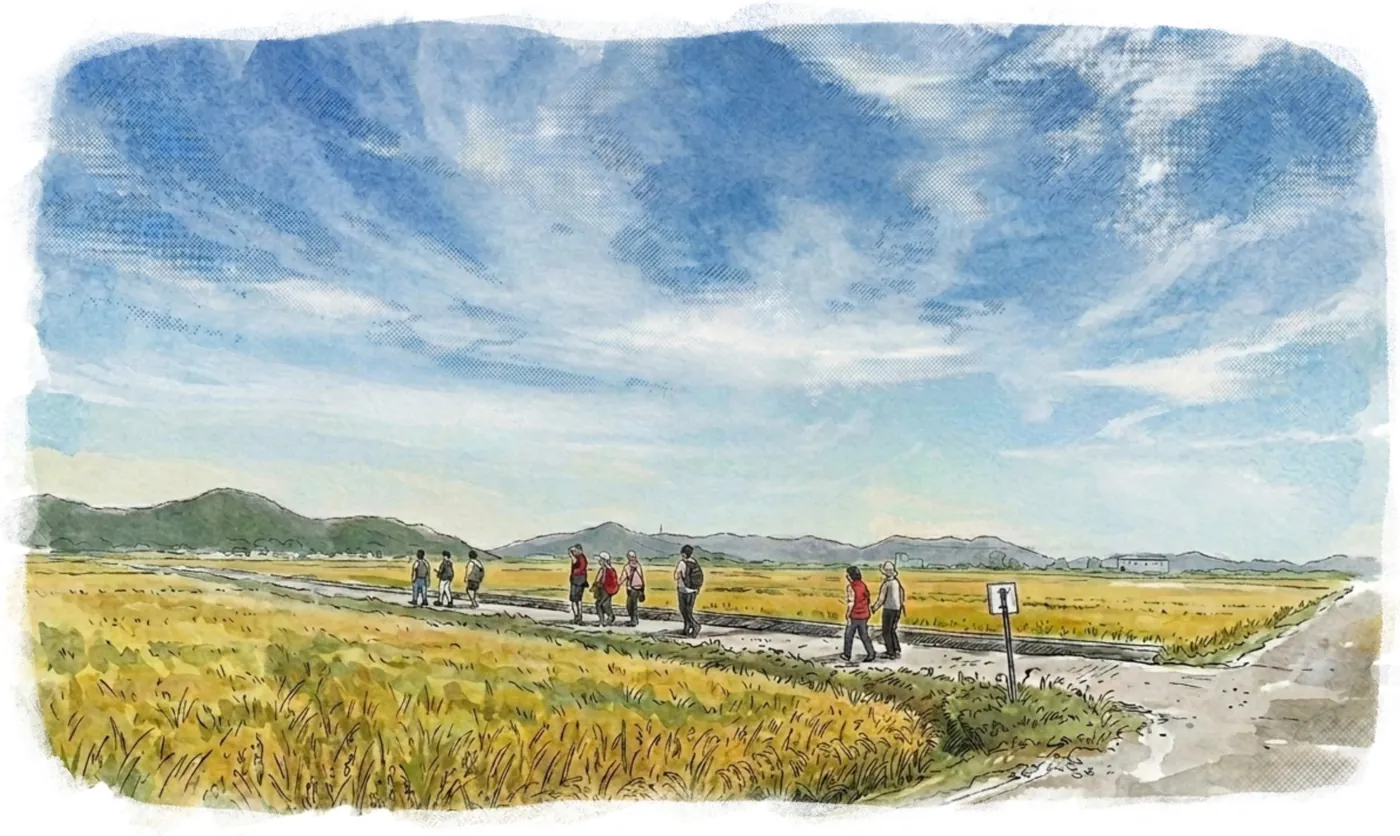
Walking as Witnesses to Disappearance
Because that’s what theatre is
Fri 6 – Sun 8 NovA three-day walk from Ganghwa Bus Terminal to the Void Theatre
“If Ganghwa and we were to disappear, what would we want to do?”
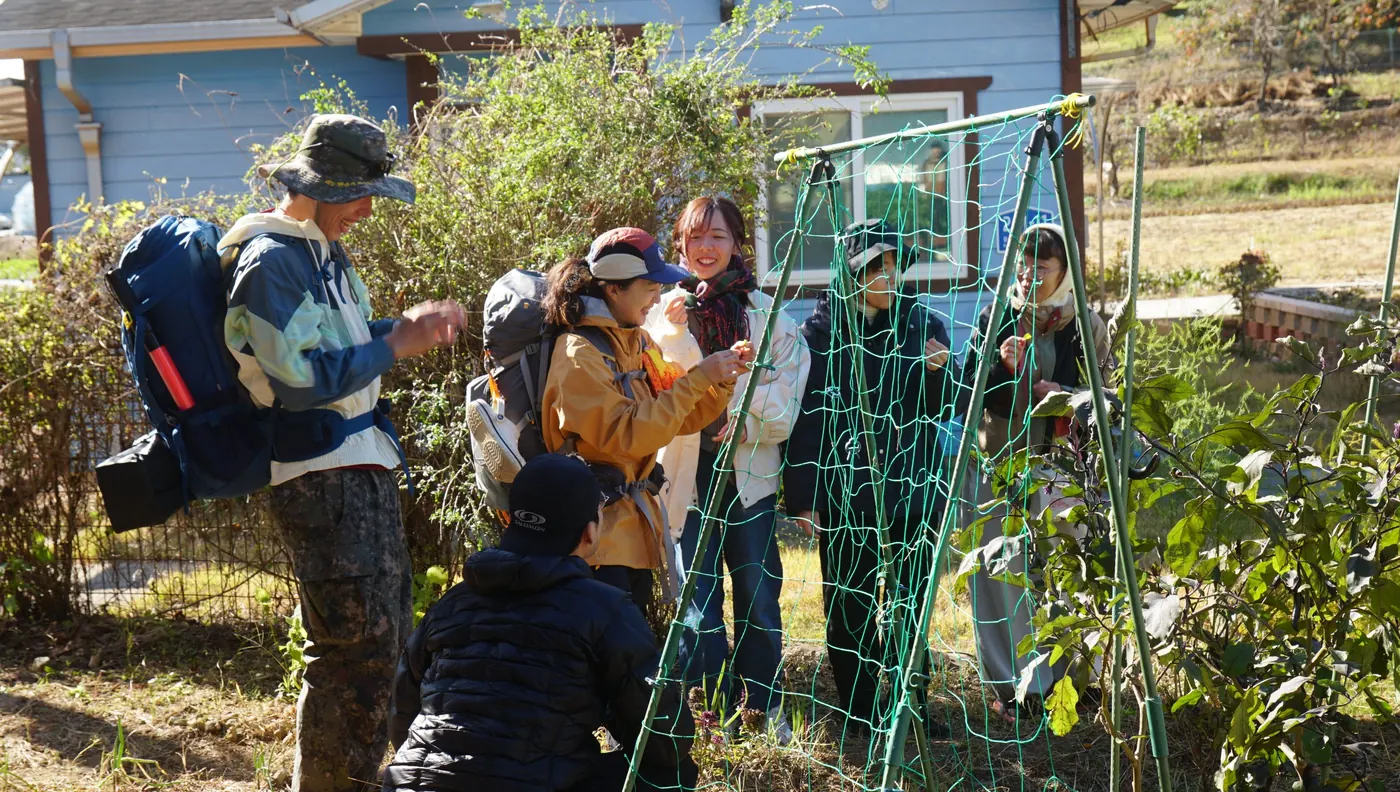
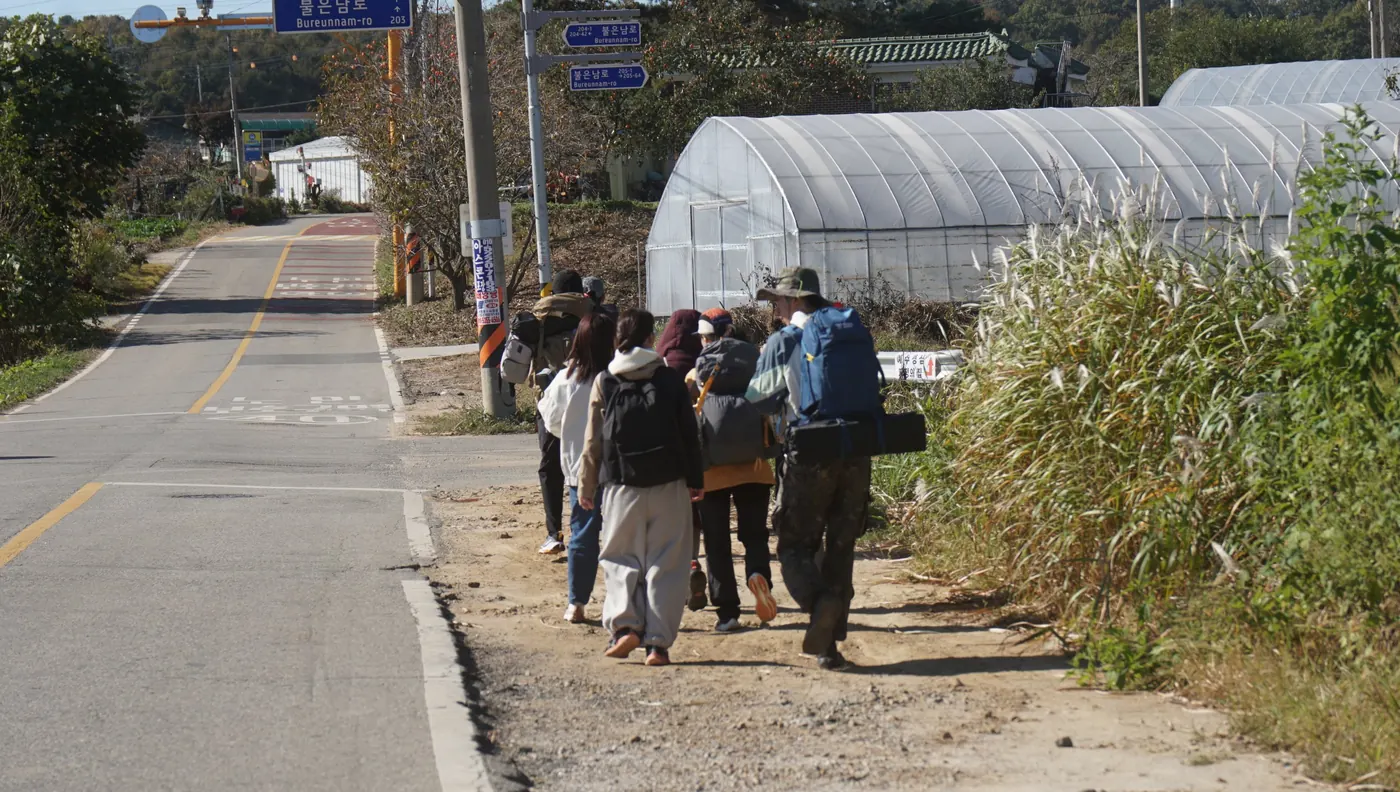
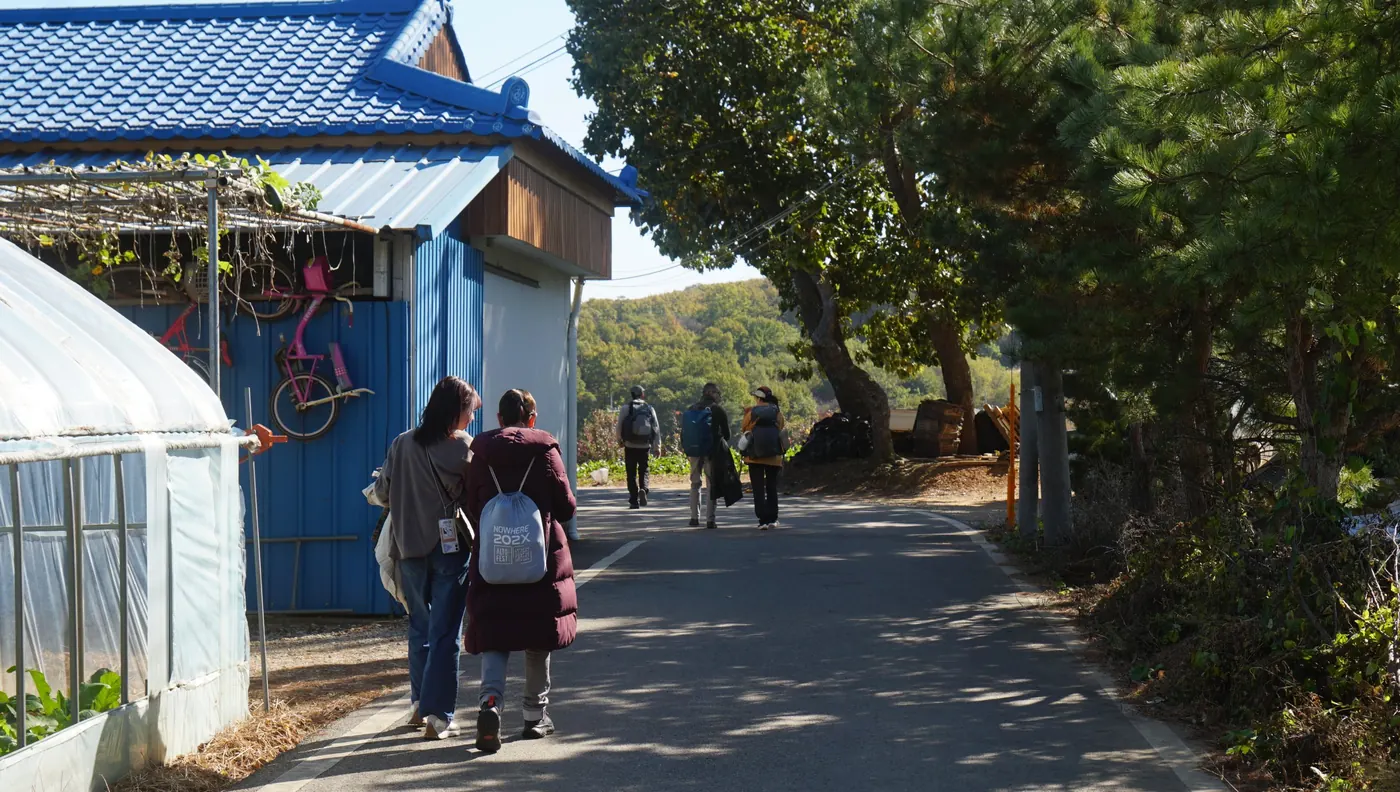
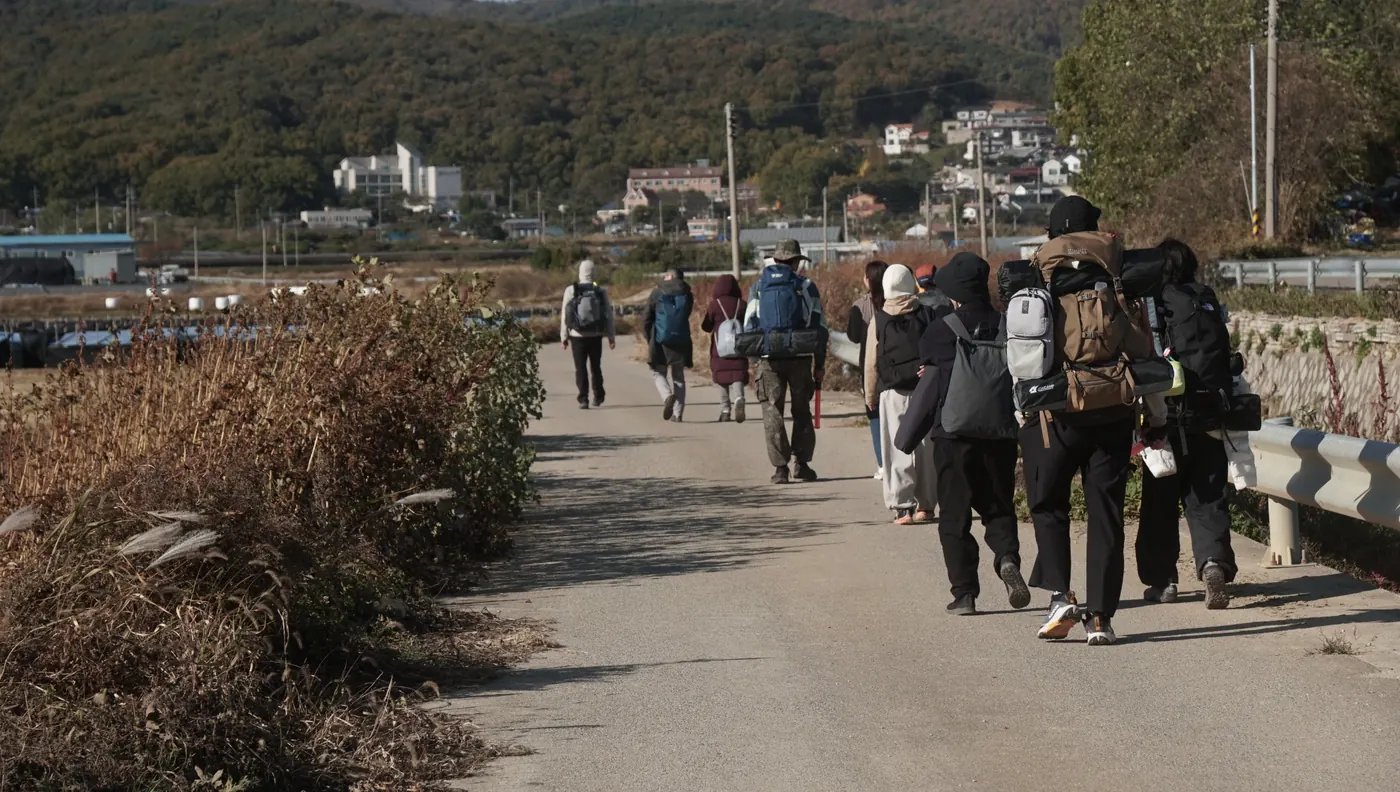
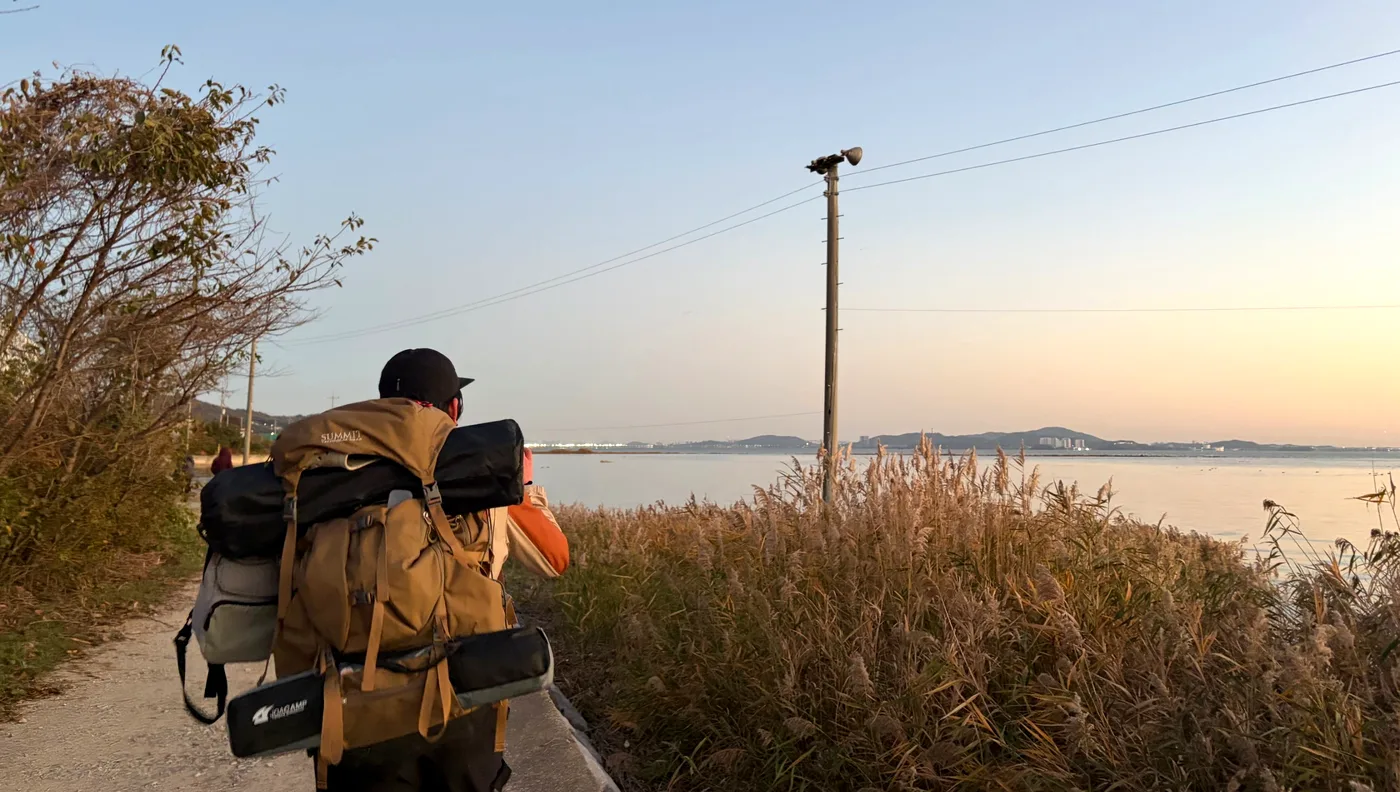
Holding this question, A.N.D. Theatre will walk across Ganghwa for three days. Carrying backpacks, we will walk, stay, sleep, say our last goodbyes to neighbours, and meet the night and the morning.
Our work of making time to stay together on Ganghwa began at Space And, a home that shares one of its rooms with artists. That small gesture grew into the Jamsiseom Theatre Festival and the Void Theatre Residency. We have made time in which nothing has to be produced right away, time to rest, to walk and to share each other’s daily lives, and we have invited audiences into it.
On Ganghwa, an island facing population decline and ageing, the climate crisis, national division and military tension, we are asking about the future of this place and about what art can do. What is clearly beside us that we have not yet fully sensed? Which beings and relationships have we failed to look back on, even knowing they may disappear?
This time we want to sense the time of disappearance through the act of walking. We will go through the sunset, the deepening dark and the dawn together. As one day disappears and the next is given, we want to ask what we have lived with, and what we want to care for from now on.
We invite you on this three-day journey. Let’s walk, eat, sleep and greet the morning together. To imagine a time that has not yet come, to stay inside it together, and to look again at the life we live now. Because that’s what theatre is.
How to join
Choose the part of the journey you would like to share. You can walk for a day, stay for a night, or come for all three days. Along the way, you can also see or take part in the work of the other artists staying on Ganghwa.
Fri 6 Nov, 13:00–16:00Ganghwa Bus Terminal → Space Andabout 11 km
Sat 7 Nov, 10:00–15:00Space And → Heewarae → Gukja & Jugeokabout 11 km
Sun 8 Nov, 10:00–15:00Hwanggu’s house → The Void Theatreabout 7 km
* Times may change.
The lines show only the rough direction of the walk; the actual paths will be guided on the day. Tap a place name to open it in Google Maps.
When will you walk with us?
Choose one, two or all three days. Just come to the starting point in time for that day’s departure.
Will you stay the night?
You can head home after the walk, or spend the night in a tent. Nights are spent camping out in tents. Choose one or two nights to share the evening with us and wake up to the next morning together. Walk for one day, walk and stay a night, walk two days, walk two days and stay one night, or walk all three days and stay two nights: join in whatever way suits your schedule.
What about backpacking gear?
You are welcome to bring your own tent, mat and sleeping bag, or borrow them from the organisers. You can join even if you have no gear.
What about meals?
We will eat together at restaurants along the way. Each person pays for their own meals.
Choose the days you will walk and the nights you will stay, and join this journey for as long as you can.
A Homeland We Cannot Return To, and a Woman Who Shares the Seasons Here
Sat 7 Nov, 9:00–17:00Gukja & Jugeok · break 12:00–13:00
Look at the landscape before you. How did it come to be here, and what has shaped it into what you see today?
We have followed questions like these, turning our attention to the unseen layers of time and memory that have quietly accumulated in a place.
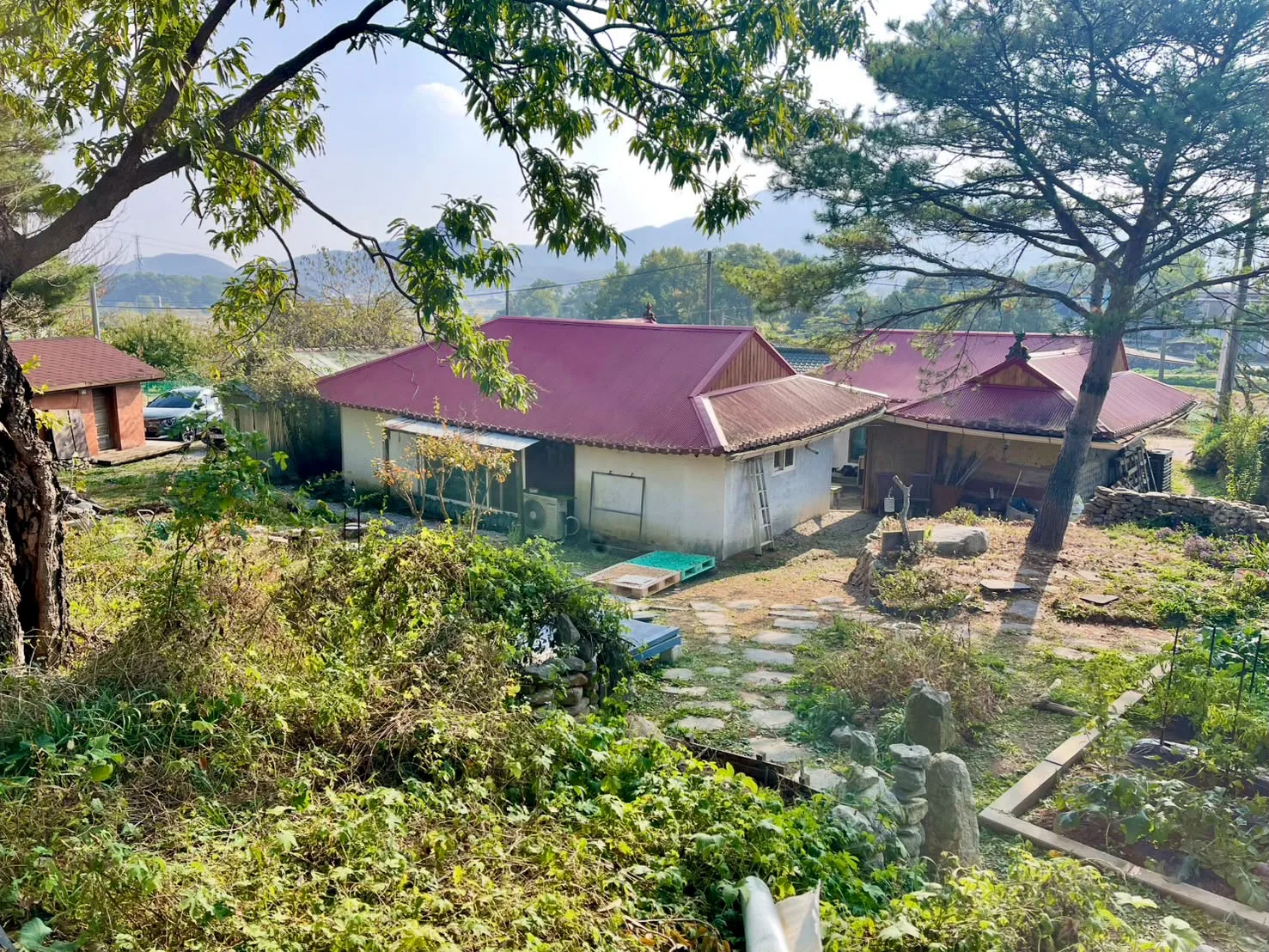
Daeheung Village, where we are now, was once known by a different name. As development has transformed the landscape, some things have gradually disappeared, while other memories have remained, quietly held within the land. Hyunsook of Gukja & Jugeok shared with us her experience of losing her hometown to development. She also spoke about how precious it is to have a place where memories remain, a place you can always return to.
Daeheung Village is not where she was born. And yet, having lived on this island for nearly twenty years, she says that whenever she returns here she feels a deep sense of comfort, as though she were returning to her true home. Her warm smile made us feel welcome, as though we, too, had come home.
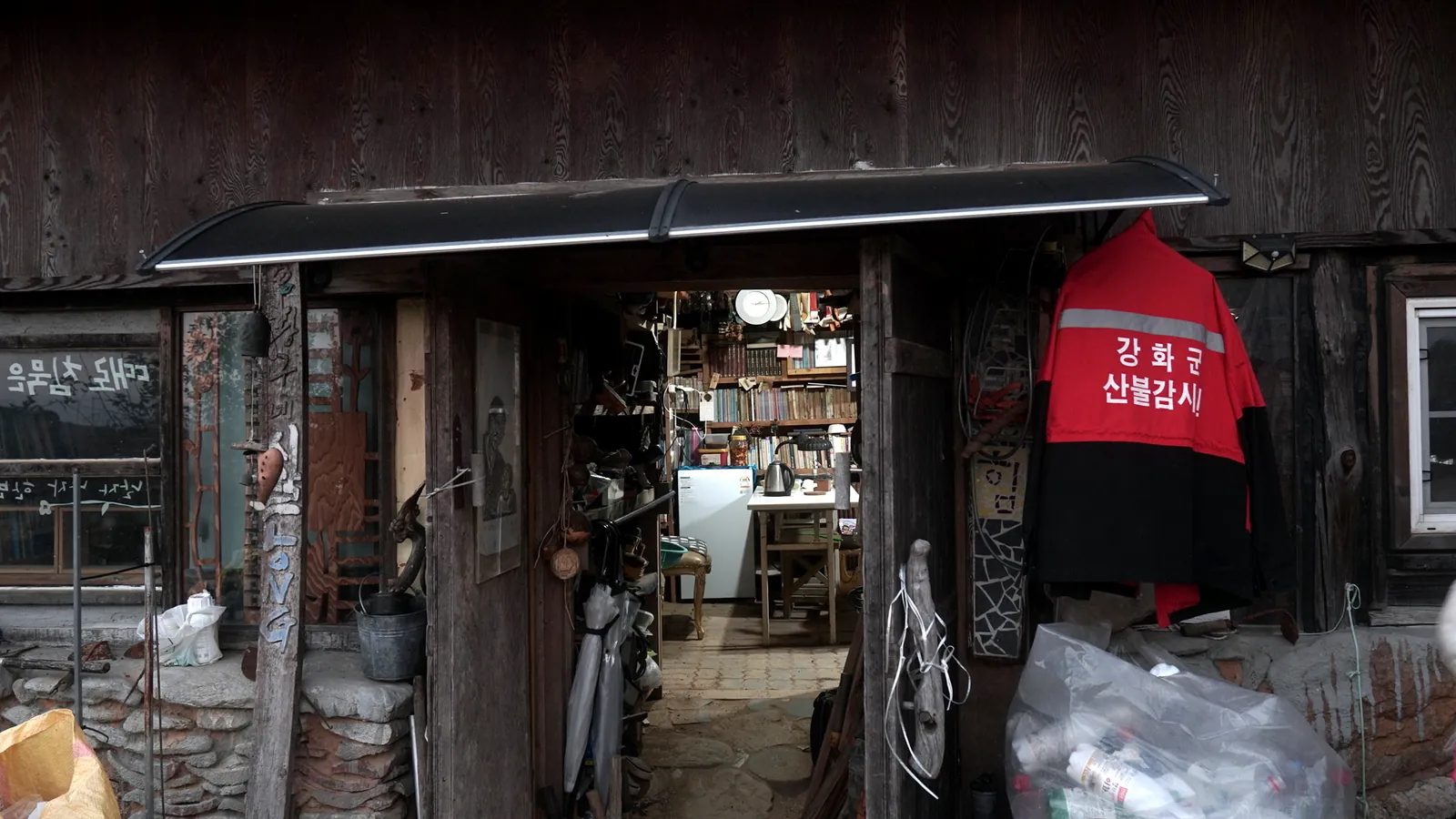
There are always books around her, carefully tended fields and the sound of warm laughter. No matter how quickly the times may change, the time people have spent in a particular place, and the memories intertwined with it, live on. Meeting her reminded us that even as we carry memories of places we can no longer return to, we can still find beauty in the place where we are now, and let the seasons unfold around us.
This work takes shape through an interview with Hyunsook and the precious moments we shared at Gukja & Jugeok and in the surrounding area. To all the people of this village who met us and shared their time with us, we offer our heartfelt thanks.
How to join
StartsOn the hour and half hour (break 12:00–13:00)
DurationAbout 20 minutes
Places1–4 people per slot. Up to 2 places per slot can be booked; the rest are offered on the day. Each booking is for one person and one slot only.
The routeEntrance (sit on a bench and listen to the wind chimes) → kitchen (drink tea) → inside the bookshop (look out of the window) → garden (watch her daily life)
かつてここテウン村は、今とは違う名前で呼ばれていました。開発によって土地の風景が変わっていくなかで、失われていくものと、変わらず残り続ける記憶があります。Gukja and Jugeokのオーナーであるヒョンスクさんも、開発によって故郷を失った体験について話してくれました。そして、記憶が残っていていつでも帰ることのできる場所があるのは素敵なことだとも。テウン村は、彼女の生まれ故郷ではありません。それでも、20年近くこの島で暮らしてきた彼女は、ここに帰ってくると、本当の故郷に帰ってきたかのようにとても安心するのだといいます。そして、彼女の笑顔は、まるでここが私のふるさとであったかのように来訪者の私を受け入れてくれたのでした。
Open programme 03 · Heewarae × Orang Orang Drum Theatre × Kok Heng Leun × Chew Shaw En
Looking Out for All @Dondae
모두를 위한 망보기 @돈대
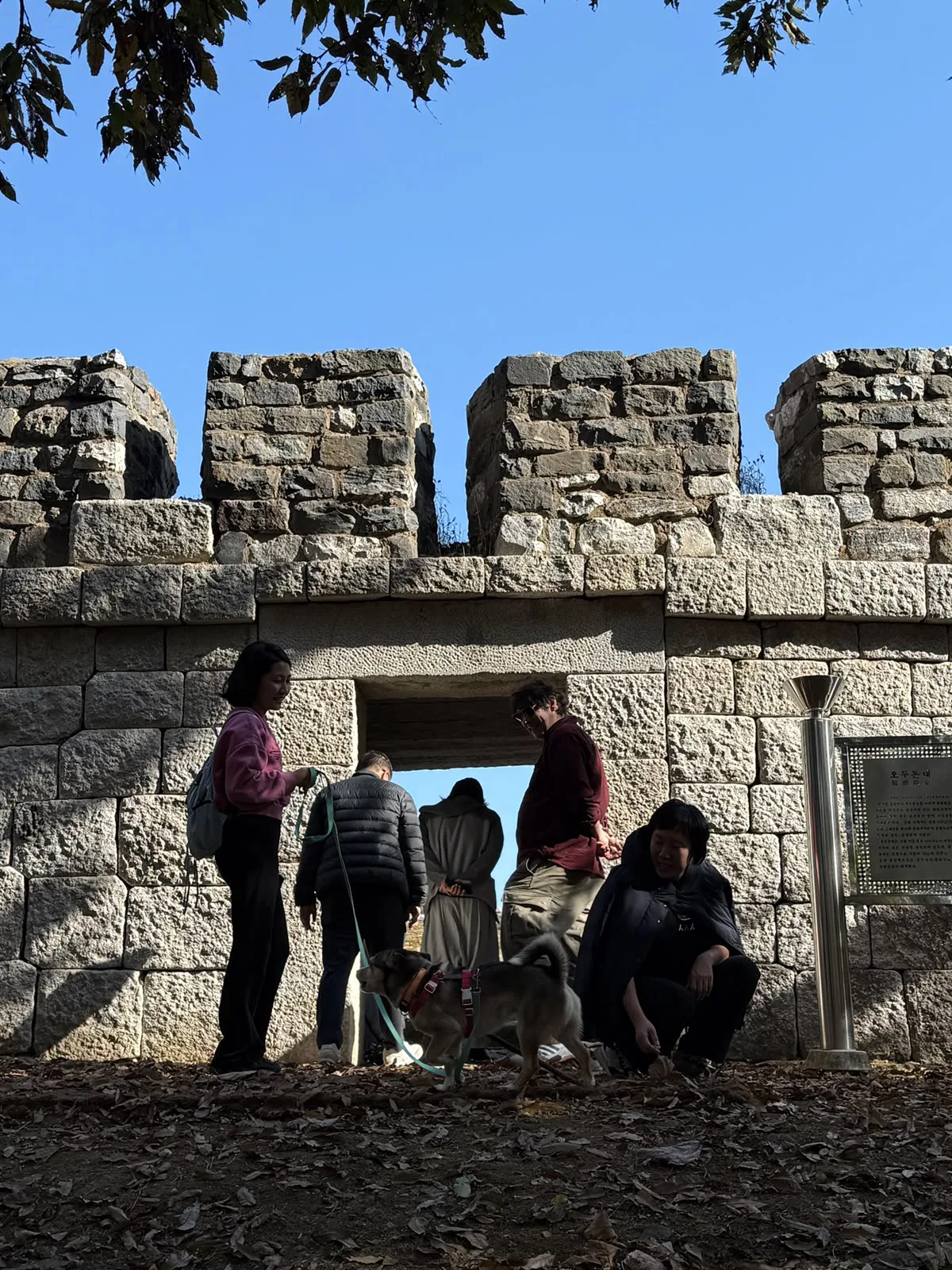
Sun 8 Nov, 13:00–15:30Odu Dondae, Ganghwa
This project brings together artists from Korea, Malaysia and Singapore, who gathered on Ganghwa Island to research disappearance and create work together.
In the past, soldiers defended against enemies and kept watch. What should we be watching for now?
In difficult times, disappearance accelerates, and it is a phenomenon that appears in many different forms all over the world.
We met farmers, children, musicians, pension owners and elders who have lived on Ganghwa for a long time. We listened to stories of the disappearance of people and places, and of cultural practices such as pumasi (mutual help among neighbours). We heard how a bridge built for convenience has changed the marine ecosystem and caused the mudflats to disappear. We heard about the disappearance of the memory of believing in Santa Claus, and about a body that no longer aches and the labour it once did.
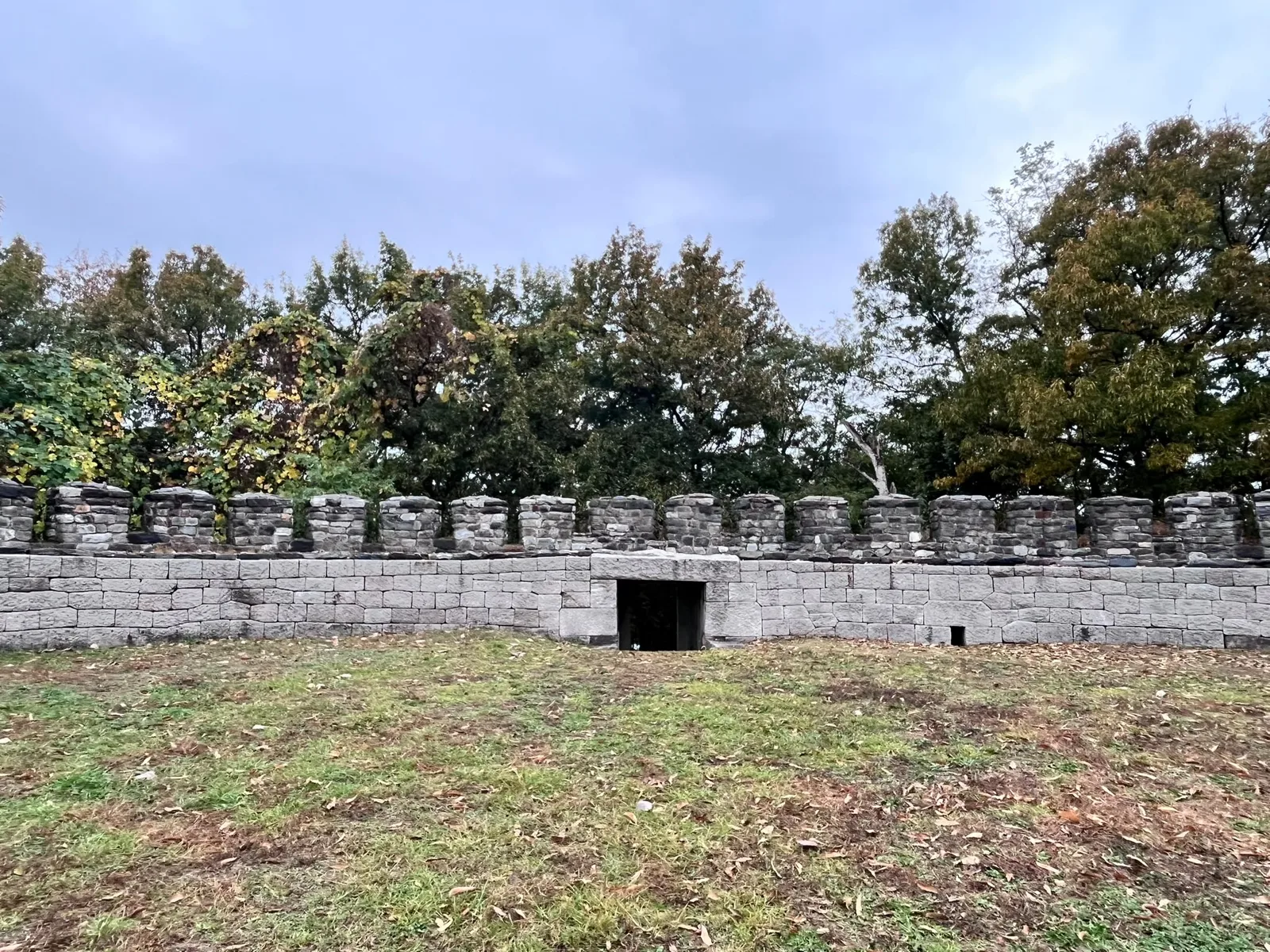
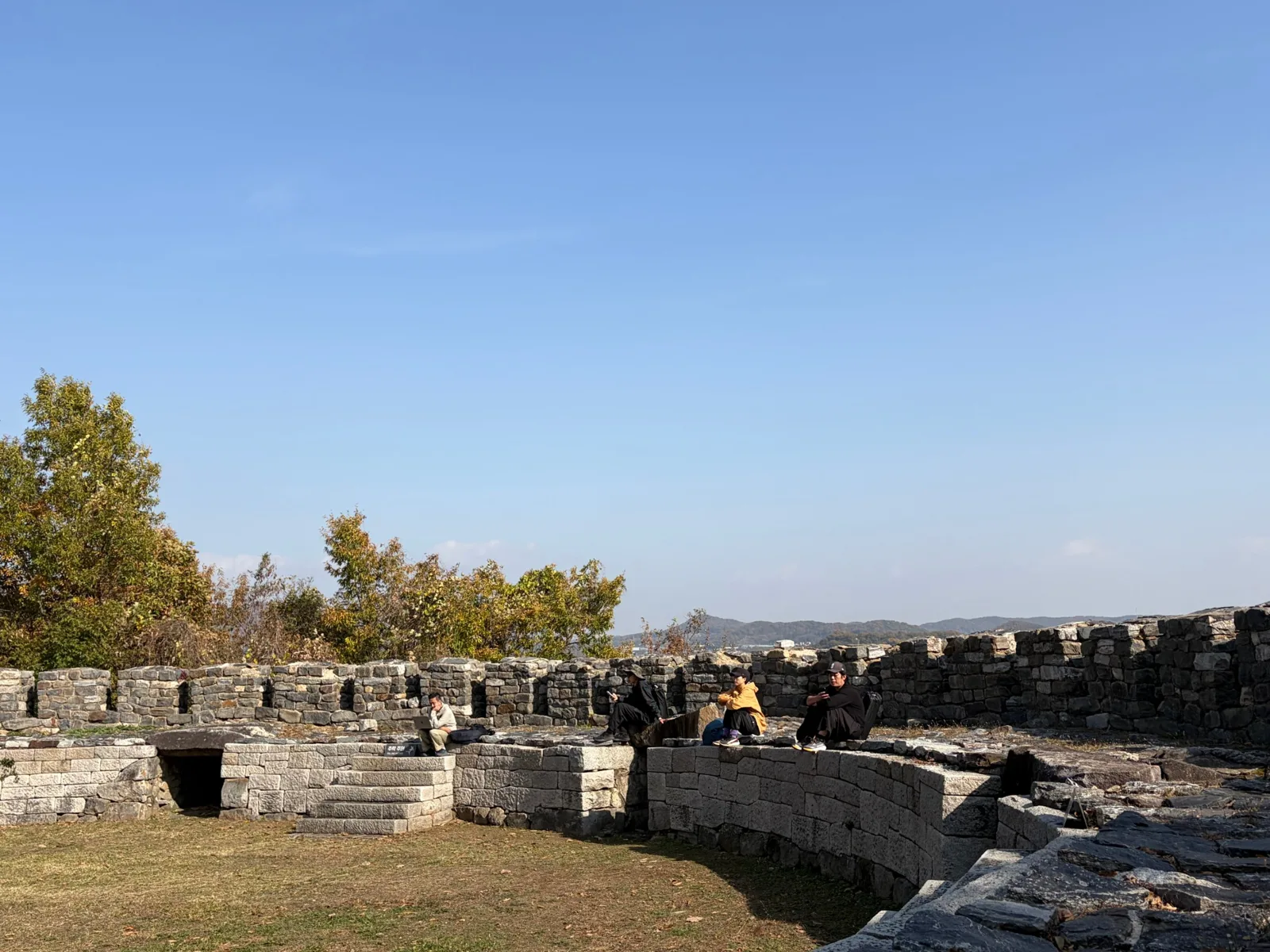
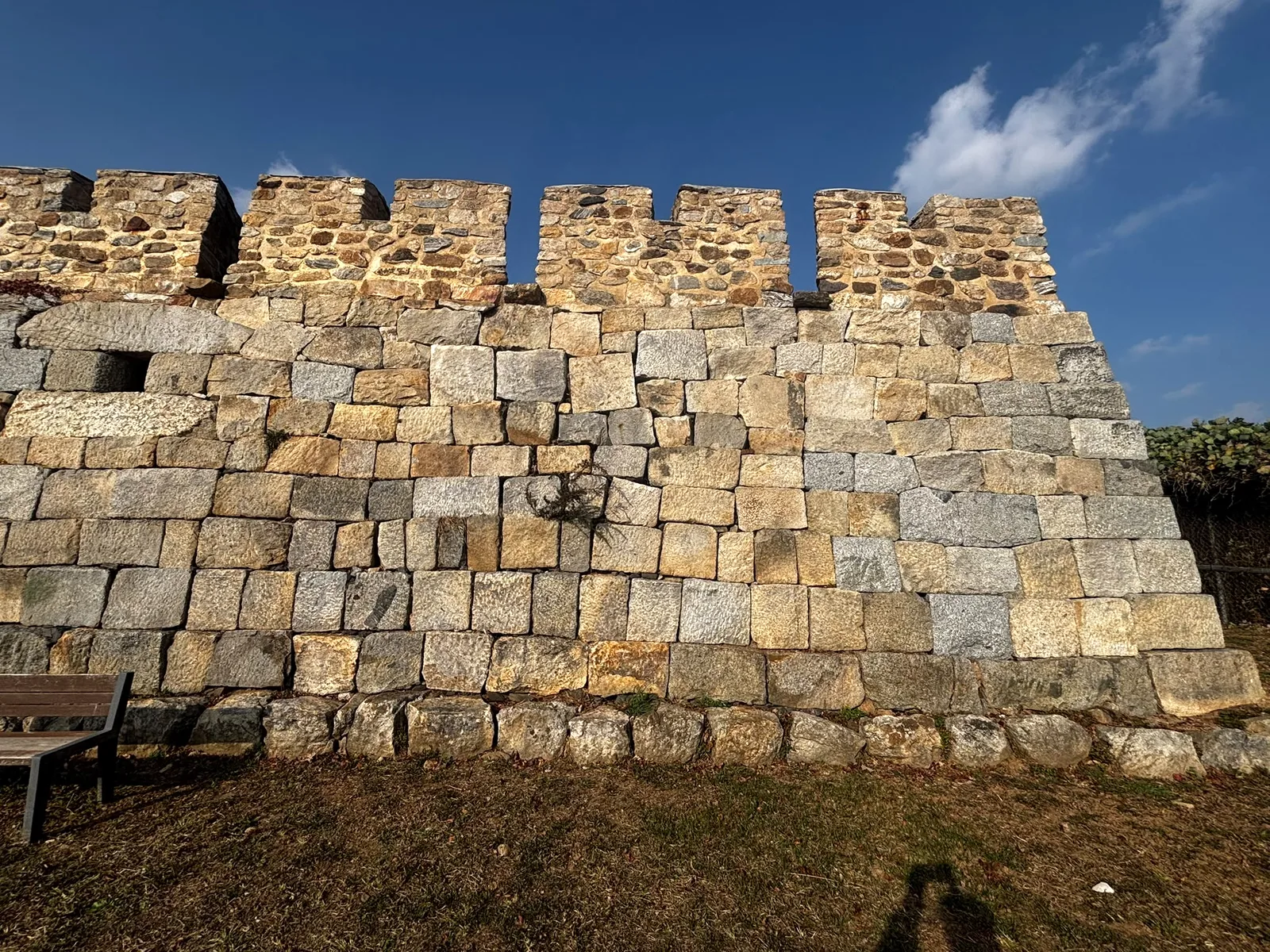
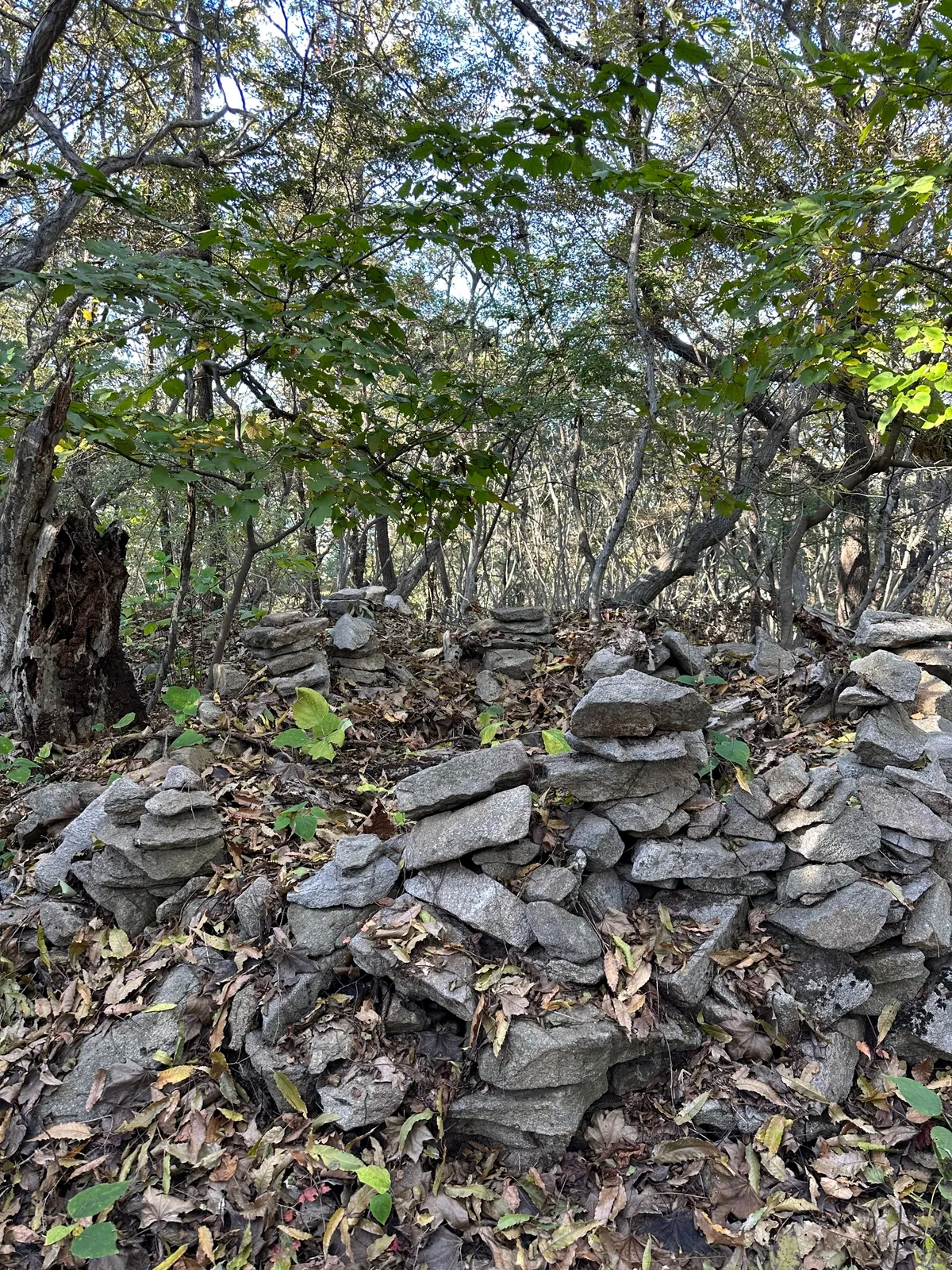
We also went looking for the dondae that had been left neglected. The beacon towers stood abandoned in the cold, yet trees and grass grew thick around them. Every act of disappearance brings a new appearance. So when is disappearance good, and when is it harmful?
Standing at Odu Dondae, listening to its history and to how its importance is fading from people’s everyday lives, we asked ourselves: in the past, soldiers defended against enemies and kept watch. What should we be watching for now? Do we only grieve after a disappearance is over? We began to think deeply not only about the disappearances that have already happened, but about the present moment.
Rather than mourning what has happened, what can we do while disappearance is going on, constantly, right now?
In response to this research, we decided to collaborate, as an act of being together with one another and with the local community. Let us all come together in the act of keeping a lookout.
Works by artist
Heewarae
Installation Time Sitting in the Garden
An installation drawn from the stories of the local communities met during the research, holding a community that is fragile yet resilient. It is a symbol of jeong (affection), and a complex textile that connects each story of longing and hope. Drawing on Heewarae's research into the dondae, the work also tells of their own relationship with the dondae.
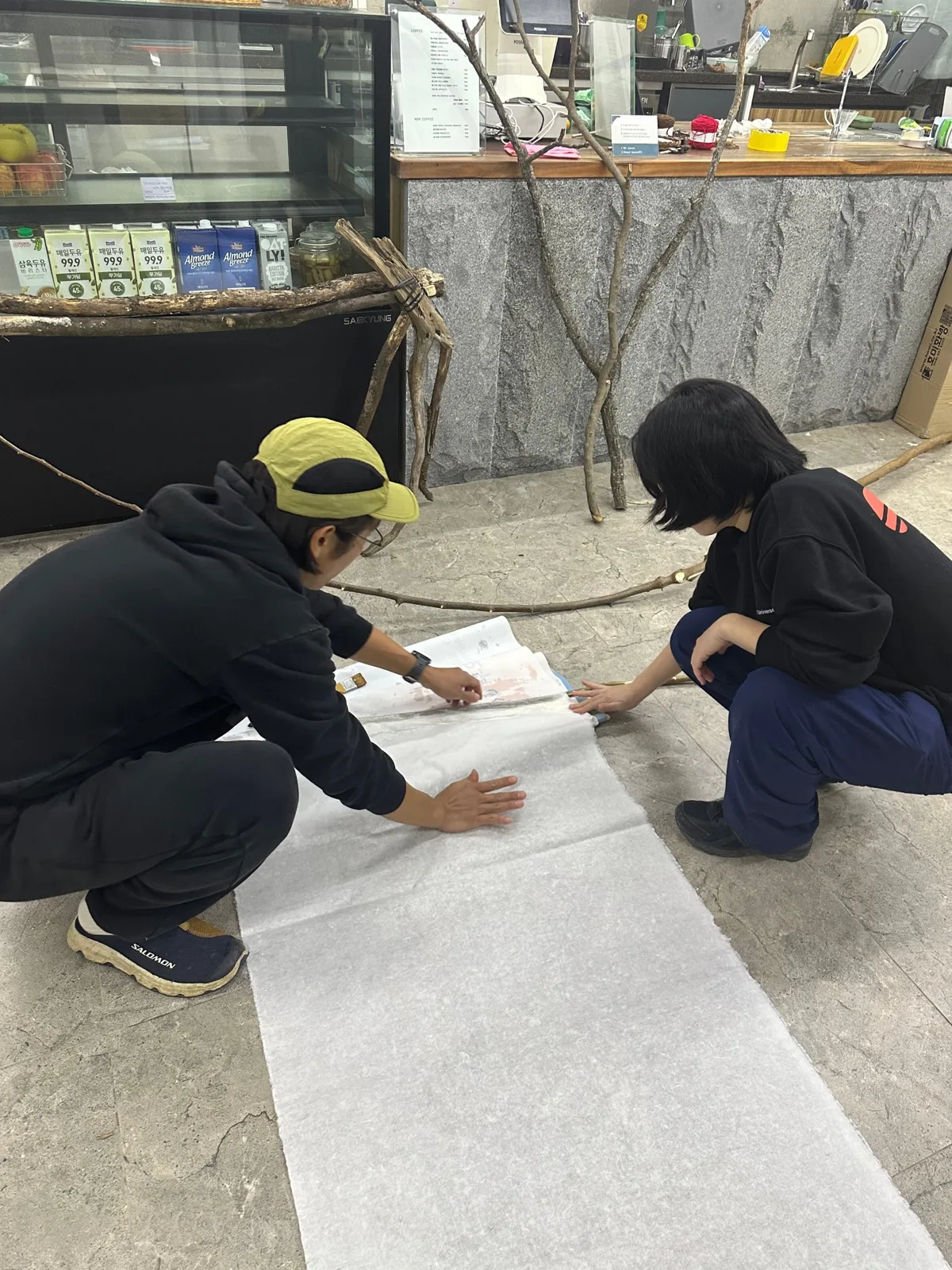
Installation Time Sitting in the GardenWe share stories with the many people we have met on Ganghwa. Listening to their memories and lives, we come face to face with the time that humans and non-human beings, nature and places have passed through. Where the stories of different beings cross, disappearance comes to us not simply as vanishing or an end, but as a process in which relationships, built up and entangled over a long time, change.Fine threads link one cannon port of Odu Dondae to another, revealing invisible lines of relation that join different spaces and beings. Cannon ports, built to watch and defend against the outside, are turned through the thread into passages that connect us, into mediators of relation. Sheets of hanji holding someone’s story wait for the audience to step in and choose. They add new meaning to relationships that already exist, and look towards further connections and stories.Different beings live out their own times, yet they constantly seep into and affect one another. Some things disappear, some are left behind, and some carry on in another form. In the gaps of that change, we ask what is disappearing, and what remains and what newly emerges in the process of disappearance.We hope this becomes a place to listen to one another’s presence and to follow the threads of relations we had not yet noticed.
Chew Shaw En
side by side: 3 stories on disappearance
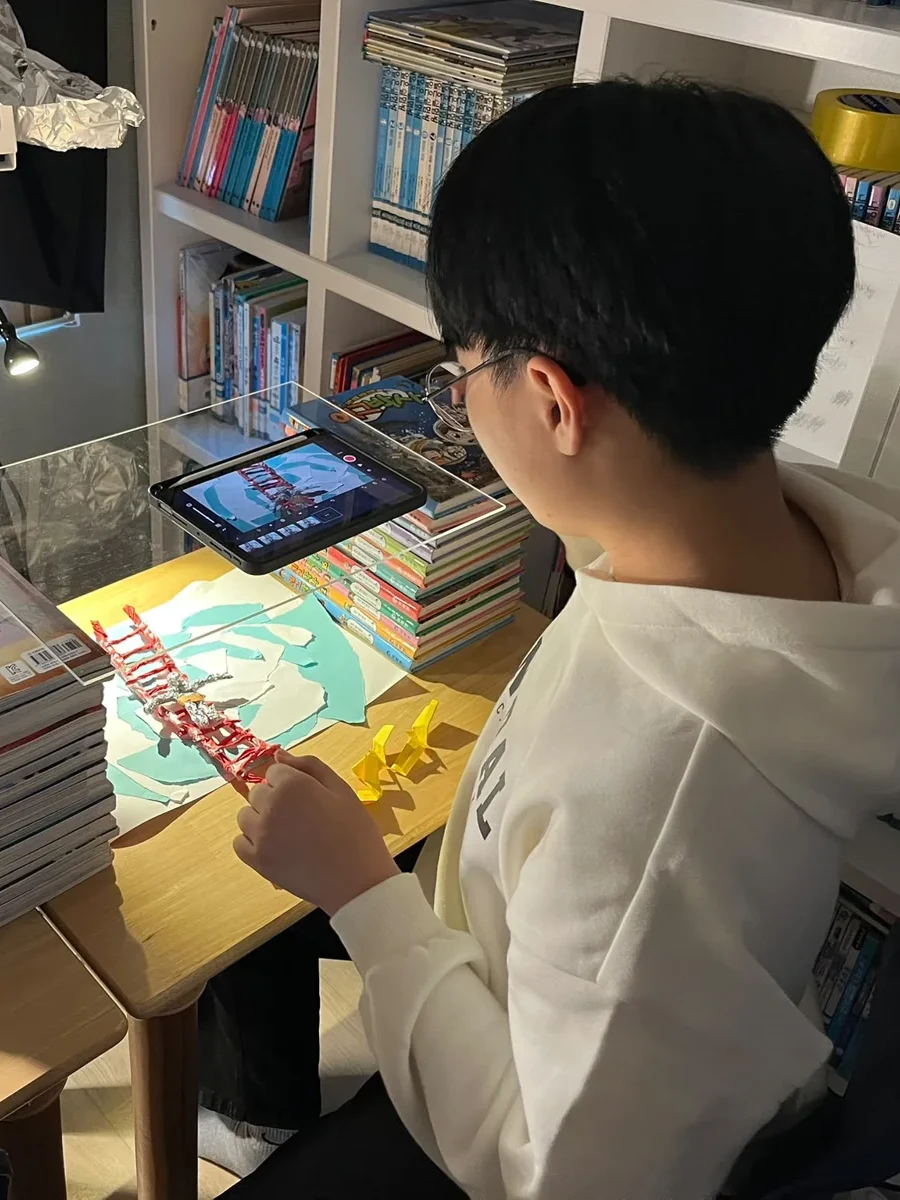
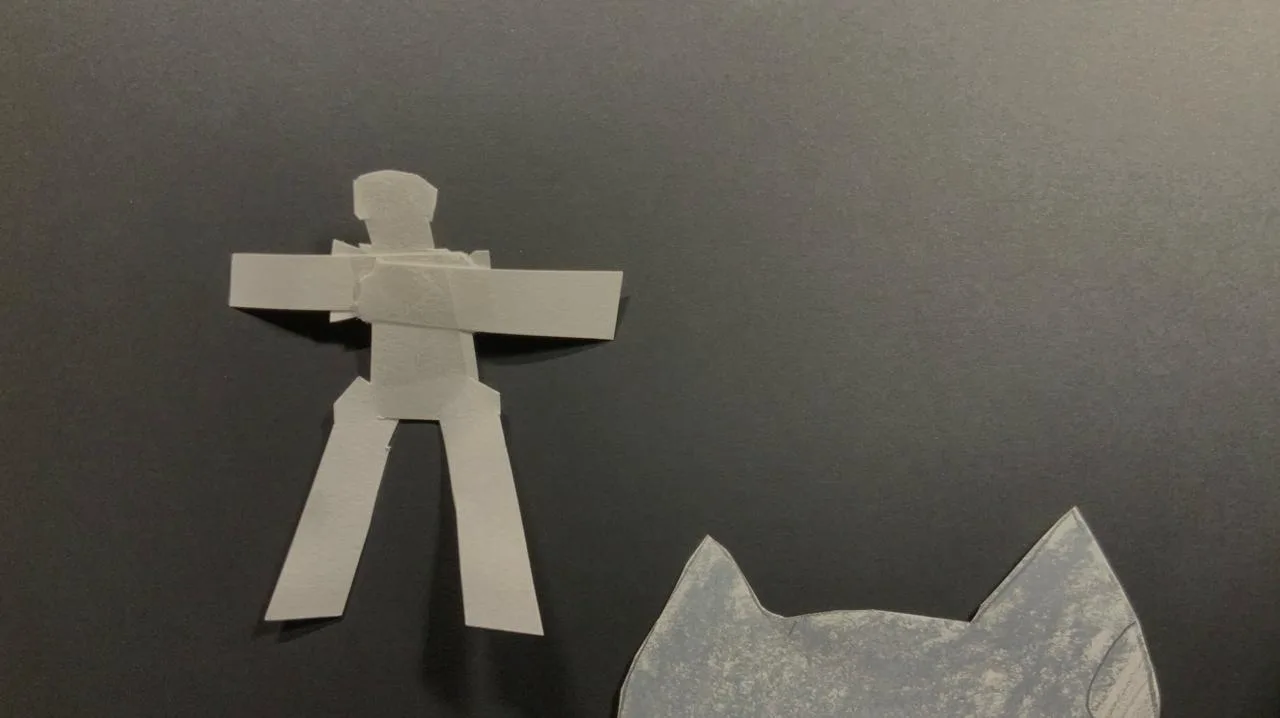
An animation titled Story on Disappearance, made with the children we met from their own stories of disappearance, asking what comes after every goodbye. Children taking part: Gu Siwan, Kim Minkyung, Oh Yohan · in collaboration with Heewarae
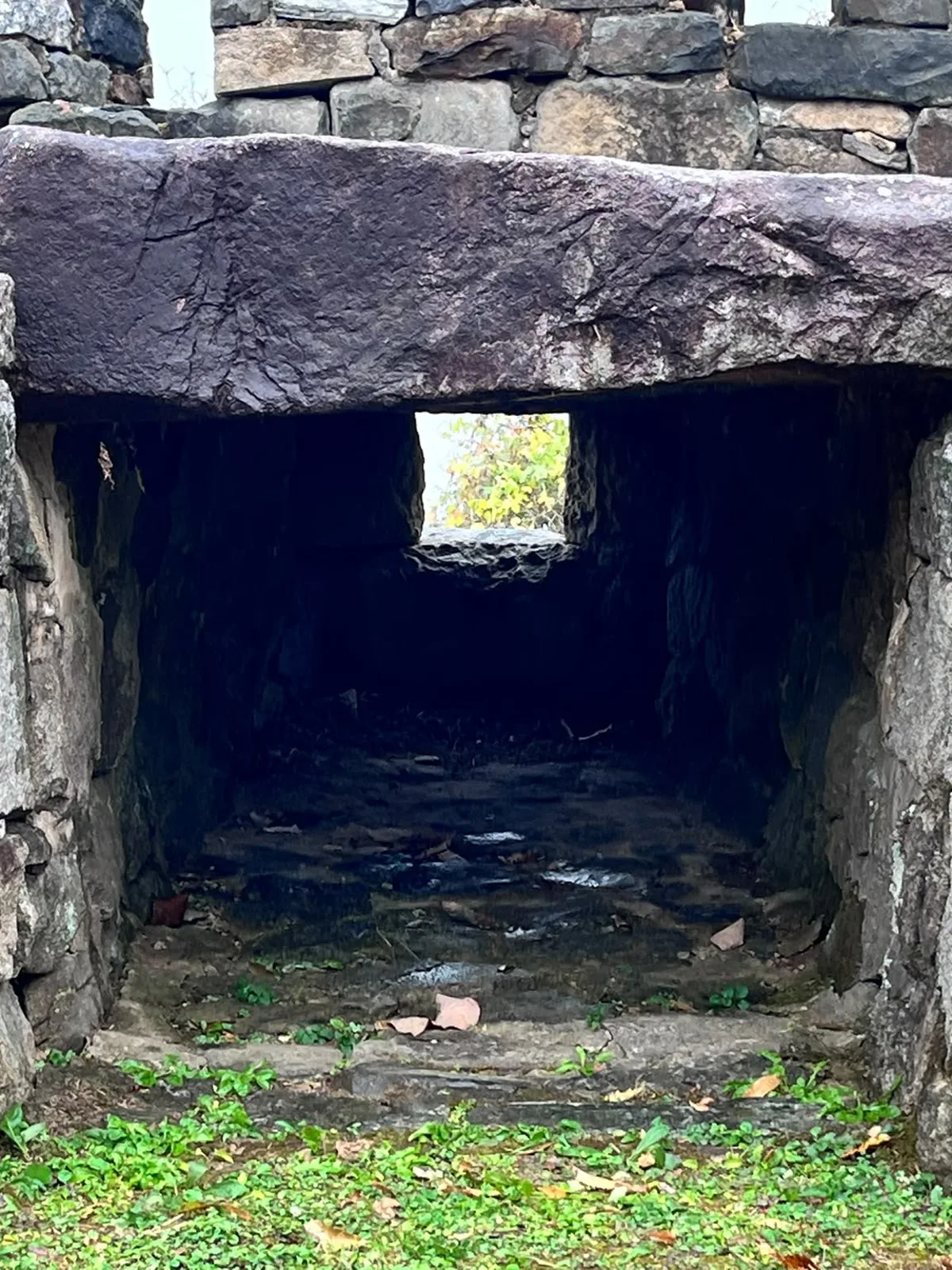
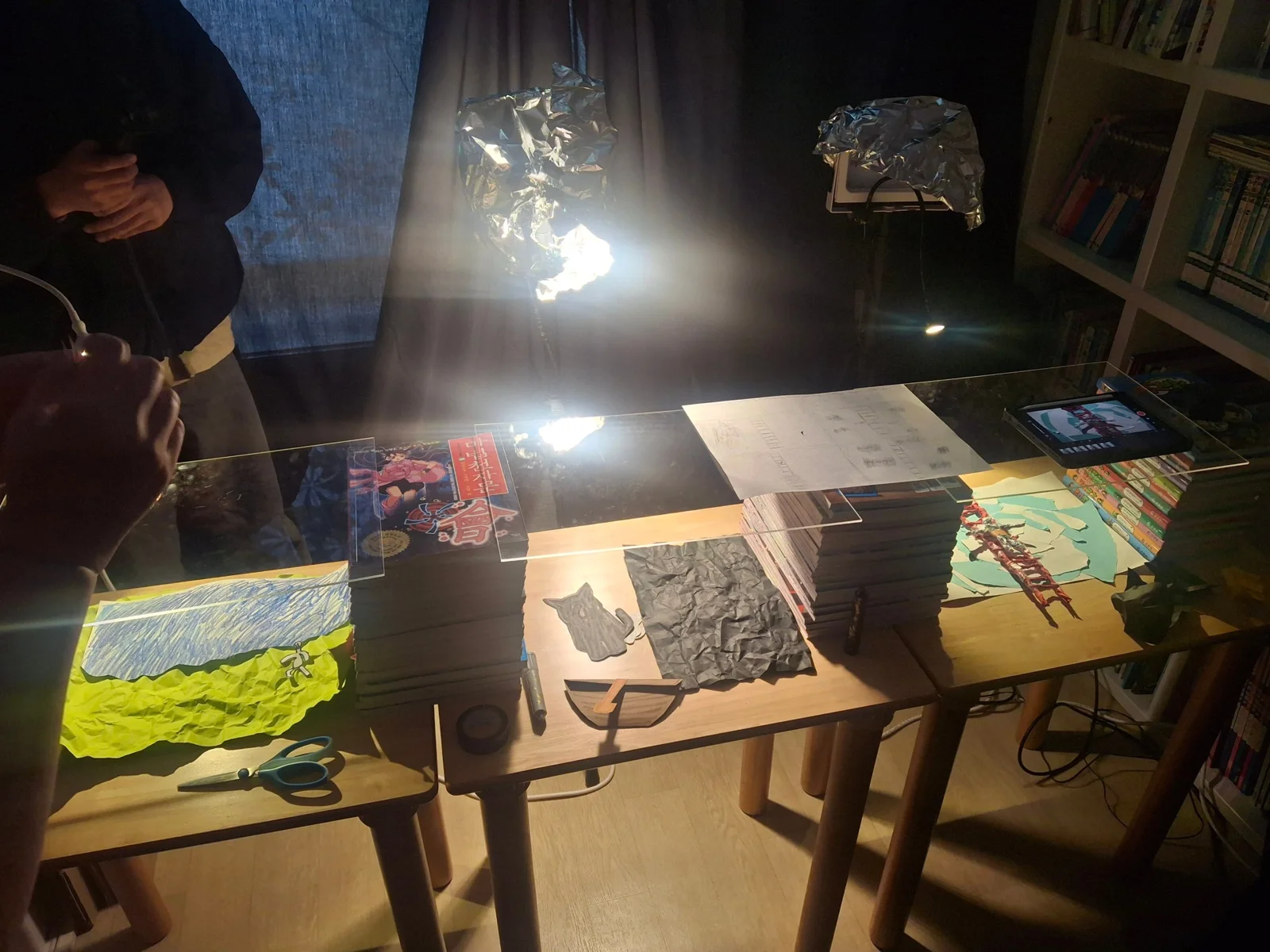
side by side: 3 stories on disappearance3 kids from Ganghwa share their stories of disappearance. Visitors can lower their head and enter the embrasure and sit for a while to take in these stories made with stop motion animation. Accompanying these stories is also an invitation to write your story of disappearance. This project is a collaboration with Heewarae, Yonrimog and a co-creation with children from Areumdaun Local Children’s Centre in Ganghwado.To Everyone · Kim Minkyung Berry’s Gaze · Gu Siwan As If It Never Was · Oh Yohan
CreditA project by: Chew Shaw En In collaboration with: Kim Narae, Lee Gunhee Stories and Stop Motion Animation by: Kim Minkyung, Gu Siwan, Oh Yohan Sound Design: Yonrimog Editor: Chew Shaw En Community collaborator: Areumdaun Local Children’s Centre Special thanks: Lee Jeong Yeon, Na Jong Geun
Orang Orang Drum Theatre
Workshop keep calm, main gendang · Performance 流 Flow
A workshop with participants to share and exchange cultural customs through music and movement, followed by a performance exploring how appearance and disappearance are connected.
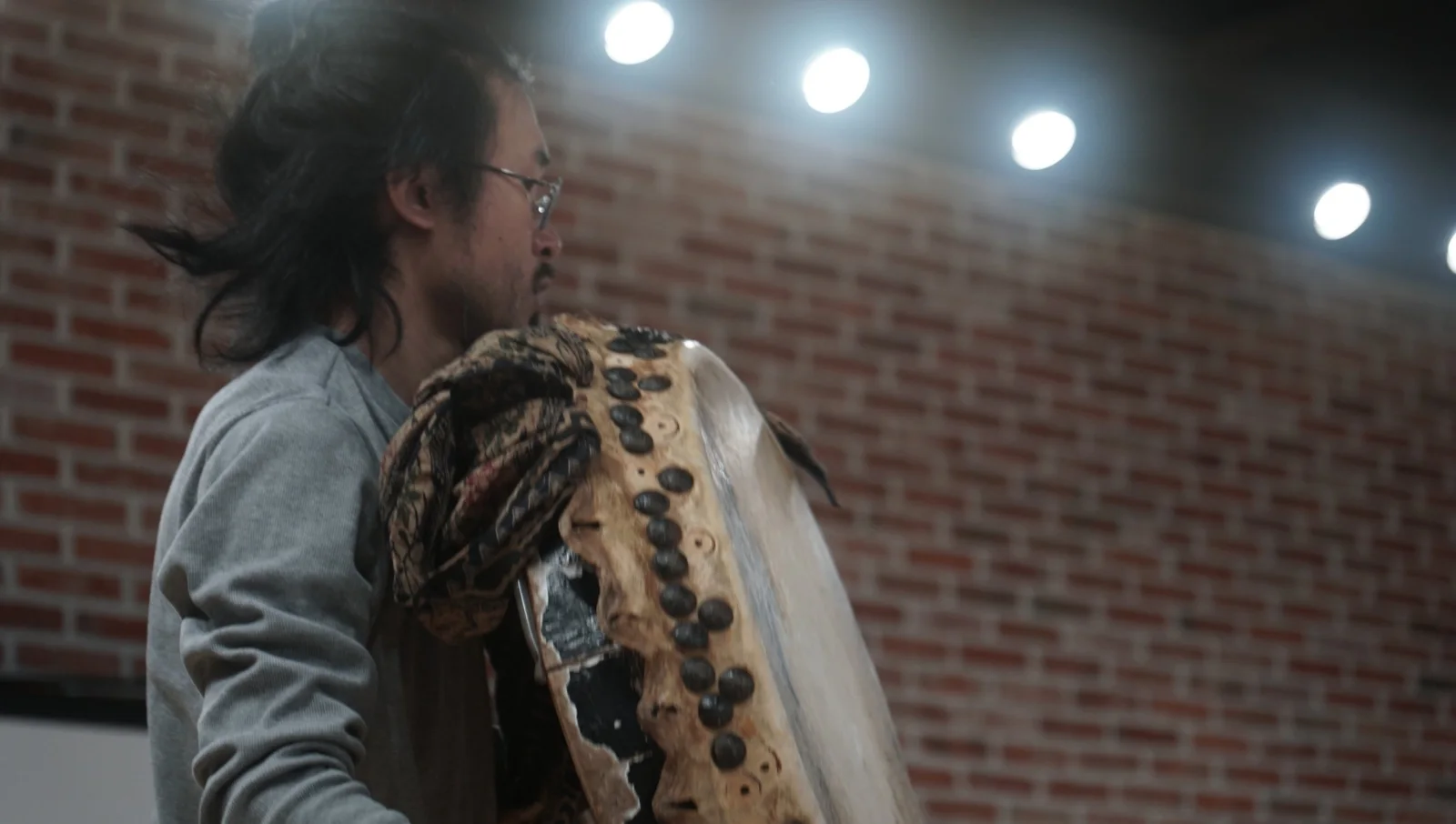
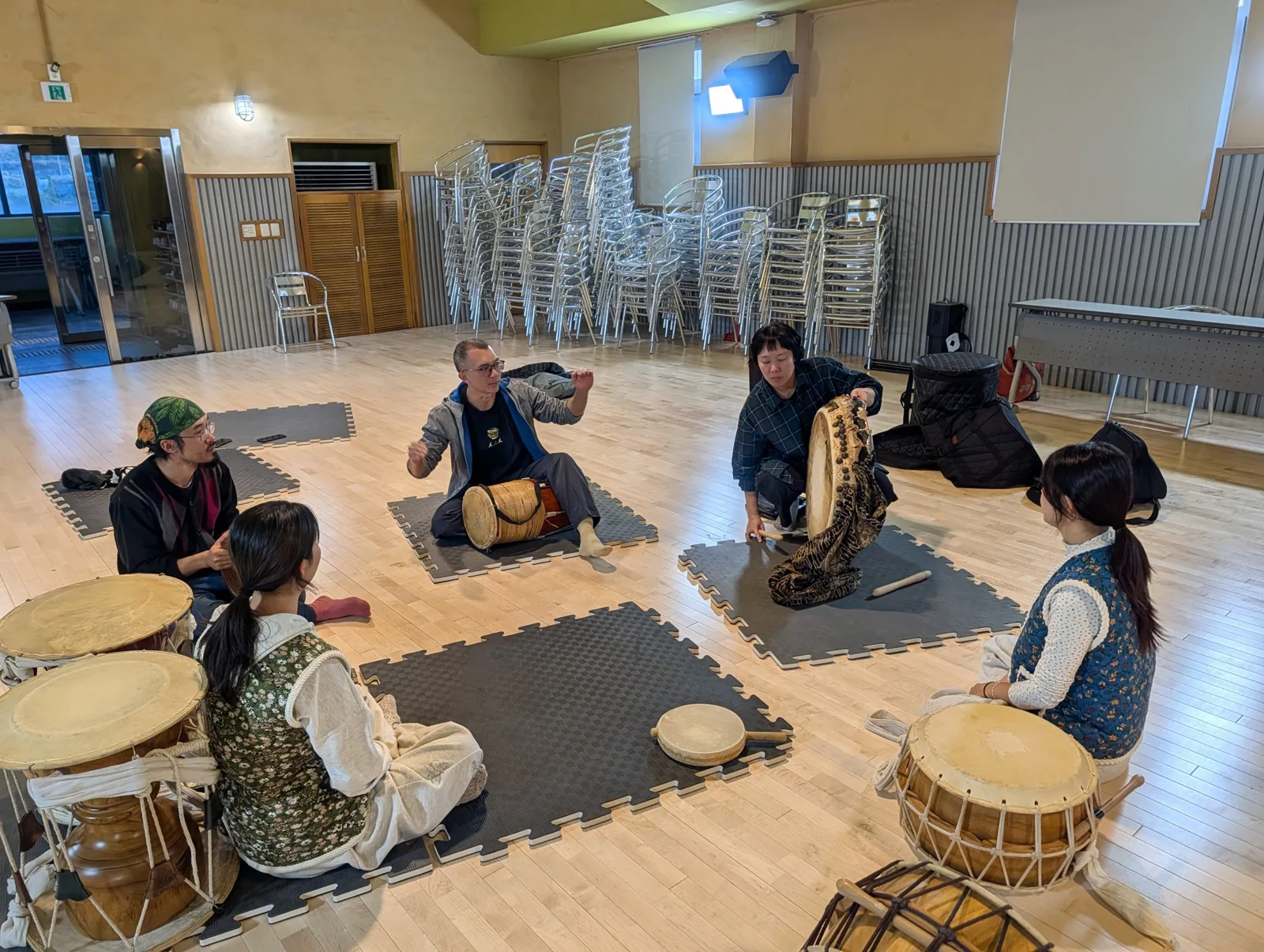
Workshop keep calm, main gendangMain gendang means “play the drum” in Malay. Orang Orang Drum Theatre have brought instruments from Malaysia: the gendang, kompang, shigu and sape’. Through sharing the stories and rhythms of each instrument, we invite the audience to play together by moving and making rhythm and sound with their bodies. Little by little, we hope to share the joy and fun we have known in our communities. So, let’s keep calm, main gendang.This is our way of giving back to the island after a short visit.
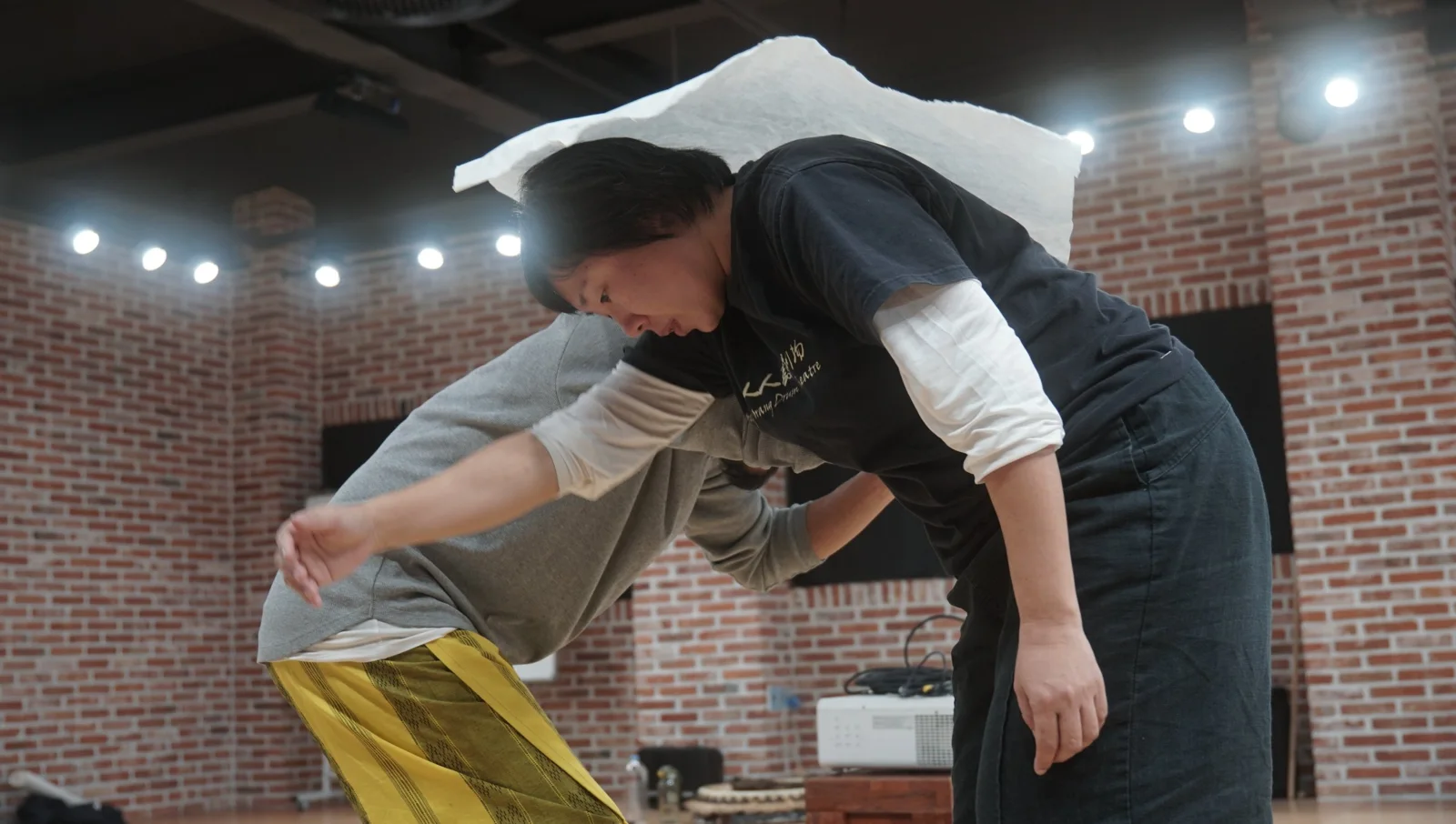
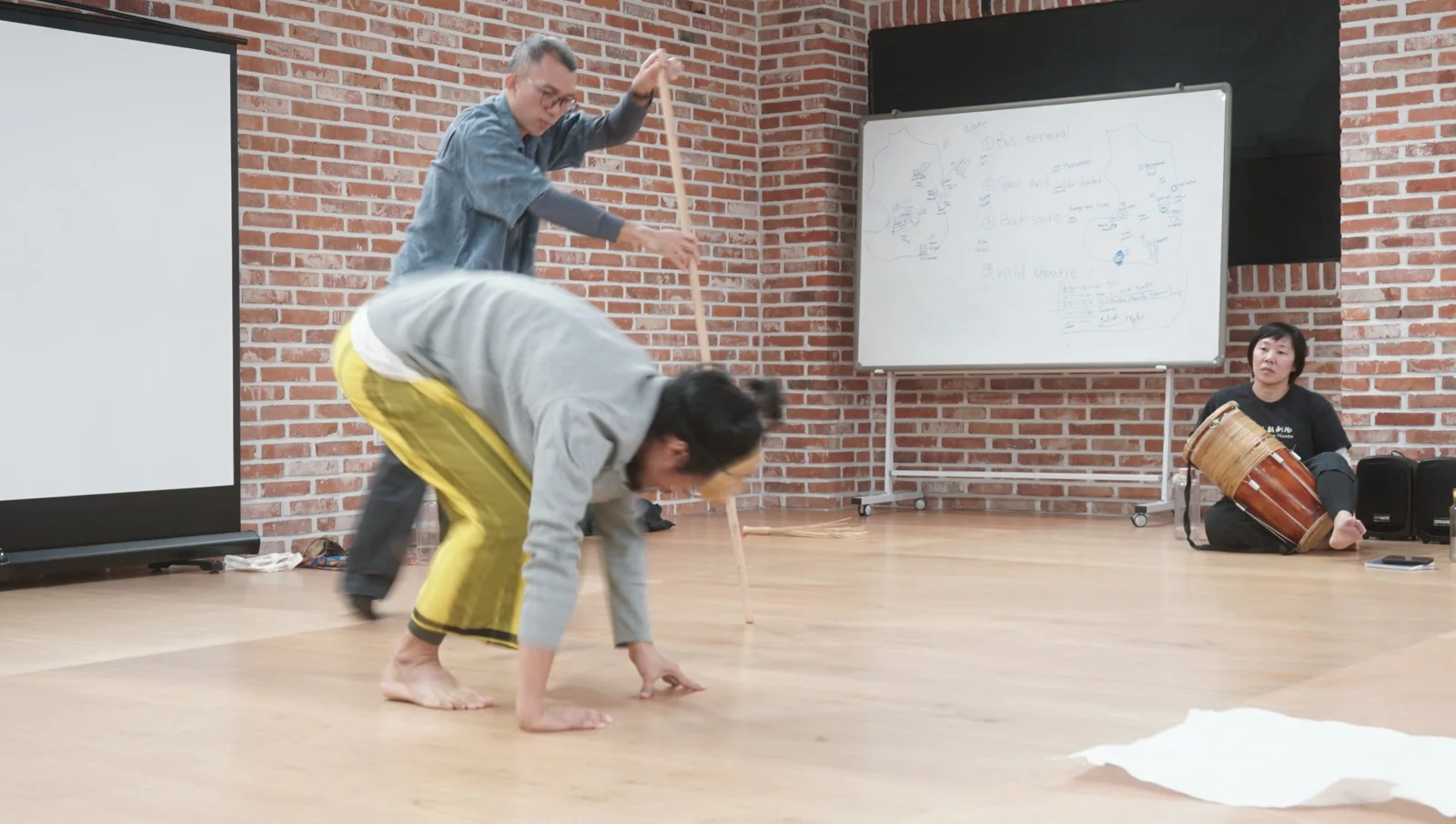
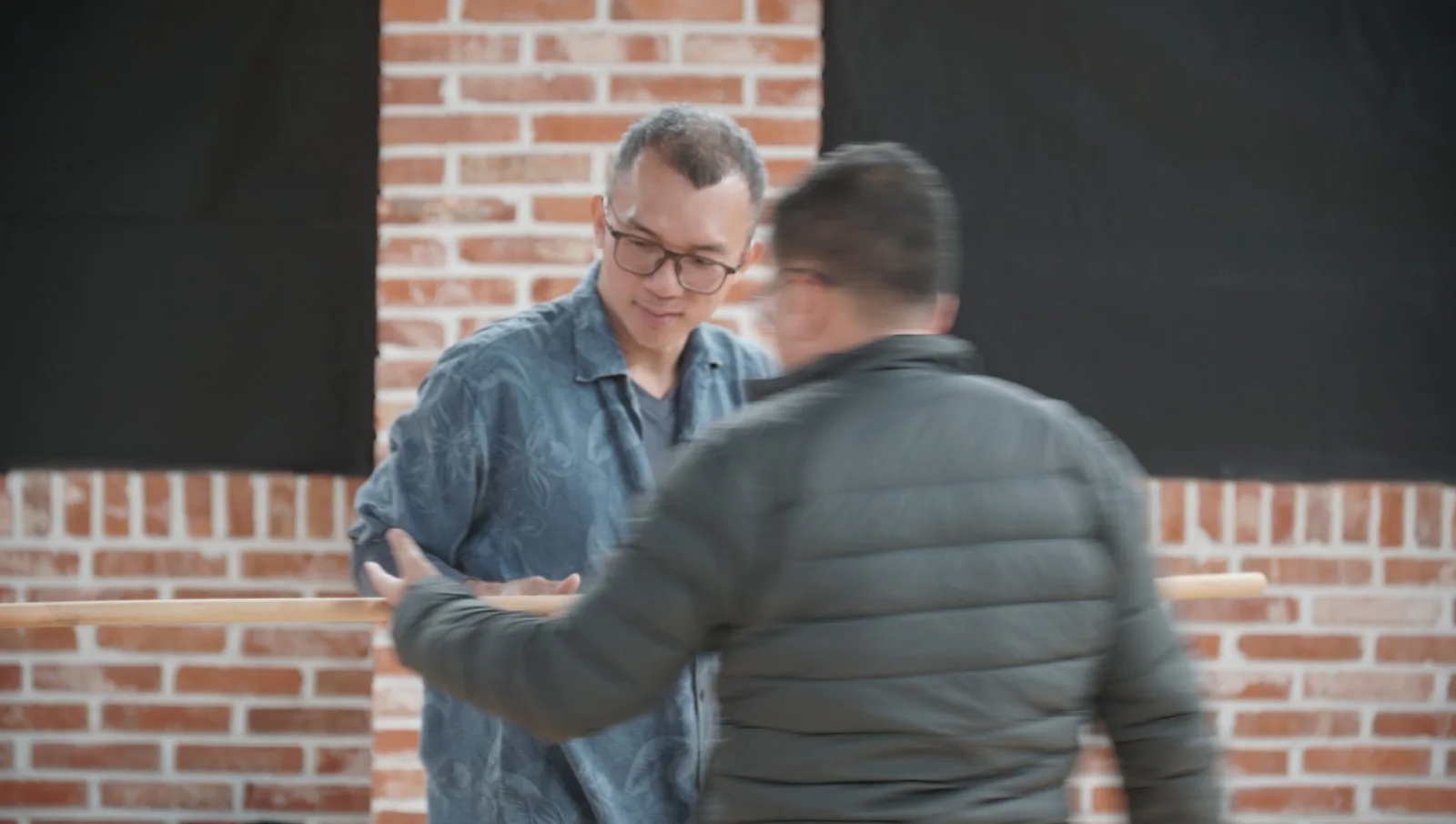
Performance 流 Flow · in collaboration with Loïc GendryThere are bridges and roads built by people. There are also paths that formed just before human intervention. At the moment where we are standing, we don’t really know where we are.As time goes on, we keep living in our convenience by crafting our own way. As time flies, we sometimes forget our relationship with a place. We have even forgotten that there are branches, leaves, flowers, animals… that share the same land.In this performance, we invite the audience to flow, with an island, with a stick that connects us, and perhaps a drum that is like our heartbeat.Let’s feel the flow we are in now, and ask whether we want to choose a different flow.
Kok Heng LeunAn invitation for the audience to notice and begin to think about things in the process of disappearing, asking whether, like the dondae of the past, we can keep a lookout together.
We hope our responses invite the audience to join in these acts of responding to disappearance.
NoticingRather than lamenting after a disappearance is complete, how can we make it possible to notice that something is in the process of disappearing?
ChoosingWhat will I choose? To let go, to hold on, or to fight back?
ActingWhat will I do after it has disappeared?
GatheringHow can we escape the isolation we feel in the face of disappearance? Can I act together with countless other “I”s?
How to join
BookingNo booking needed. Just come to Odu Dondae.
From SeoulA group bus leaves Hapjeong at 11:00 for Odu Dondae (45 seats, sign up only if you take the bus) · Book the bus
AfterWhen it ends, we move on towards the Void Theatre to meet the audience walking from Gukja & Jugeok.
VenueOdu Dondae (Odu-ri, Bureun-myeon, Ganghwa) · Open map
Artists Heewarae (Korea, Ganghwa), Chew Shaw En (Singapore), Orang Orang Drum Theatre (Malaysia), Kok Heng Leun (Singapore) Producers Song Miseon, Kwon Geun-young · Interpreter Park Hyeong-jun · Stage manager Lee Jeong Yeon · Staff Na Jonggun
Open programme 04 · Yonrimog + Choi Yeongdoo
About Things
Disappearance ⟷ Existence ⟷ Emergence
Sun 8 Nov, 18:10Huae Dondae
We gathered here holding the theme of disappearance.
While preparing the project, we reflected on what disappearing leaves for us.
Because something exists, it can disappear; because it disappears, something new begins to emerge; and what newly emerges takes its place as another existence. Disappearance, emergence and existence remain in the same space without ever touching, yet they constantly influence one another.
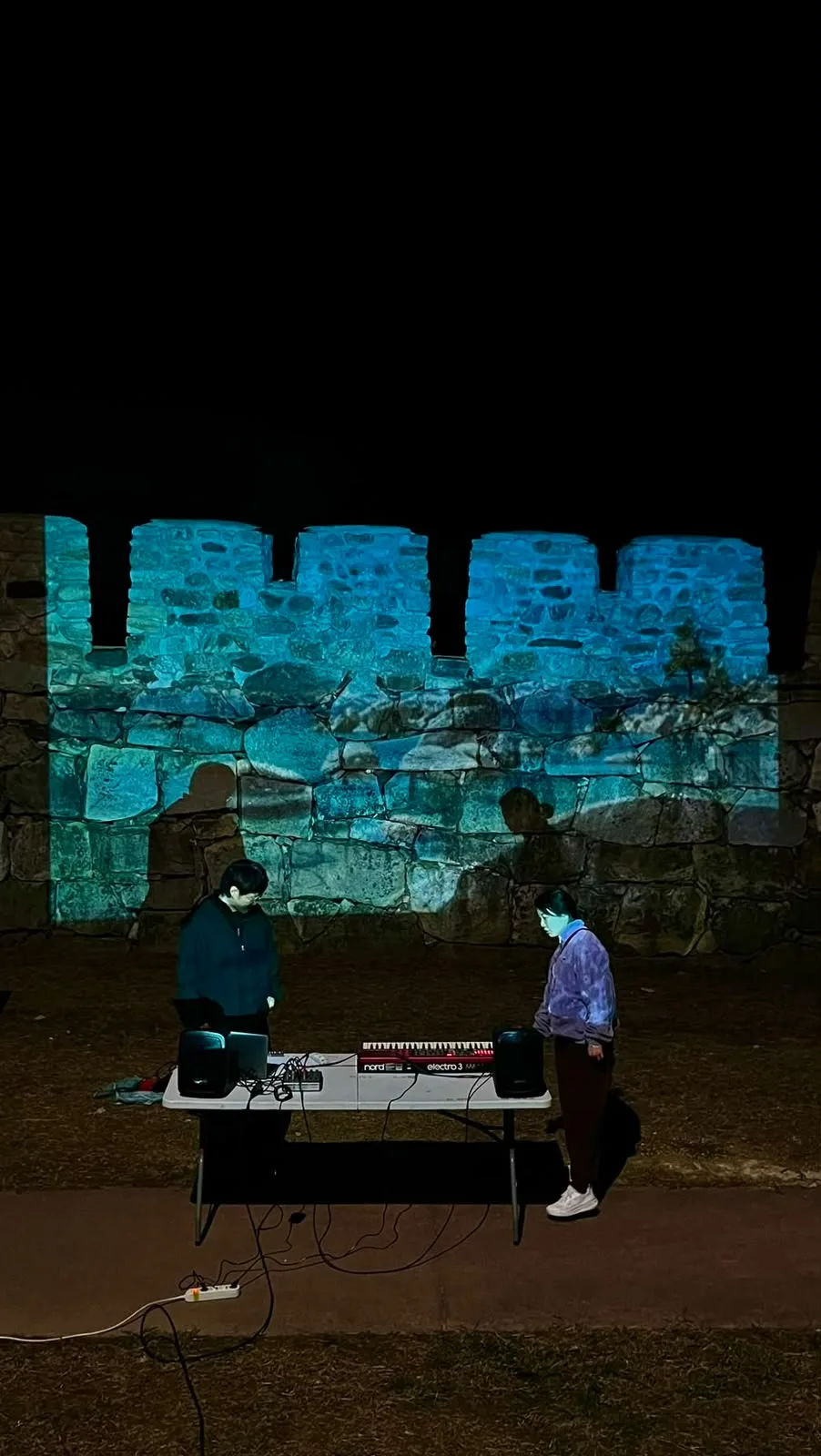
This work is an audio-visual interactive performance in which looping visuals, holding our thoughts on disappearance, existence and emergence, respond in real time to improvised music.
Through waves of sound and light, we hope you will meet the time of reflection we have passed through in the language of the senses.
How to join
BookingNo booking needed. Just come to Huae Dondae.
VenueHuae Dondae (Seondu-ri, Gilsang-myeon, Ganghwa) · Open map
Direction Choi Yeongdoo · Performance Yonrimog, Choi Yeongdoo · Video Choi Yeongdoo
Open programme 05 · Yonrimog + Choi Yeongdoo · sound walk
No Longer, But
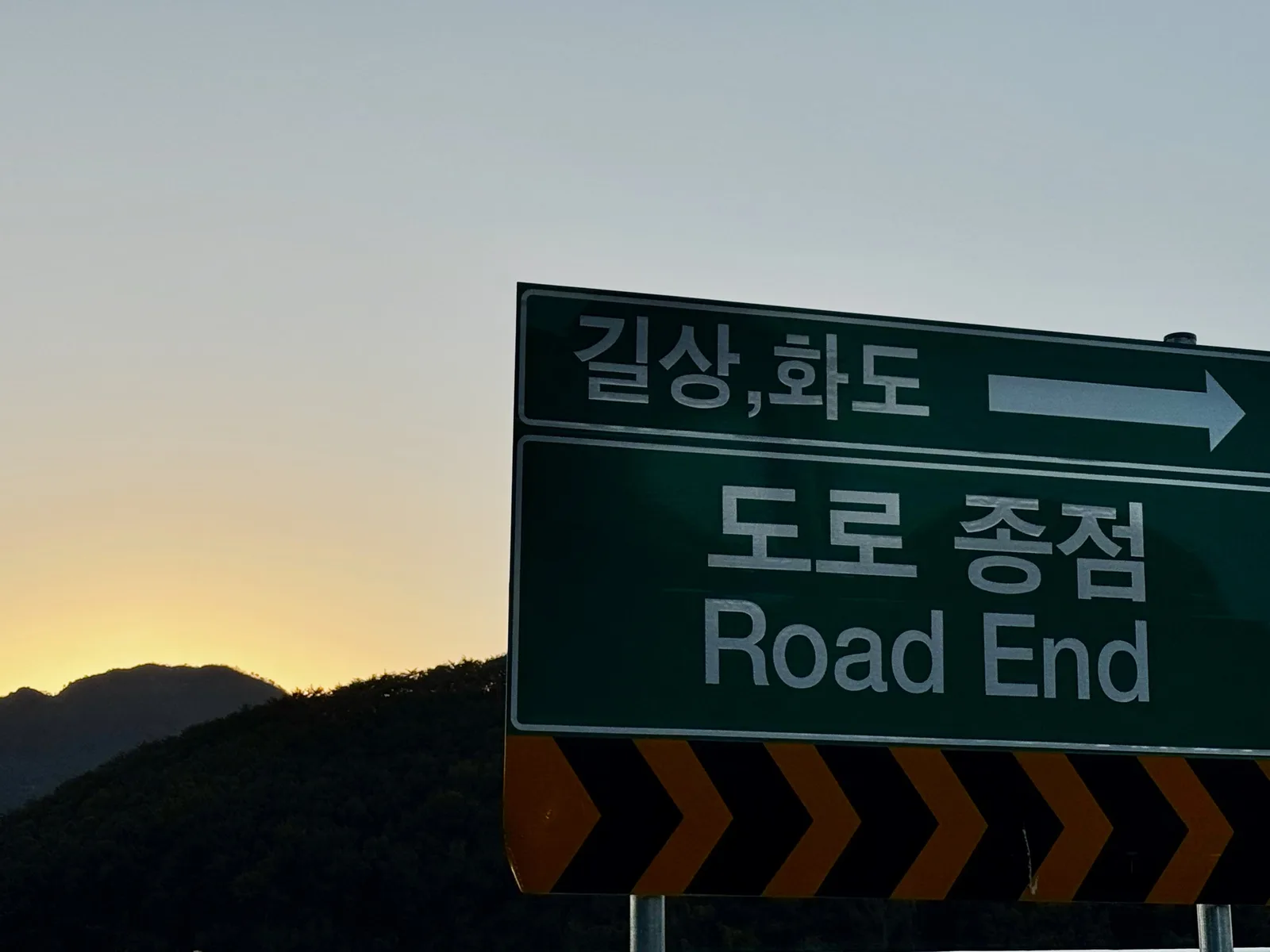
지금은 없지만
Fri 6 – Sun 8 NovFrom Gukja & Jugeok · approx. 15–25 min
A walk to sense the things that are no longer here, but were here before.
The walk begins at the Gukja & Jugeok bookshop, follows the paths of Dojang-ri, and returns to its starting point. Along the way, stories collected in the village, sounds recorded on site, and music accompany the walk.
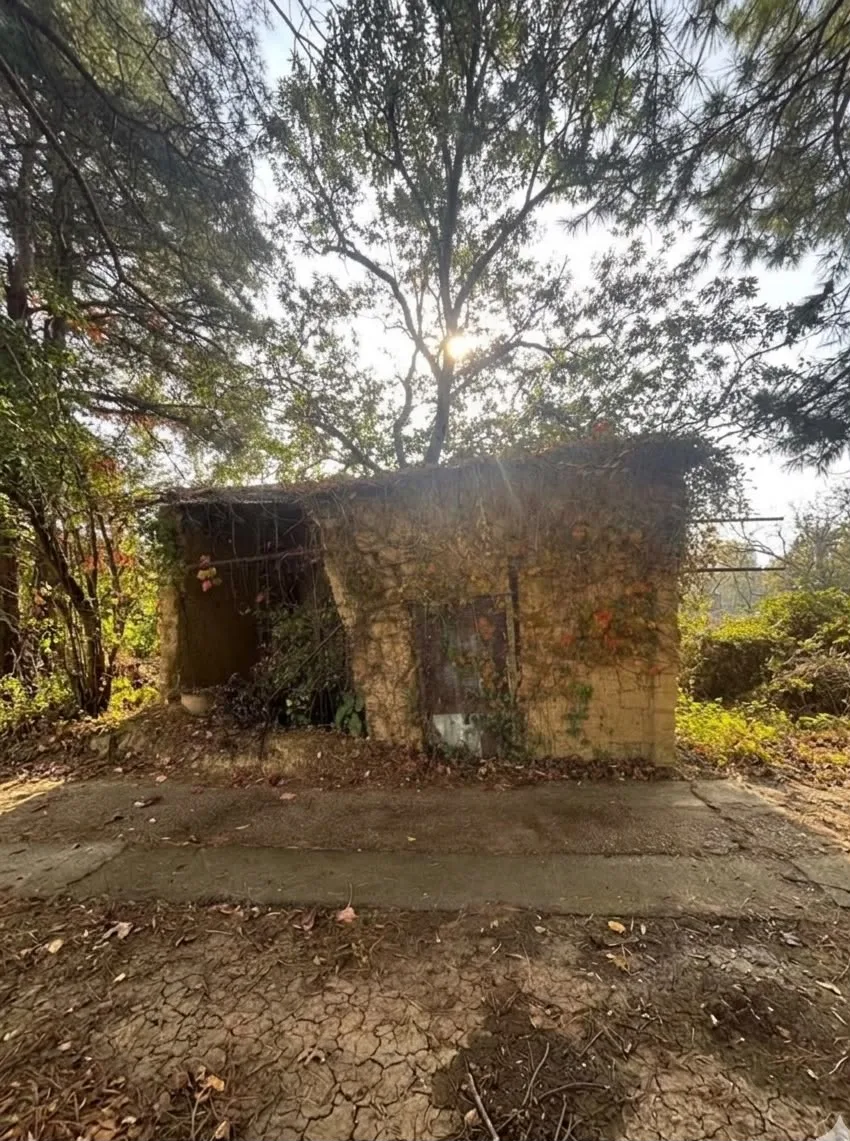
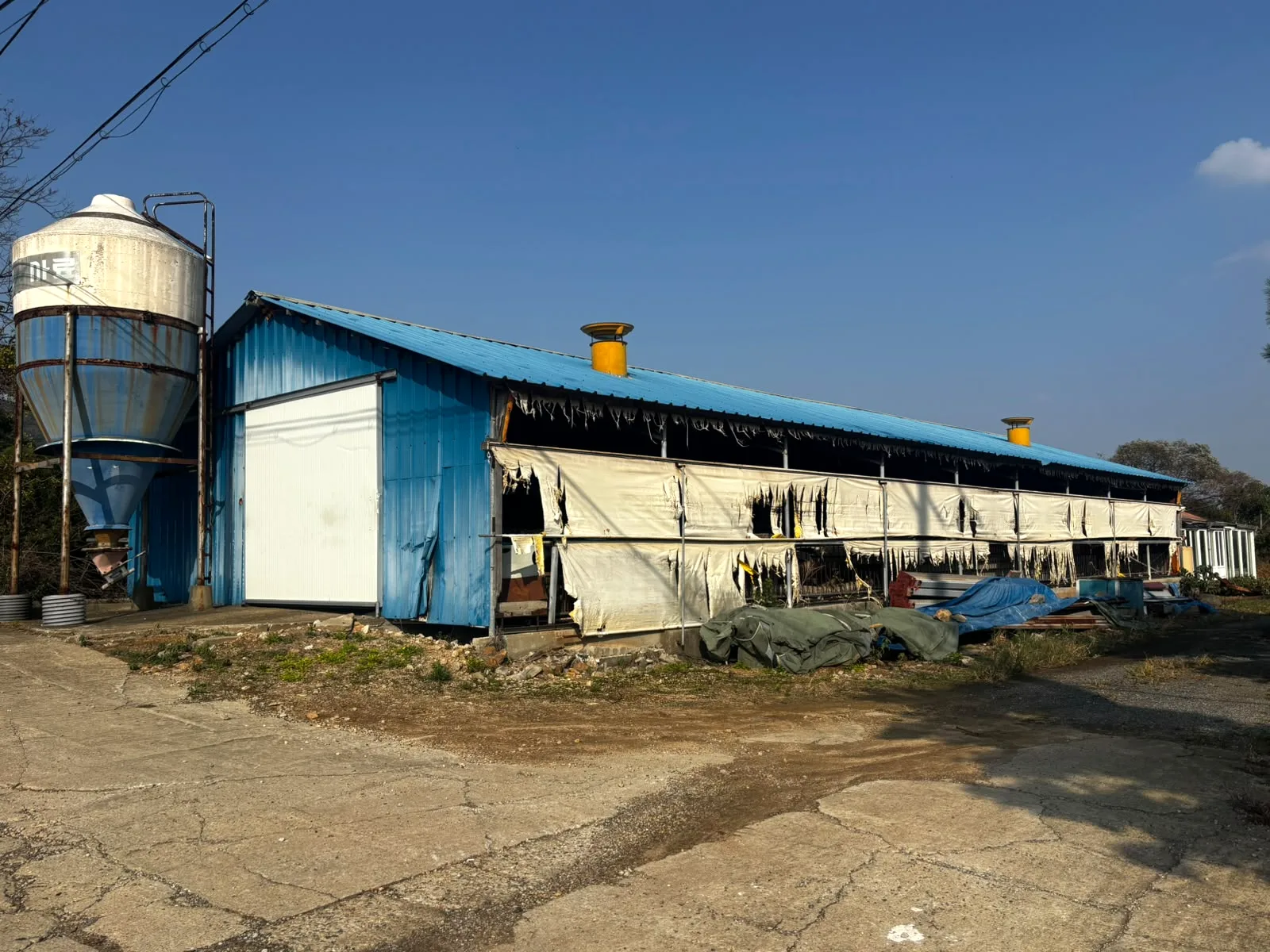
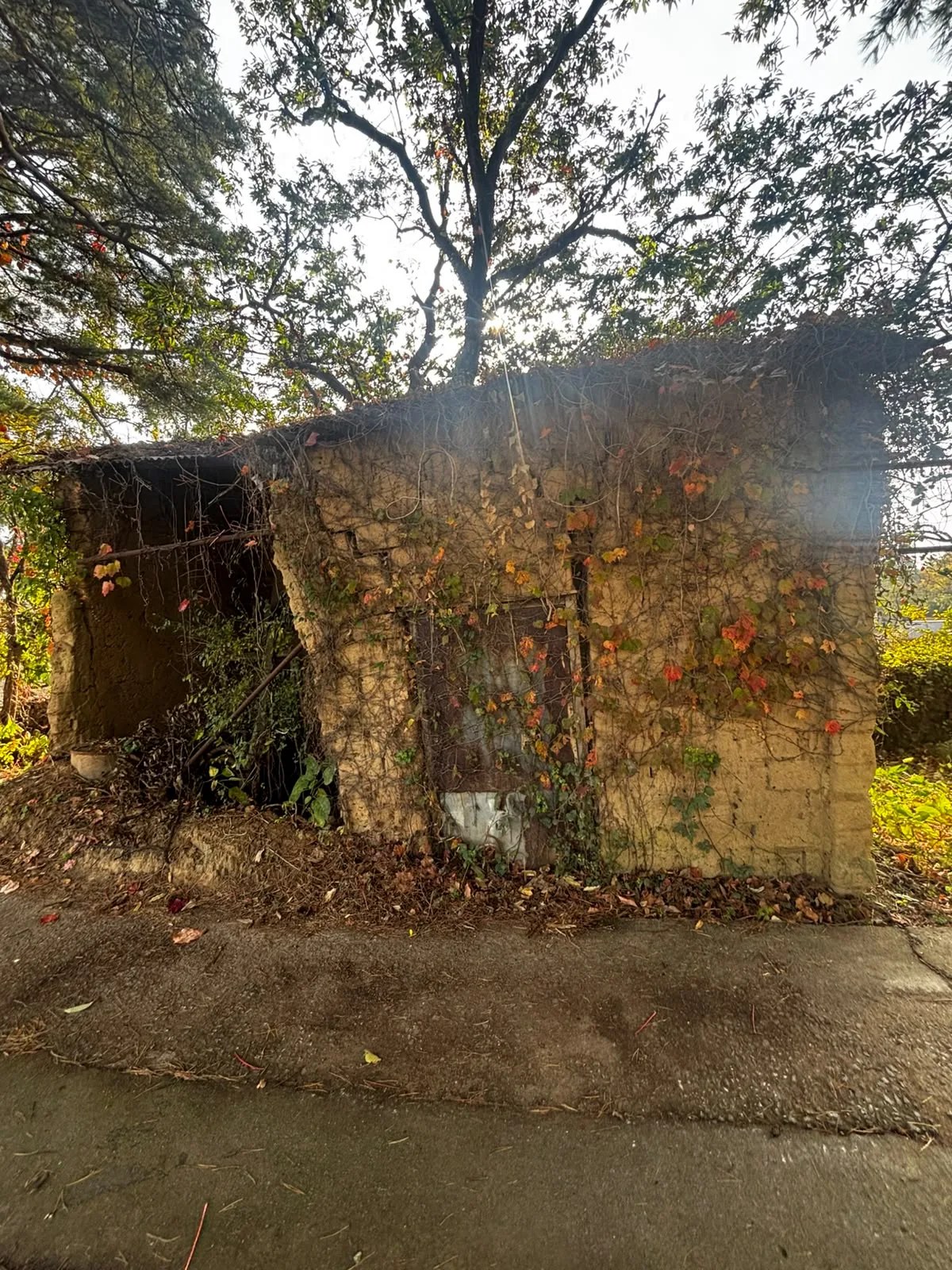
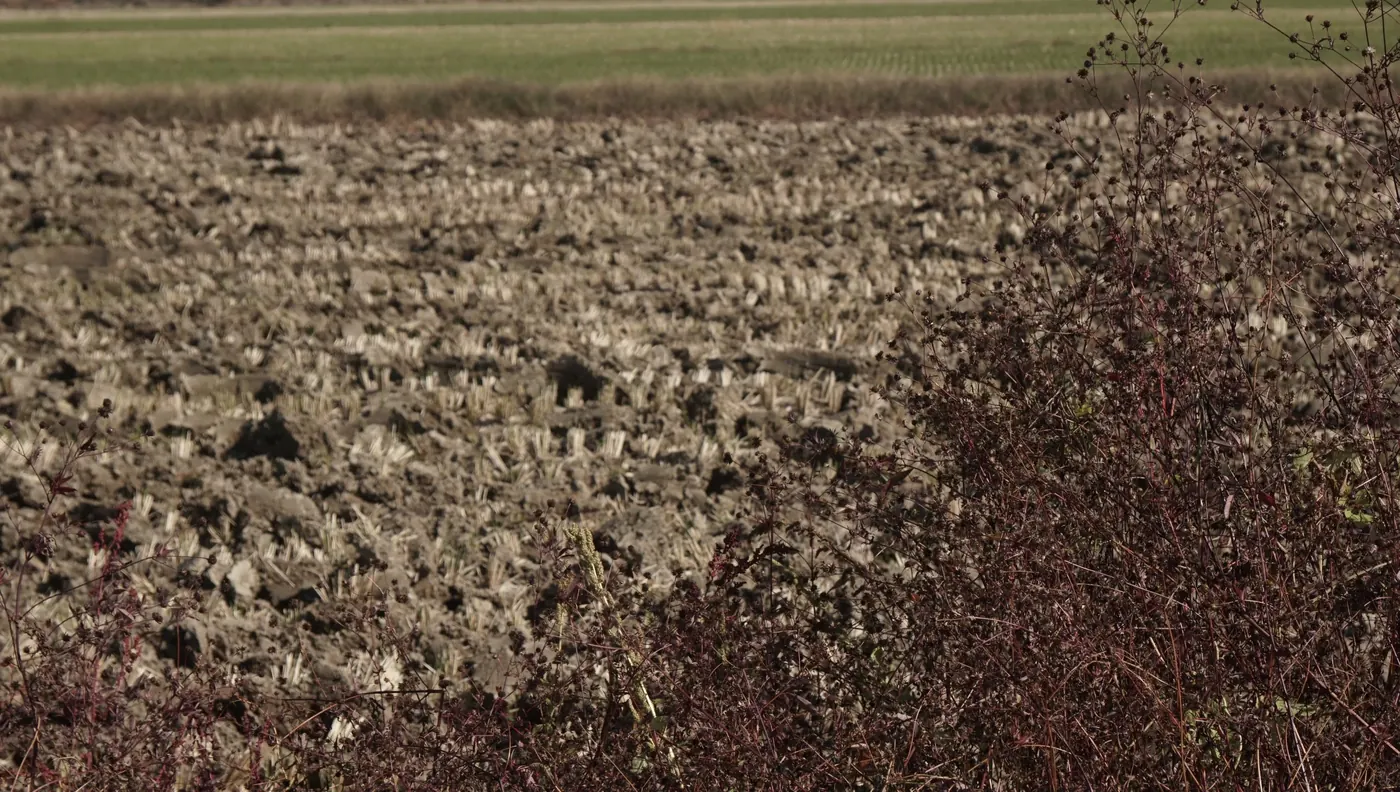
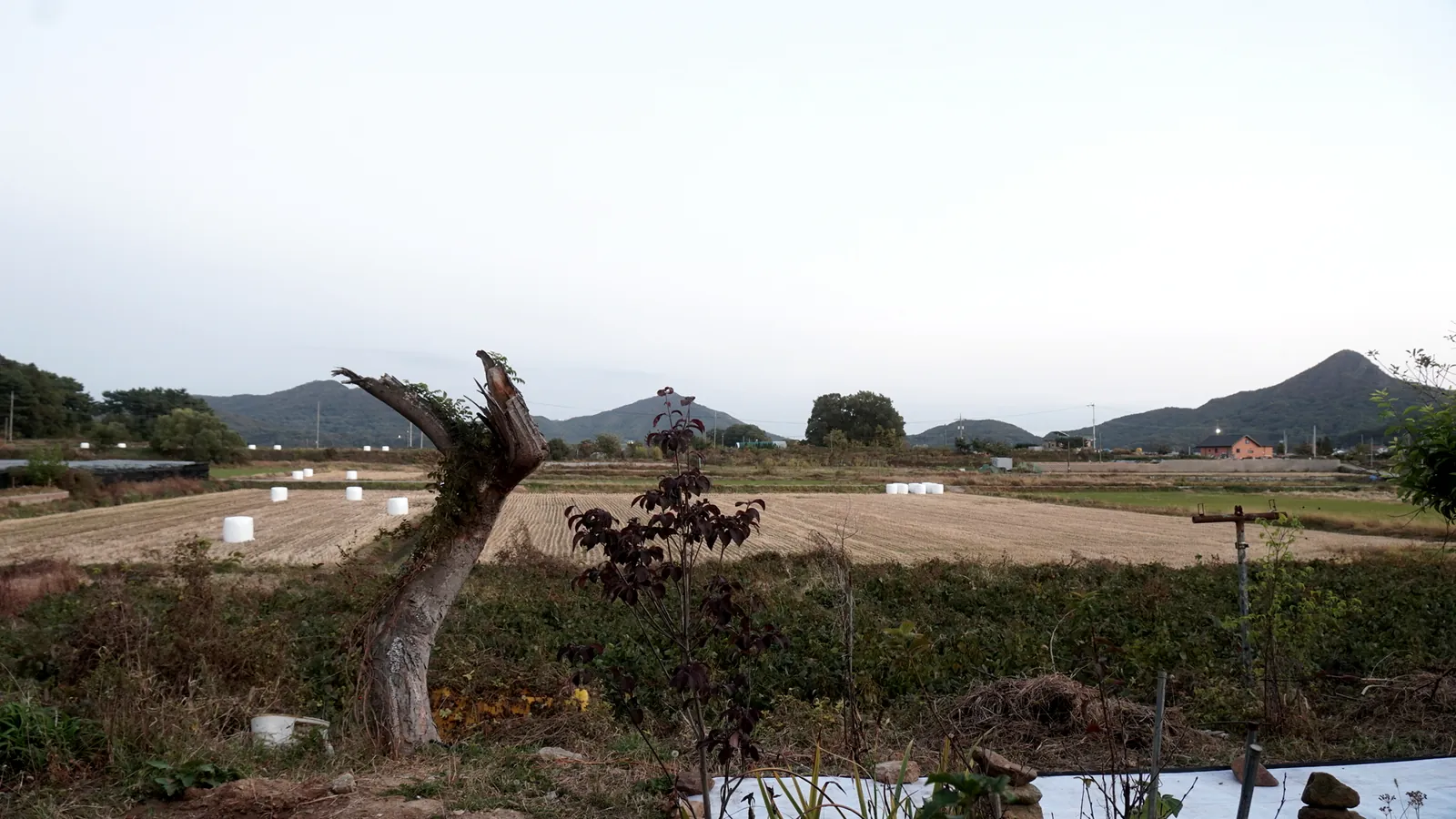
The walk takes place in daylight, but this road has known the night. The rice fields, now empty, used to be full of rice. The crumbling earthen house used to be filled with the bustle of people coming and going. The bare branches used to be covered in lush summer leaves.
Landscapes that are no longer here are seen, while stories of what was here before are heard. Several layers of time can be experienced at once.
Things that are no longer here, but were here before. The walk follows their traces, slowly.
How to join
DurationAbout 15–25 minutes. There is no set pace or time. The slower the walk, the more there is to discover in the scenery and sounds along the way.
Viewing on a computer? Scan the QR code with your phone.
Scan the QR code (or tap the button above on your phone) to open the sound walk page.
Press Start GPS.
When the music begins, stand with your back to Gukja & Jugeok and set off down the path to the left.
To stop the sound while walking, press the pause button.
If something goes wrong, or you leave the page and come back, refresh the page.
Writing, direction & music Yonrimog Sound & music Choi Yeongdoo Voices Yonrimog, Kim Hyunsook, Kim Boknim
Open programme 06 · Teatringestazione (Anna & Giovanni)
Good Mourning
Three funerals held in life
Fri 6 – Sun 8 NovSpace And · Hwanggu’s yard · 7-Eleven · The Void Theatre
Good Mourning takes disappearance as a question to be crossed, turning the negative feeling that accompanies it into an attitude of care towards the life that remains for us to live.
The work consists of three funerals held “in life”, in three houses on three different days, followed by an installation and a final rite.
The funeral, the ritual form of farewell, becomes the place in which to question the idea of a good death: what happens when there is no symbolic horizon with which to process one’s own end? And can disappearance, once we suspend the judgement that deems it tragic, become a condition of possibility?
The project answers by restoring to the funeral its function as a collective and festive rite, and by letting reality surrender to imagination: celebrating our own funeral while alive, missing ourselves in full presence, making fun of death and defying superstition.
The three figures embody three ways of being in the end. Can a community still be called a community once it has lost its collective rituals? And if the end of the world is only the end of one of the possible worlds (Ernesto de Martino), what do we risk, as humankind, when we destroy our social and geographical habitat? The three funerals answer by unfolding the loss on three intertwined levels: habitat, history, ritual.
Habitat · The funeral of the young theatre artist
Having moved from Seoul to Ganghwa to escape a predatory society, he chose, through theatre, a life from which he can take his leave every day without regret, far from what contemporary capitalism demands. As his last gaze he asks for the morning and the evening of the island; he imagines death knocking with the cry of the gorani (water deer); he would offer himself as raw food; he invites his guests to pull the weeds from the garden, and to posterity he would entrust seeds. His funeral is a feast: the resistance of someone who seeks a just world that he did not inherit and may never see.
History · The funeral of the sixty-three-year-old intellectual
Born in 1963, he lived through Korea’s long democratic season and now lives among his books, keeper of a promise left without heirs. As his last gaze he chooses Heaven Lake on Mount Baekdu, which he has never seen. He refuses the senseless death inflicted by social disaster, like the crush at Itaewon or the sinking of the Sewol; he would accept one inside a protest march. He entrusts his last words to two or three friends he met in 1982 and to a rose in his garden. Equality and peace remain unfinished. We invented history to keep track of our existence, yet we draw from it more occasions for betraying our species than lessons for living.
Ritual · The funeral of the woman who works at a 7-Eleven
Ritual, in her, is already a practice of life. She does not fear death and does not call it an ending: she sees it as the possible beginning of another life, so much so that she dreams of donating her organs. She remembers two farewells: her mother’s festive one, with food laid out outside the house and the neighbours at the table, and her father’s, bare of ritual and therefore more painful. She would like a last feast, with a single cry and then a smiling goodbye; a colourful dress in place of the white shroud; her hand held by the man she loves. She has always wished to be buried under a fruit tree.
Habitat, history and ritual are the three gestures by which a community takes care of what it produces: inhabiting the land, transmitting what has been won, gathering around what nourishes. When one falls away, the others give way too. What remains of us if we let the harvest rot? And who, if we disappear, will take care of it?
Schedule
Fri 6 Nov 18:00First funeral · Space And
Sat 7 Nov 19:00Second funeral · Hwanggu’s yard
Sun 8 Nov 16:00Third funeral · outside the 7-Eleven
Sun 8 Nov, afterInstallation and final rite · The Void Theatre
JoiningSign up in advance for the funerals on 6 and 7 Nov. The third funeral and final rite on 8 Nov need no sign-up.
Sun 8 Nov, 17:30–18:10The mudflat near the Void Theatre
Will you take the hand that the landscape extends towards you?
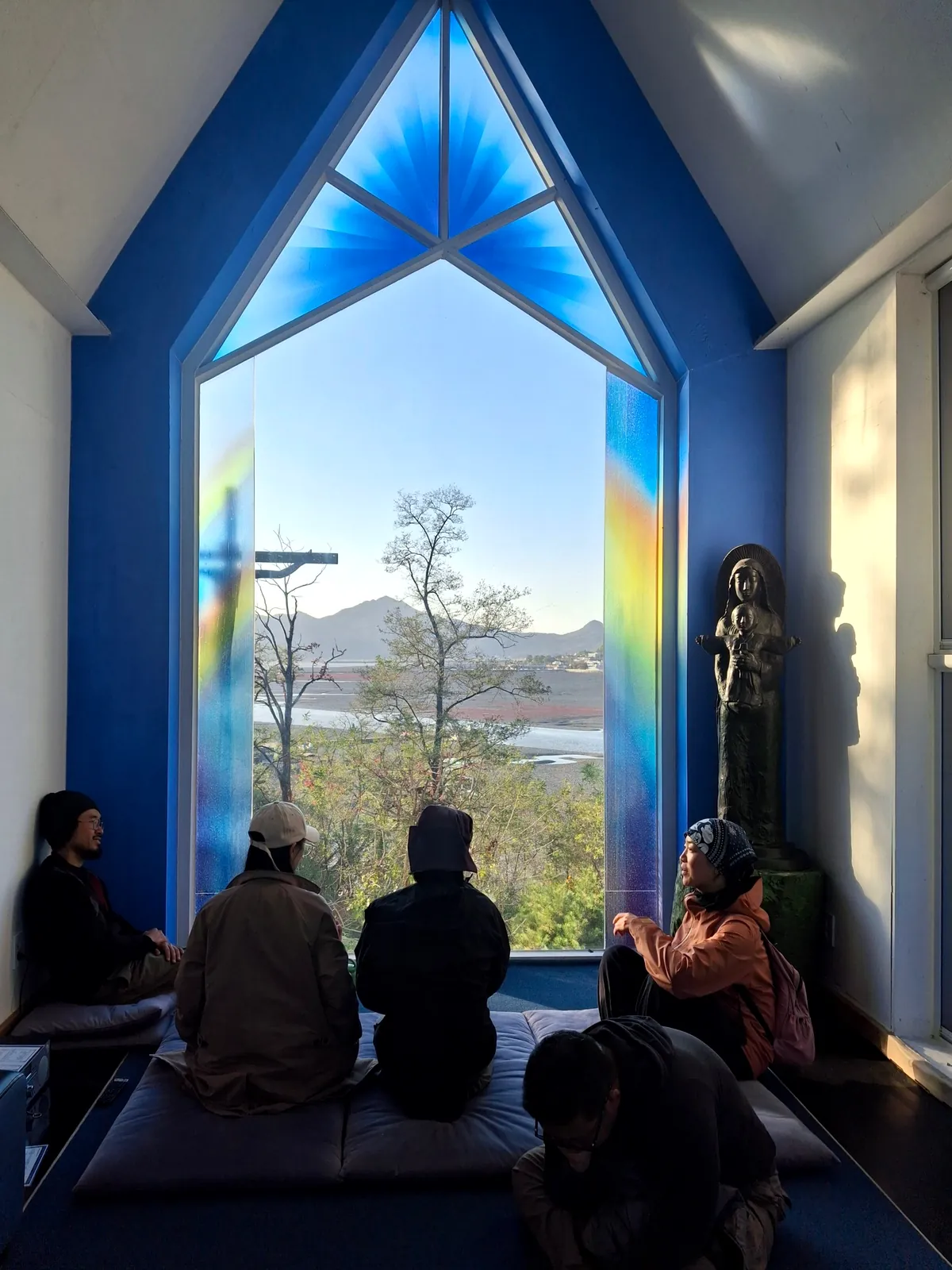
We came from Japan to this island, carrying within us more than we could hold: the vast meanings and possibilities of the word “disappearance,” boundless as the sea.
During the two weeks we spent researching and creating together, the things we could share with one another gradually grew. And yet, we came to realize that “disappearance” is something that can never be fully shared with anyone. Each of us carries a story of disappearance known only to ourselves. And perhaps it is precisely because these stories cannot be shared that they hold a quiet beauty. This, too, is one of the many facets of disappearance.
Here, we invite you to spend a quiet stretch of time with us in the landscape, in the presence of something we cannot fully share. This time creates a sense of stillness around us, while also inviting us to turn our attention towards the experiences of disappearance and life that lie within each of us.
We call “landscape” what emerges at the point where the stories within each of us meet the world that surrounds us. A landscape is made up not only of human beings, but also of nature and things invisible to the eye, such as memories, histories, and stories. We would like to spend this time with you as an invitation to discover that we ourselves are part of the landscape, and to experience it as a web of interconnected things.
How to join
BookingNo booking needed. Just come along.
The flowThe afternoon of 8 Nov runs as one continuous flow: 16:00 Good Mourning, third funeral (outside the 7-Eleven) → 16:45 installation and final rite (the Void Theatre) → 17:30 Sononochi (the mudflat near the Void Theatre) → 18:10 About Things (Huae Dondae)
From 25 October, the work unfolding on Ganghwa will be recorded here.
5.11 Thu
Team A · A.N.D. Theatre, walking the first day’s route ahead
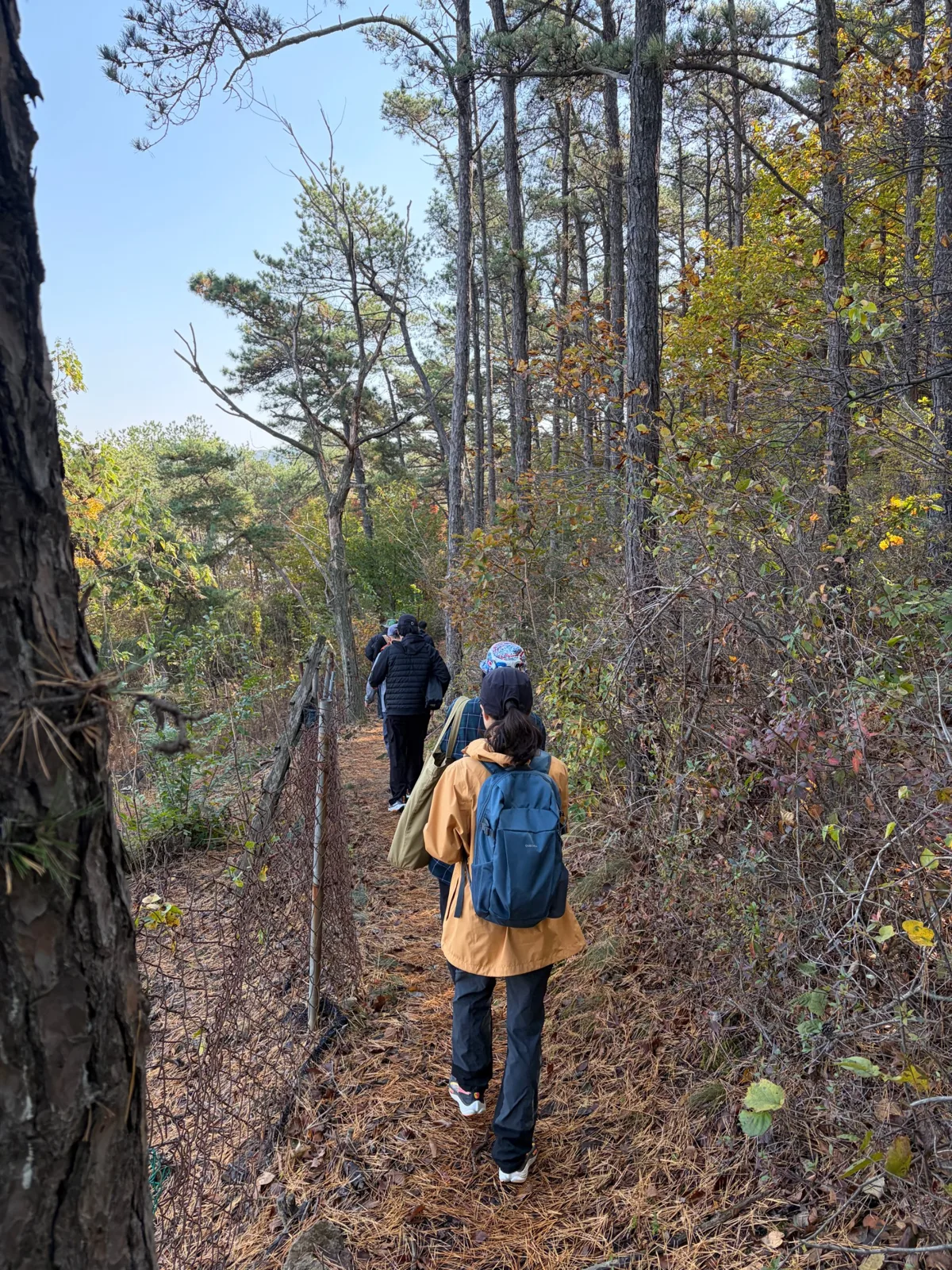
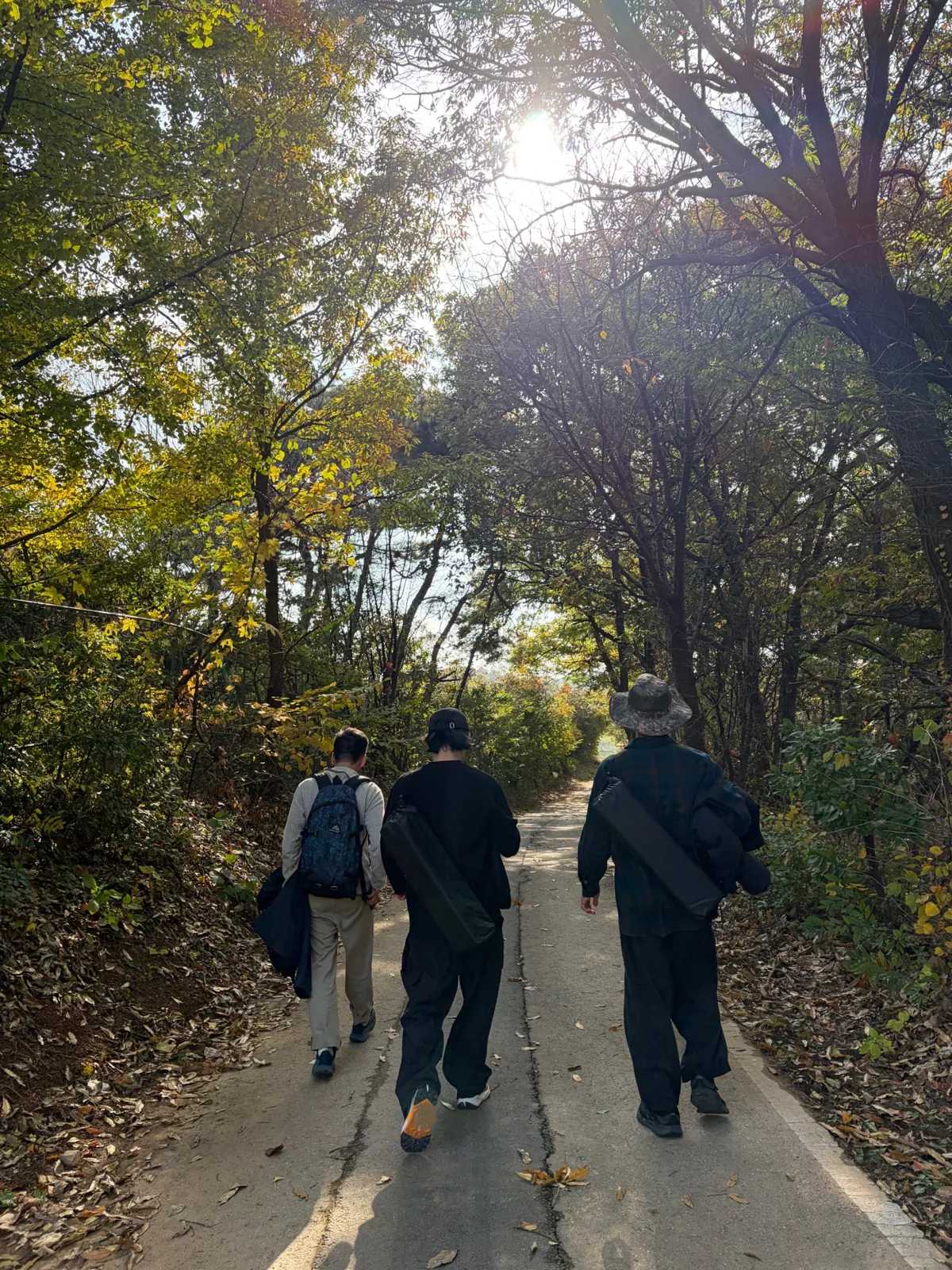
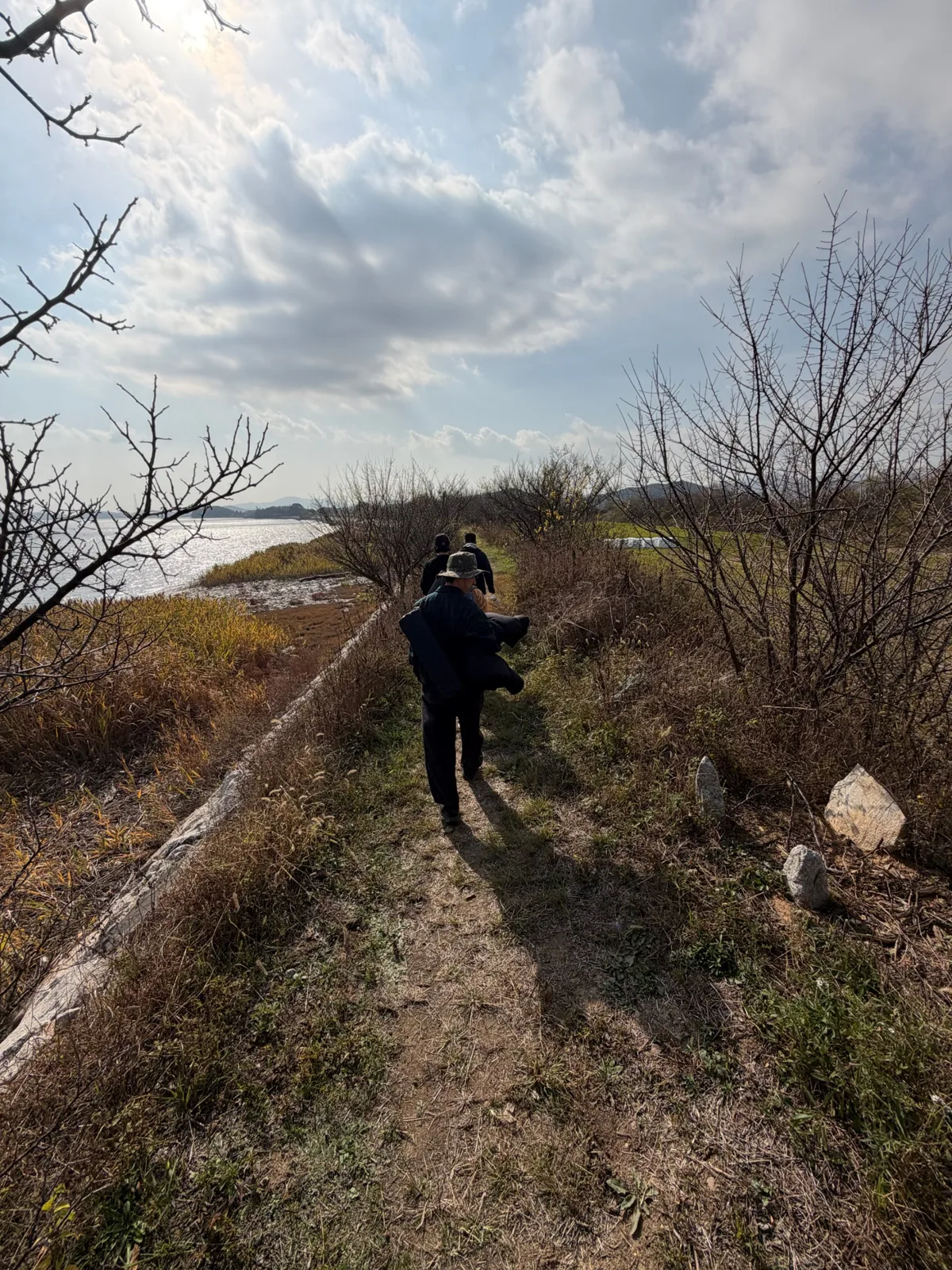
A.N.D. Theatre walked the first day’s route, from the Ganghwa-gun Sports Centre to Yongdang Dondae. Thanks to the warm weather, we moved along lightly, as if on a stroll. With every step along the trail, we walked on autumn.
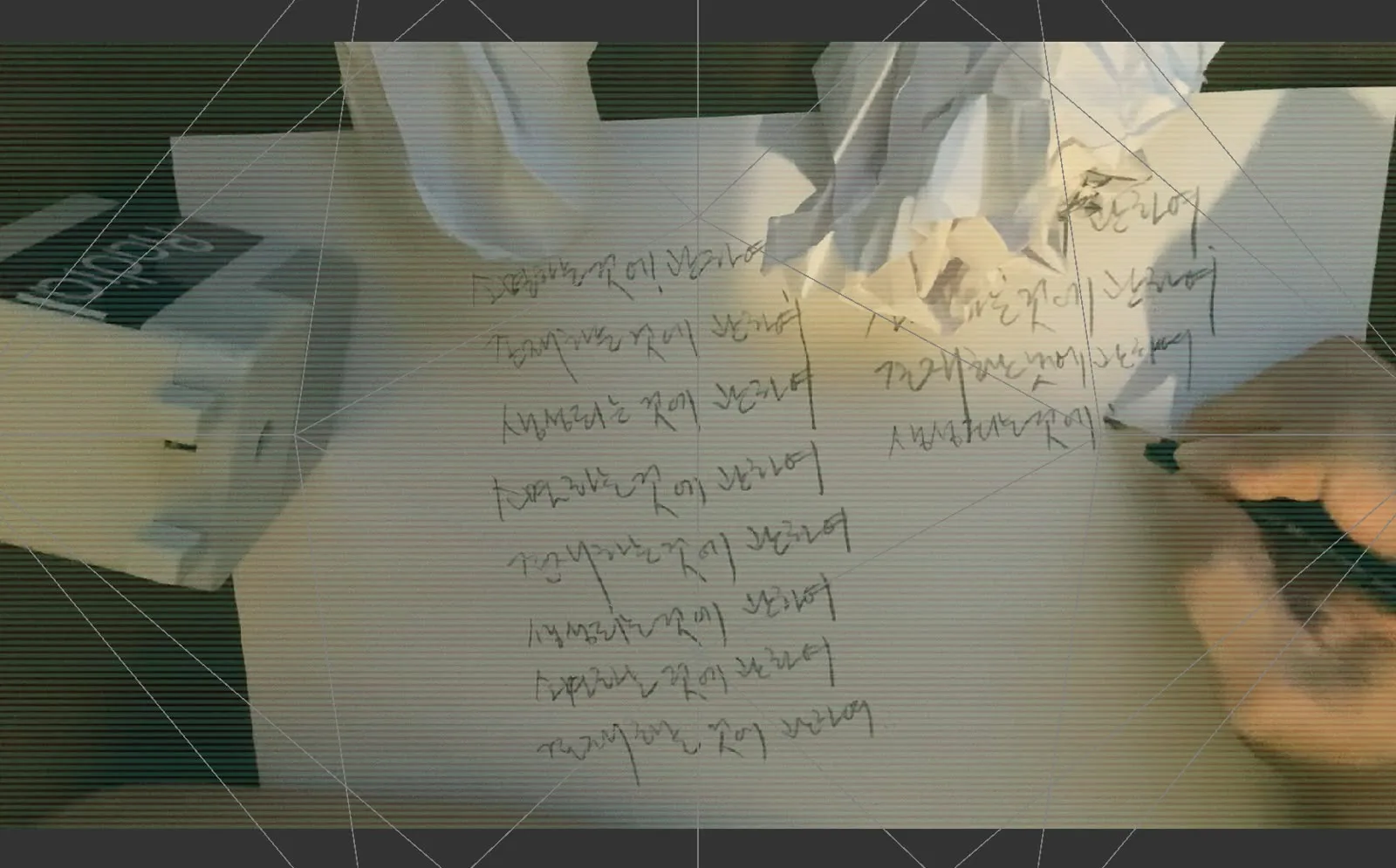
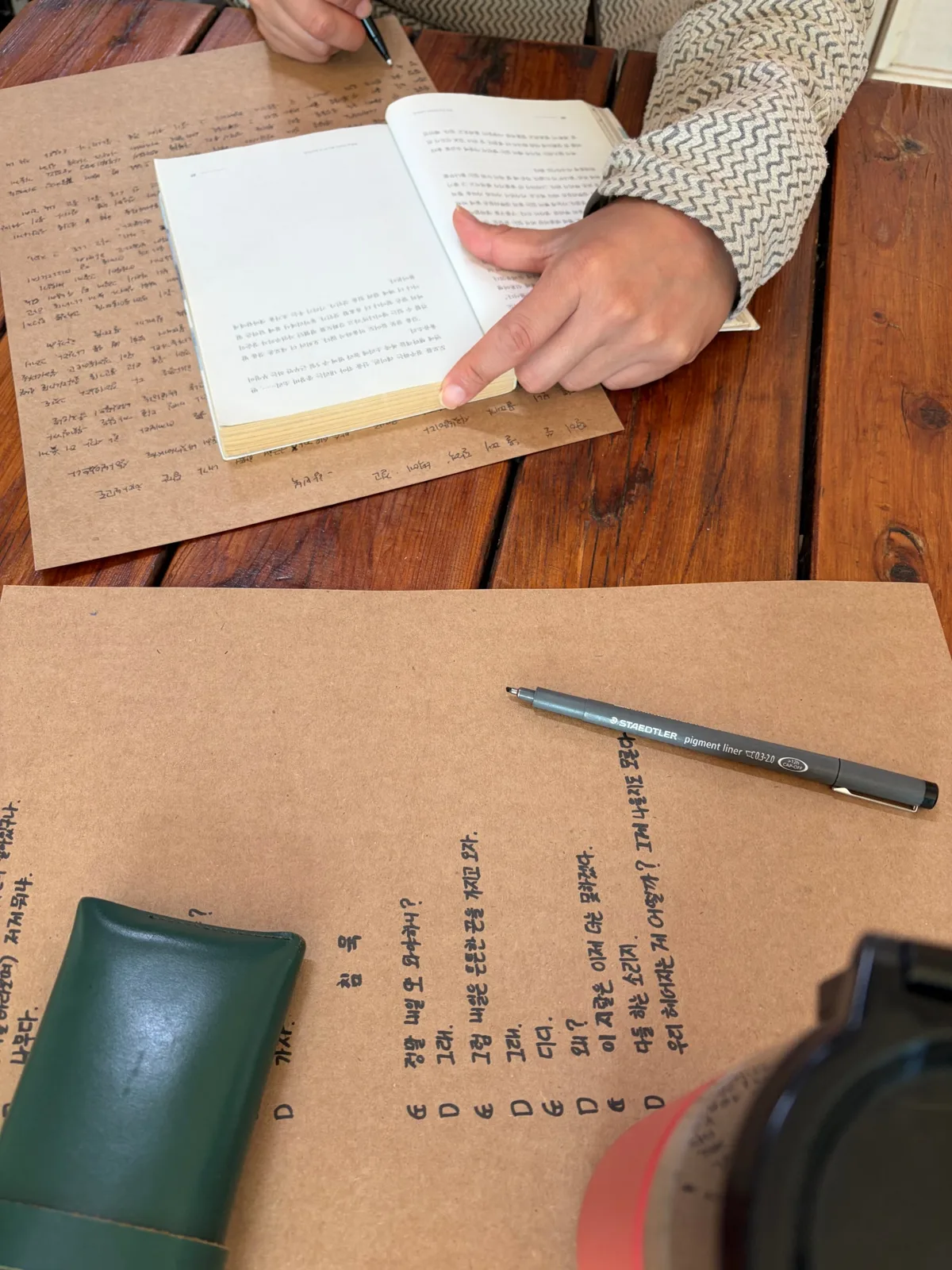
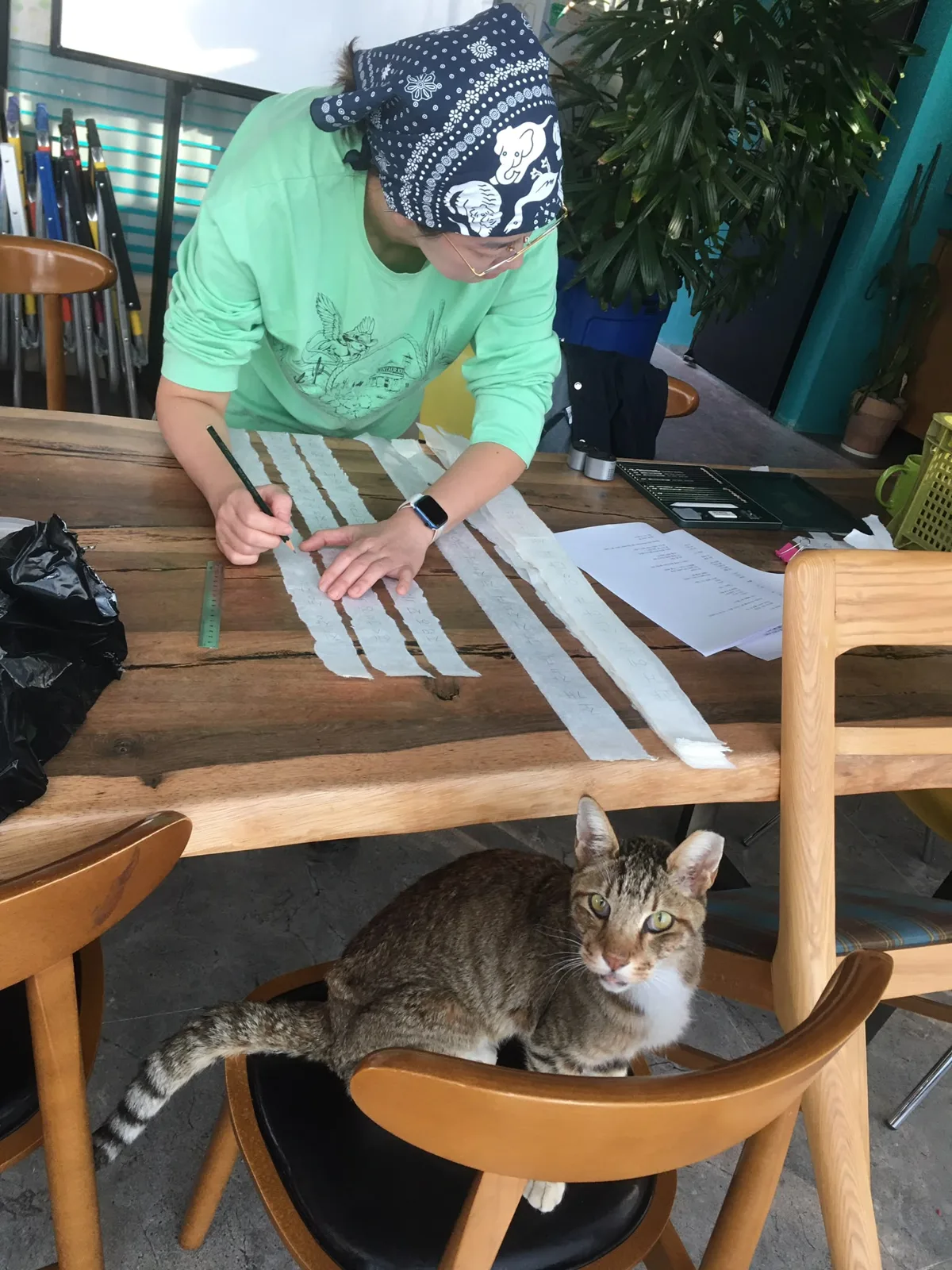
After this light walk of the route, we cooked and ate lunch at Space And, then closed the day’s rehearsal by writing out by hand the texts we will read aloud during the journey: Samuel Beckett’s play Waiting for Godot, Wisława Szymborska’s poem “The Silence of Plants”, and Ham Min-bok’s essay “Hanging the Moon’s Tide Calendar on the Wall”.
Team A · Teatringestazione, the day before the first funeral
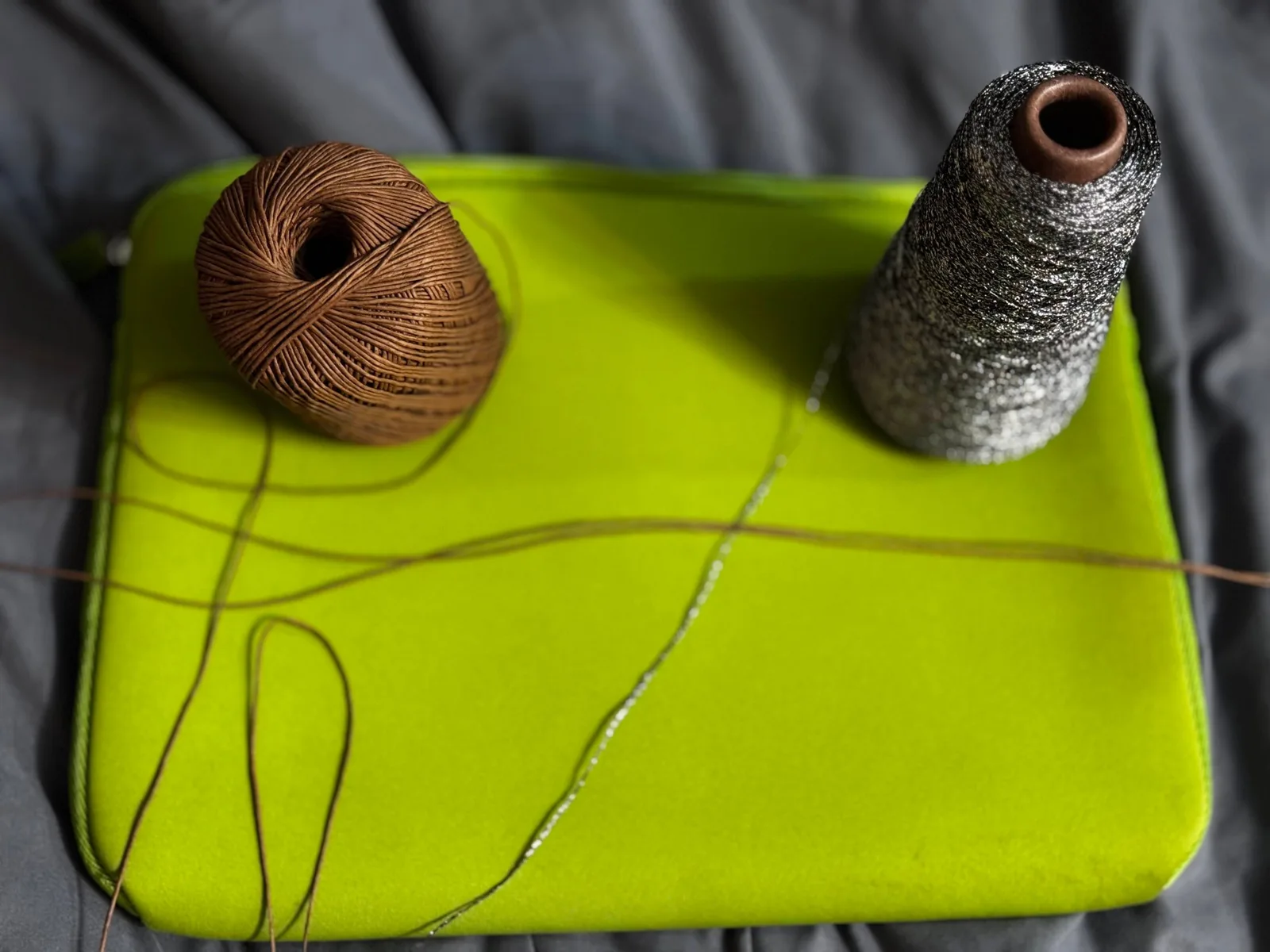
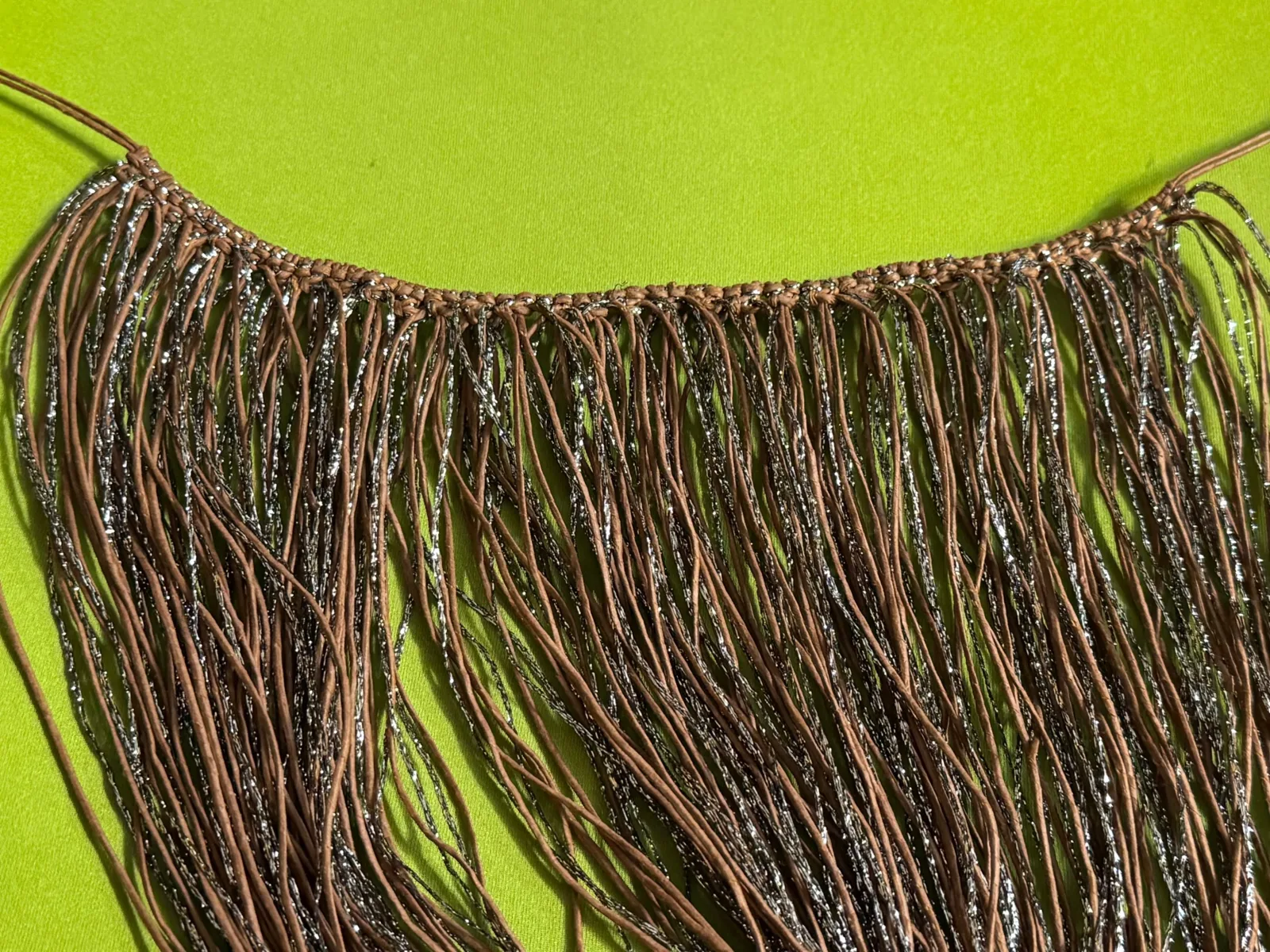
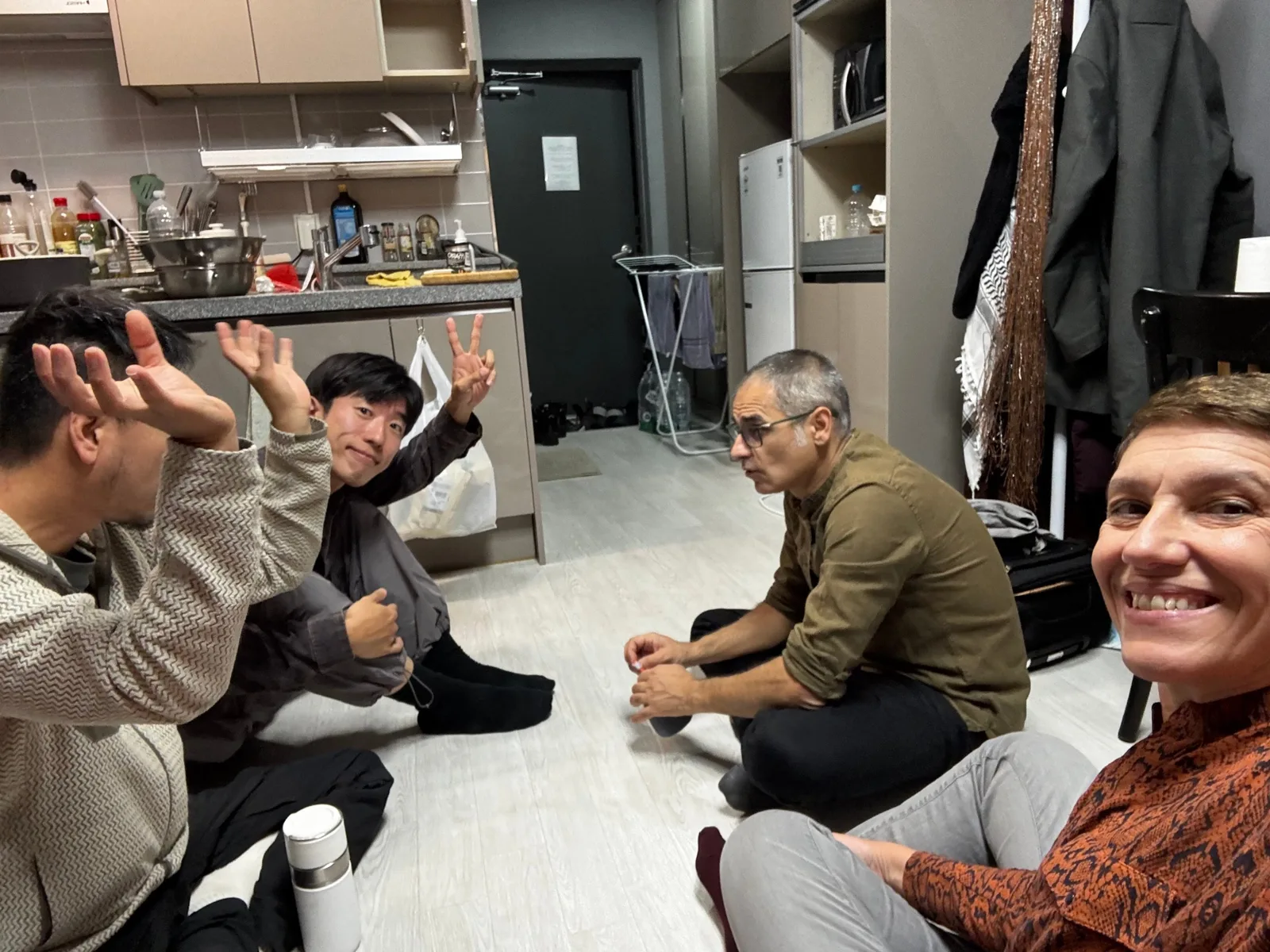
We are preparing Giovanni’s headpiece for the funerals. How will the hanji paper thread and the silver thread change? Little by little, it is taking shape.
Tomorrow is the first day, with Seomseom’s funeral. There are still a few things to talk through, so after finishing the whole theatre set-up, we go over the details.
Team A · Sononochi, walking the mudflat path of the 8th
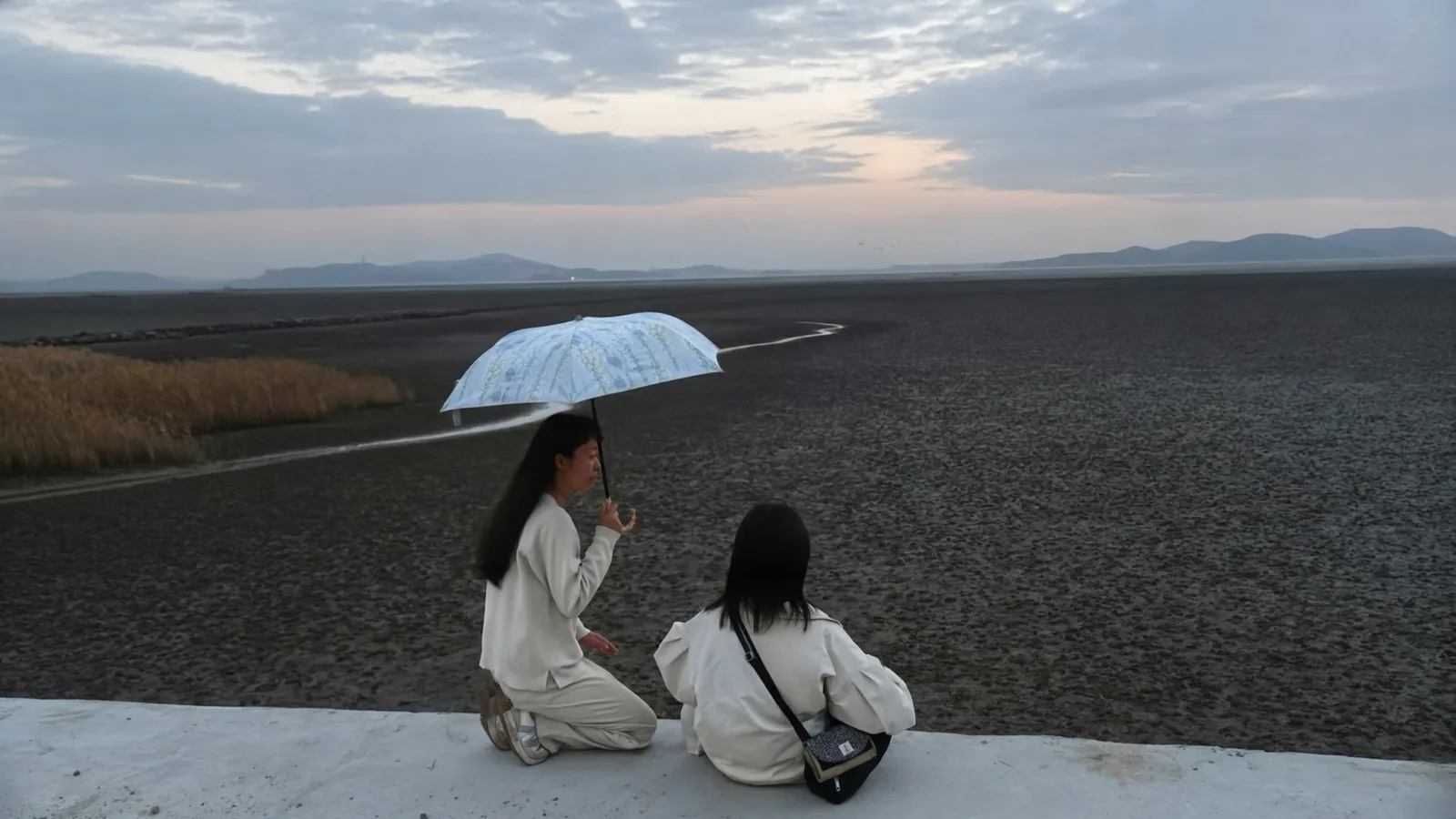
We see off today’s sun walking the mudflat path we will walk with the audience on Sunday the 8th, taking over from the final rite of Teatringestazione’s funeral. In case it rains, we also try making images with an umbrella.
We have lost count of how many times we have walked this path at the same hour. The sun, the clouds, the wind and the flocks of birds crossing the sky show a different landscape every day. What will the landscape of that hour look like when we see it with the audience?
Without words, in silence, how can we move the audience? We share ideas and try them out.
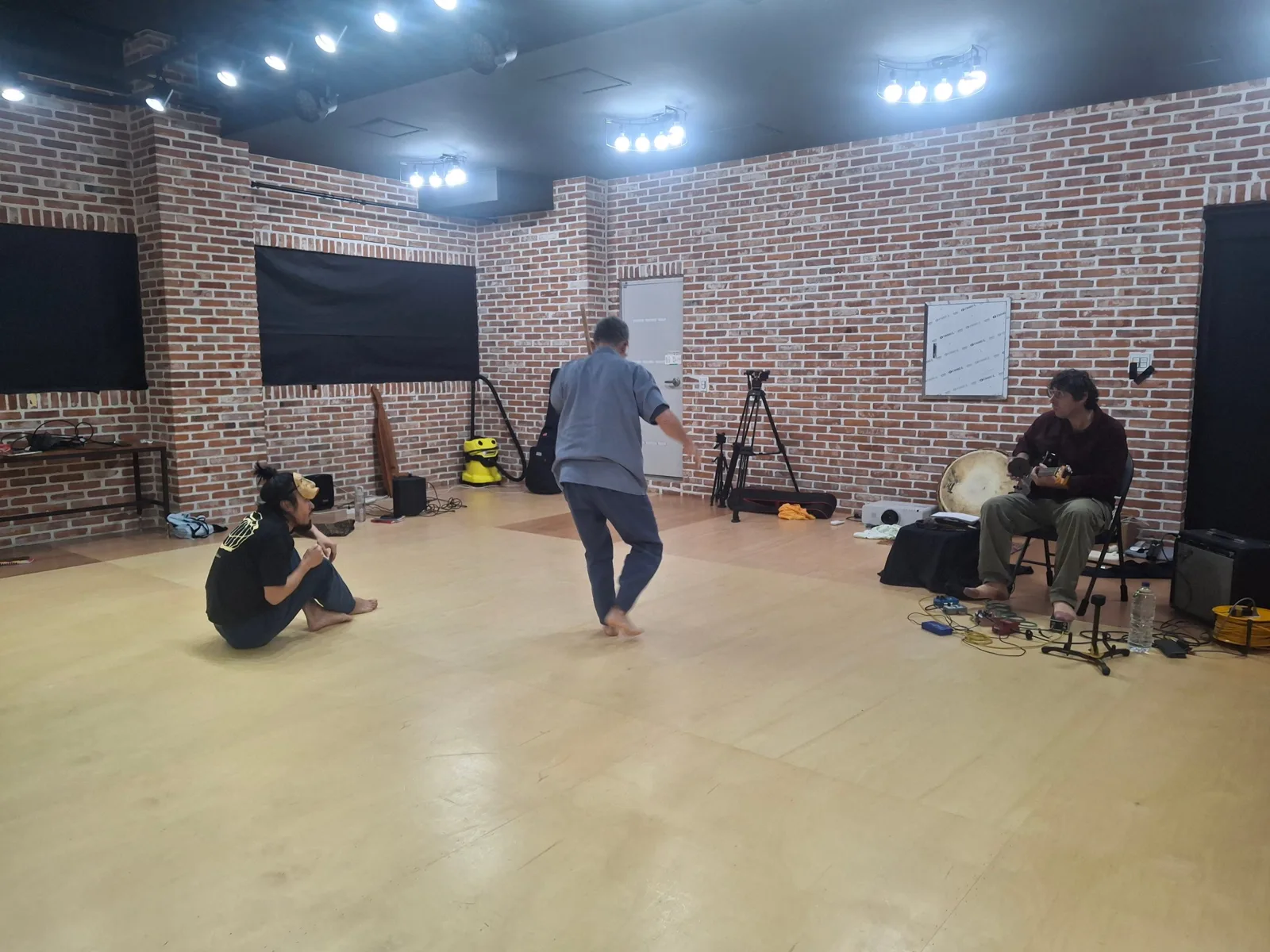
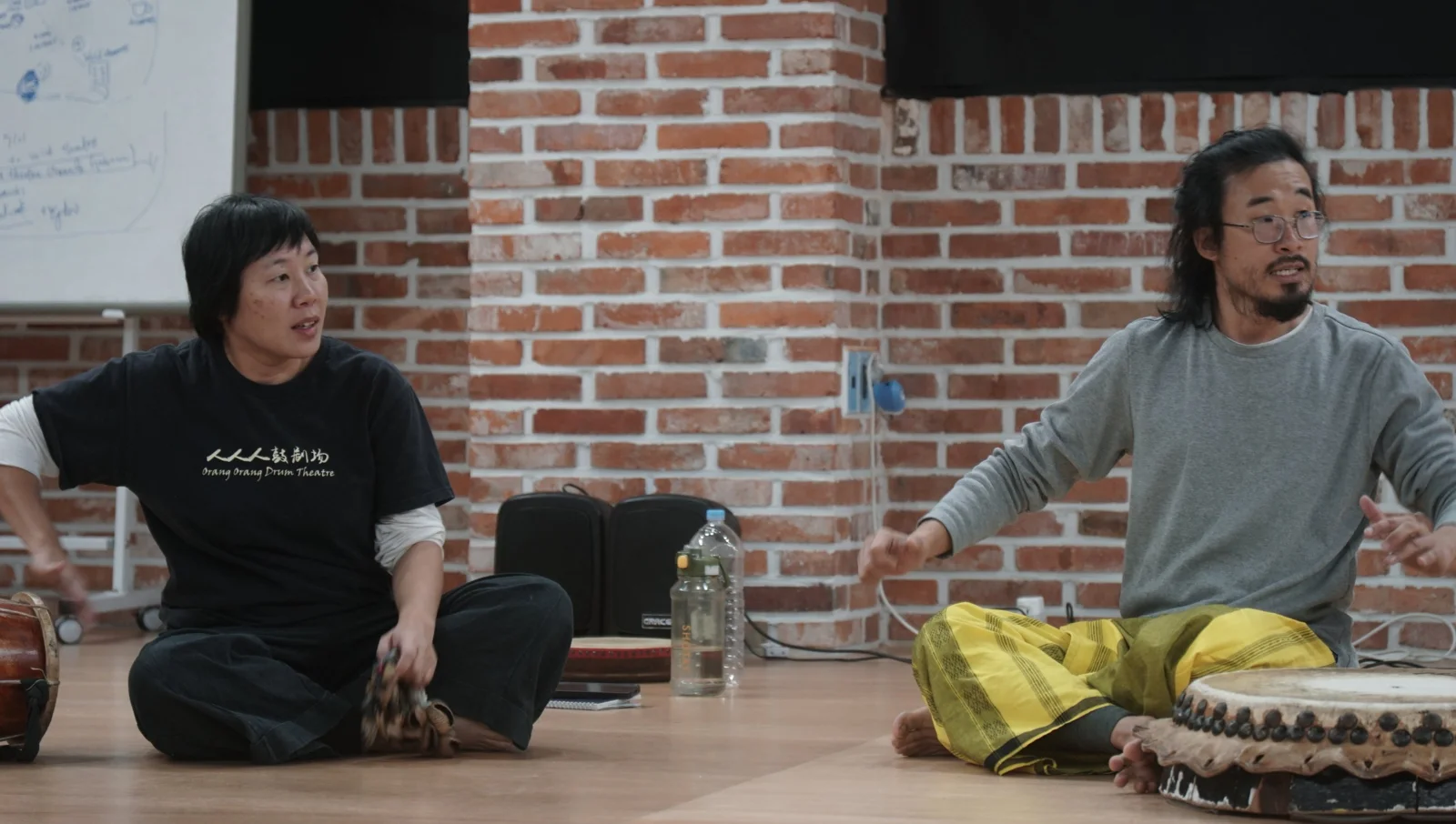
Team B · Orang Orang Drum Theatre rehearsing with collaborator Loïc
On our first day, during a walk around the neighbourhood, we met Loïc Gendry. We decided to work together and have met several times since.
Today we visited Odu Dondae, the performance venue, together to settle where the performance will take place, and then rehearsed at the Void Theatre.
We look forward to hearing what sounds Orang Orang Drum Theatre’s instruments and Loïc’s electronic instruments will make together.
Team B · Together and apart at Heewarae
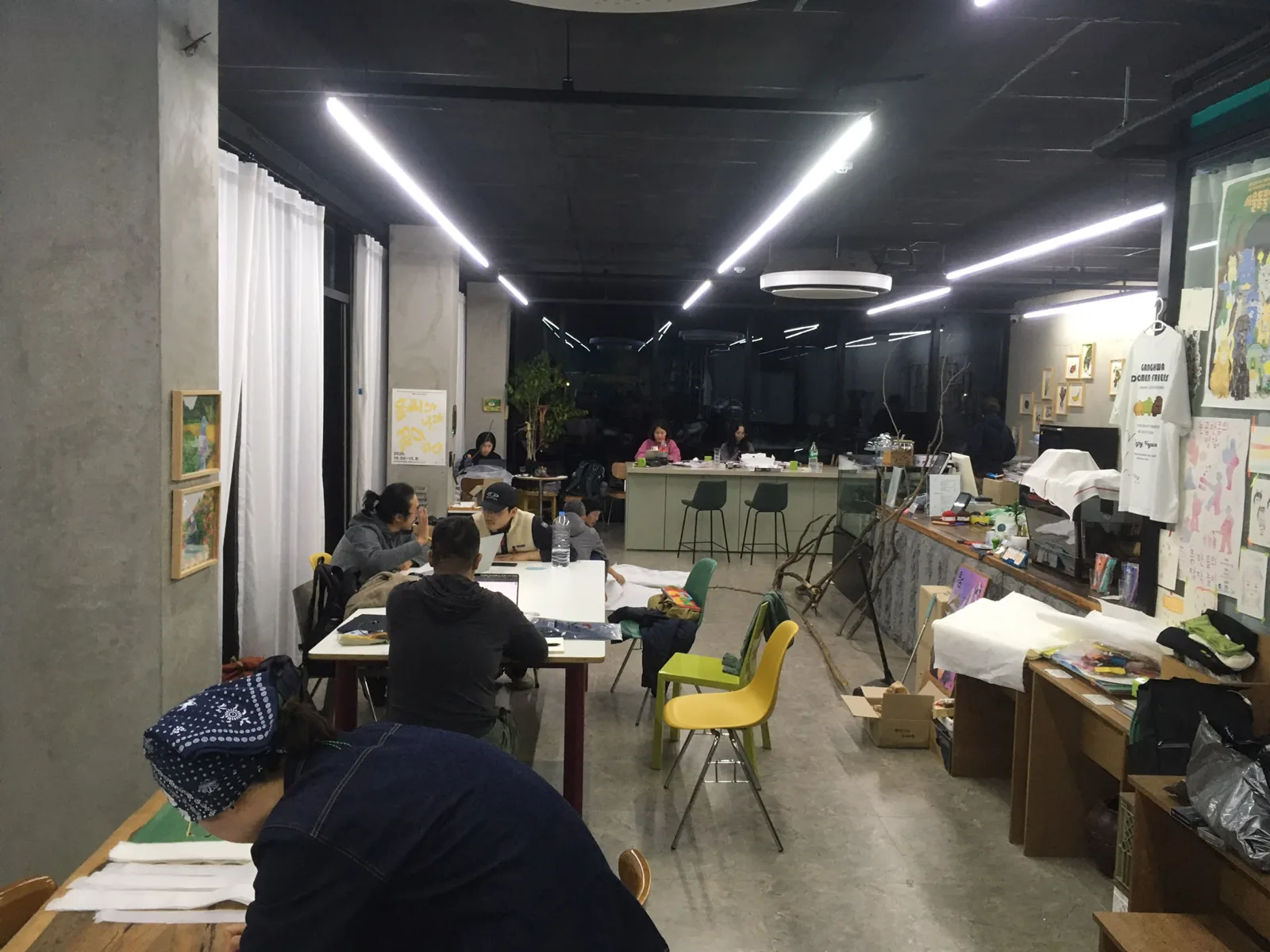
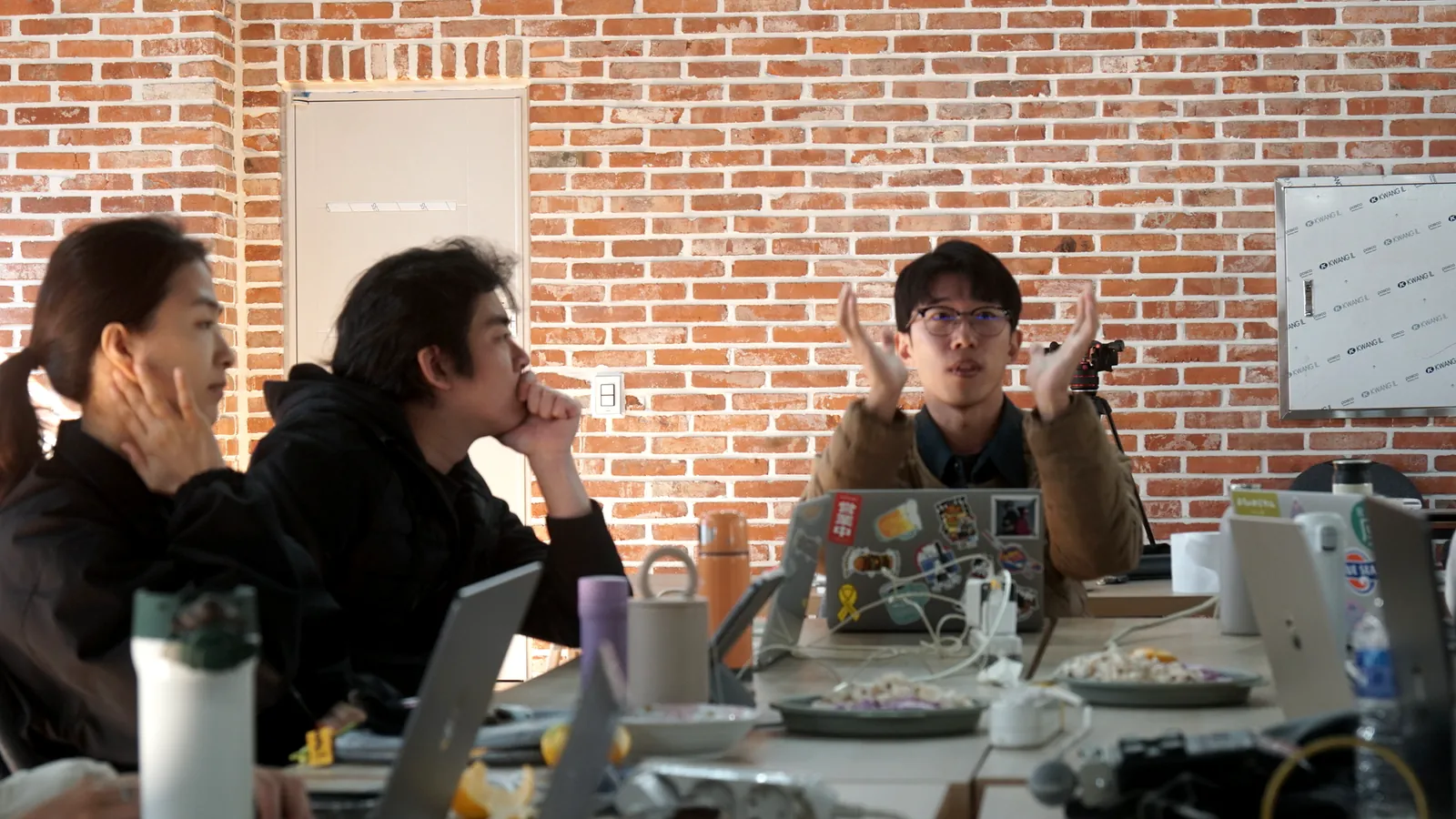
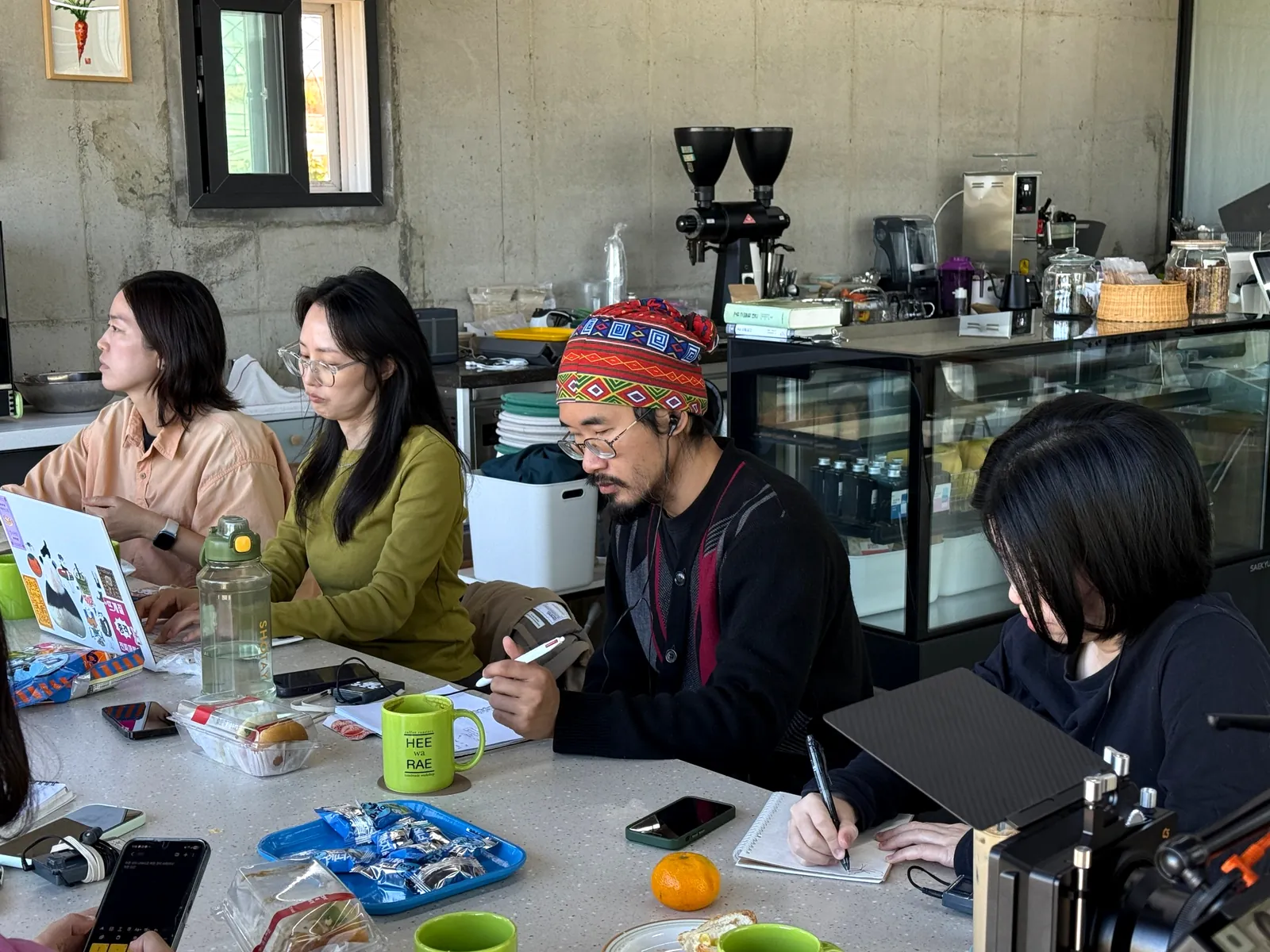
We gathered at Heewarae and carried on our work for Looking Out for All @Dondae. In the same space, each person’s work flowed quietly side by side.
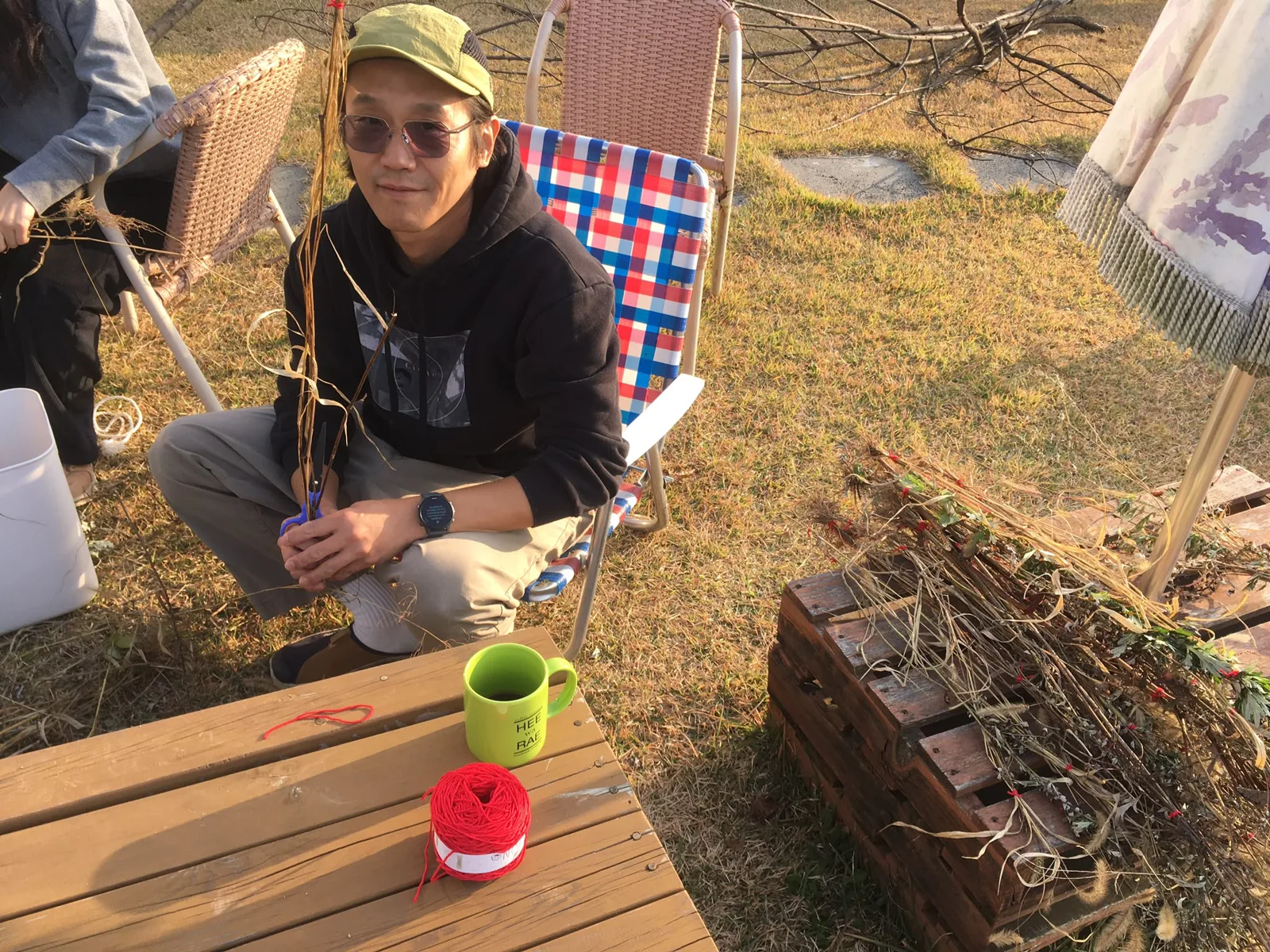
Shaw En edited the animation and made props for the performance. Heewarae prepared the installation. Narae copied the records of the past days onto hanji, and Toto wove branches and weeds together. Orang Orang Drum Theatre talked through the structure of the performance and discussed with Toto how to make the props. Heng sketched something to hand to the audience and checked in on everyone’s progress.
As the sun went down, we came together again to check the structure of the work one last time and to talk through the schedule and what is left to do.
4.11 Wed
Team A · Walking through the three days together
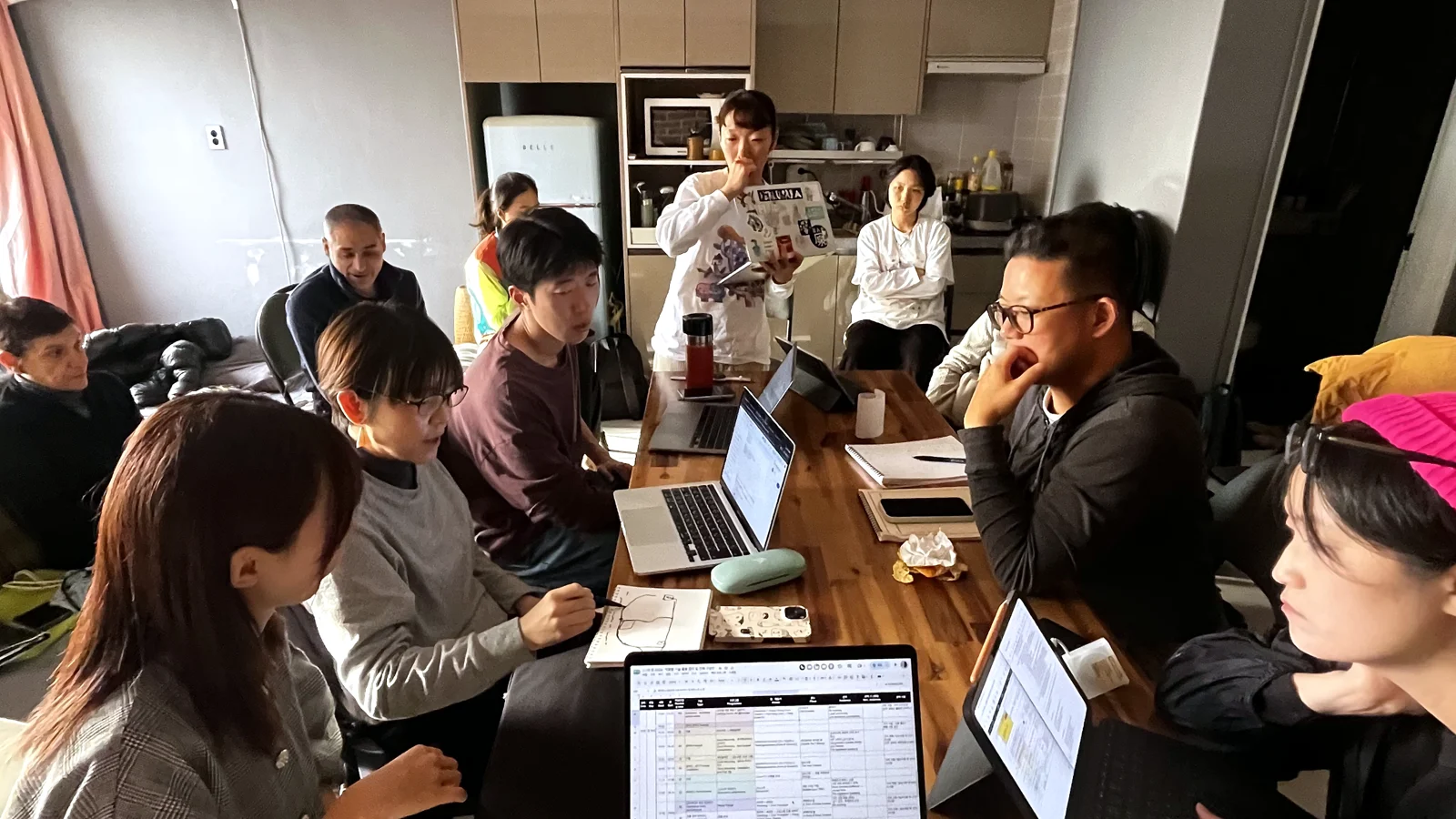
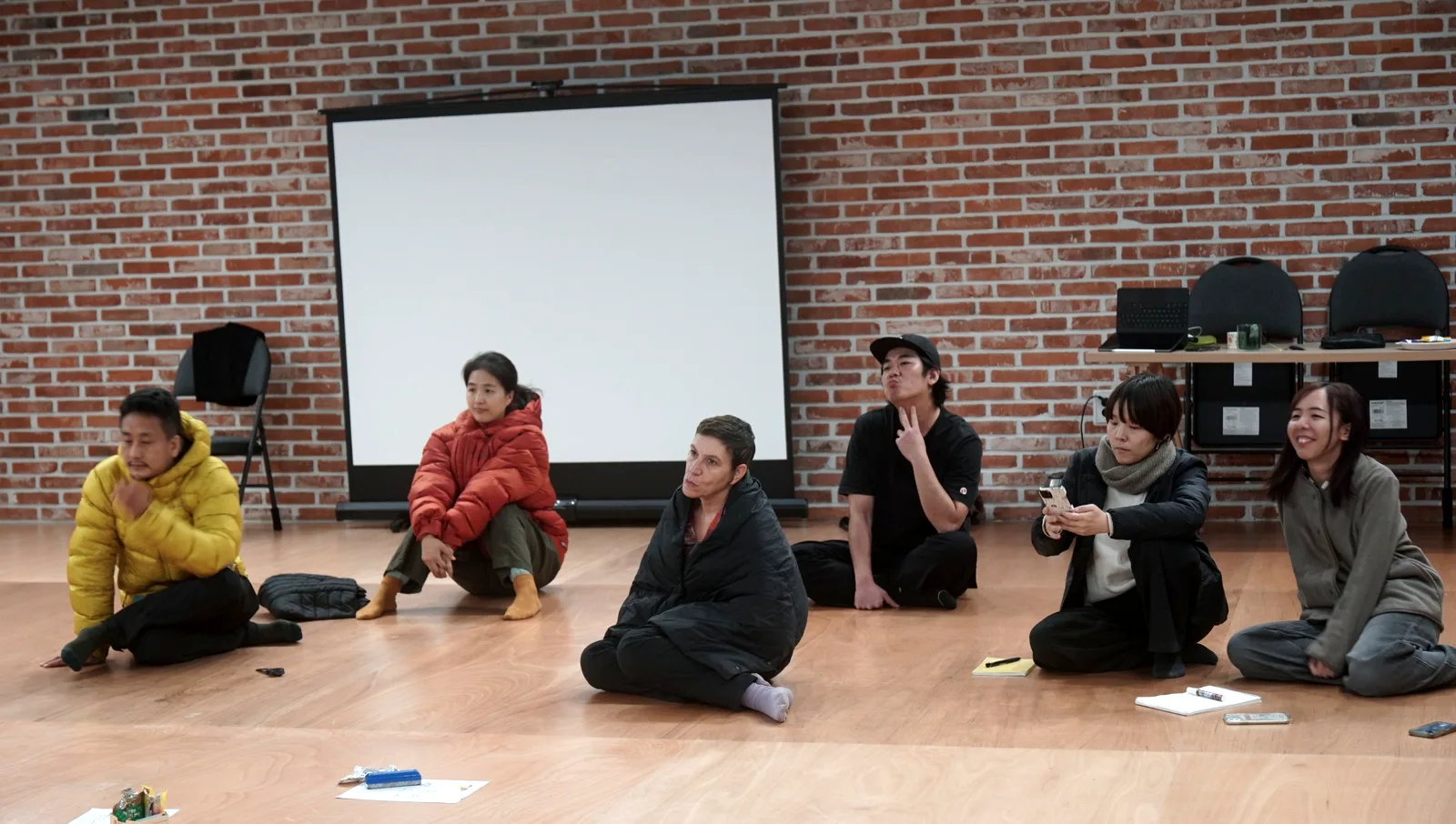
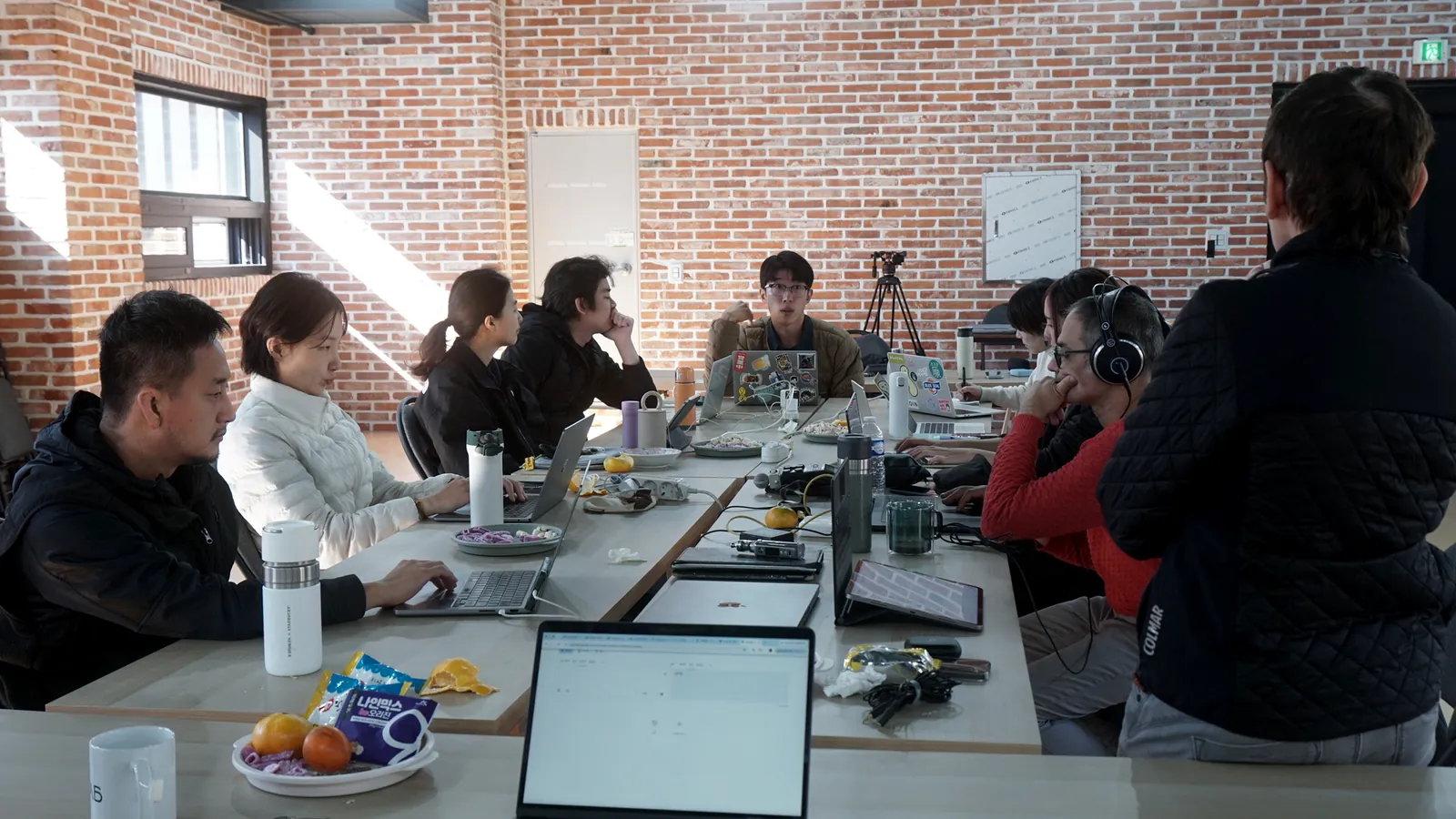
Sononochi, A.N.D. Theatre and Teatringestazione gathered with the production and tech teams to walk through Team A’s three days together. Following the flow of time, we imagined how A.N.D. Theatre, setting off on their three-day journey on Friday, will meet the other works on the road and at the funerals, picturing a time that has not yet come but soon will.
On the 8th, after Team B’s programme at Odu Dondae, everyone meets at the third funeral outside the convenience store, and from there the afternoon runs as one continuous flow to the final programme. Like passing the baton in a relay, how can each work be connected to the next? Following the dramaturgical structure, we discussed how each work could carry the one before it and take it further.
Afterwards, we prepared the set-up at the Void Theatre, where the funerals’ final installation performance will take place.
Team A · A.N.D. Theatre, over Gilsangsan
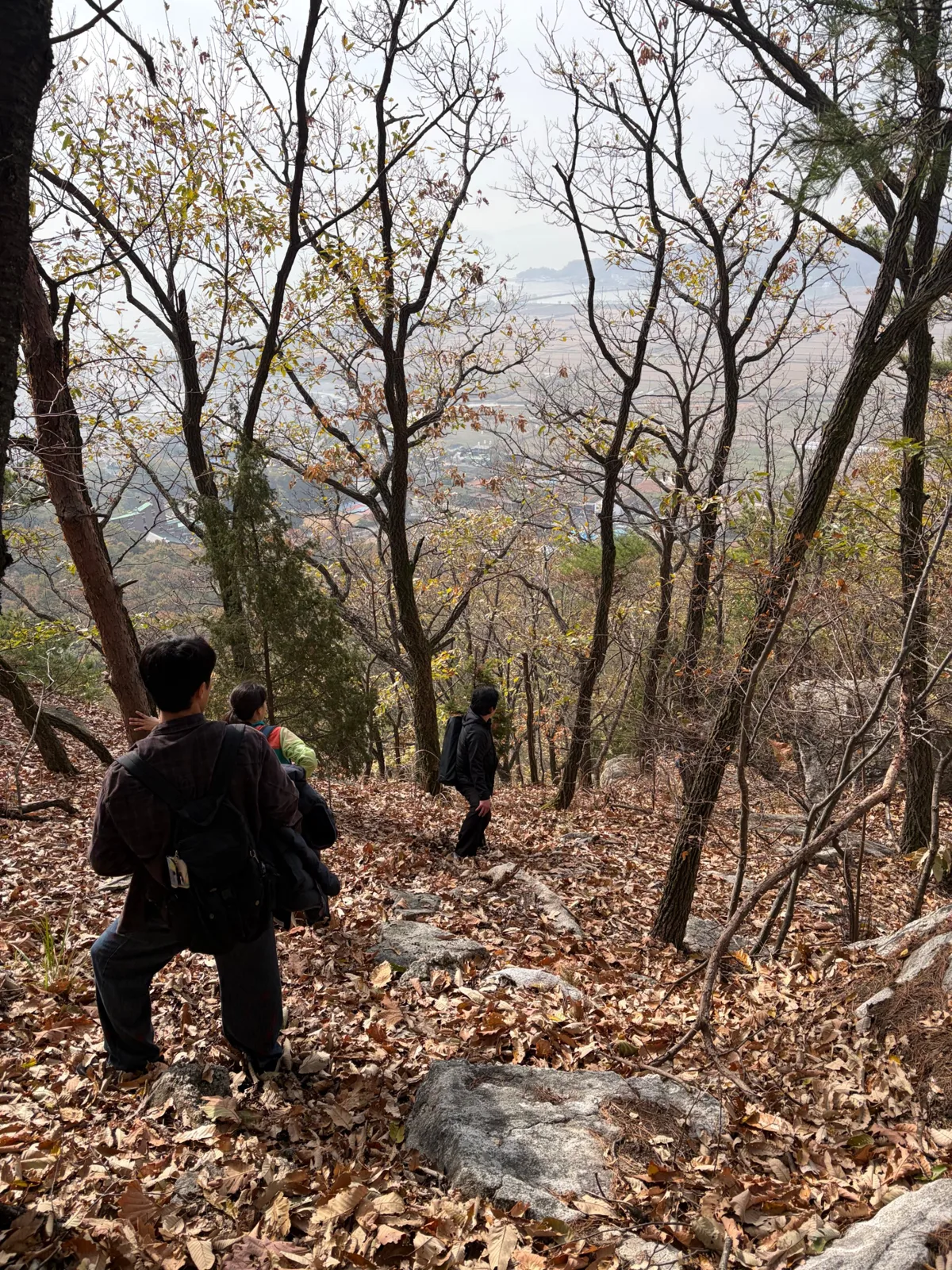
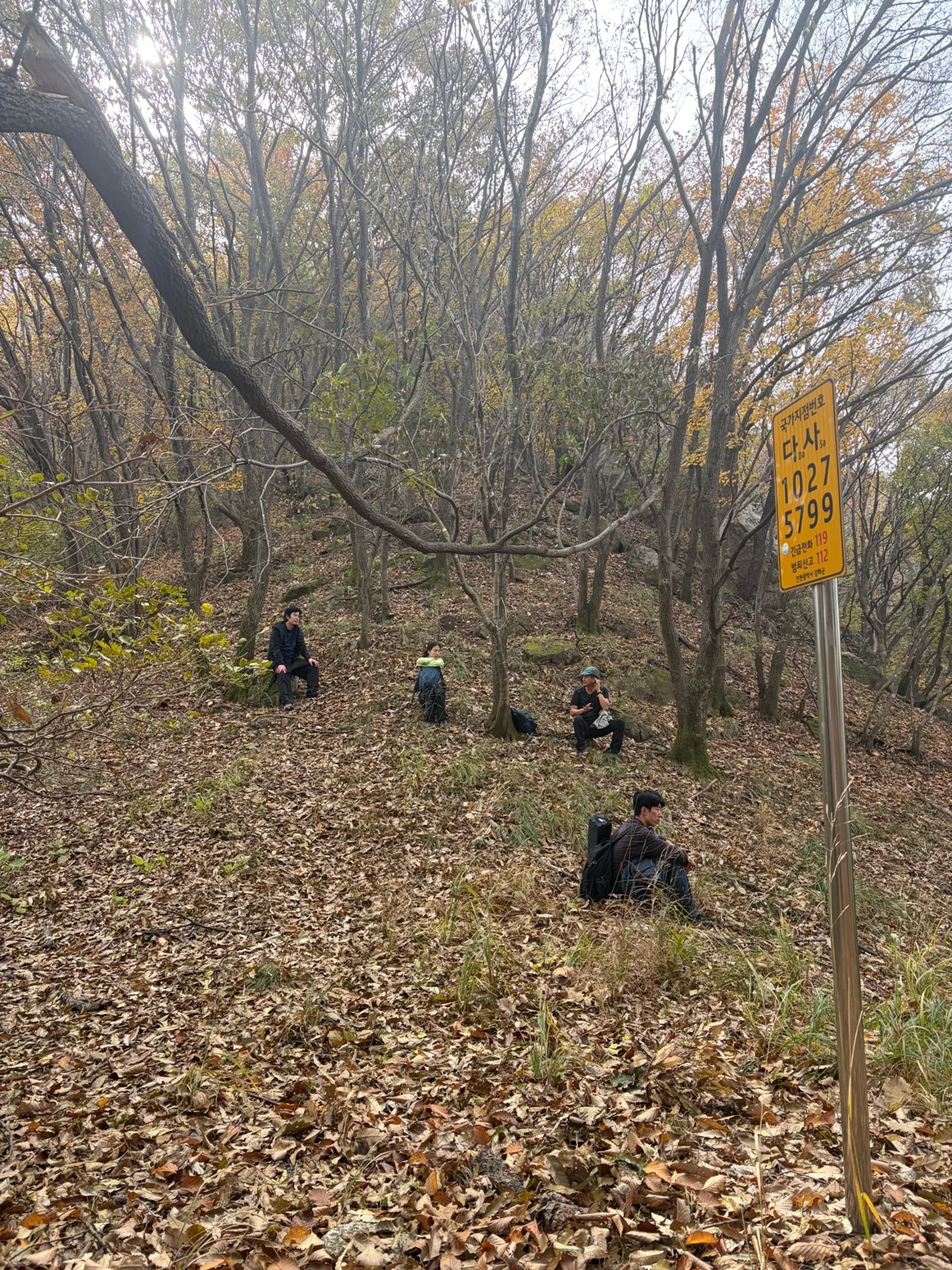
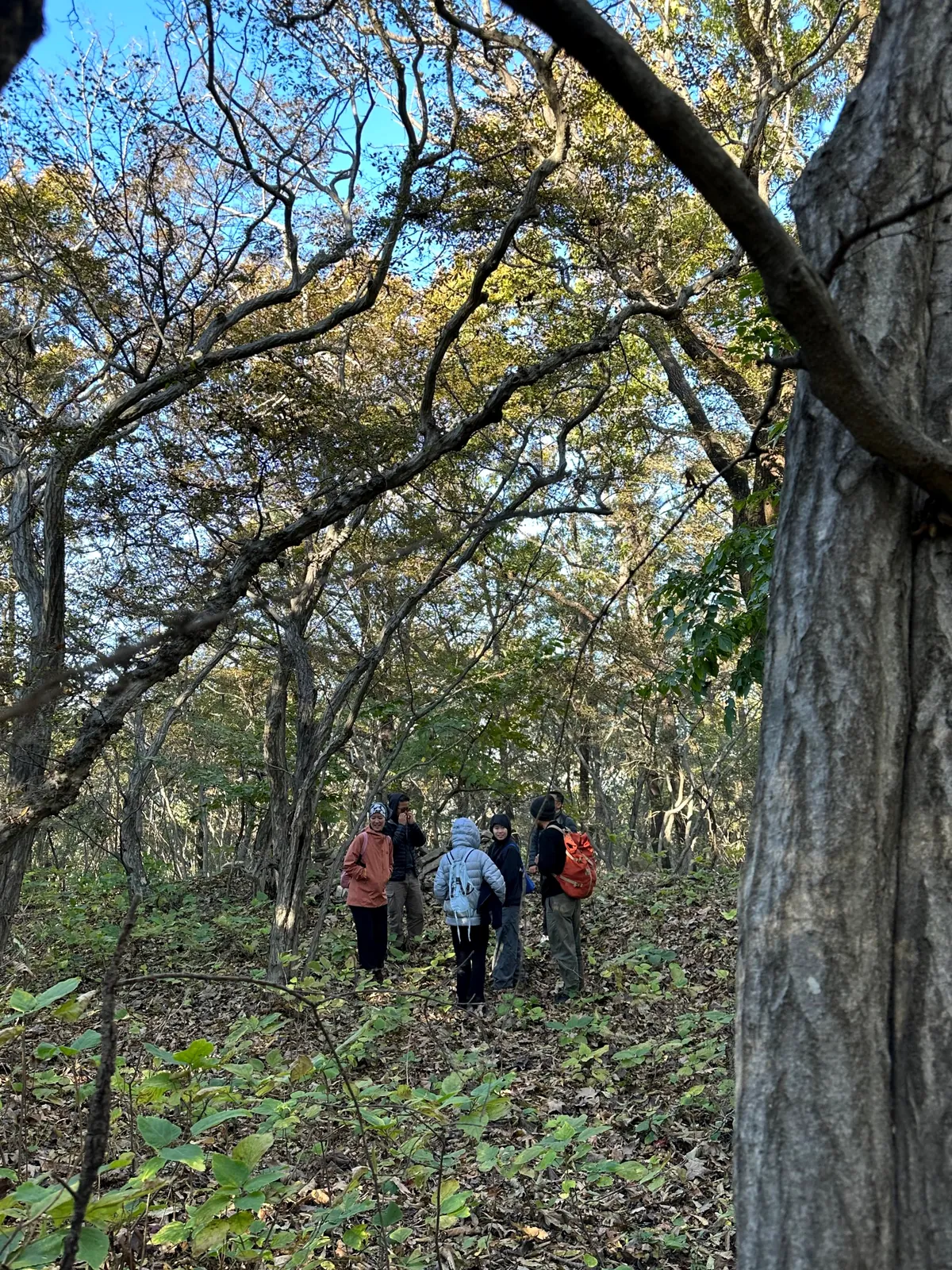
A.N.D. Theatre explored a route over Gilsangsan mountain. Starting from a small zoo in Onsu-ri and walking up to just below the summit, we sensed the mountains of Ganghwa with our bodies.
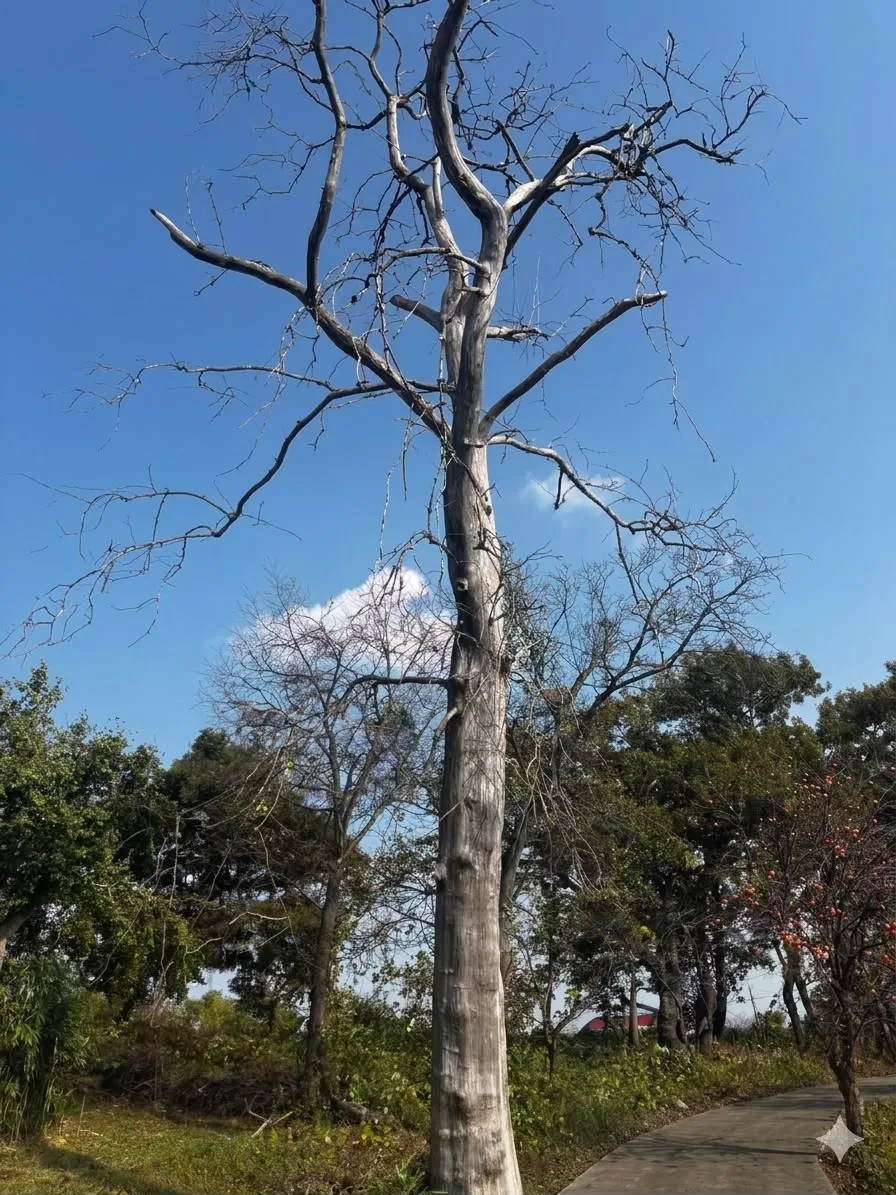
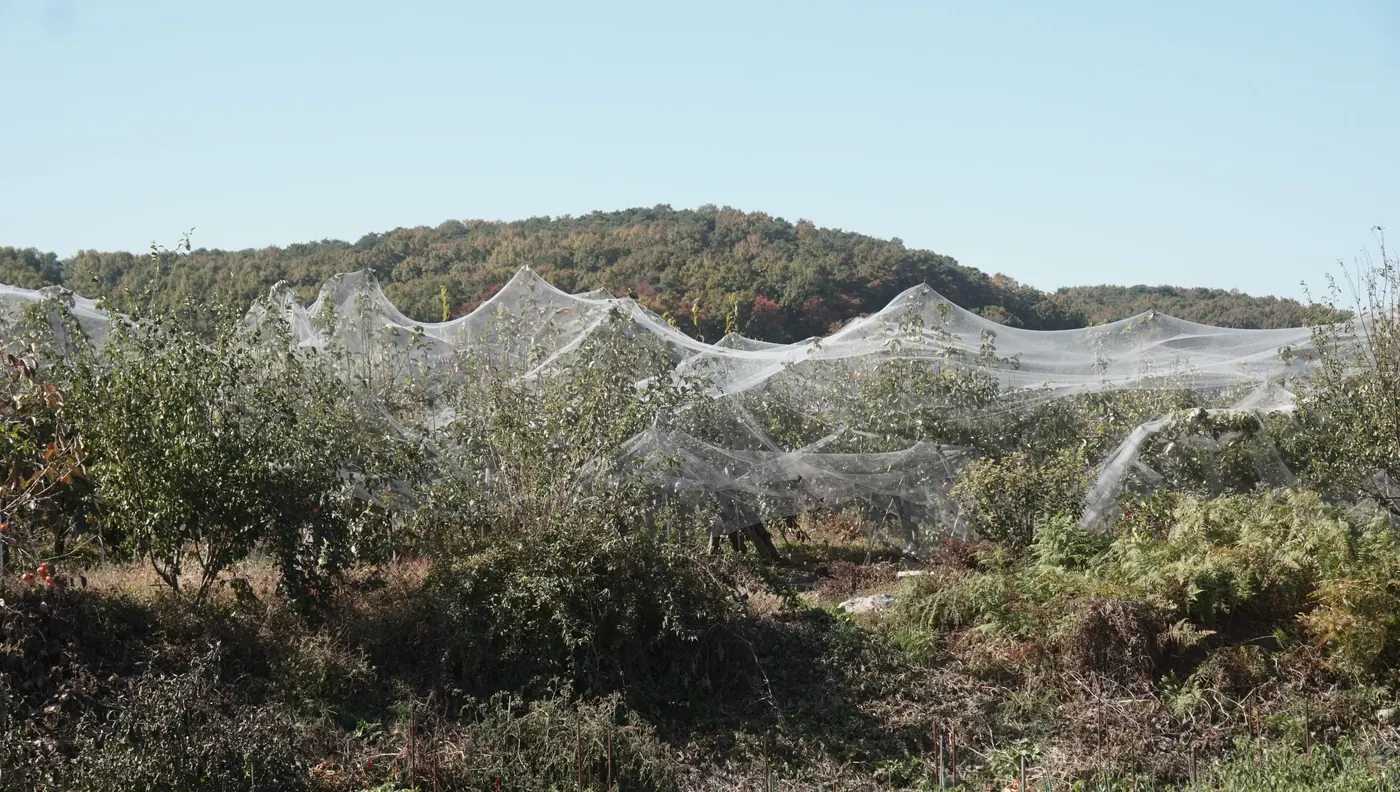
Rotting tree stumps, heaps of dry leaves, trees that had let go of their leaves and kept only their branches. It was a walk long enough to sense the time in which nature disappears.
What kinds of disappearance will we meet over the next three days?
Team B · Orang Orang Drum Theatre, from Donggeombuk Dondae to the Void Theatre
Today we went back to Donggeombuk Dondae for the second time. We collected branches there to make props for our performance. We also returned to the bridge that inspired us, where an old sashimi restaurant stands closed.
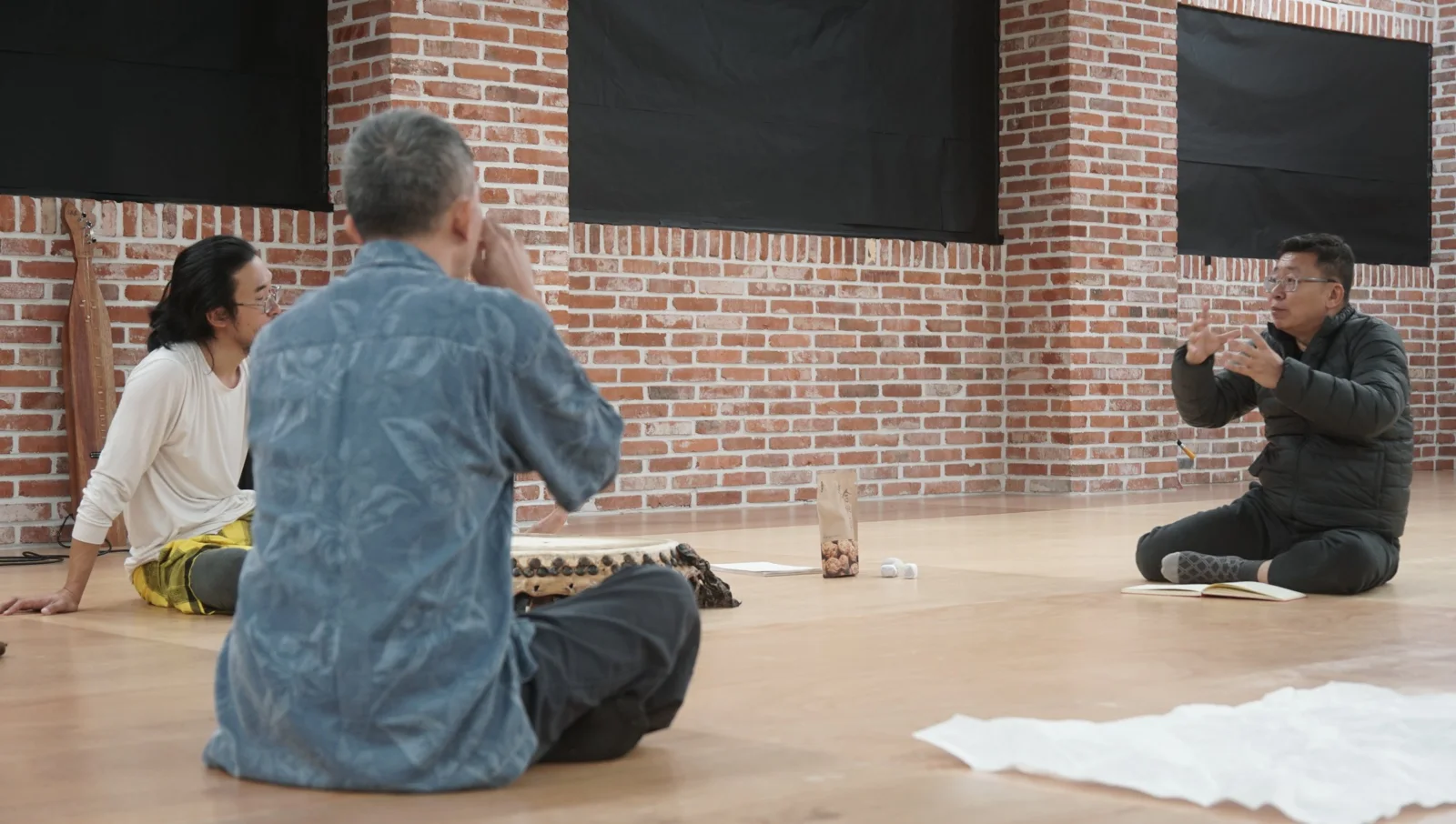
Then we came back to the Void Theatre to work on the performance. How do we translate our physical experience and our thoughts into a performance language? Each of us worked with a different keyword, and we began to put them together. We are also excited to work with our dramaturg, Kok Heng Leun, as he organises our material and shares his point of view.
The piece is cooking right now. We can’t wait to see it appear soon.
Team B · Chew Shaw En, the last day at Areumdaun Local Children’s Centre
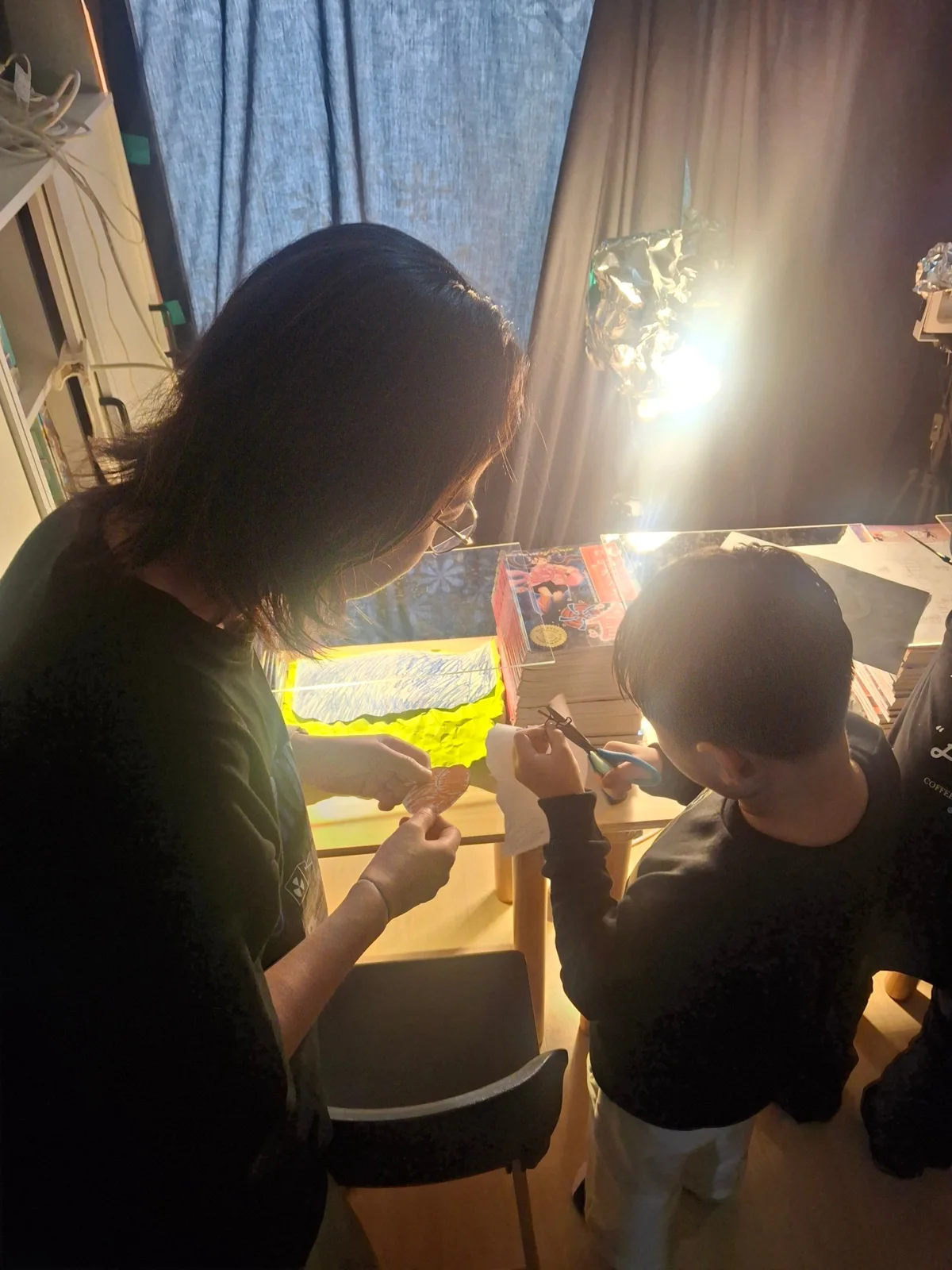
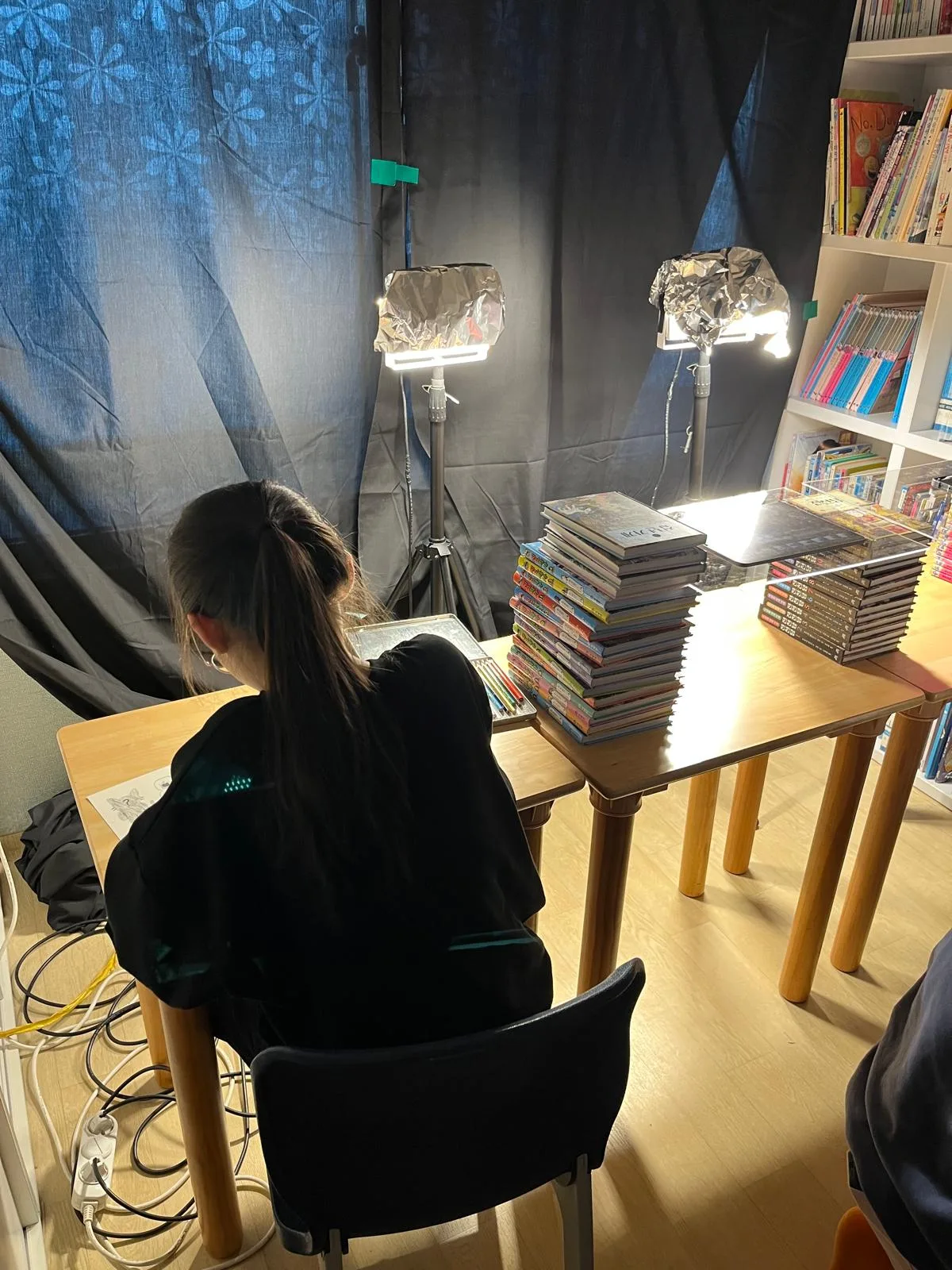
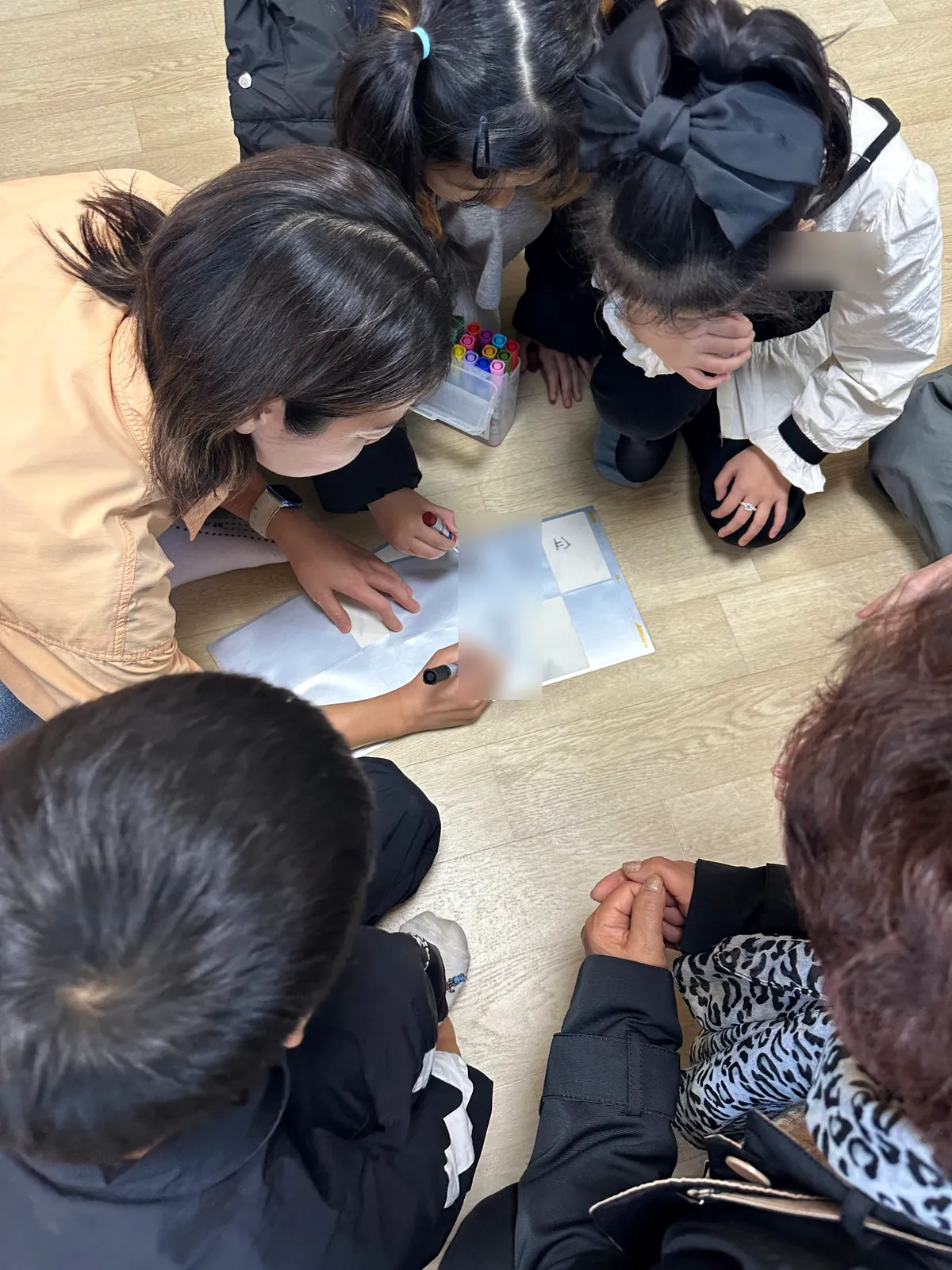
It was a lovely, lovely third and final day with the three kids from Areumdaun Local Children’s Centre. Siwan, Minkyung and Yohan were on fire. We rode the momentum from the previous two days, were very productive and laughed a lot with each other. The kids came straight in, went to their work stations and got to work by themselves.
After each session, I try to take in what they have said and created, and prepare new translated facilitation plans or a creative response to them. For the third session I had edited what they did in the second, so I could give them a taste of what the final edit might look like.
Collaboration and communication between the adults and kids became more of a flow today, and we bounced ideas off each other and built on them. We needed to wrap things up, so we audio-recorded everybody’s story of disappearance, and keeping quiet during a recording proved to be a ‘challenge’, hahaha.
Many thanks to Heewarae for working on this with us, and to everyone who helped make it possible and kept the whole process as smooth and comfortable as it could be.
3.11 Tue
Team A · A.N.D. Theatre, from Yongdang Dondae to Space And
We scouted the route of Walking as Witnesses to Disappearance from Yongdang Dondae to Space And. At Yongdang Dondae we met Orang Orang Drum Theatre, and together we explored the openings through which the audience might step into the walk.
Boyz played the sape. Zyee and Damien added melodies to his playing. Minji learned from Boyz, step by step, how to play the sape. After parting from Orang Orang Drum Theatre at Yongdang Dondae, we set off walking again.
Team A · Sononochi, a meal with Keunnamu Camphill
Sononochi was invited by Hyunsook, the owner of the Gukja & Jugeok bookshop, to prepare a Japanese meal for the residents and staff of Keunnamu Camphill, a nearby community.
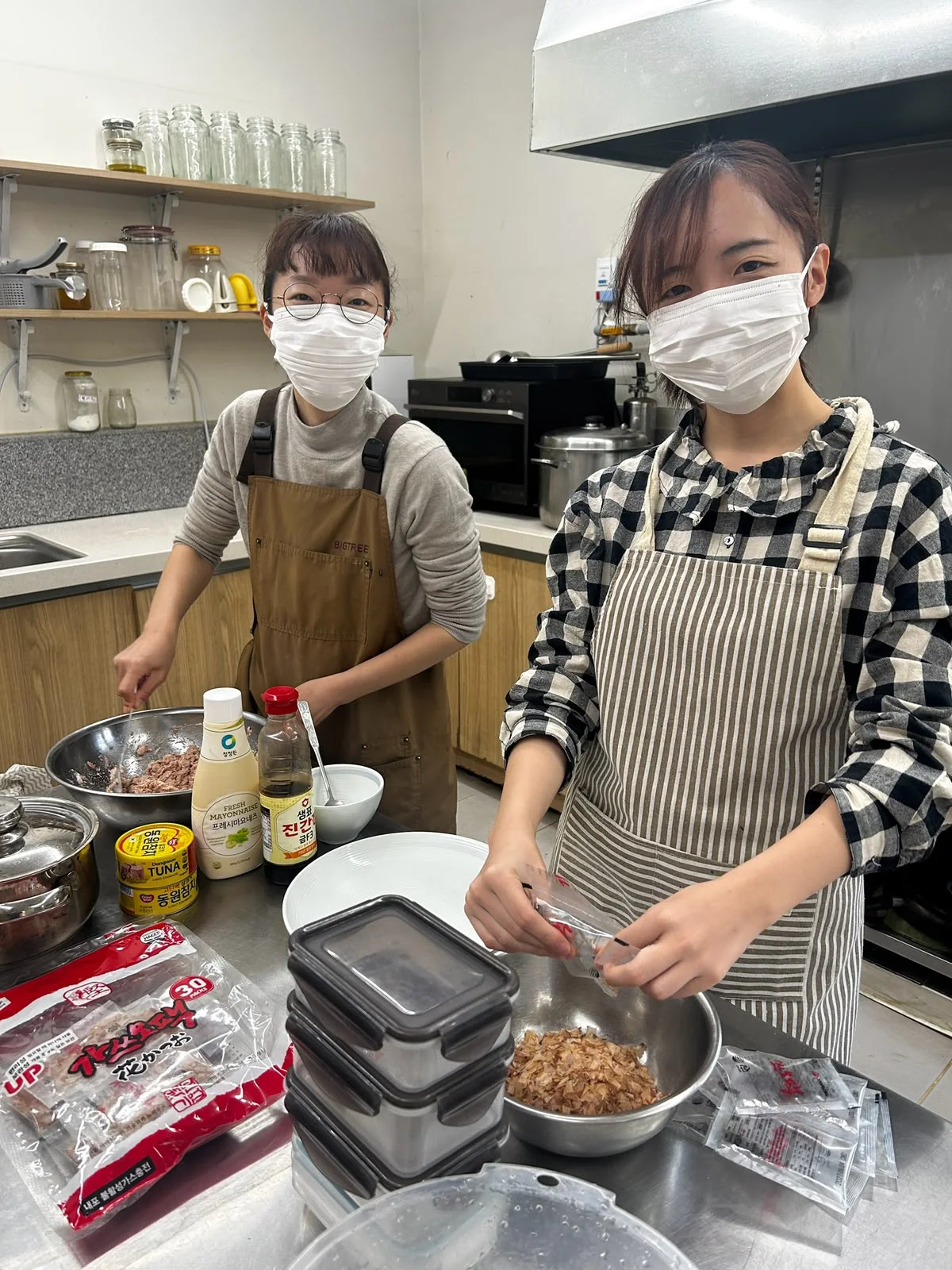
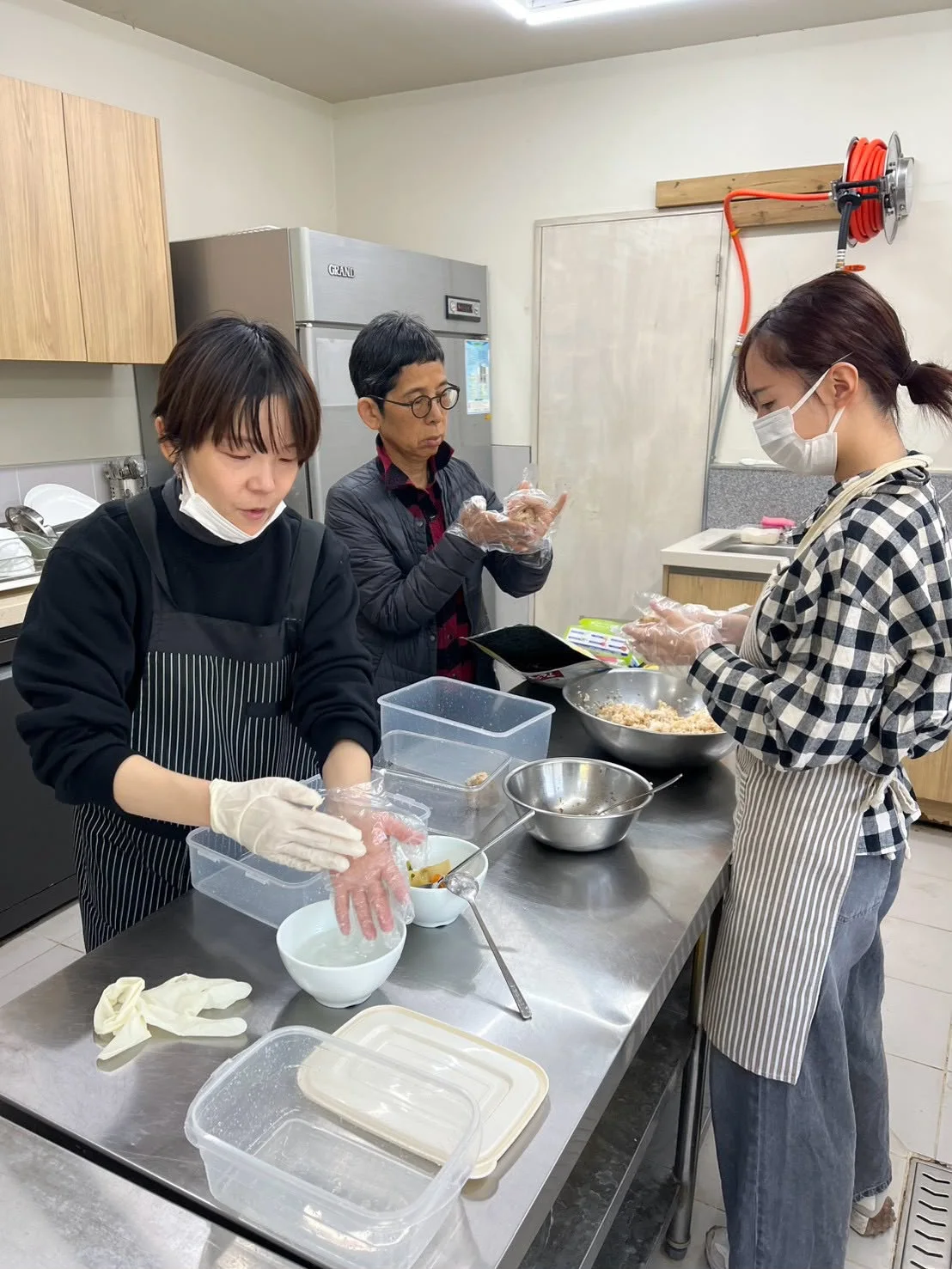
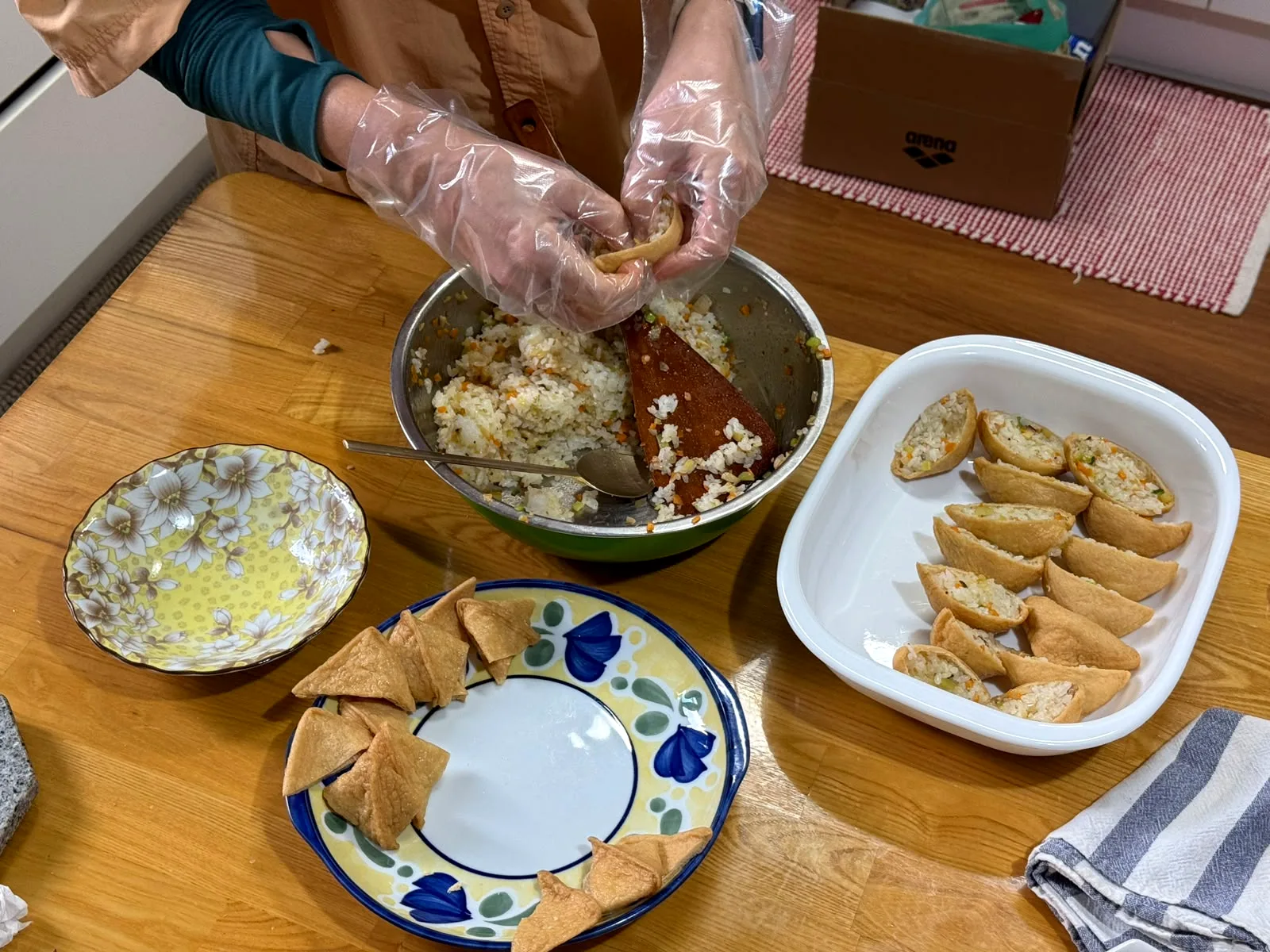
They cooked nikujaga, a Japanese stew of meat and potatoes, and onigiri (rice balls), which they shared alongside a variety of Korean banchan. The meal brought together Japanese and Korean food cultures, creating an opportunity to connect through food and conversation. For Sononochi, which values the experience of doing things together, this was a particularly meaningful and enriching time.
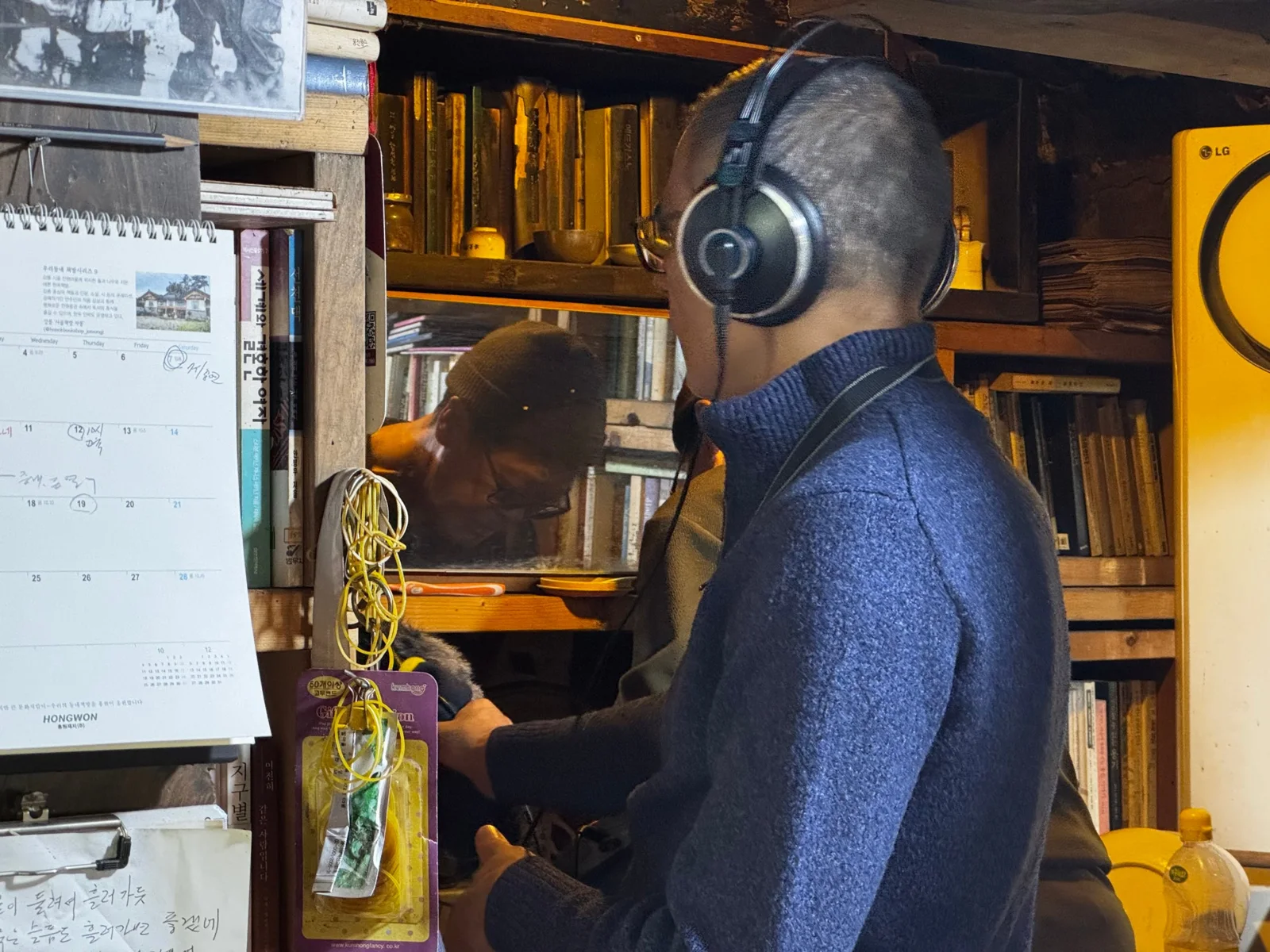
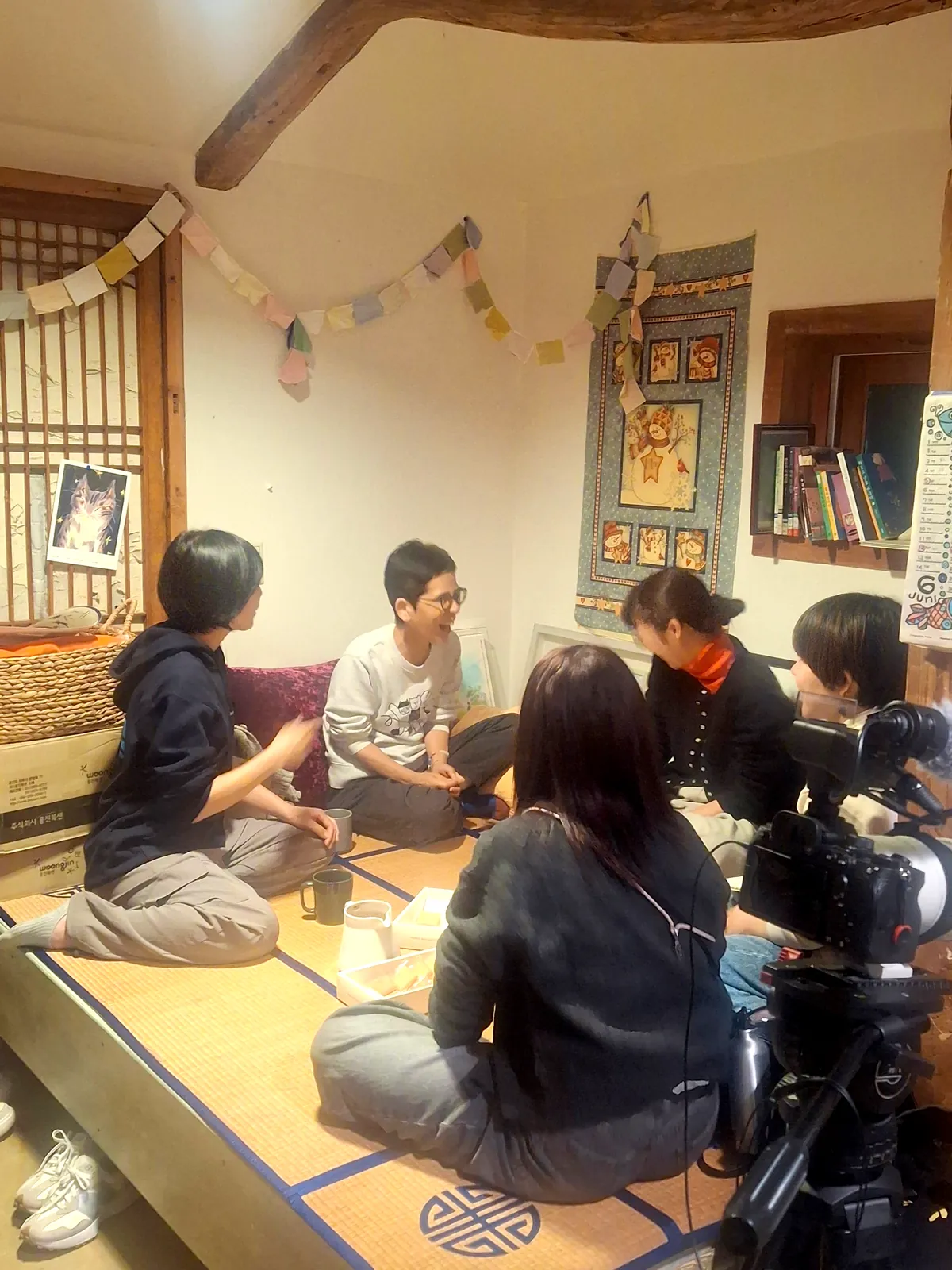
In the afternoon, they rehearsed at Gukja & Jugeok. Later, they interviewed Hyunsook, listening to more of her stories and experiences. In the evening, they shared a meal prepared by the teams from Singapore and Malaysia, together with members of the local community.
Team A · Teatringestazione, at the house of the second funeral
Anna and Giovanni, who are preparing Good Mourning, are getting ready for three funerals held in life. At the house where the second funeral will take place, they recorded the sounds of his everyday life and rehearsed, walking step by step through the time that will unfold on the 7th.
They met him by chance on their visit last year, drinking and singing together and sharing part of his life, and that encounter led them to make his funeral together. The hours spent talking about good mourning and a good death have built up, and now they wait for the 7th.
Team B · At Sanmaeul High School
The students were amazingly generous in sharing their drumming skills and their knowledge of their drums with Orang Orang Drum Theatre. We learned some basic rhythmic patterns and steps from them. They told us how grateful they were for an international exchange, a very rare opportunity for them.
In turn, we showed them our way of drumming in Malaysia, and we improvised together with instruments from different cultural backgrounds.
“Eolssu, eolssigu, jota!” is what we remember most from all they shared with us.
2.11 Mon
Team A · Sononochi
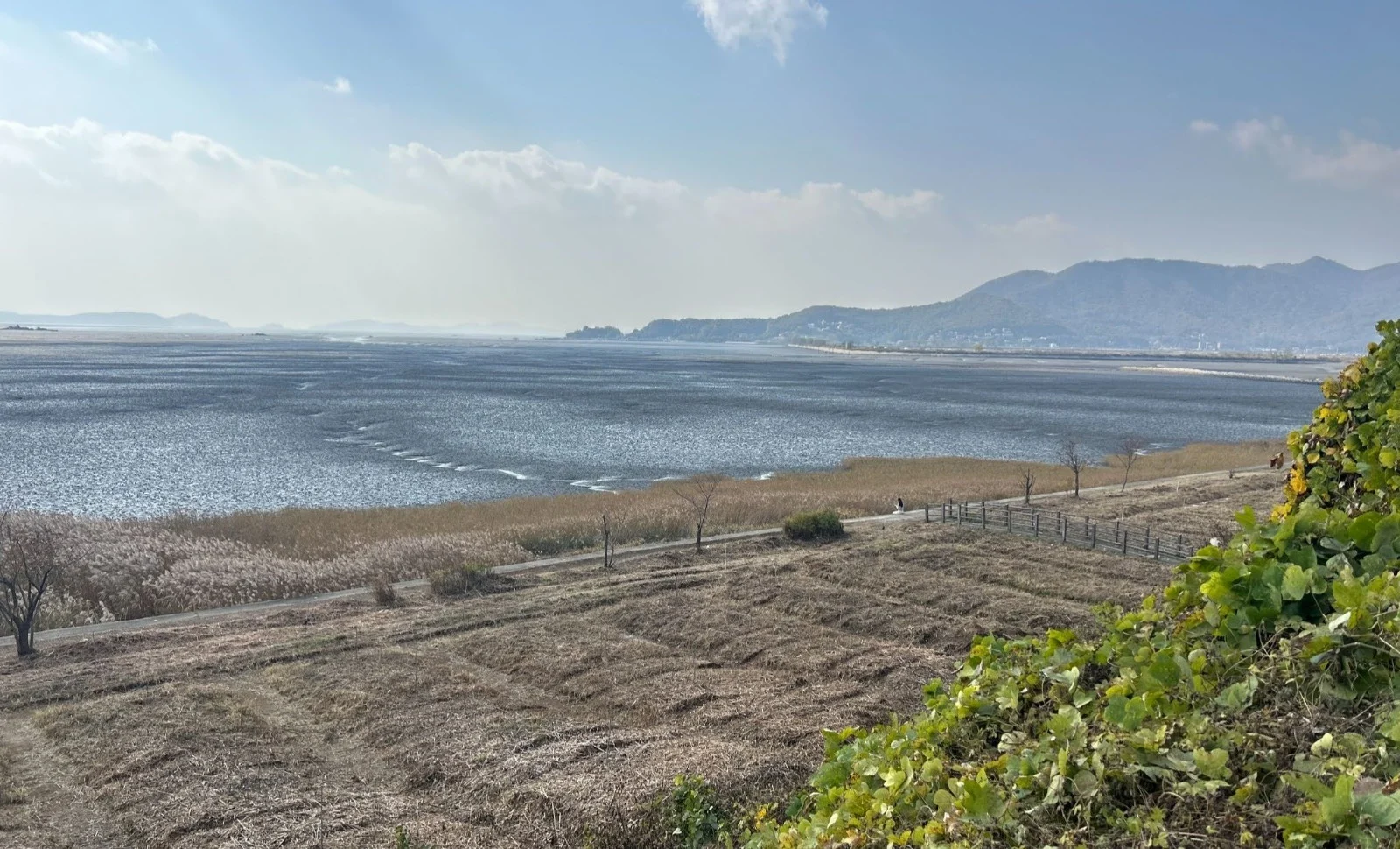
Following their Saturday performance at the bookshop Gukja & Jugeok, A Homeland We Cannot Return To, and a Woman Who Shares the Seasons Here, Sononochi are preparing a Sunday performance set within the vast landscape of the mudflat. Today, for as long as the sun was up, they walked and walked along the mudflat on the shore behind the Void Theatre. Where the landscape and the performers meet, where should the audience be? They are shaping the work around how the performers and the landscape will sit together in the audience’s view.
Team A · Teatringestazione
In the morning, Anna and Giovanni met Seomseom to interview and record him as they shape his funeral. If, after you die, you appeared in the dreams of the person you love most and the person you hate most, what would you say to them? What is the legacy you leave behind? They then went through the technical needs and materials with the tech team. In the late afternoon they met Hwanggu and talked through their plan for a funeral as performance, and late at night they met the owner of the 7-Eleven again to share the basic structure. The three funeral performances are slowly coming into focus.
Team B · At the Ganghwa Welfare Centre for People with Disabilities
We met staff at the Ganghwa Welfare Centre for People with Disabilities and talked about the changes they have seen and their experiences of care while working alongside disabled people. It was striking that in every community, when people talk about what they miss now that it has disappeared, pumasi (sharing labour) and jeong (affection) come up. We also introduced Orang Orang Drum Theatre’s farming and way of life, and talked about ways of living in other places.
One staff member told us about her grandfather, who made sochang cotton cloth for nearly seventy years. Seeing no future in it, the family closed the factory, but later sochang began to attract attention again as a cultural resource of Ganghwa. She found meaning in the fact that her grandfather’s life’s work is now recognised as part of Ganghwa’s cultural heritage, yet wished the change had come a little sooner. Today, she added, whether in farming or any other industry, it seems hard to survive without a connection to culture.
Team B · At Areumdaun Local Children’s Centre
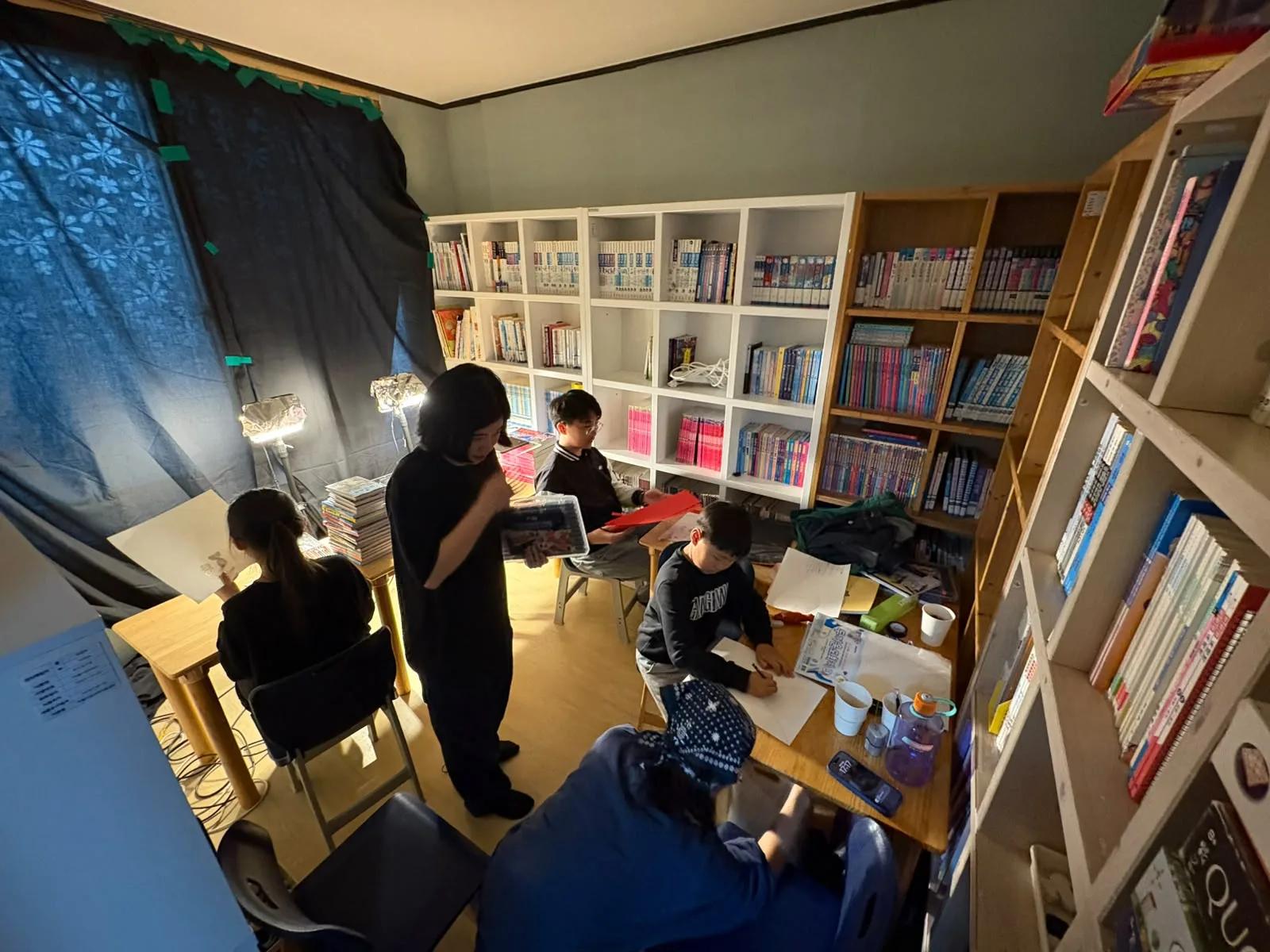
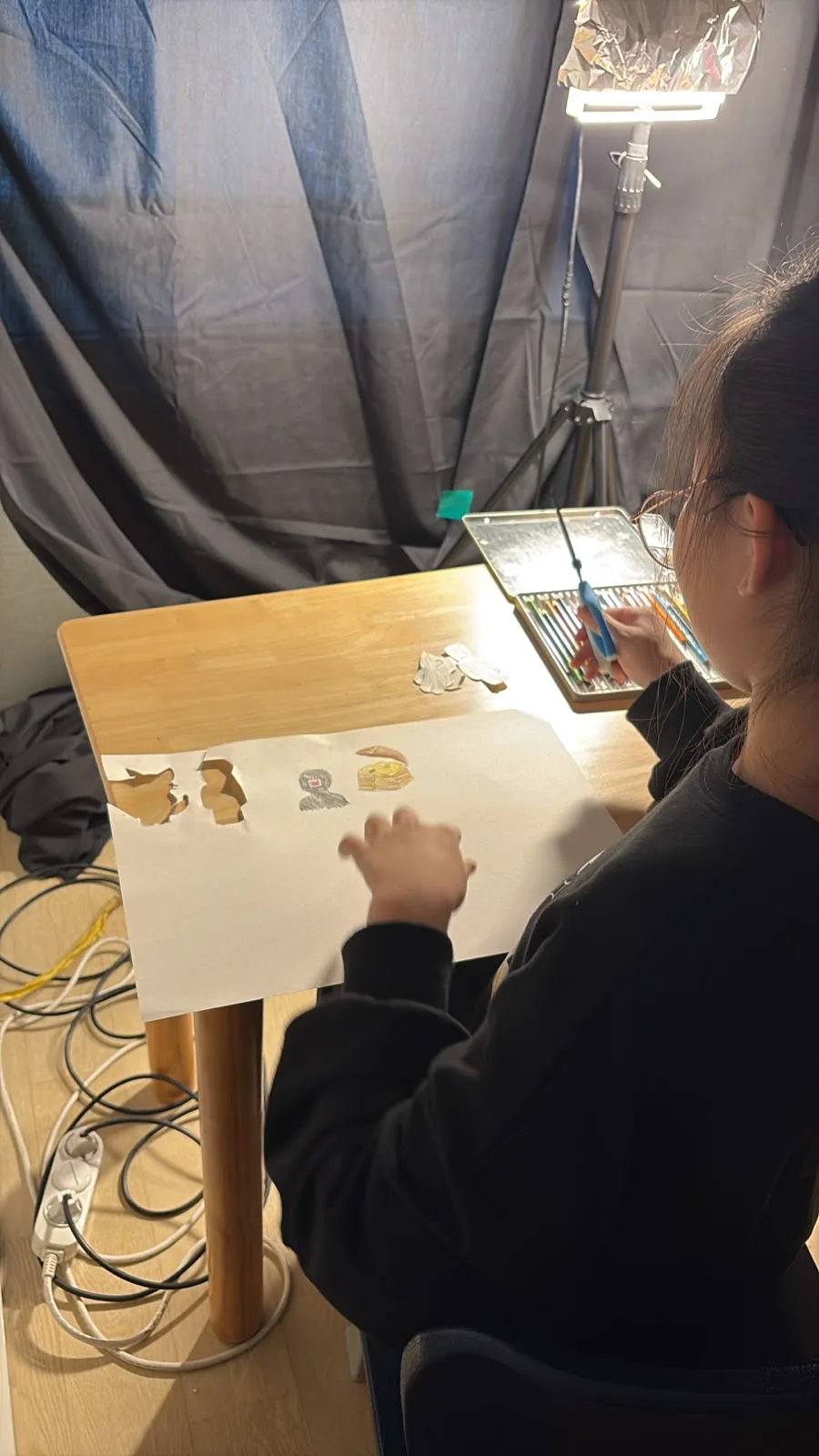
Shaw and Heewarae worked with three children on their stories of disappearance. The children first focused on writing their stories, then moved on to making puppets of the characters in each story. This was the first day of a three-day process, and we were deeply moved by the complexity and depth of feeling in their stories. While the stories themselves are about loss, our time together was lively and fun. The kids really enjoyed themselves, and so did we. We are looking forward to seeing them again tomorrow!
1.11 Sun
Team A · Sharing each team’s work
After a day of rest on Saturday, we gathered in the afternoon to share how each team’s work has developed. A.N.D. Theatre has gathered what they will read, listen to and talk about with the audience over three days of walking across Ganghwa. The audience will encounter texts A.N.D. Theatre has met over the past five years of their work, on a journey to find questions of their own to carry with them. Sononochi walked around the mudflats behind the Void Theatre and found inspiration quite different from last year. They are now thinking about how to meet the audience as the sun goes down on Sunday evening, and how performers should exist within the landscape. Anna and Giovanni are giving dramaturgical shape to the funerals of three citizens. Our discussions will continue on where these three funerals, following one after another, will arrive, and on how we will meet the audience from Sunday afternoon until after dark.
Team B · Autumn harvest festival at Dogam Ppuri Farm
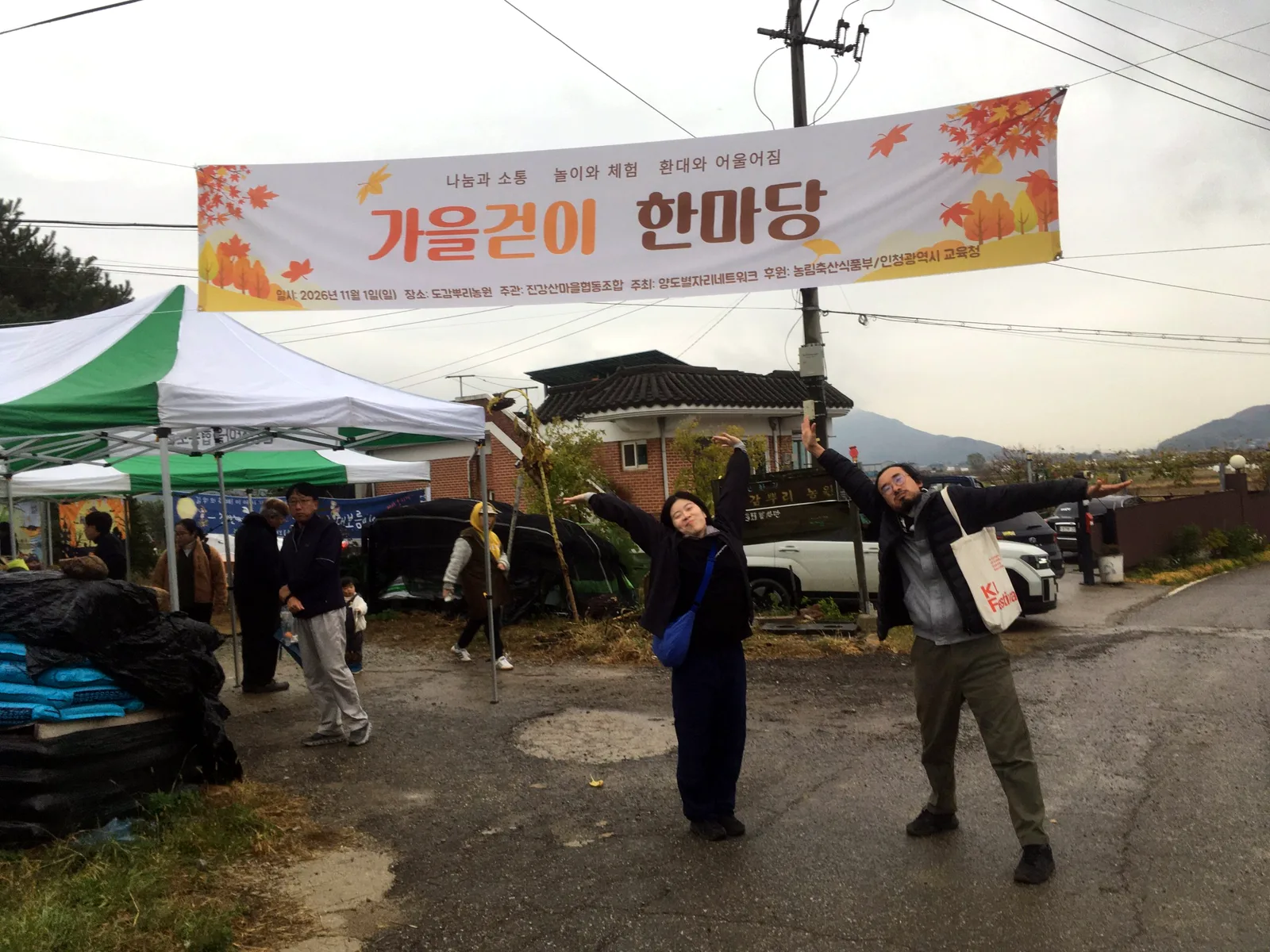
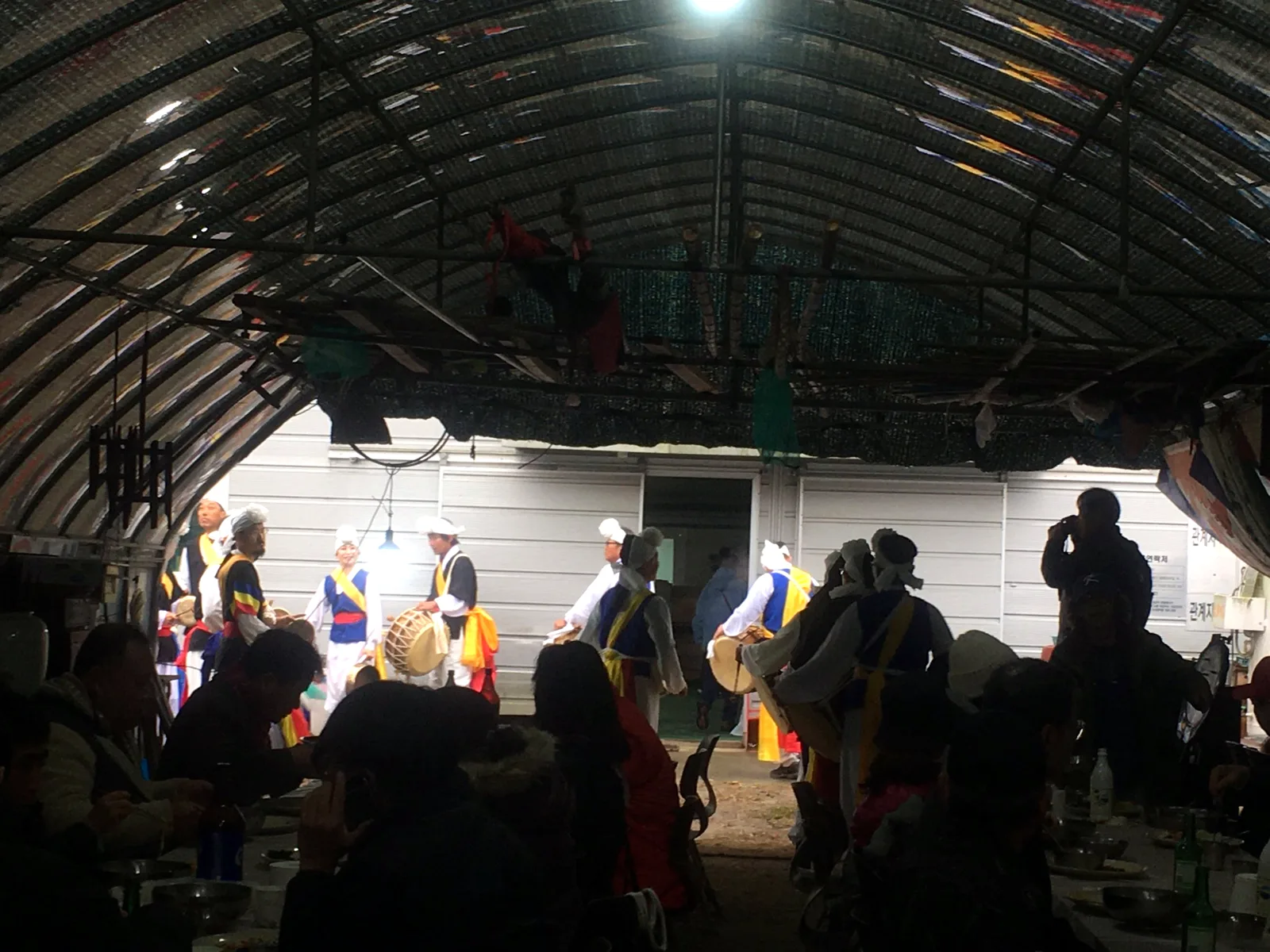
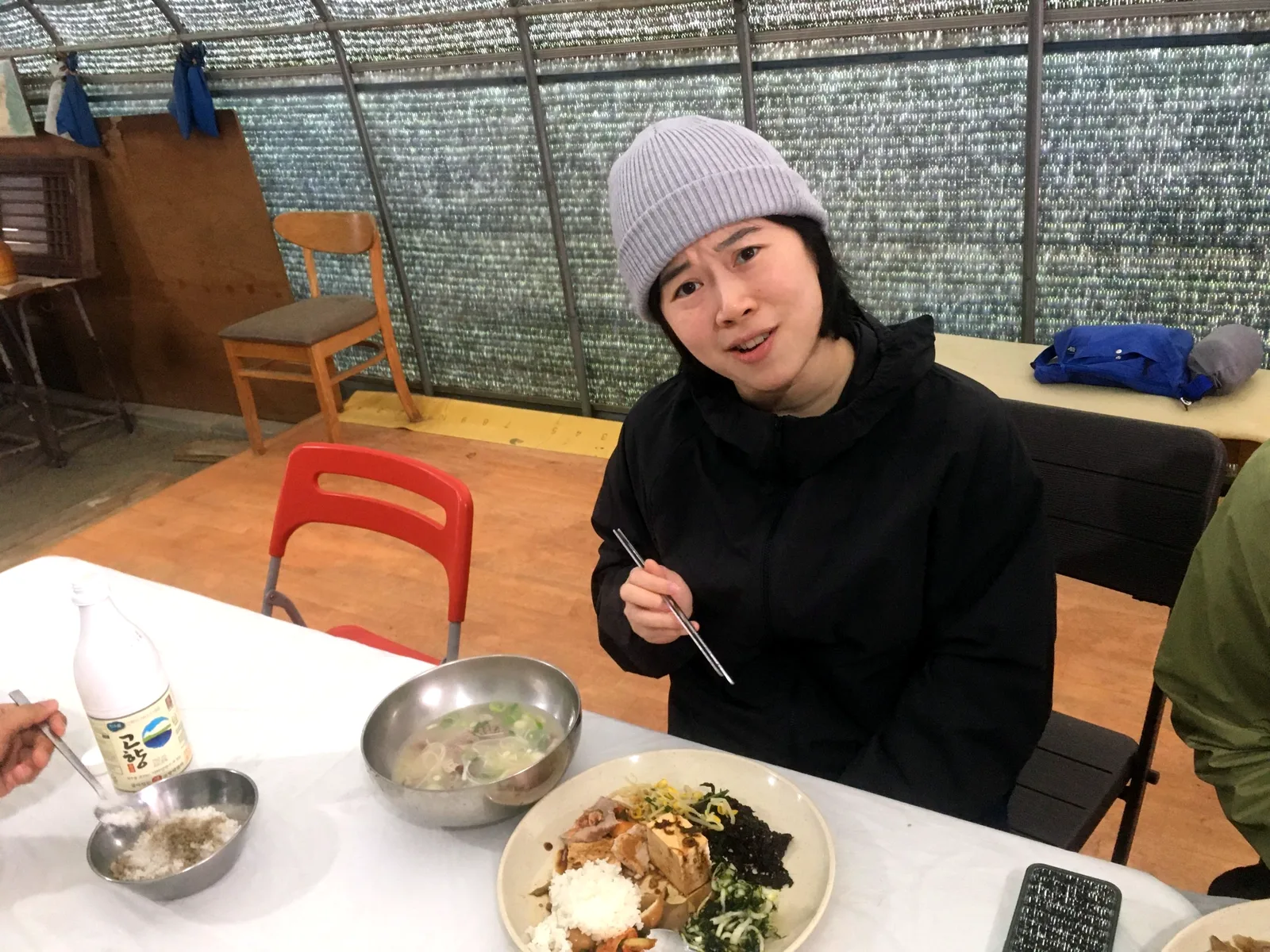
We went to the autumn harvest festival held at Dogam Ppuri Farm. After a delicious lunch of beef-head soup with rice, boiled pork and kimchi, we watched the street parade of the Neobeol pungmul troupe. We ate with people from Yangdo-myeon, poured makgeolli for each other and said hello. At 2 pm the harvest thanksgiving rite began. Rice, fruit, honey and many other foods the villagers had grown themselves were laid out. We bowed, giving thanks for the harvest and wishing everyone well. During the rite, Shaw danced joyfully with the village children to the pungmul rhythms, and Damien joined in, echoing the cheers of “Eolssigu~!” and “Jalhanda~!”. We also saw the curious sight of the produce from the ritual table becoming prizes in a lucky draw, though no one from Team B won. The rain stopped, and we walked back to our lodging over the damp ground.
Everyone · A dinner we each brought
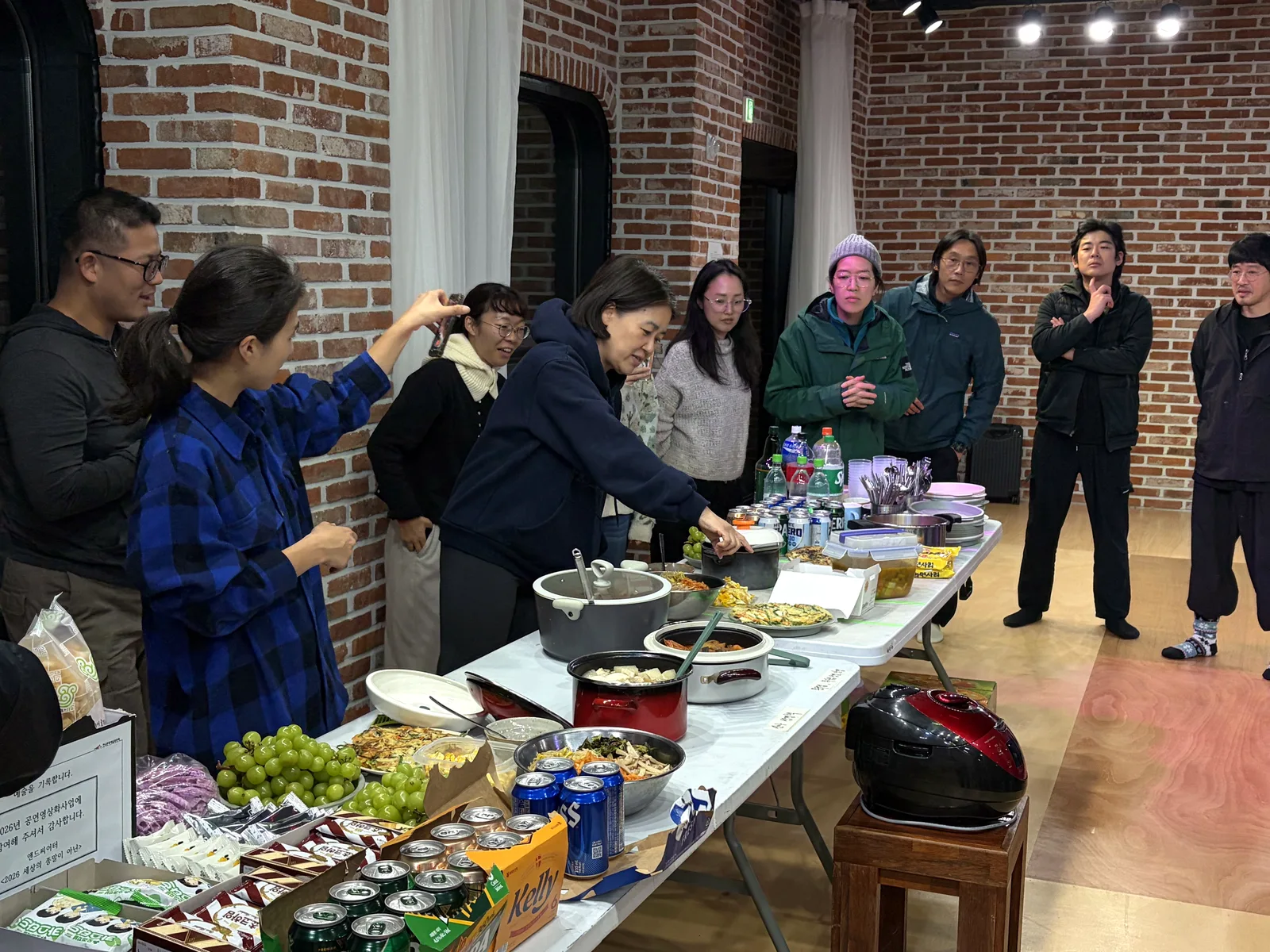
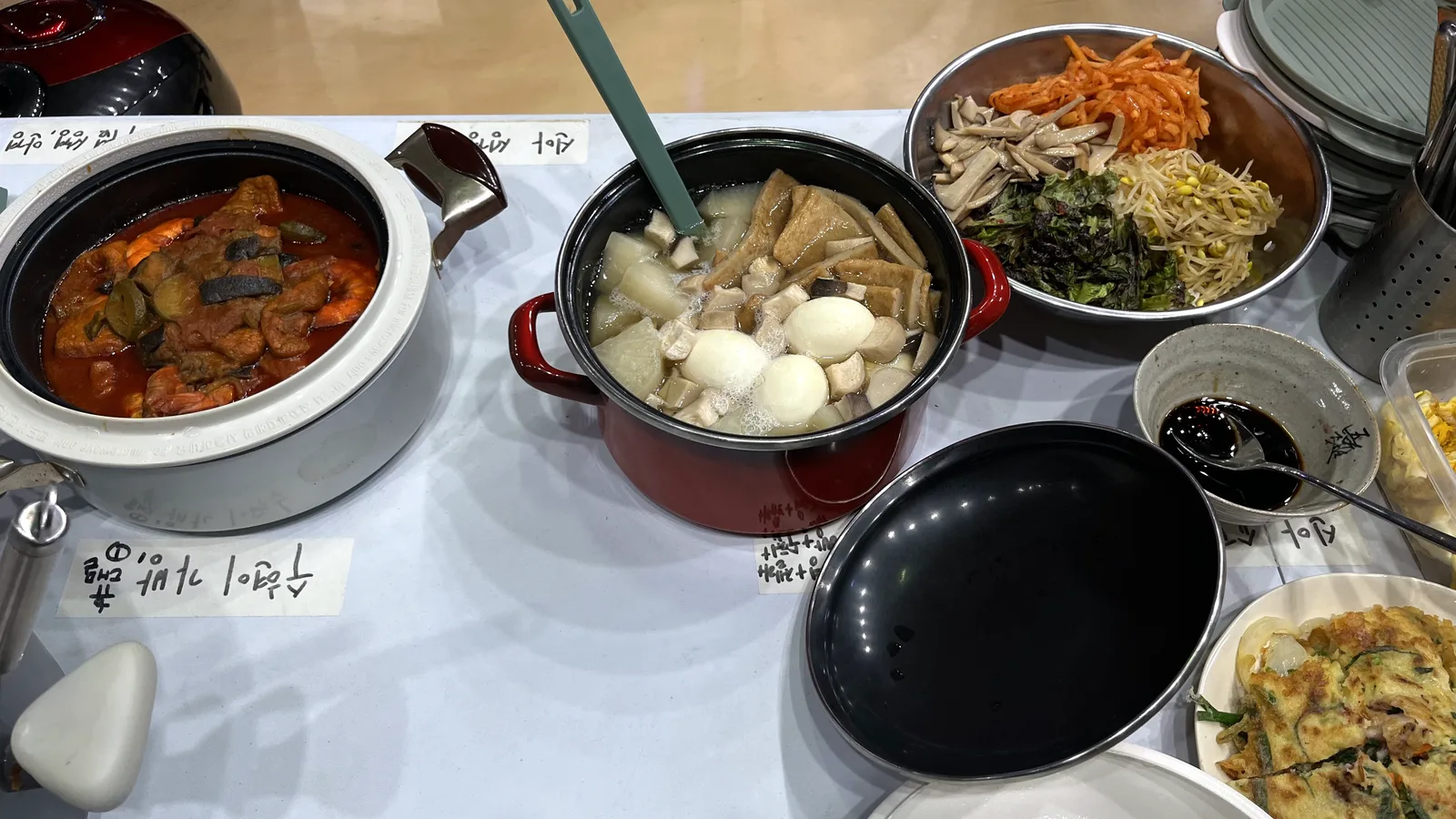
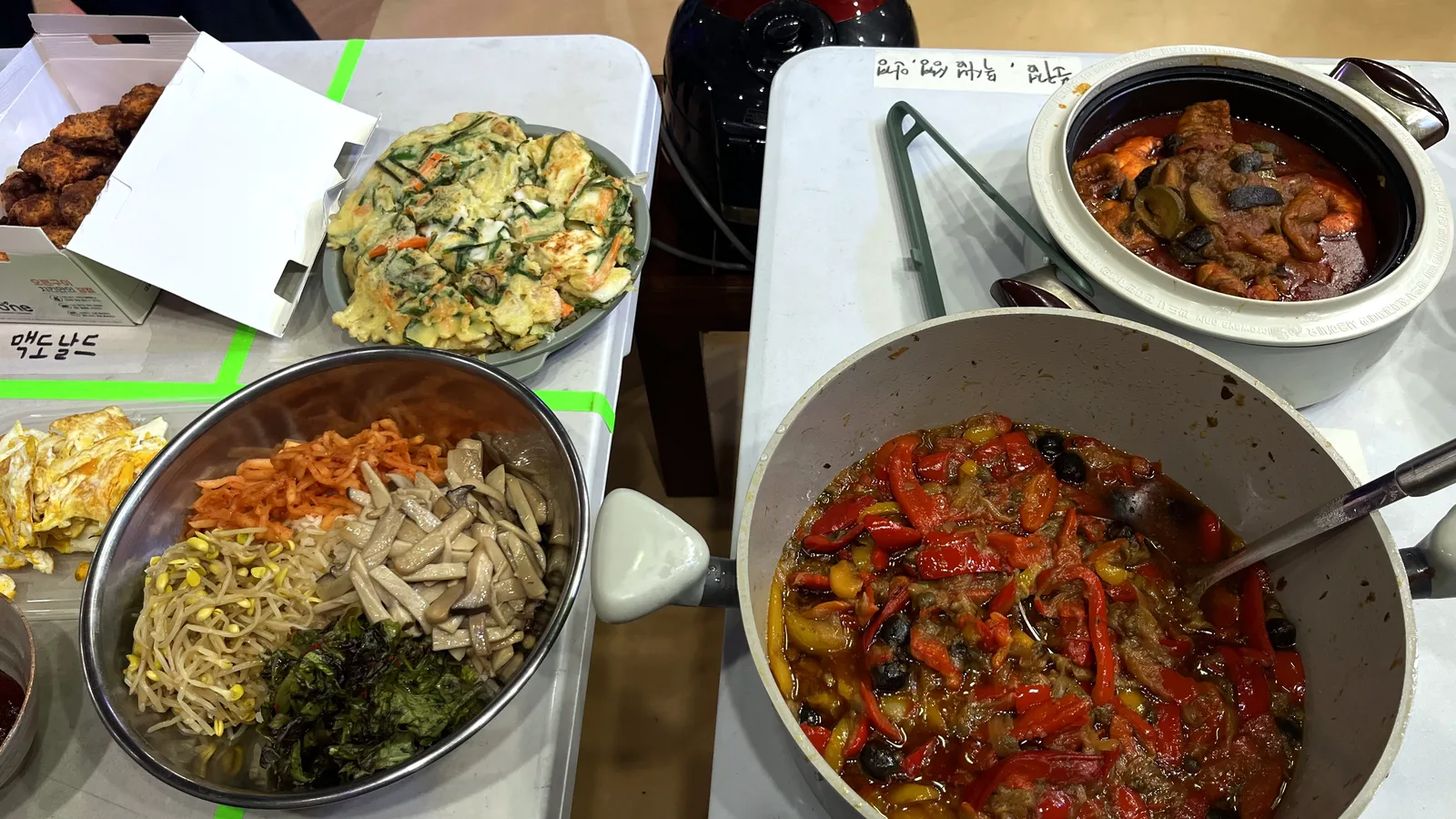
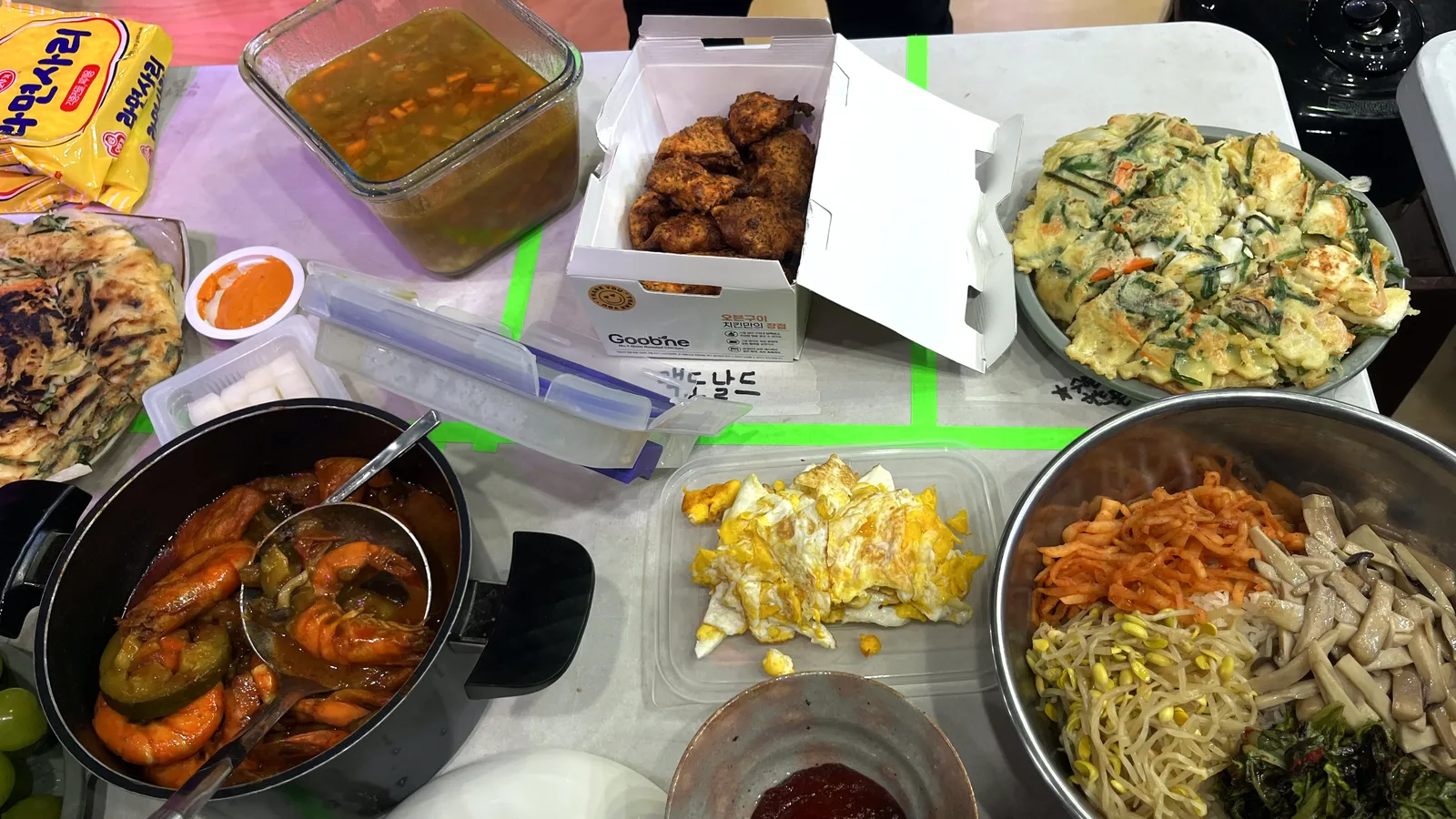
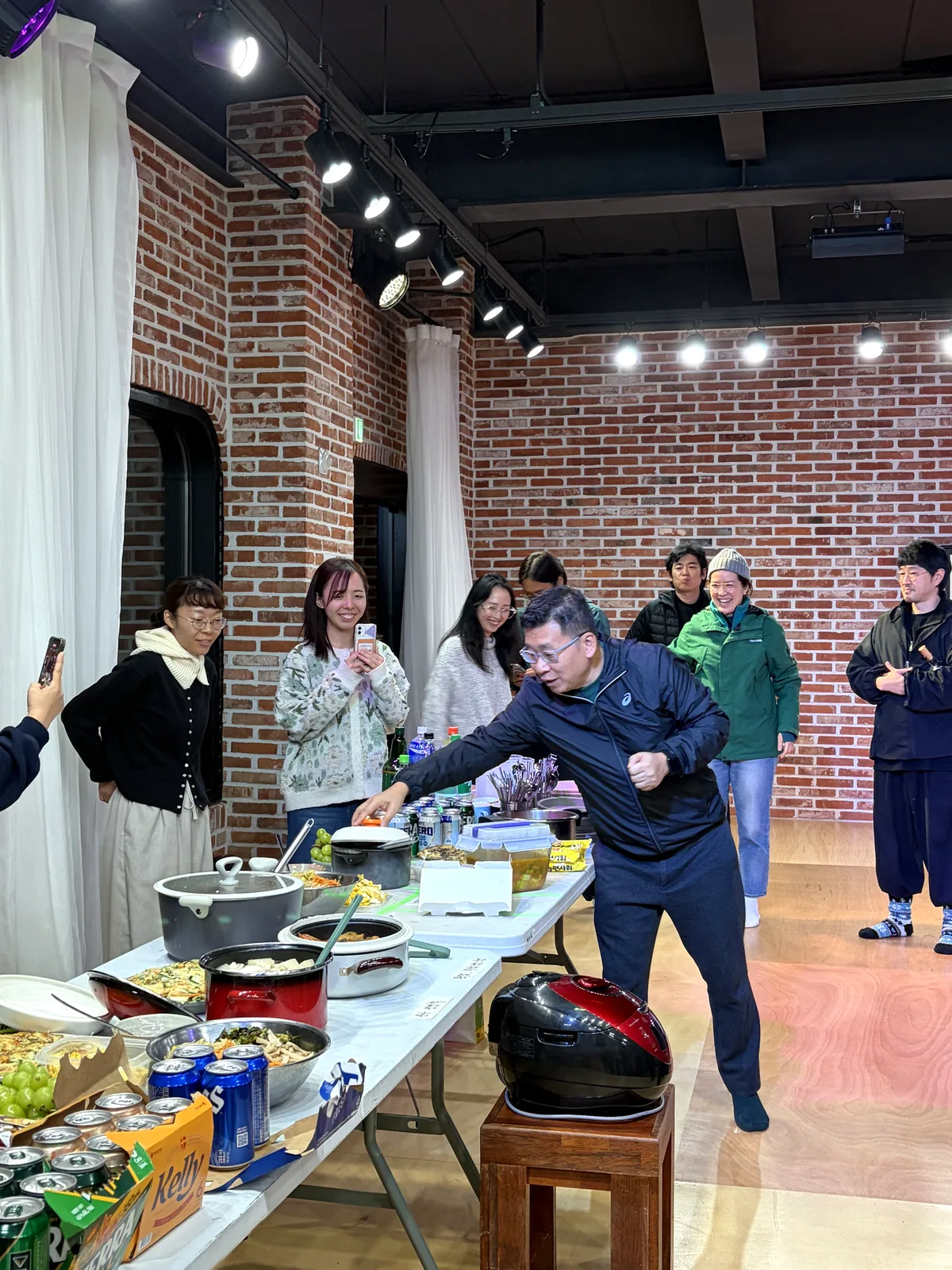
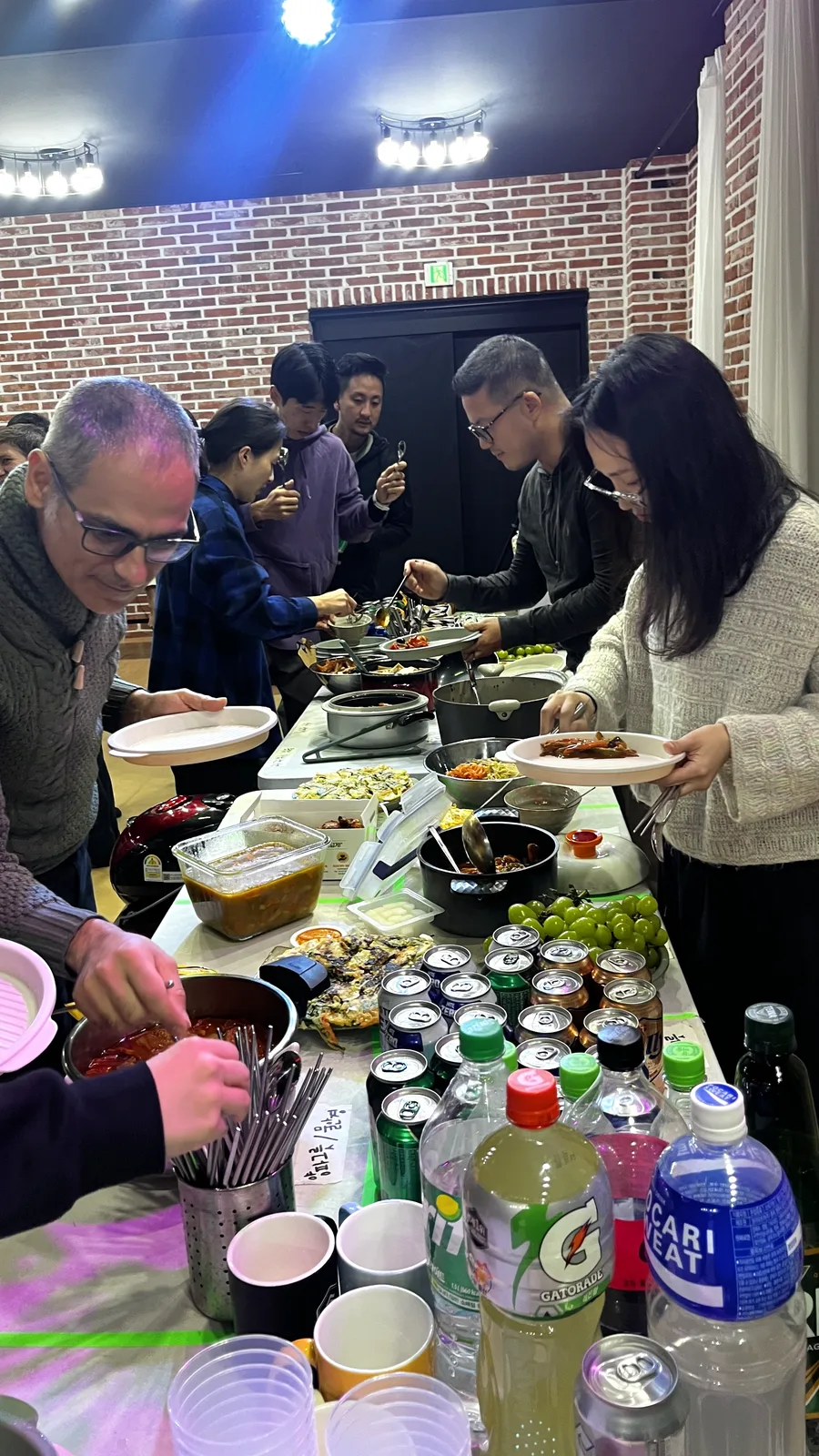
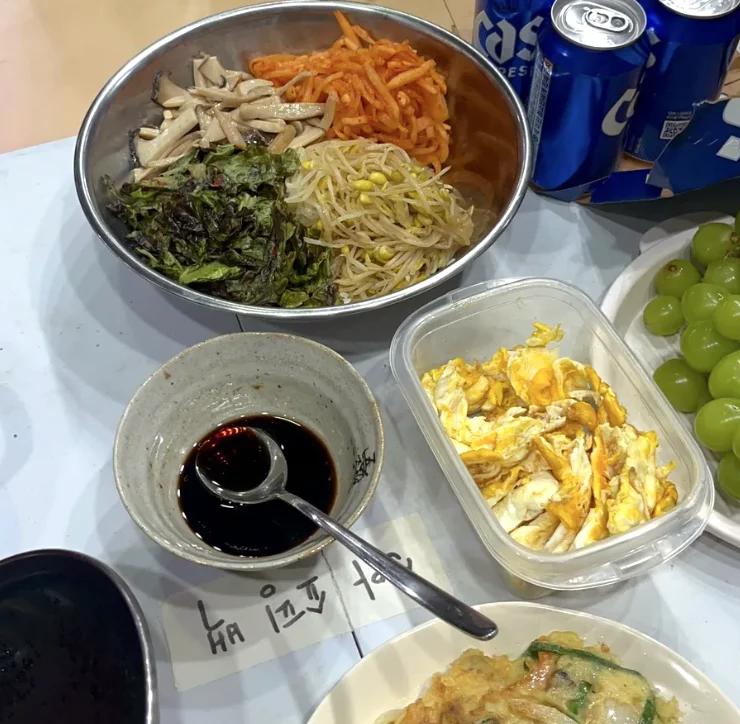
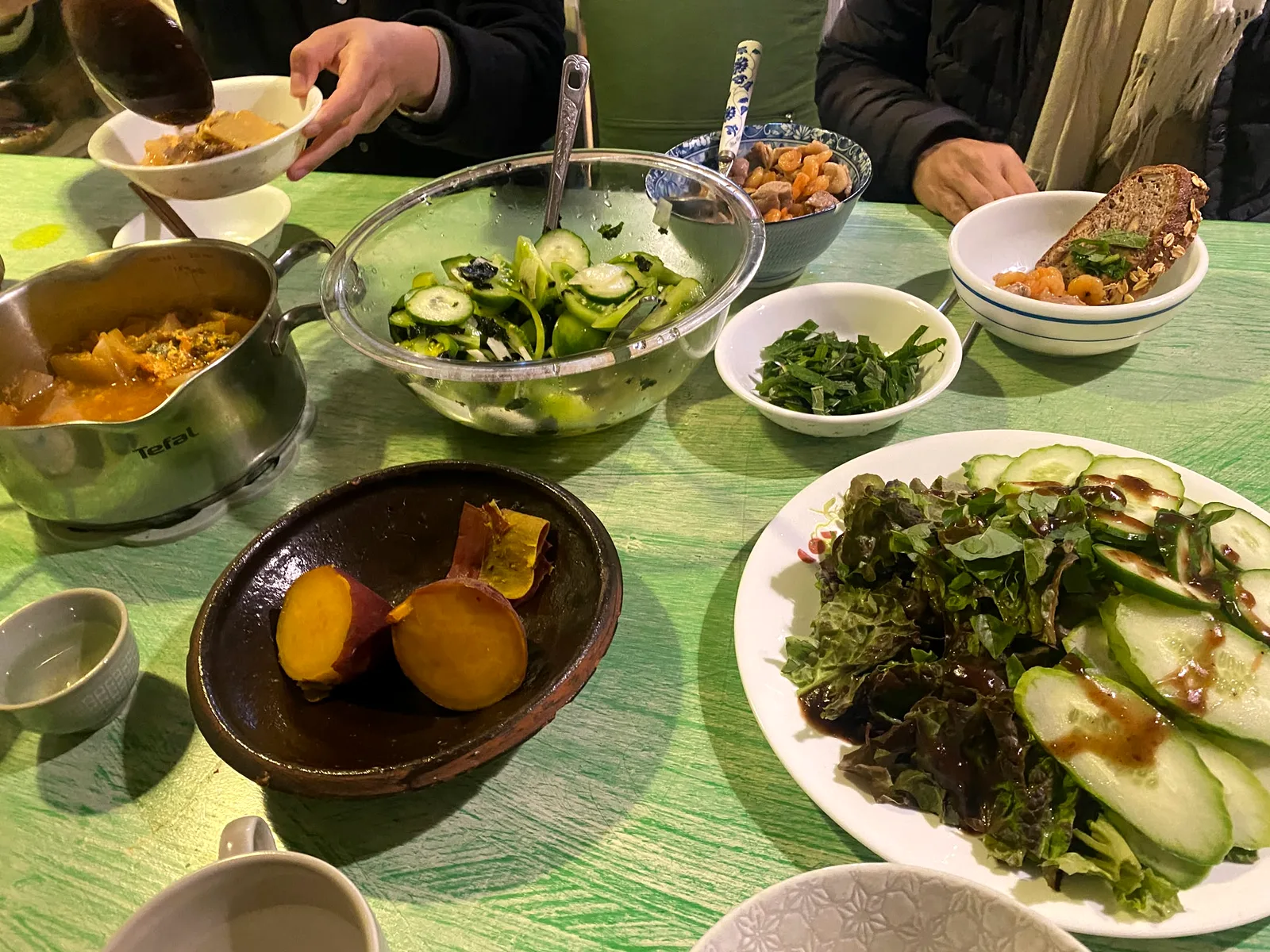
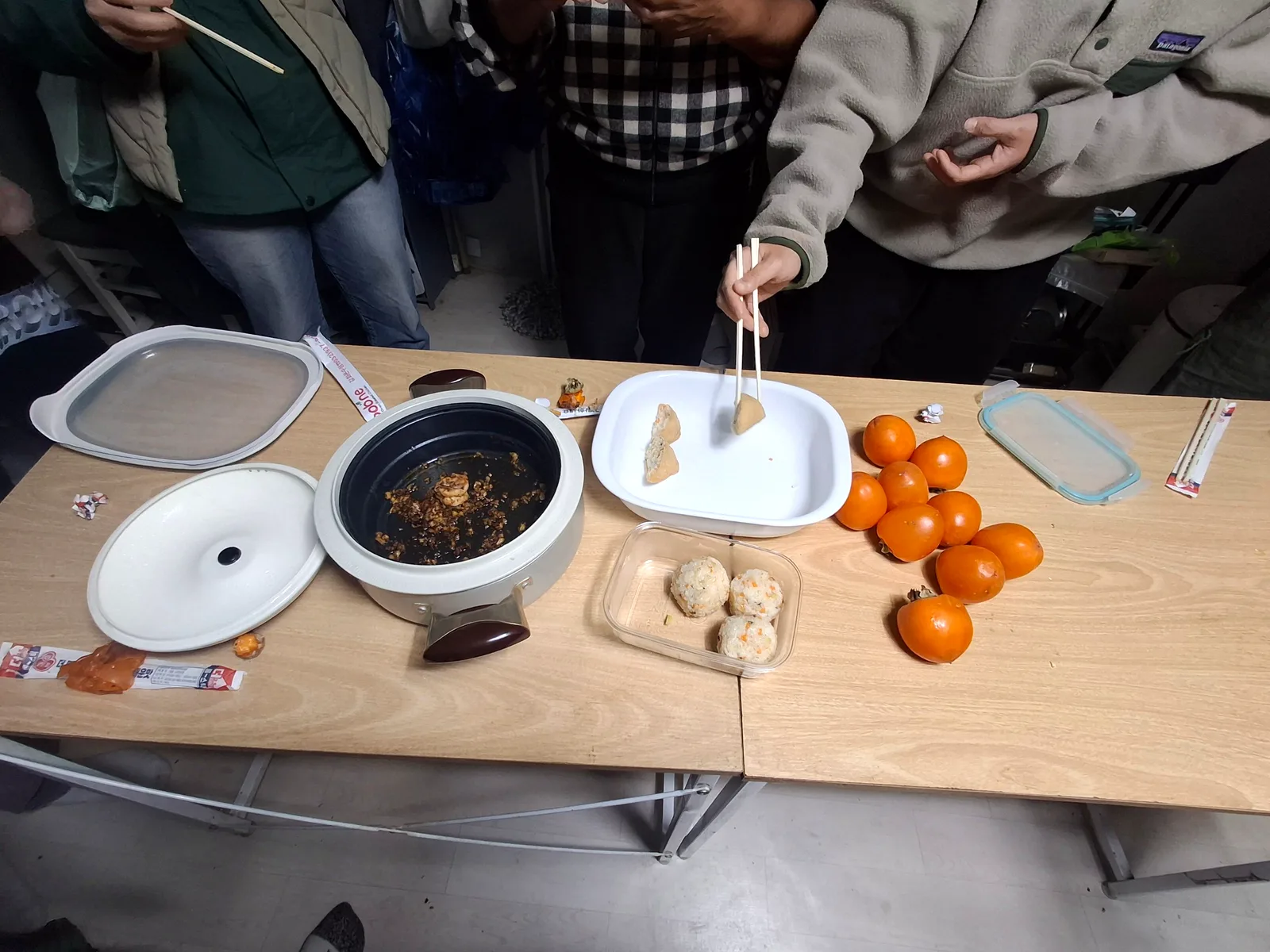
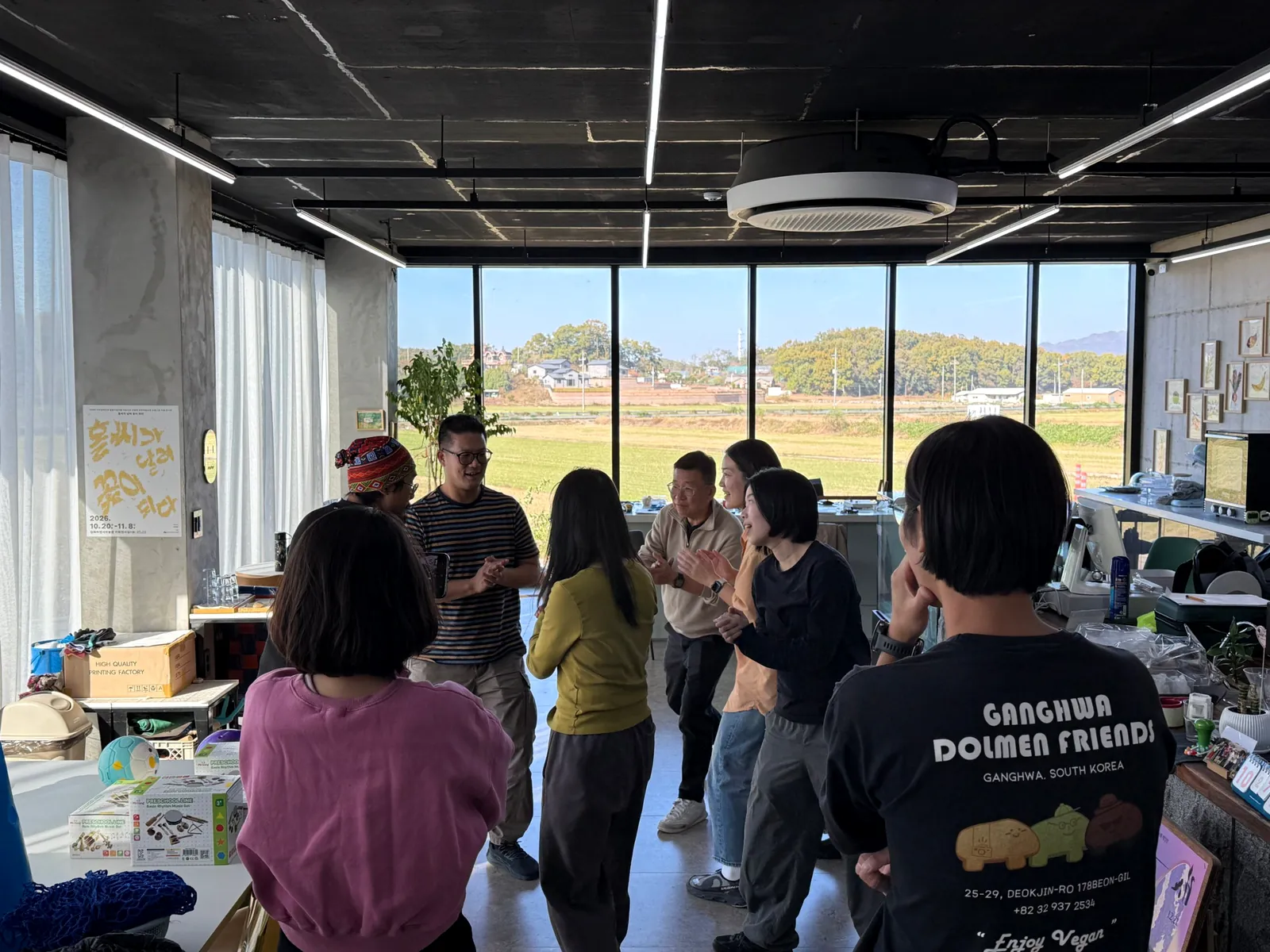
Working in two teams meant we rarely saw each other, and the week went by with everyone missing one another. Tonight was a night to share the food we had each prepared. In Korea, Japan, Singapore, Malaysia and Italy alike, cooking and sharing good food is an important part of culture. We wrapped up our meetings quickly, cooked in our own spaces, and arrived at the Void Theatre one team at a time. A prawn curry by Heng and Damien, a Singapore–Malaysia collaboration; Shaw’s vegan curry; A.N.D. Theatre’s bibimbap; Giovanni’s peppers made from his grandmother’s recipe; Kyoto-style fish cakes; Yonrimog’s homemade chicken porridge; a chive and seafood pancake fried by hand; kimchi stew that had apparently been simmered in the car… and, from those too busy to cook, a carefully prepared chicken dish, budae-jjigae, fruit and snacks. Even as we shared food carrying each other’s cultures, the meeting for next week went on.
30.10 Fri
Team A · Individual research and scouting the day 1 route
Team A spent the day on individual research. In the morning A.N.D. Theatre walked the route from Ganghwa Bus Terminal to Space And, thinking about how to welcome the audience and how our questions might reach them as we walk together. Afterwards we gathered at Space And, chose the plays we want to read aloud along the way, read them together, and collected questions that might let the audience sense disappearance moment by moment.
Team A · Sononochi at Gukja & Jugeok
Sononochi spent the day at the Gukja & Jugeok bookshop. In the morning they walked through the bookshop and its garden, exploring the space and beginning to shape the flow of the work. As they walked, they recalled what the owner had shared in our interview, and kept returning to the sensations they had felt in this garden and to their own thoughts and feelings about disappearing. Letting those memories and sensations guide them, they spent time simply being present in the place. In the afternoon they discussed the concept, the audience’s journey and the overall outline of the project with the producer team. For dinner, the owner kindly gave them tomatoes and fresh basil; Sononochi cooked and we all shared the meal. With a translation app between us, we talked about the things we love and our everyday lives, finding ways to reach each other beyond language.
Team A · Yonrimog, a dondae and the sound walk route
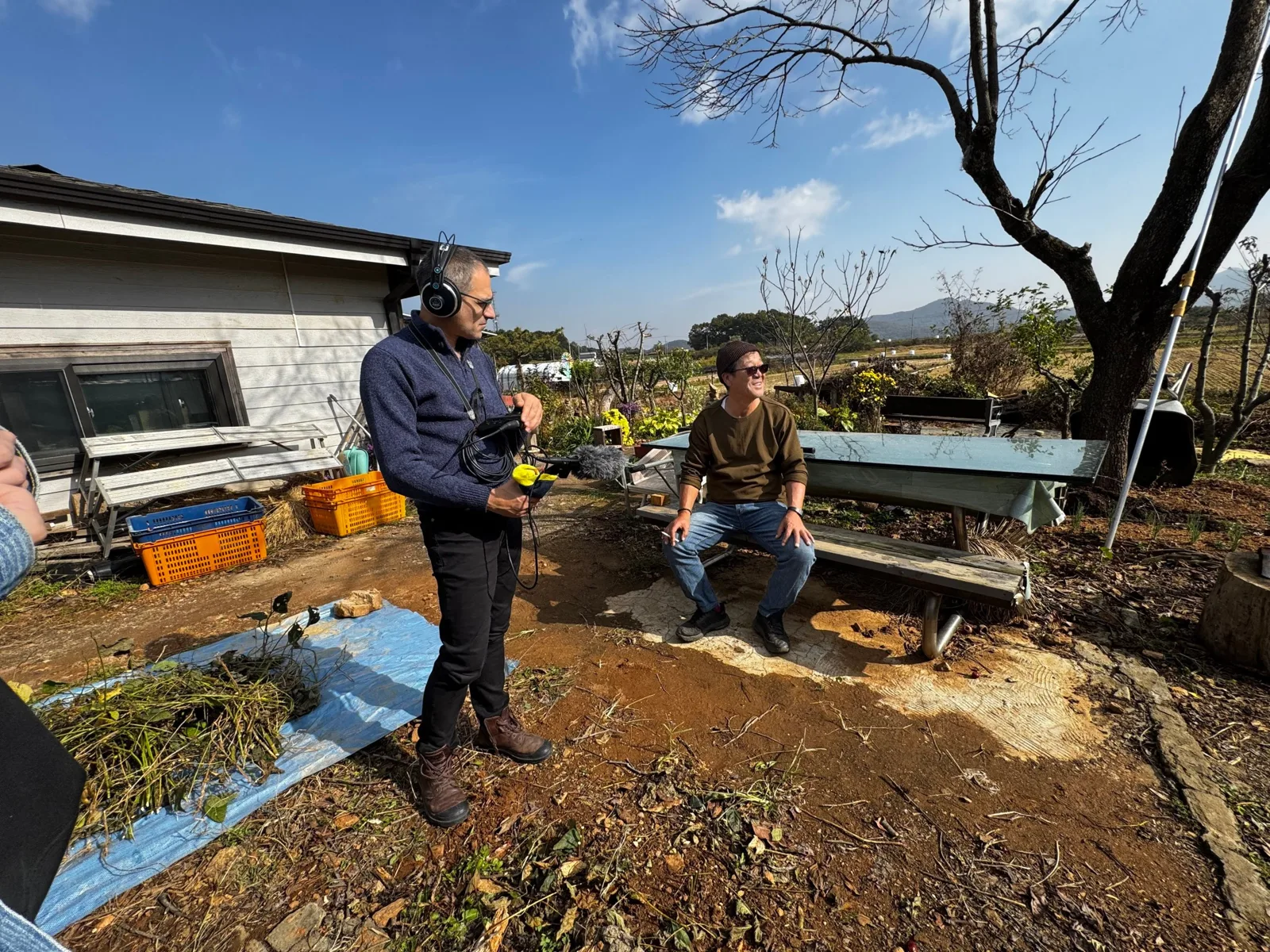
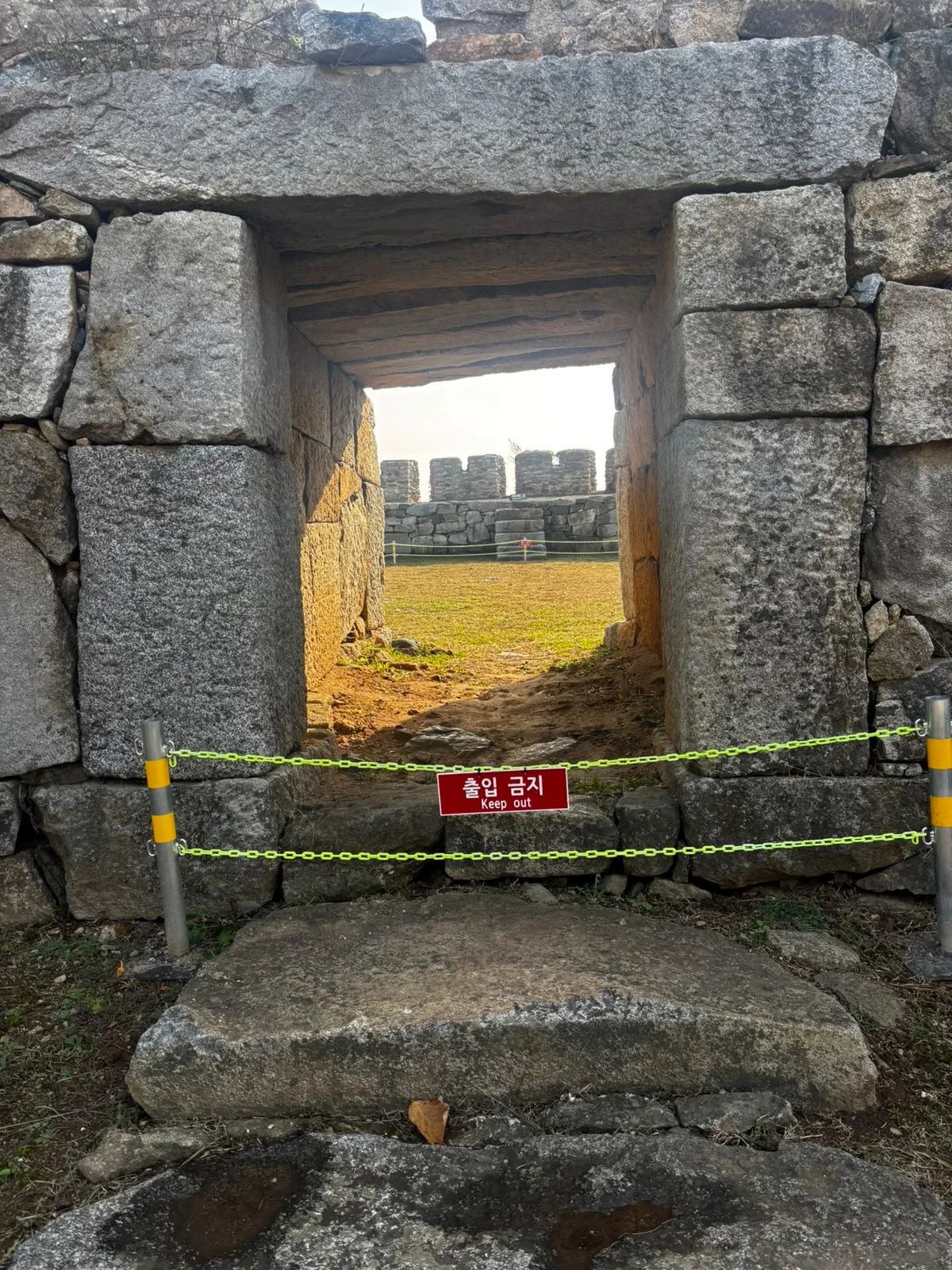
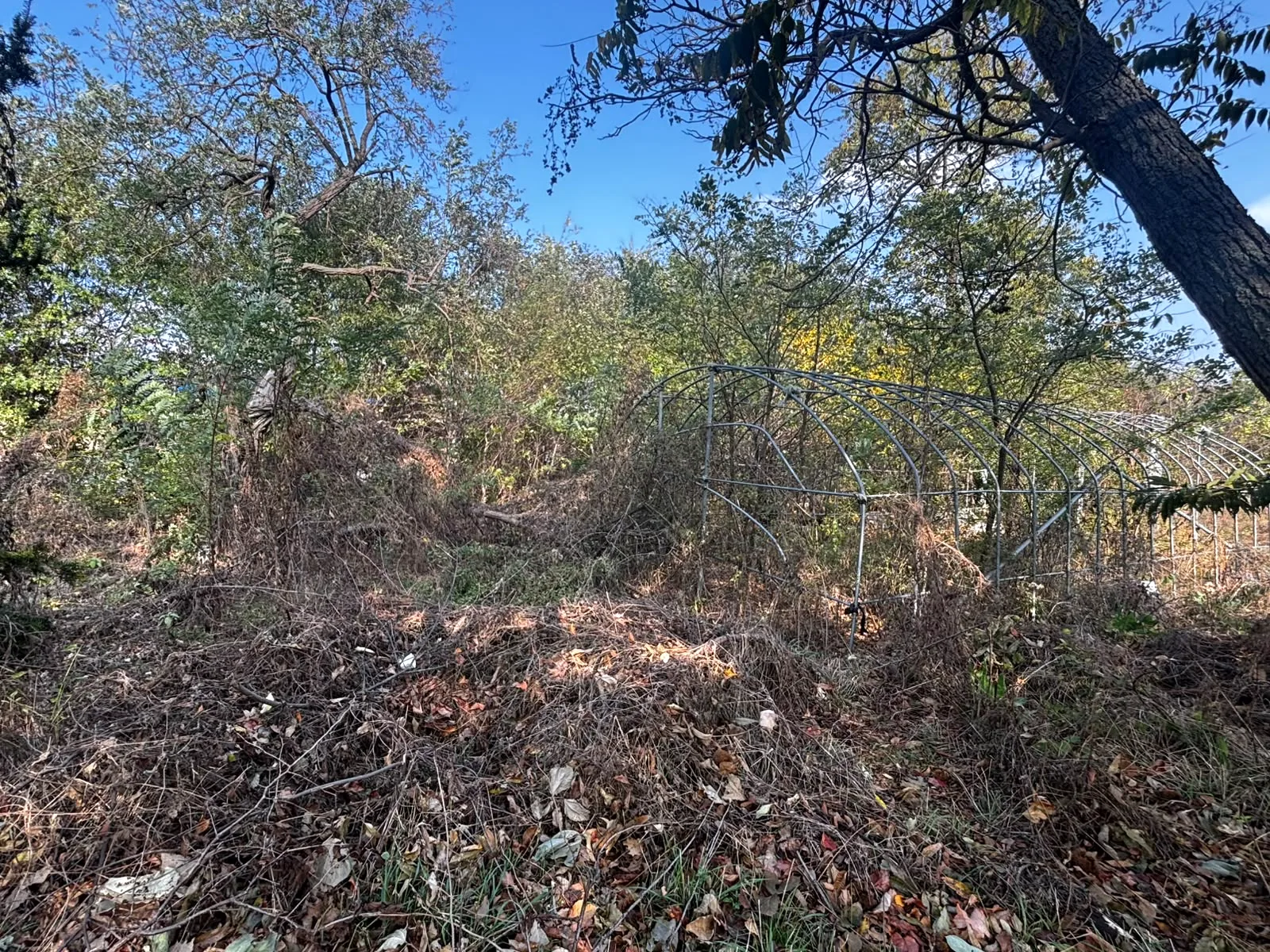
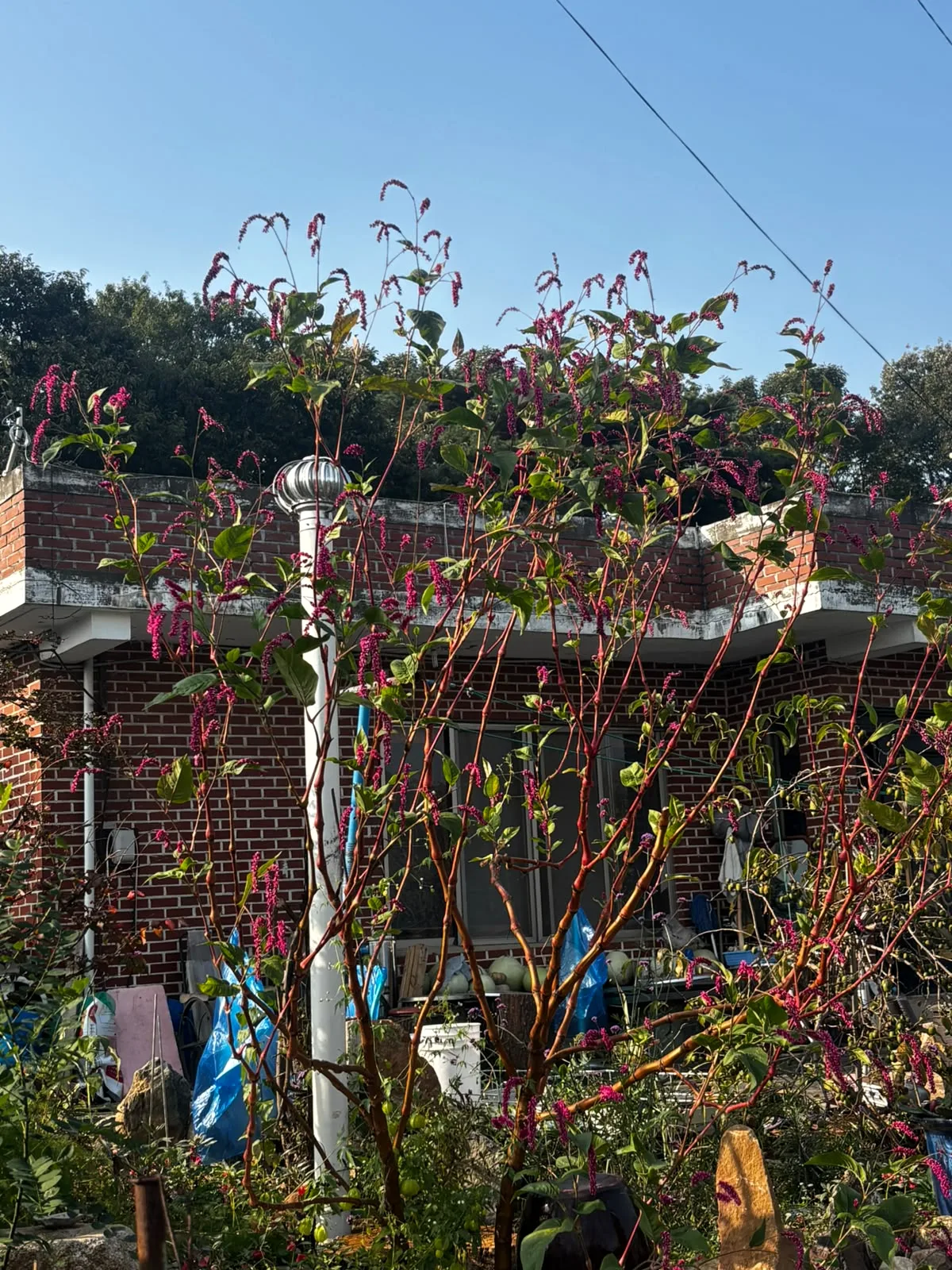
Imagining a performance at Huae Dondae near the Void Theatre, Yonrimog went looking for the right spot. Entry into the fort is prohibited, though, so we will need to find a way. If getting inside proves difficult, perhaps the outer wall itself could become the stage. Yonrimog then walked around the Gukja & Jugeok bookshop and is settling on this area for the sound walk. Dead trees, a crumbling mud-brick house, a cattle shed fallen silent, an abandoned greenhouse, trees smothered in vines and even graves: this route holds many stories.
Team B · With Loïc at Cafe Keunnamu
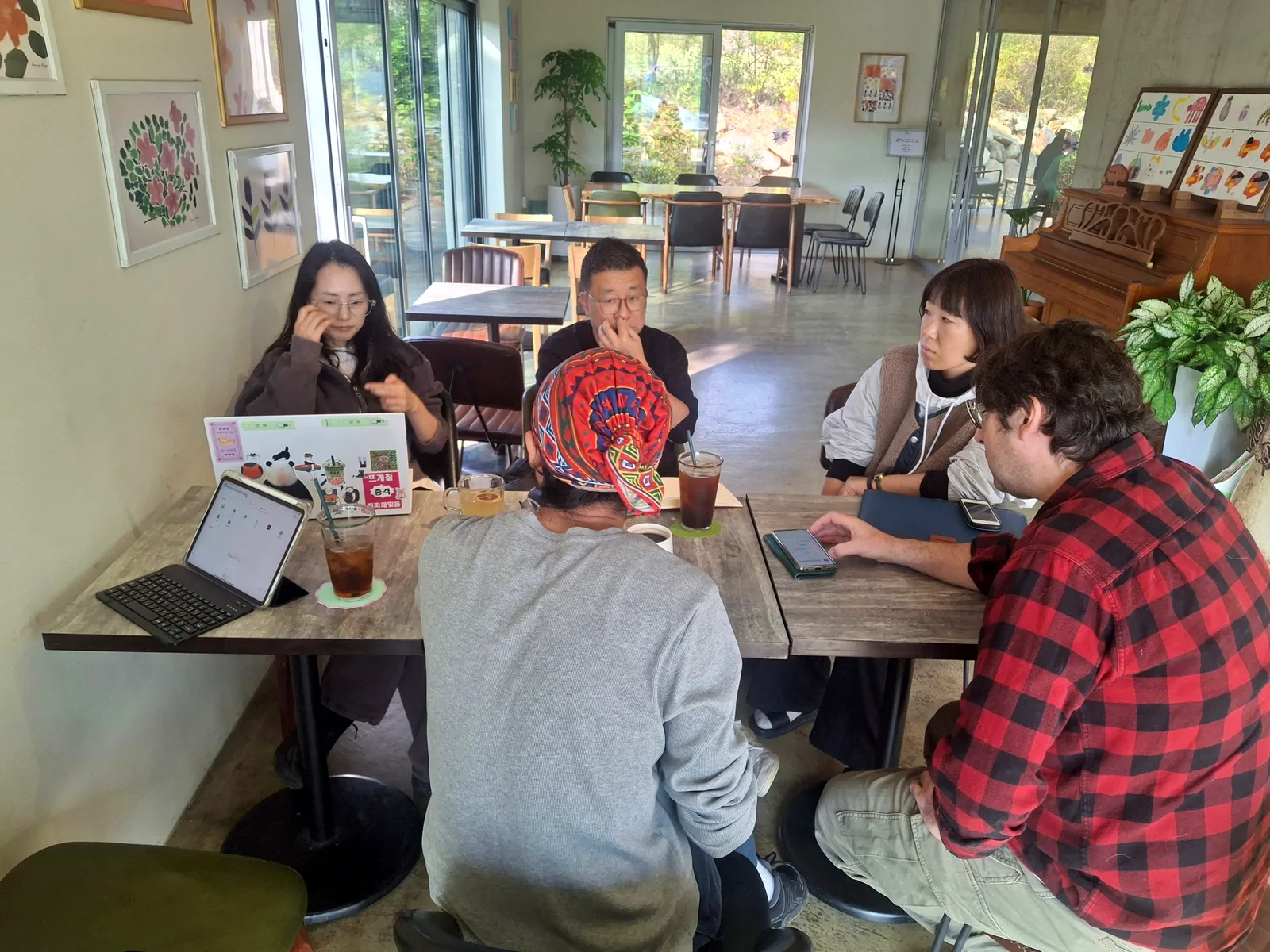
At Cafe Keunnamu we met Loïc, a French guitarist, and talked about his life and the changes he has noticed living on Ganghwa. Comparing farming in Korea and France, we discussed the hardships farmers face and how agricultural policy shapes their lives. We also talked about the water deer losing their habitat to development, and the dogs Loïc has seen disappear on Ganghwa. Loïc spoke with regret about apartment blocks hiding the mountains and old buildings vanishing fast, and was struck by Korean housing culture, so fond of apartments that the country has been called an “apartment republic.” The conversation turned naturally to how cities and nature are changing, and to ways of expressing disappearing things through sound. What sounds will today’s conversation lead to?
Team B · Choosing Odu Dondae
The team chose Odu Dondae as the site of the project and talked about how to bring each person’s work together, from installations made with weeds, thread and hanji paper to music and stop-motion animation. Looking back on the people we have met on Ganghwa, we focused on the fading of nature and of community warmth. Going beyond what has already disappeared, we widened the question to how we notice what is disappearing now, and what we can do about it. As something is disappearing right now, what can we do? How can we care for one another? Could Odu Dondae, once a post for watching for danger from outside, become a place where we look out for and care for each other in a crisis? With these thoughts we planned another visit to Odu Dondae, talked about how to work separately and together, and closed the week.
29.10 Thu
Team A · Sononochi’s work and a dramaturgy workshop
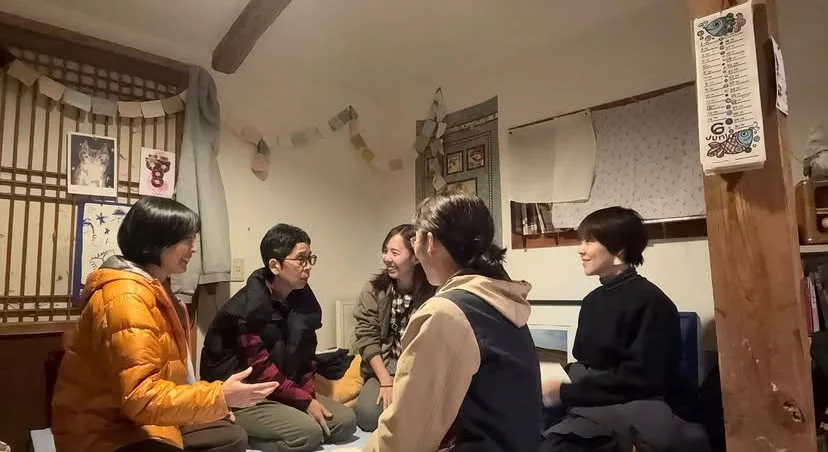
Today we spent time getting to know Sononochi’s way of working, and Anna and Giovanni of Teatringestazione led a dramaturgy workshop. Within the three-day walk that A.N.D. Theatre has proposed, each of us shaped our own beginning and end, and the actions that might happen in between. On the road, what will we meet, and how? What conversations will we have? Where will the disappearances each of us senses and thinks about meet and be shared? From me to us, from stillness to a party, or from a party into silence… Imagining the time we will spend with the people, trees, cats, dogs, stones and sea along the way, and with someone’s disappearance, we slowly began to inspire one another.
Team A · A late-night interview with the 7-Eleven owner
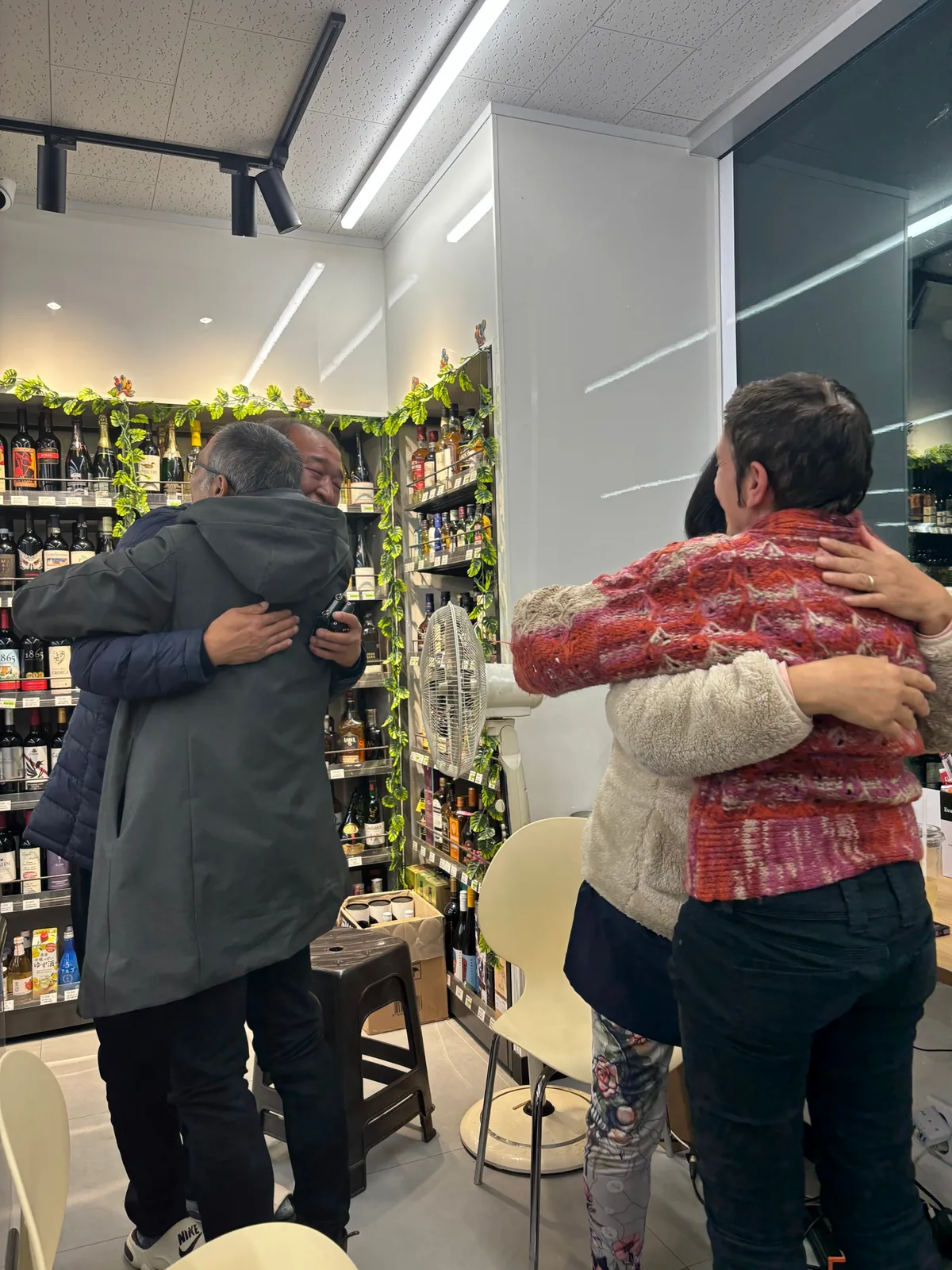
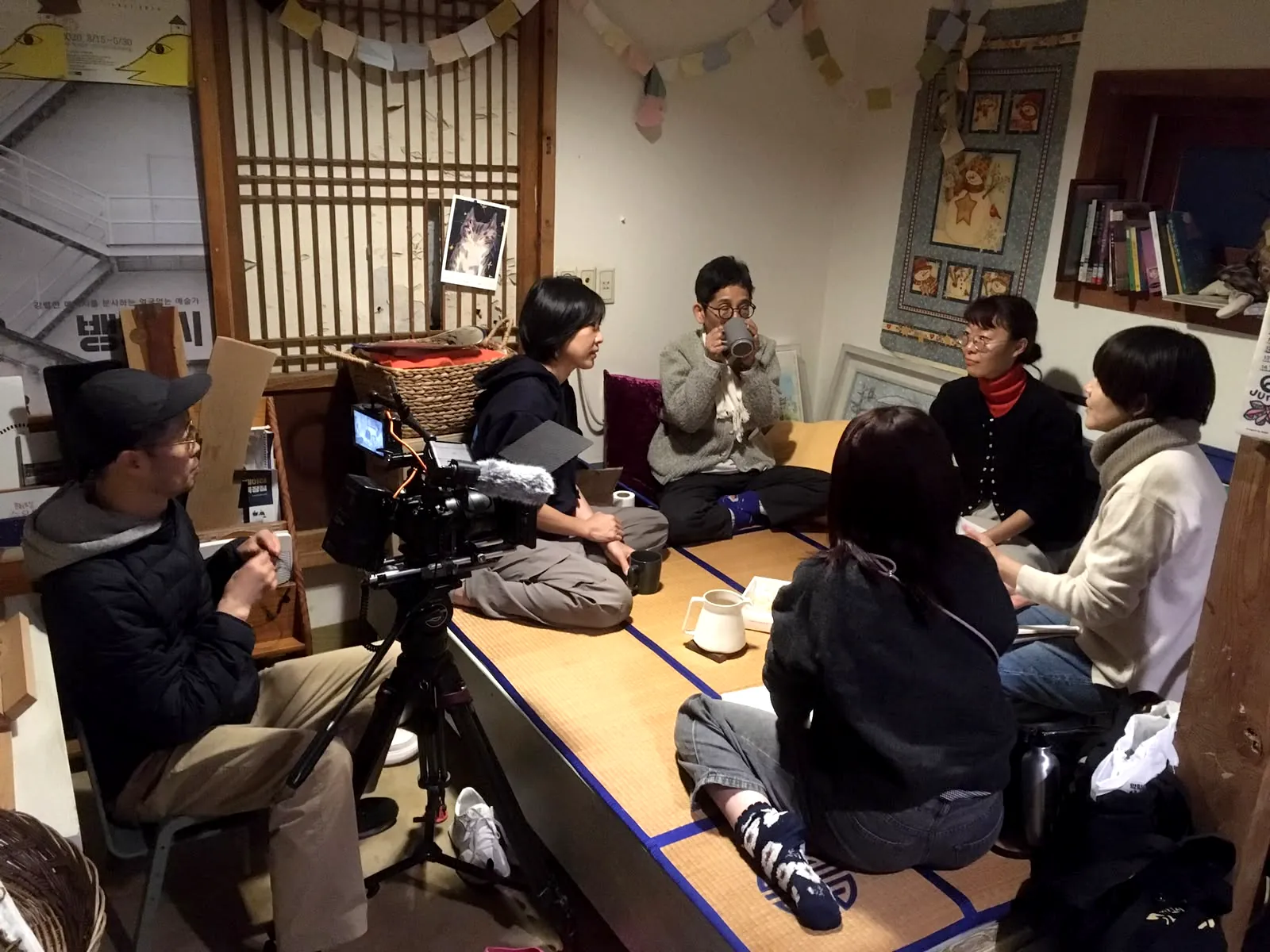
Late at night, we interviewed the owner of the local 7-Eleven. She has agreed to take part in a project that asks her to imagine her own death and, through an imagined funeral, to think about life and disappearance. As questions and answers went back and forth, the interview became a rich encounter with her life’s journey and her outlook on life. When her best friend happened to call, she switched it to a video call so we could all say hello, and the friend, cheering us on, treated us to a box of canned coffee and a box of ramyeon. Her mother who died long ago, her father who died many years later, the granddaughter born just two days before, her niece’s granddaughter and her friend’s child: before we knew it, we were absorbed in her life. At the end Anna said she felt she had become part of her life now, and the two owners, overjoyed, hugged us tight. What will her party on the 8th look like?
Team B · At farmer Hyekyung’s home
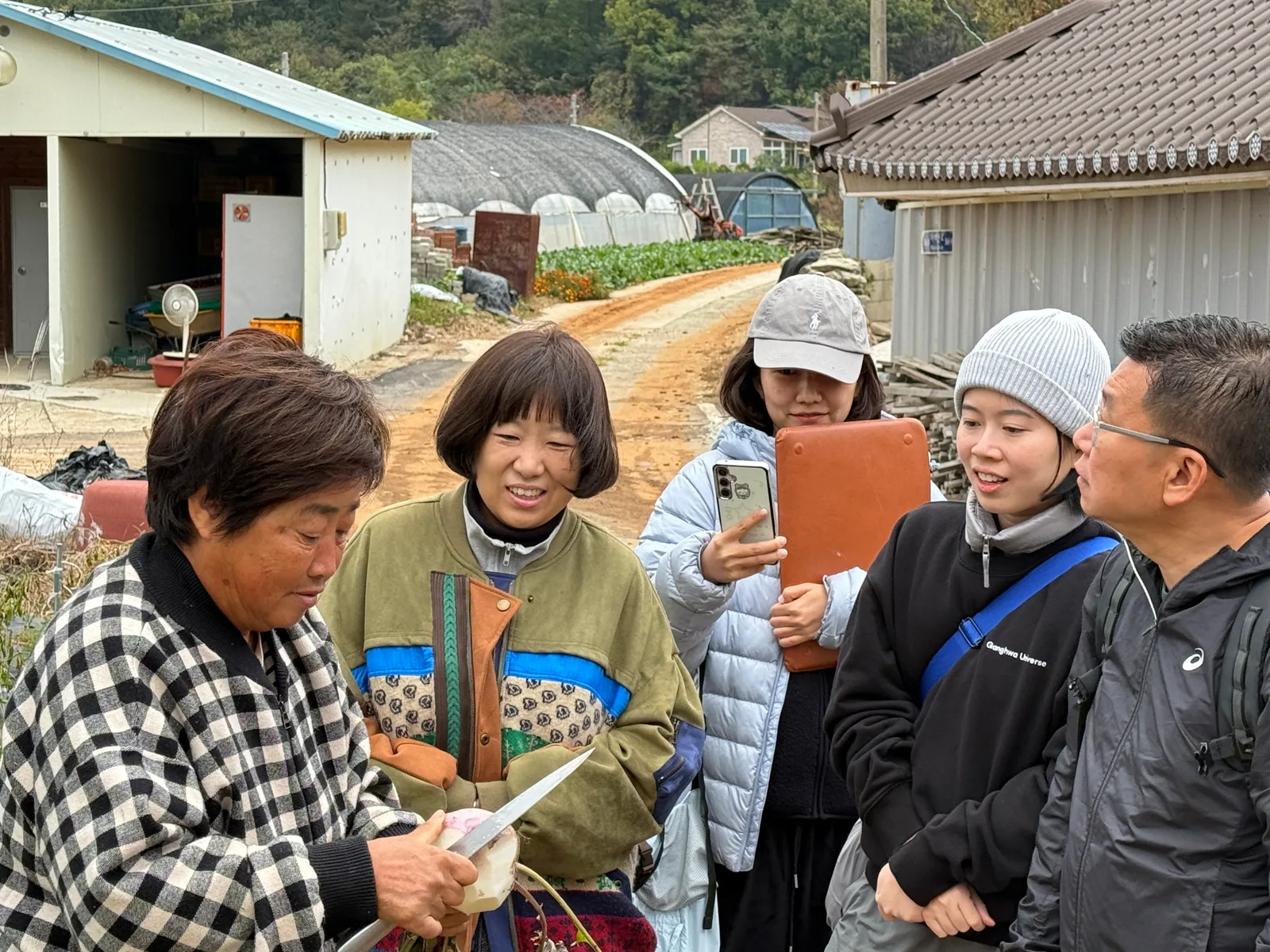
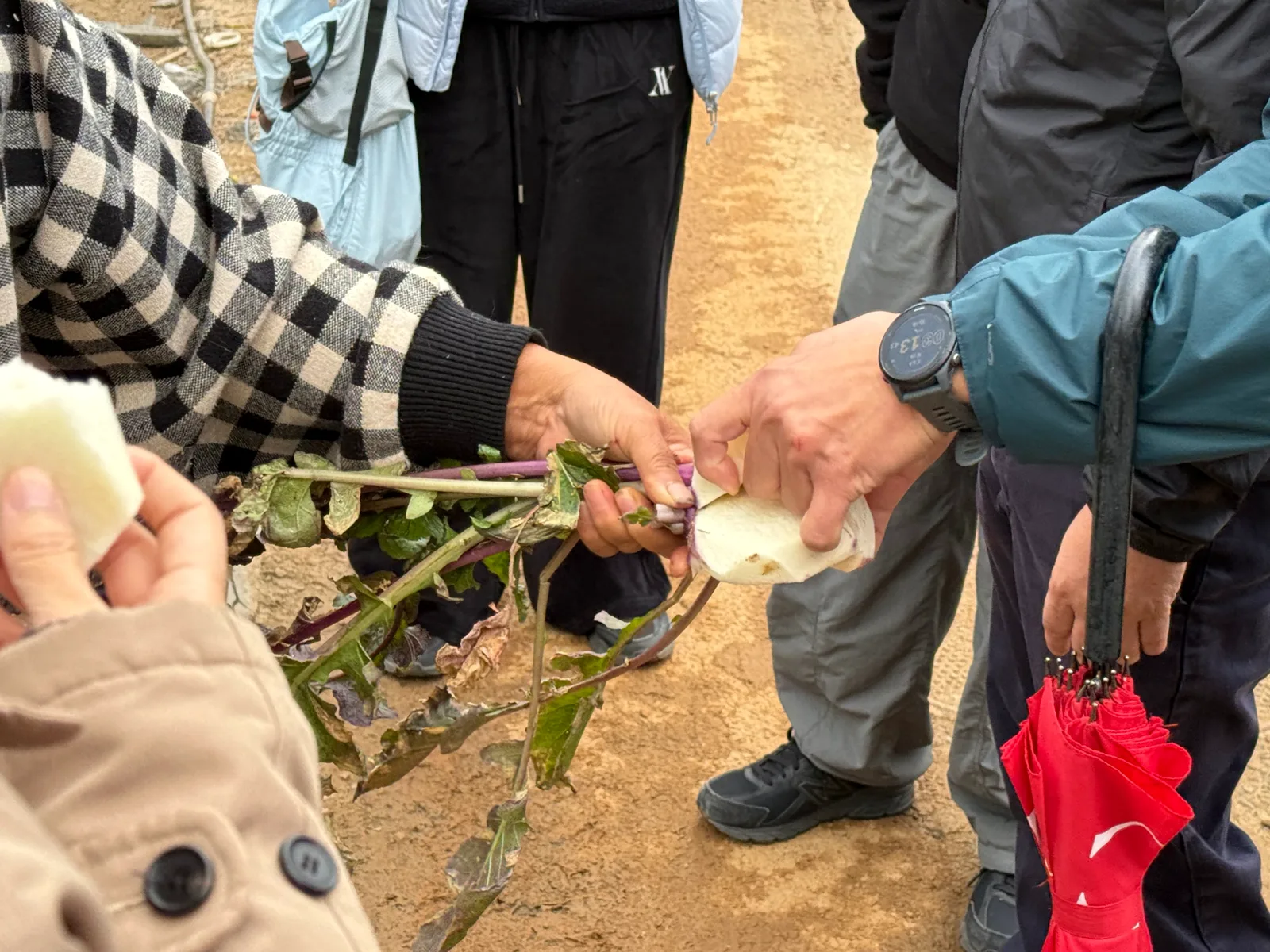
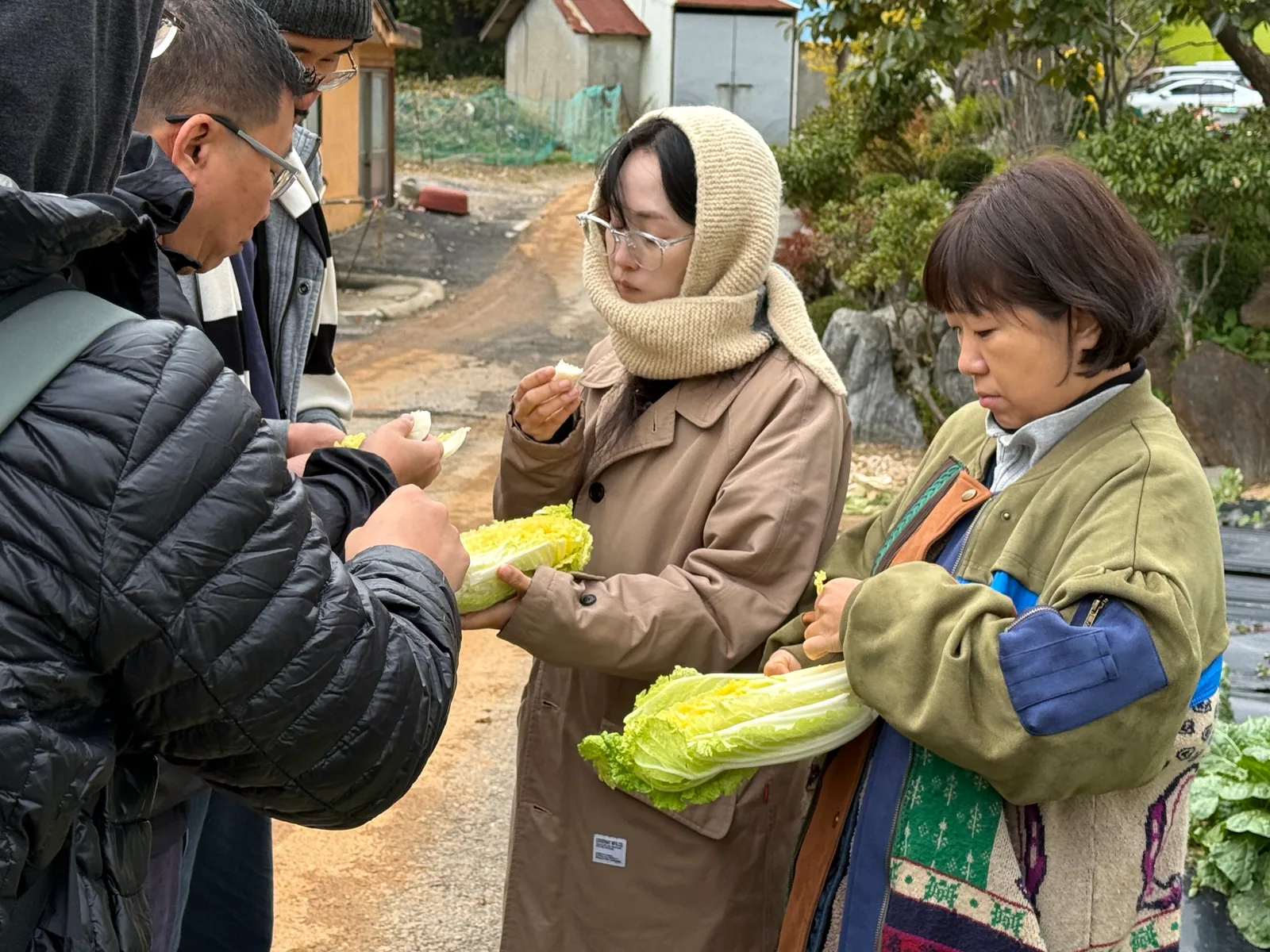
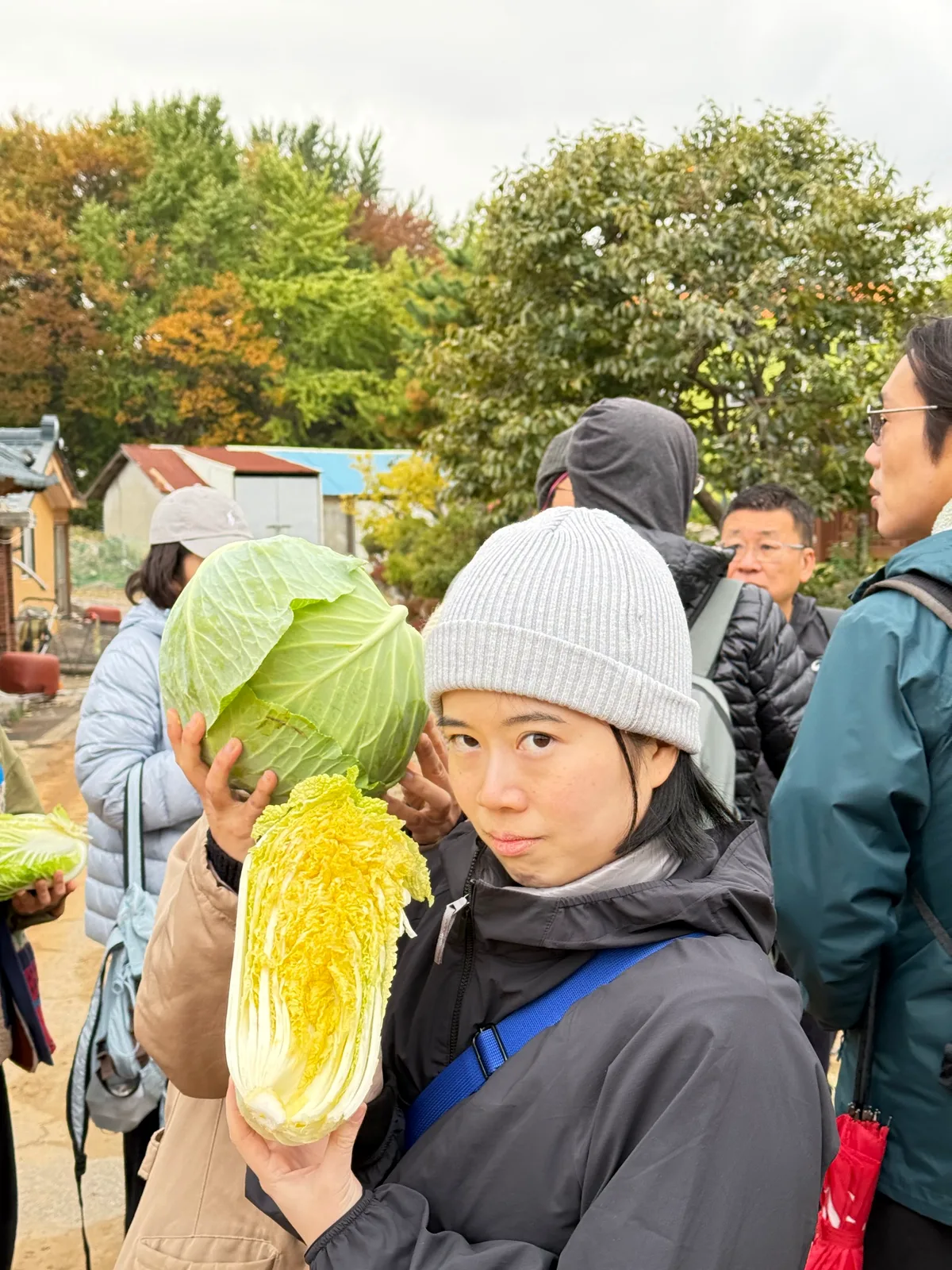
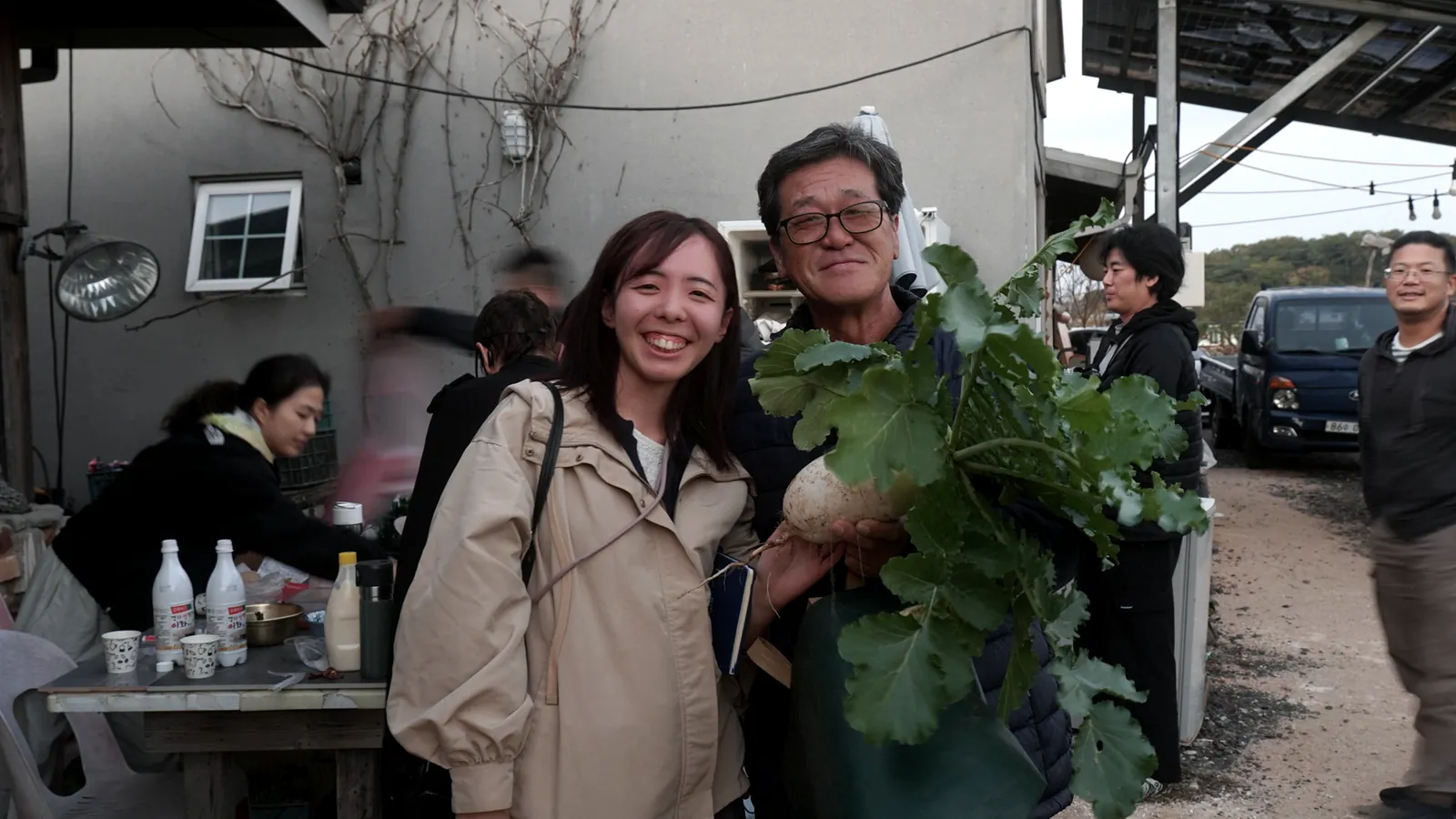
At farmer Hyekyung’s home we met two farmers, Makong and Hyekyung, and tasted the cabbage and turnips Hyekyung grows herself. They told us how they came to farming, and about the experience and the life they have built over long years of working the land. We talked about the marks farm work leaves on the body, the hardness of the labour, their pride as farmers and the way society looks at farming. Looking back on pumasi, the village custom of sharing labour, the warmth of community that is slowly fading, and seasons changed by the climate crisis, we shared memories and thoughts about what is disappearing amid the change. We ended the visit by sharing food that Heng and Narae had prepared.
28.10 Wed
Team A · Walking the whole route together
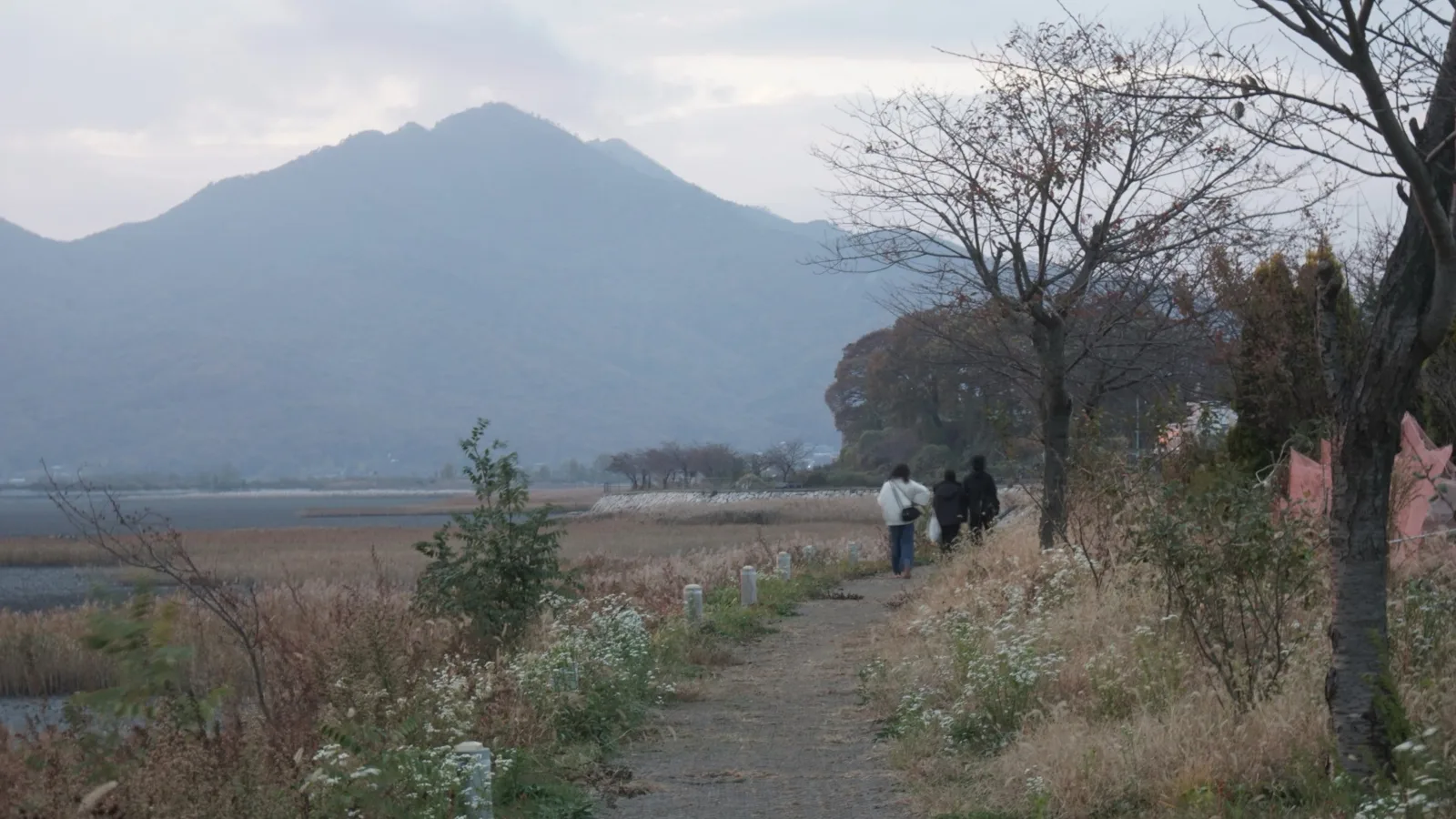
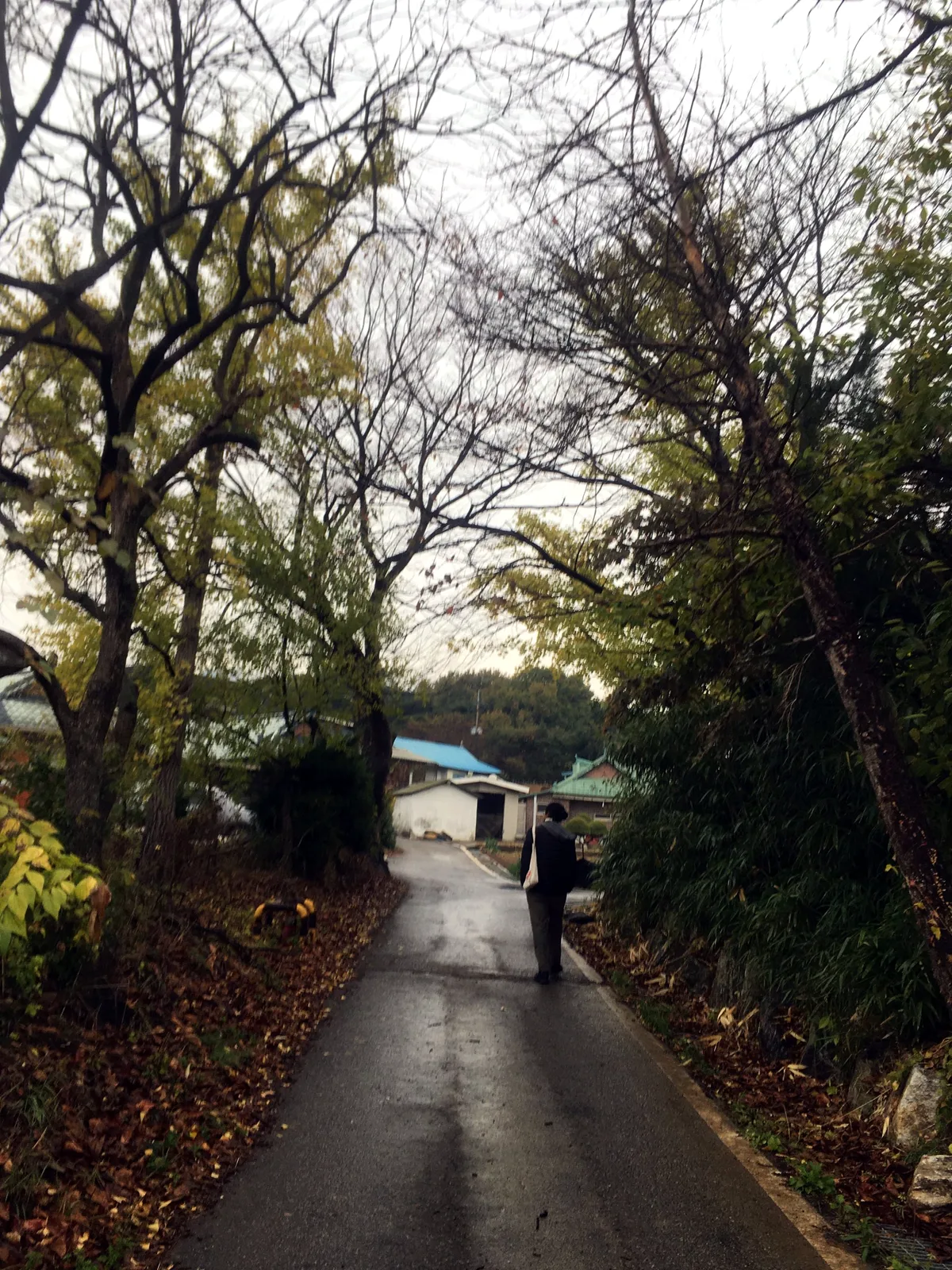
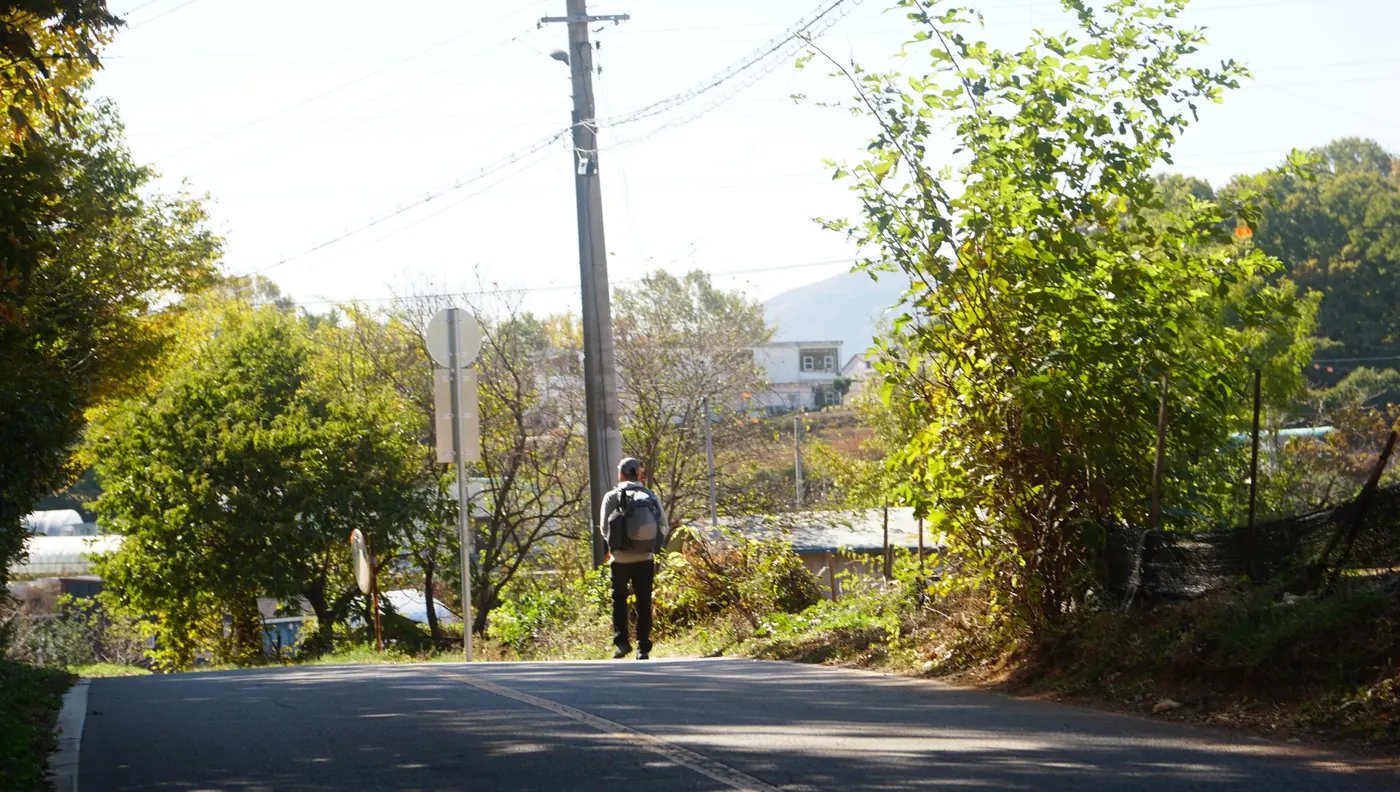
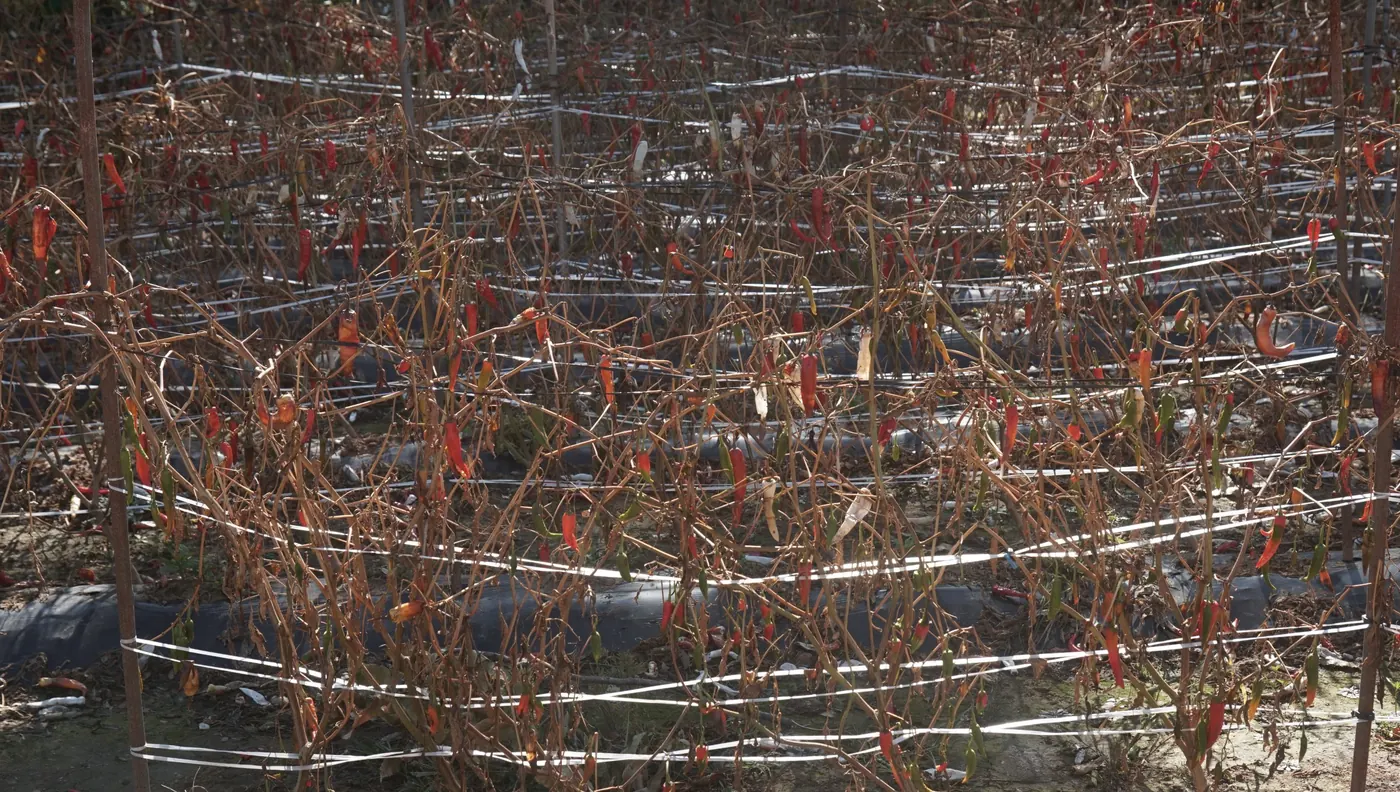
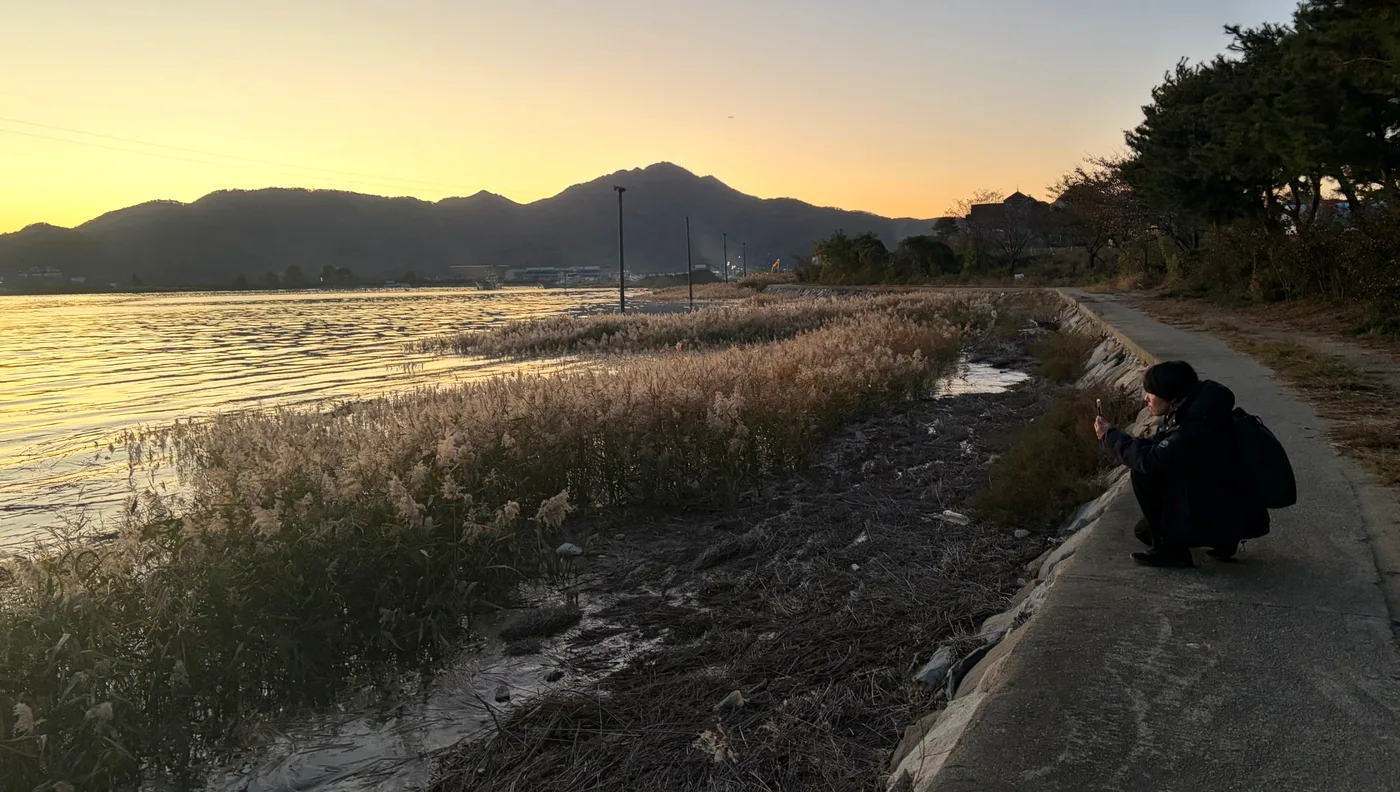
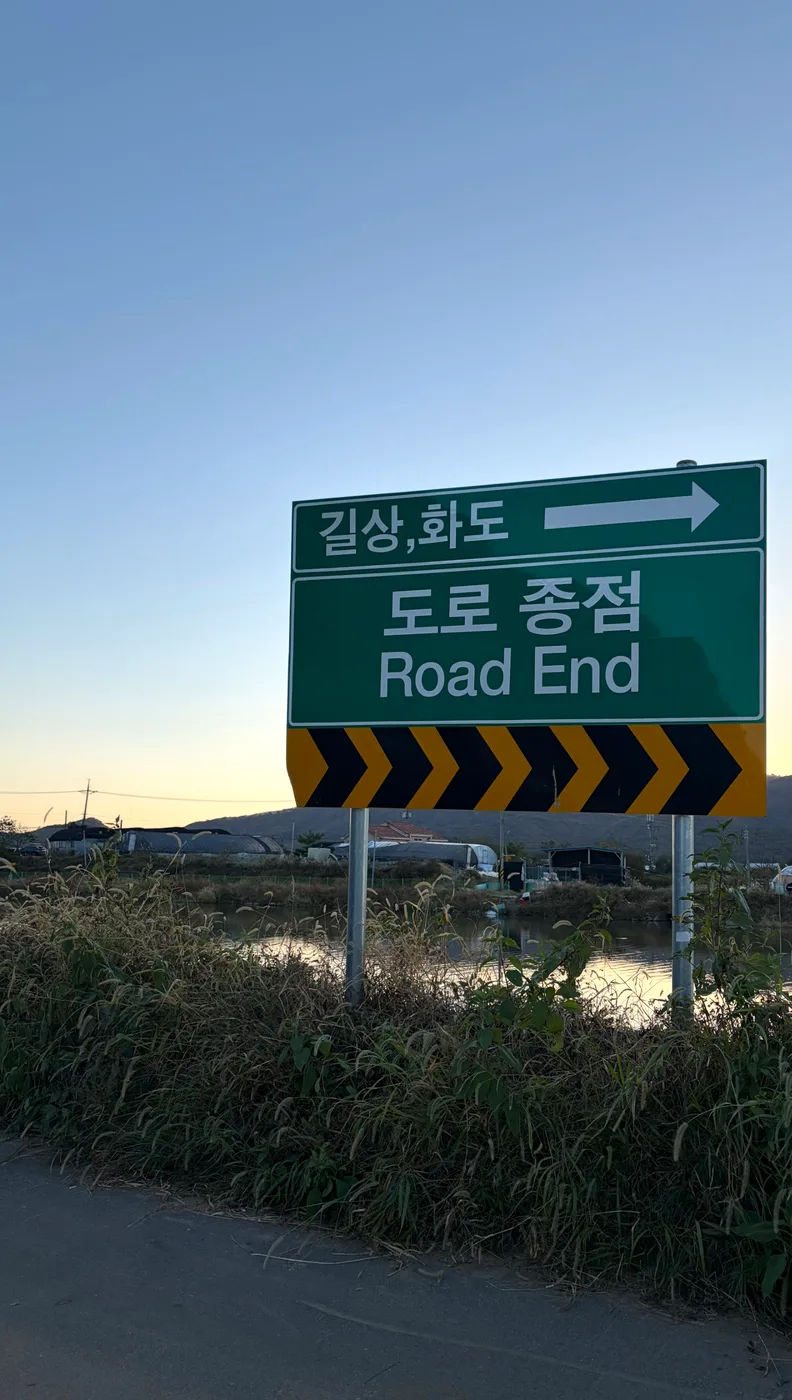
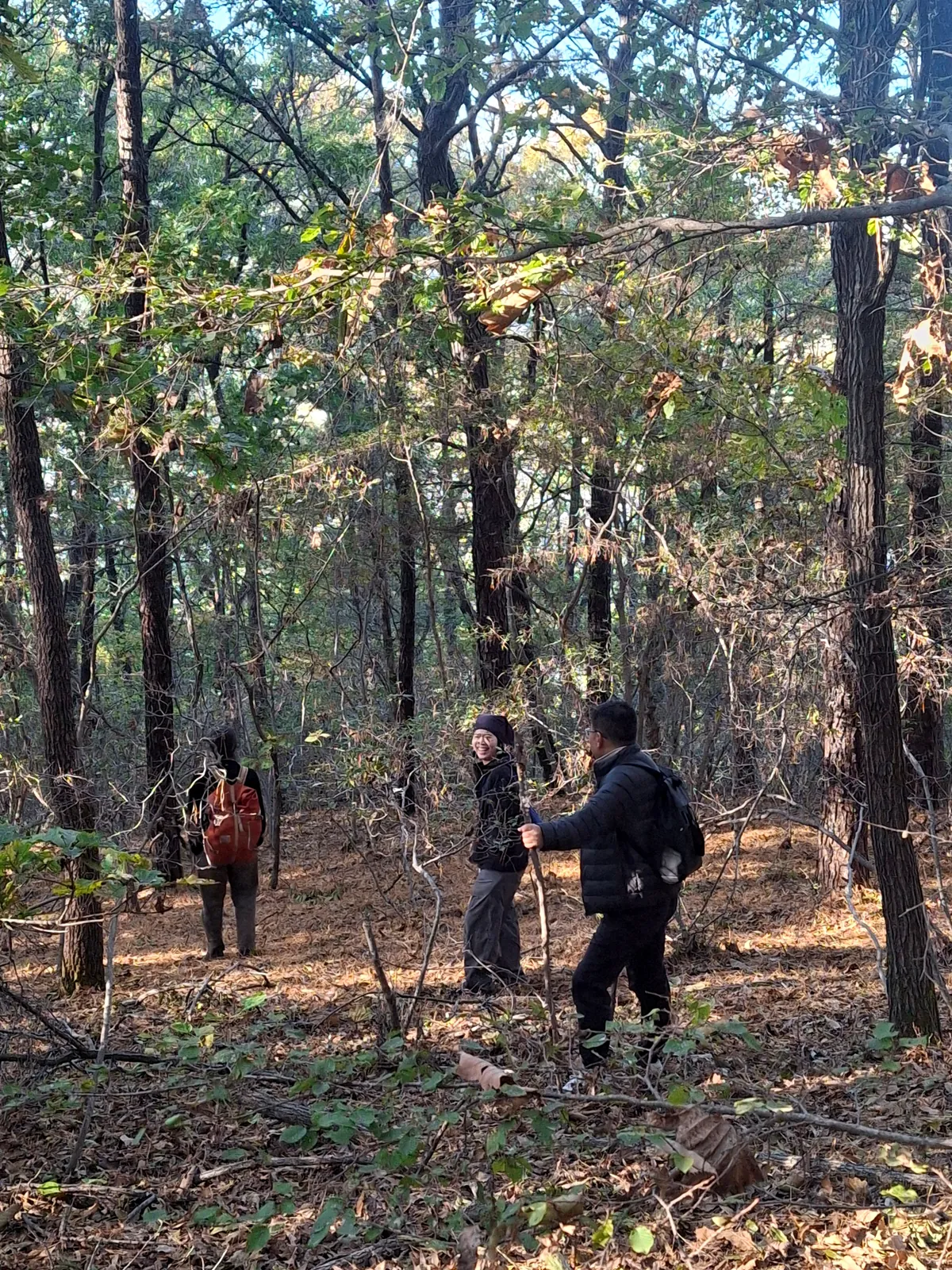
We walked on foot the Ganghwa roads we had always driven through, taking in the landscape, nature, people, and the traces of disappearance with our bodies. Along the way we met dogs barking at us and cats appearing out of nowhere, and when we had to walk along the road we gave ourselves over to the flying dust. In the deepening autumn we sensed the time of plants slowly drying after they had flowered. We walked from east to west, following the sun. As the sun went down, we felt our bodies grow tired and heavy, and thought about disappearance as part of nature. From 6 to 8 November we will walk this road again, together with everyone.
1 / 24
Team B · At the Heungwang 2-ri village hall
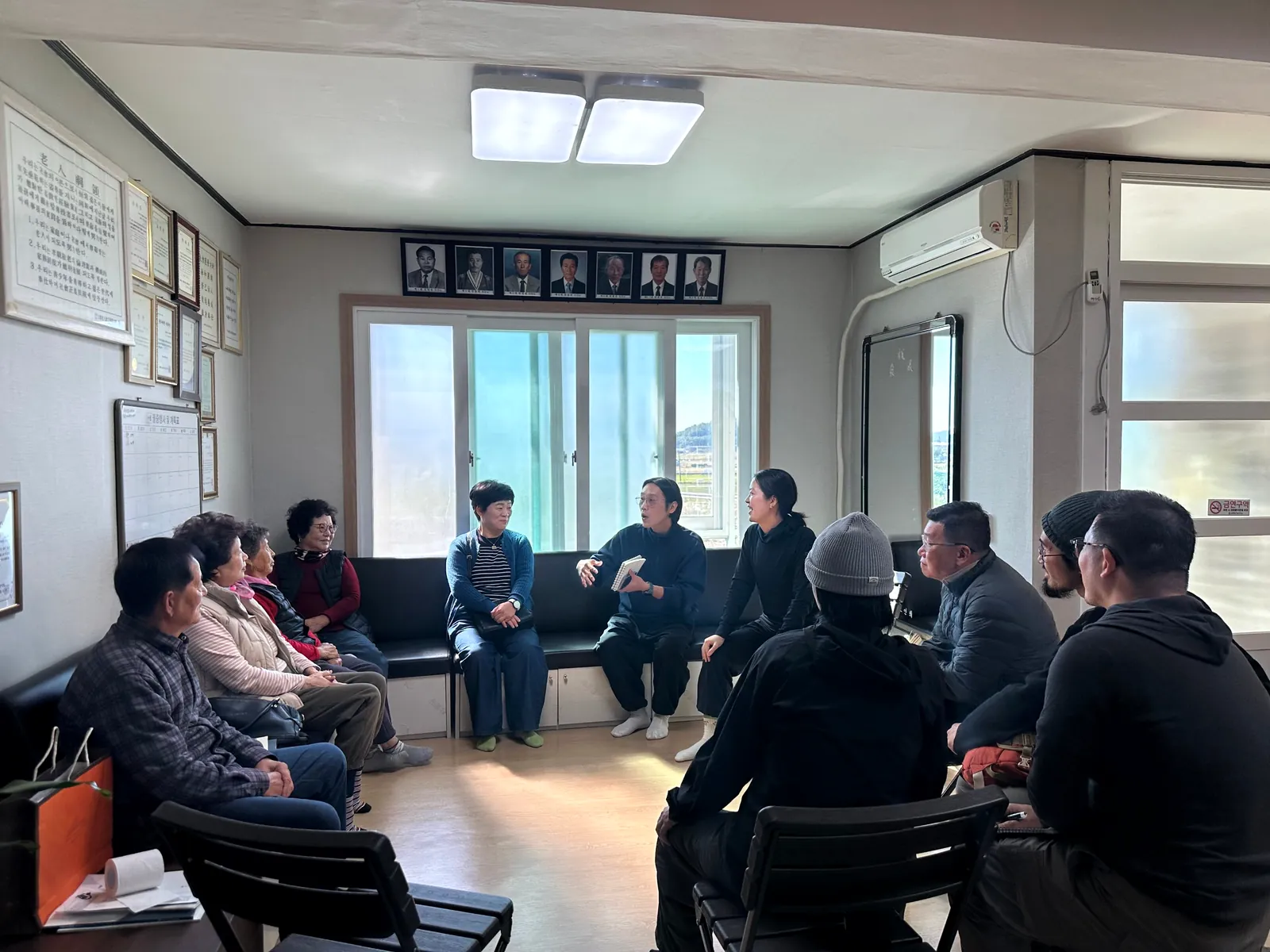
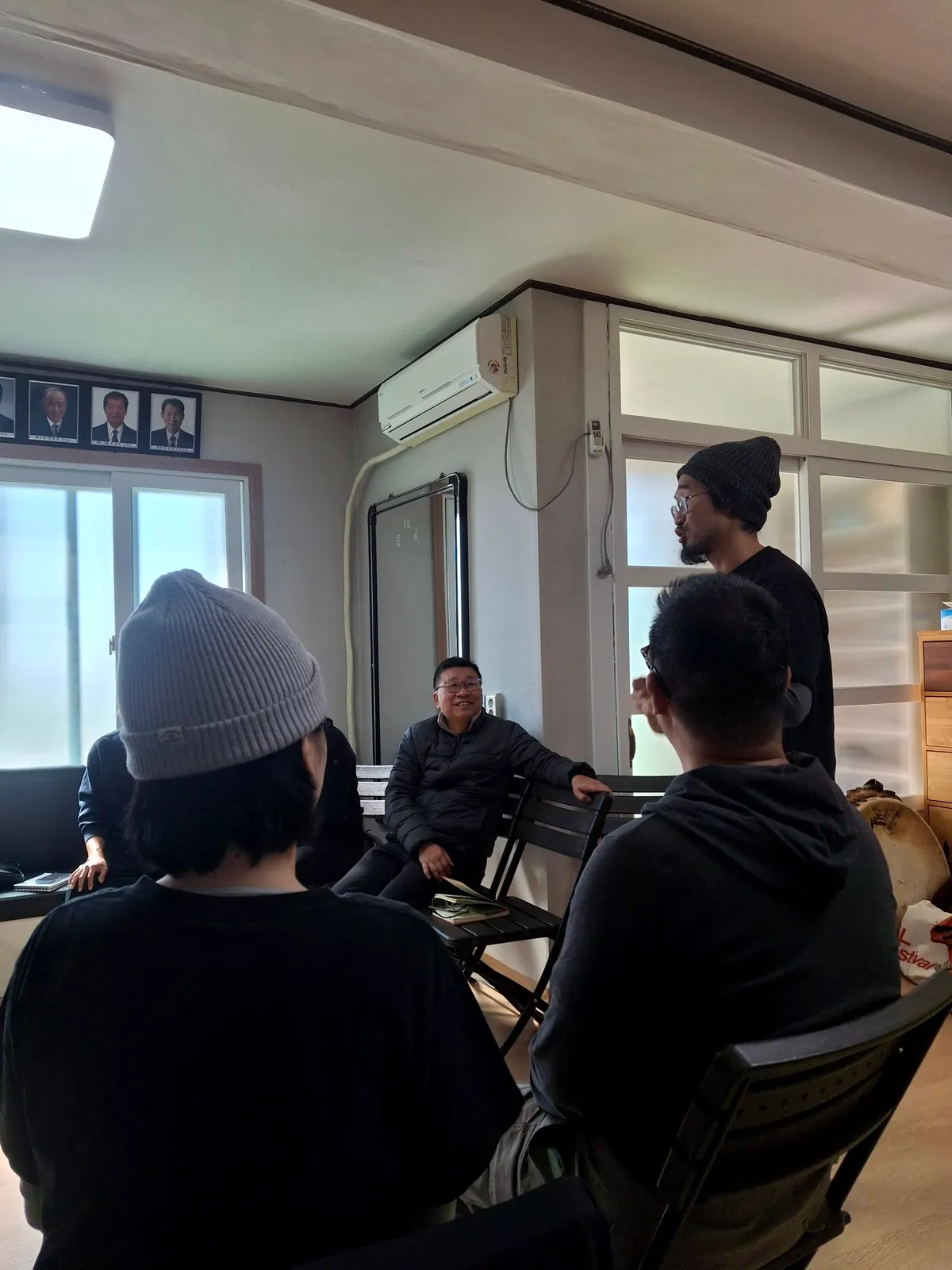
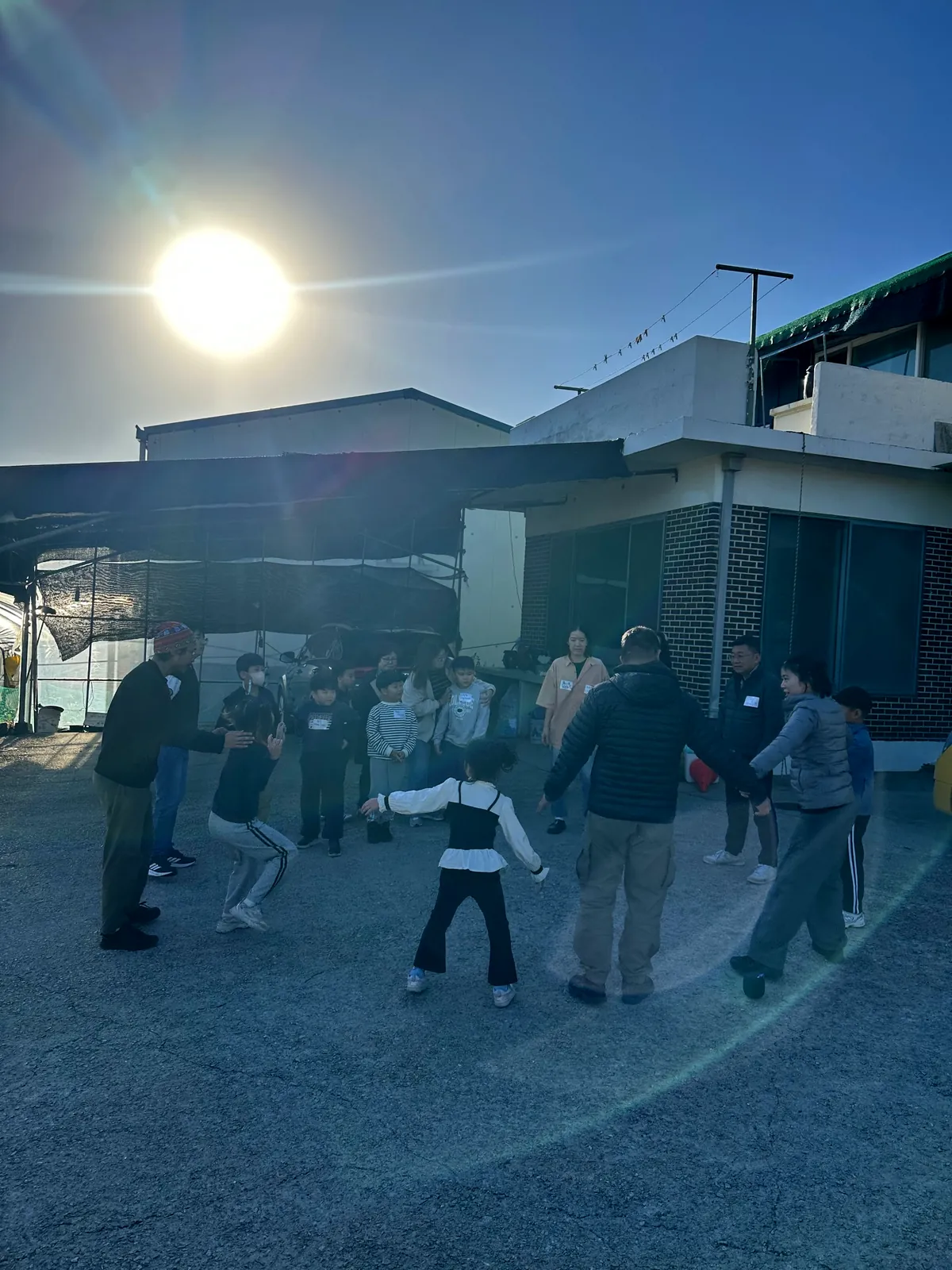
At the Heungwang 2-ri village hall, Team B met older residents of the village. They warmed up and did rhythm activities together, listened to Damien play the drums, and spent time together in many ways. The residents then shared how the village has changed over their lifetimes and the ways of life that are slowly disappearing. Listening to stories of pumasi (shared labour) and the warmth of community from the days when farming was at the centre of life, we thought together about what preservation and change mean.
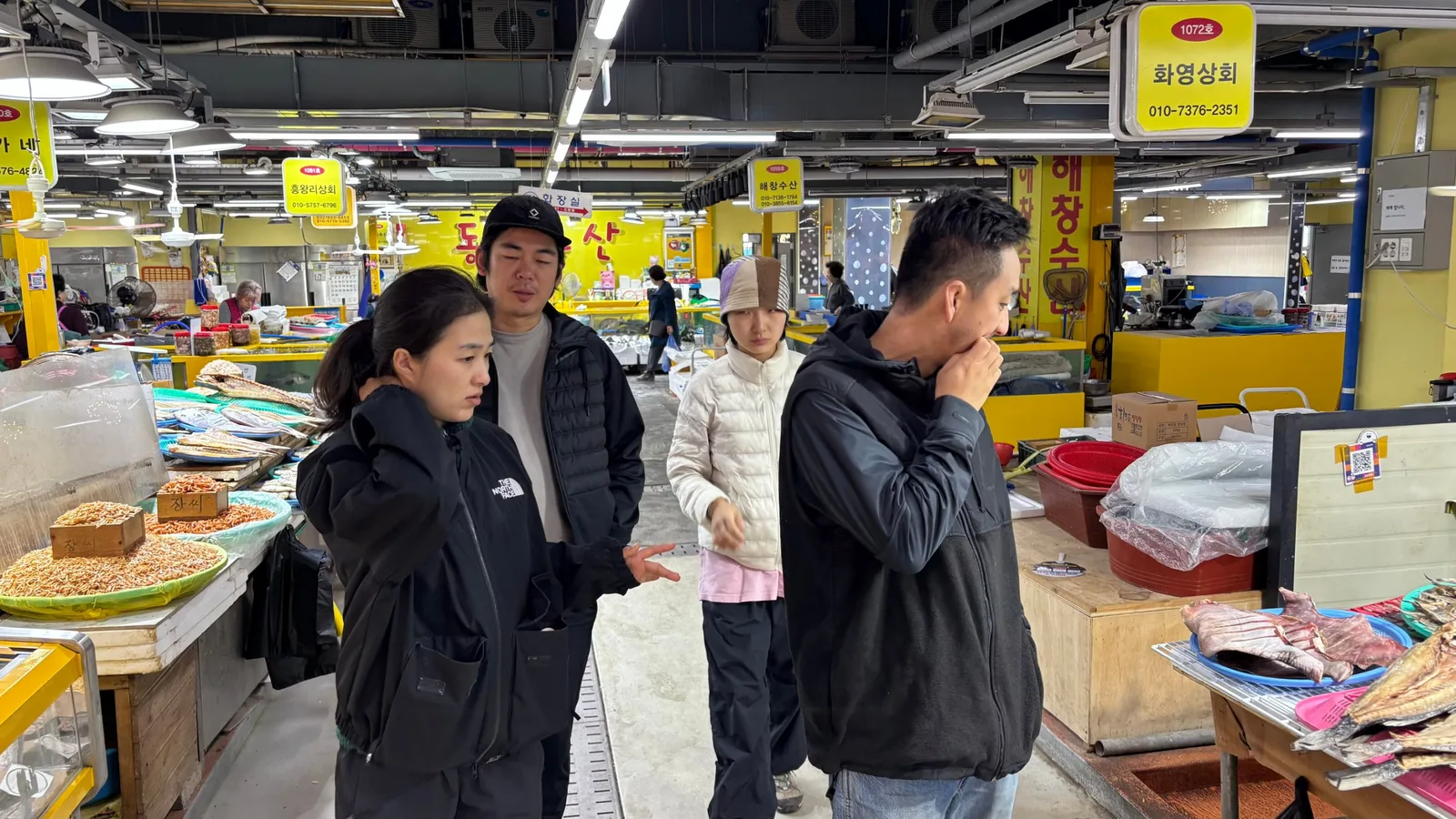
Team B · Donggeomdo and Donggeom Dondae
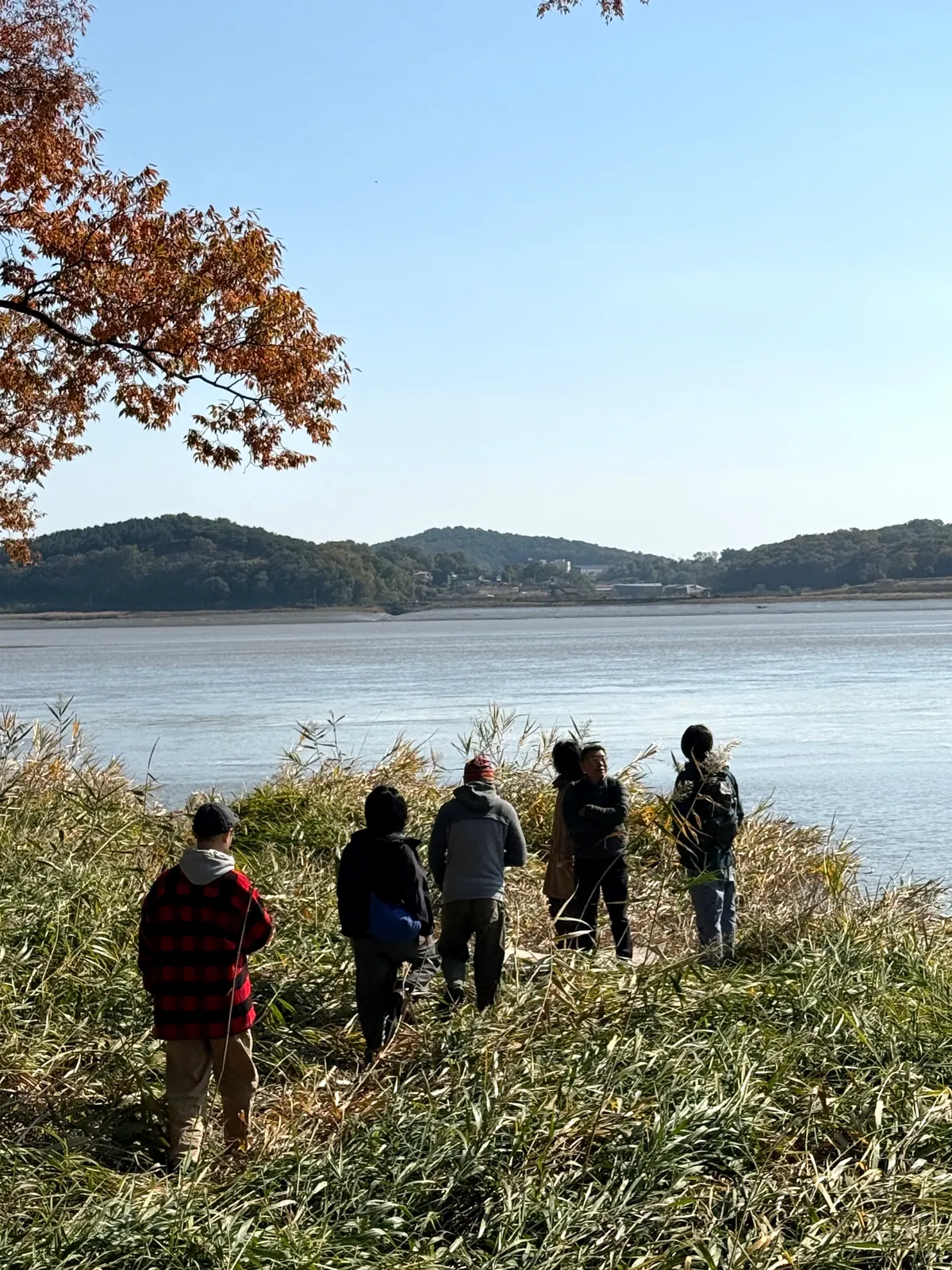
On the way to Donggeom Dondae, we looked at the bridge that has greatly changed the ecosystem of Donggeomdo, and talked about how a bridge built for convenience has transformed both the lives of the islanders and the life of the sea. We then climbed up to Donggeom Dondae, which has had no care at all and has neither an entrance nor a path. Looking at the fort, now almost disappeared, we talked about it from the point of view of nature, of the fort itself, and of ourselves.
27.10 Tue
Team A · Meeting the village head, and talking about a shared funeral
Team A is working on making funerals for individual citizens together, under the concept ‘Good Mourning & Good Morning’ proposed by Anna and Giovanni (Italy). Today, after talking with the village head, A.N.D. Theatre, Sononochi, Anna and Giovanni looked at a shared funeral from the point of view of dramaturgy and discussed different methods. What legacy do we want to leave for the future?
Team A · At Hwanggu’s house
We visited Hwanggu, whom we met yesterday, at his house and talked further about disappearance and funerals as we think of them. We do not want to make funerals the subject; we want to borrow the form of a funeral so that we can all ask about disappearance and look back on our own lives. Many questions and answers went back and forth today. How would I die happily? What do I want to look at in my last moment? What would I want to say to someone who does not understand me?
Team B · Visiting Odu Dondae and Deokjinjin
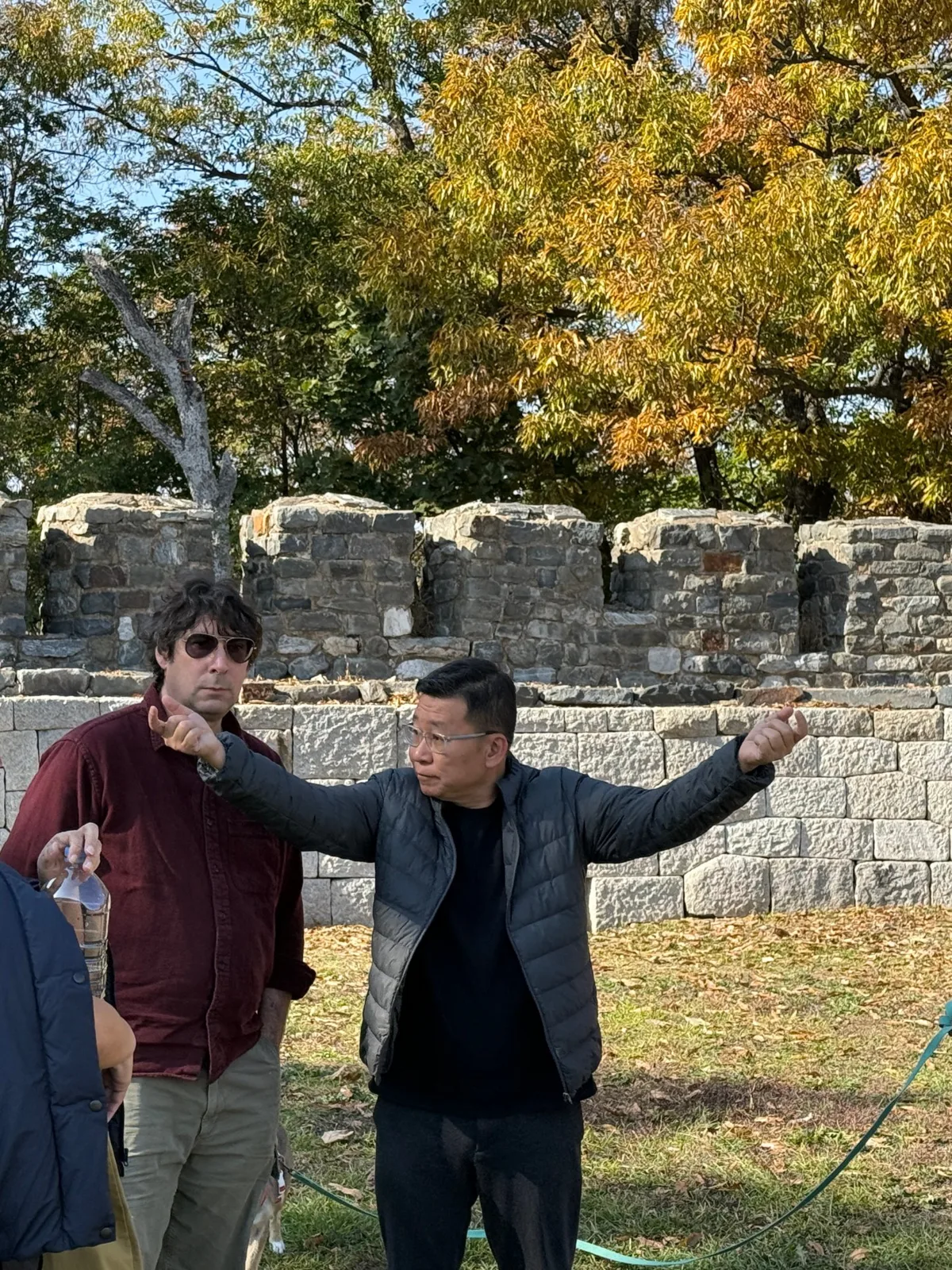
Team B visited Odu Dondae and Deokjinjin to sense the history these places hold and the vitality of their nature, and shared the inspiration and ideas this gave them for the project. At Odu Dondae in particular, they asked whether the trees that have taken root in the fort wall should be removed to preserve it, and talked about the tension between nature and historical heritage, and about what to keep and preserve. Afterwards, at Heewarae’s café, they talked about what they had felt on the visit and tried out the play activities they will do with children from the local community centre.
Team A · Sononochi in conversation with the owner of Gukja & Jugeok
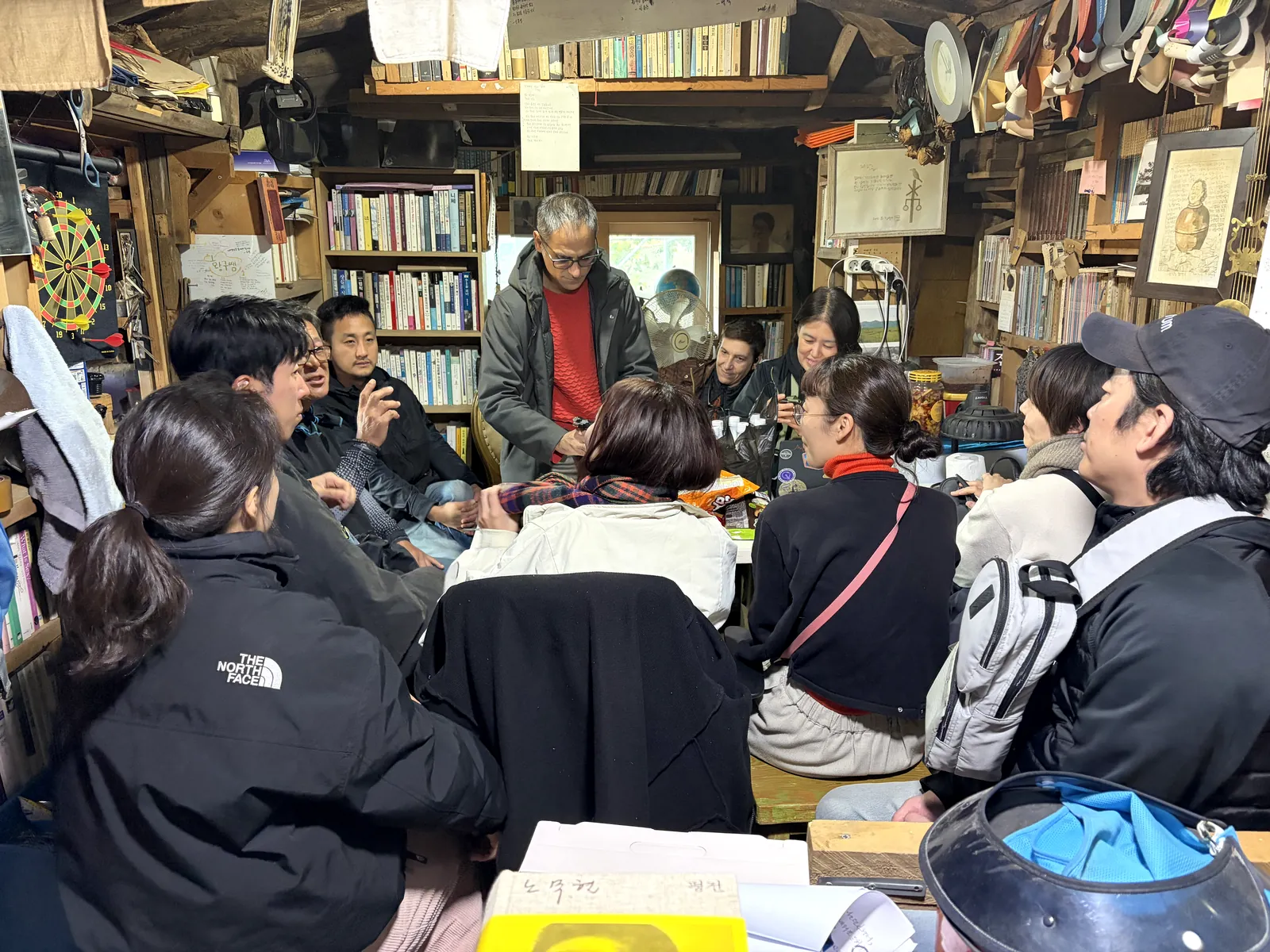
Sononochi spent time talking with the owner of the bookshop Gukja & Jugeok. She shared why she moved to Ganghwa some twenty years ago and opened the bookshop, and how she approaches life, and Sononochi introduced their own work. They also began planning a lunch, with Japanese food cooked by Sononochi, to share with the people of Keunnamu Camphill, a community where people with and without developmental disabilities live together.
Team B · Movement workshop at the local children’s centre
At the local children’s centre, Team B led a range of movement workshops with fourteen children who had come straight from school. At the end we asked them about disappearance, and one child’s answer stayed with us: “The thought that Santa Claus was real has disappeared now!” We promised to meet again next week and said goodbye with high fives.
26.10 Mon
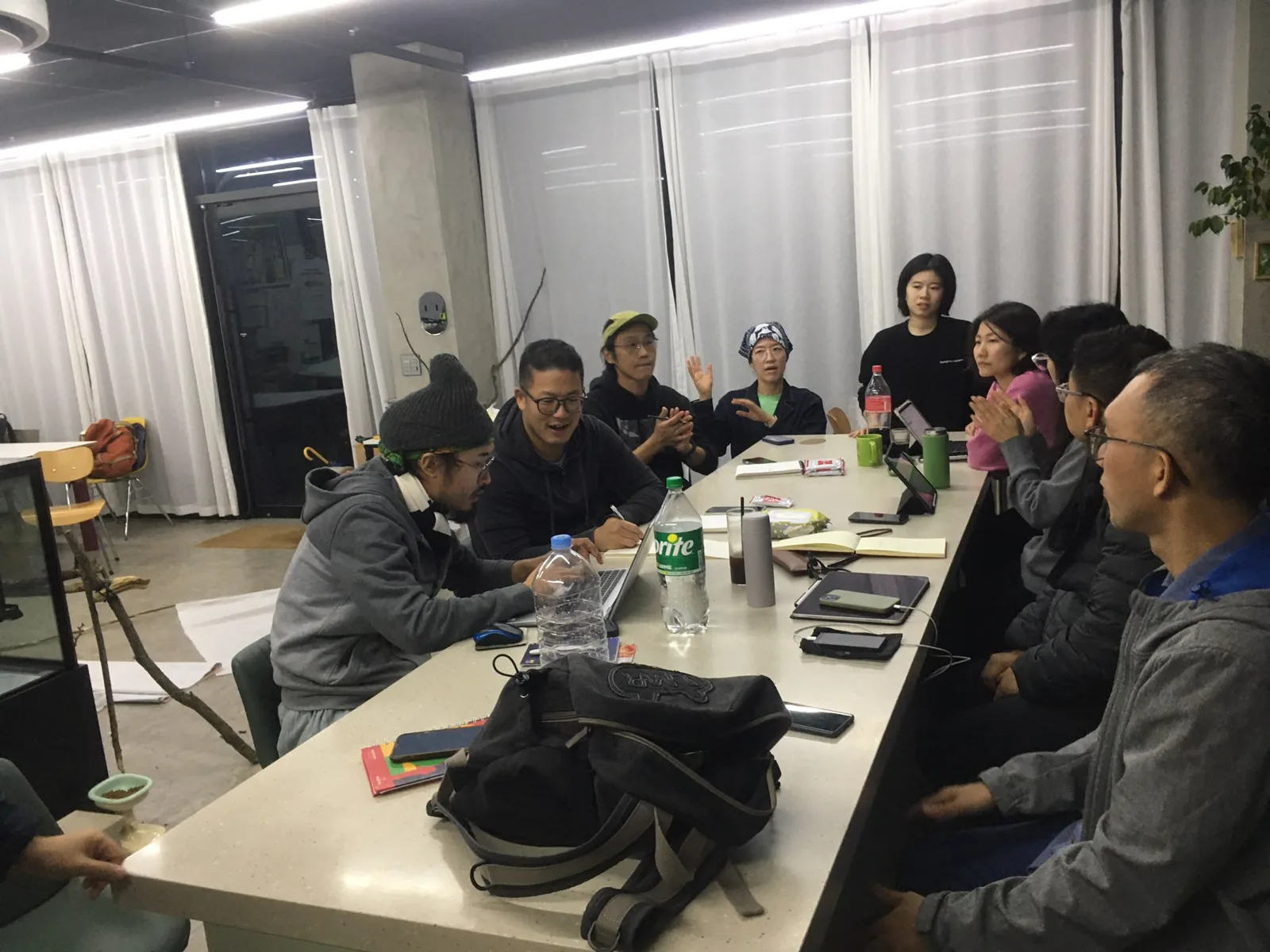
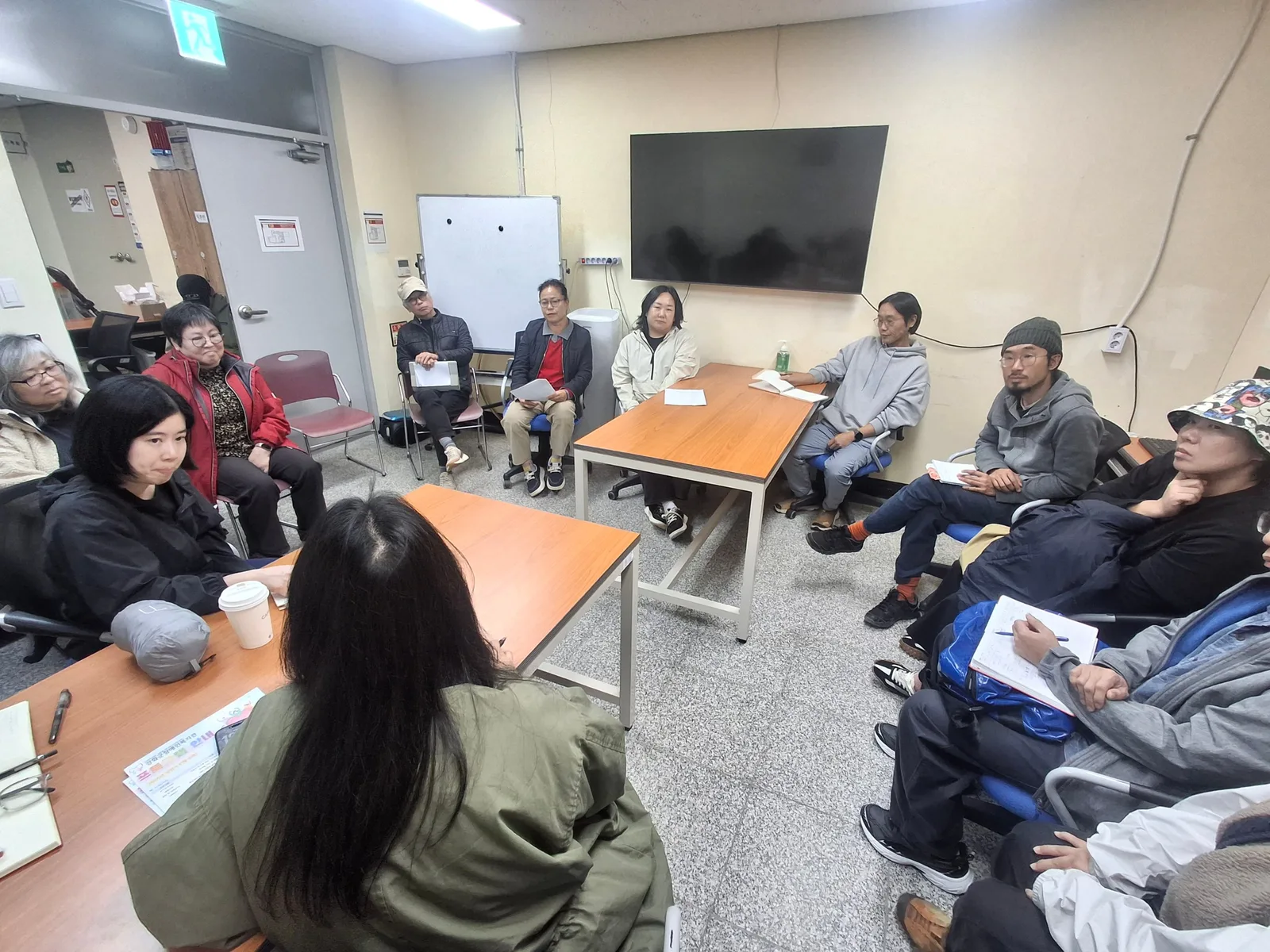
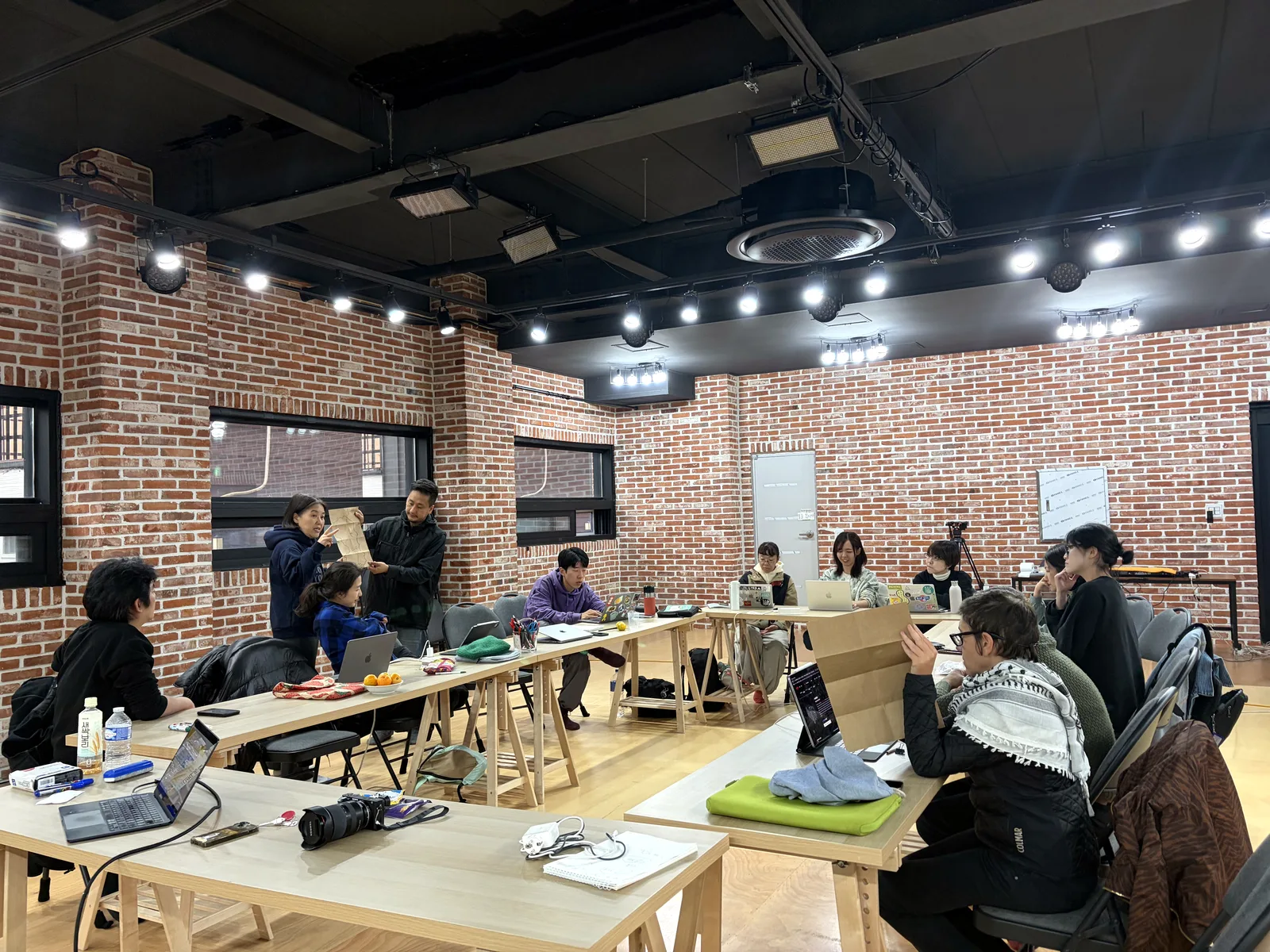
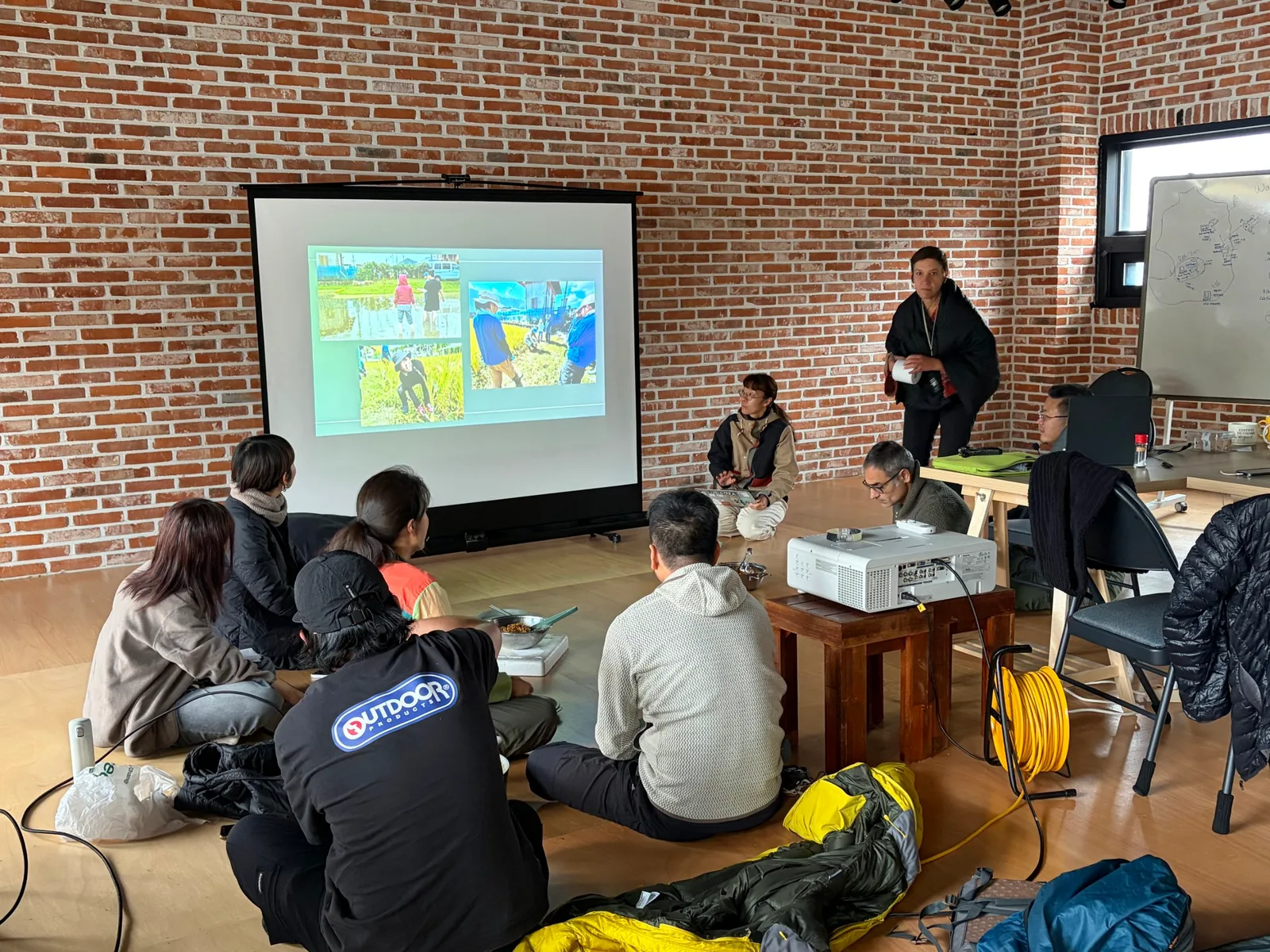
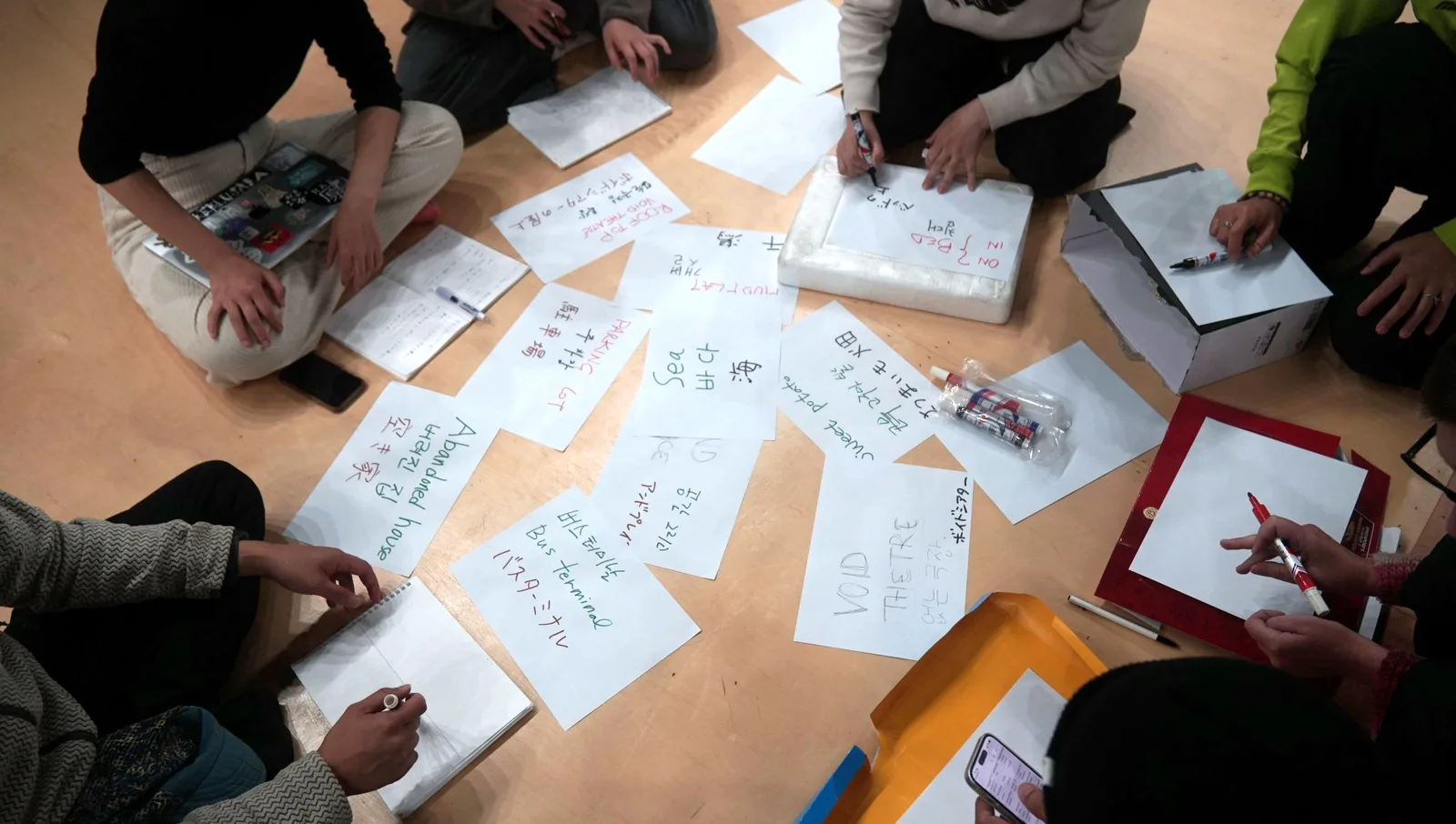
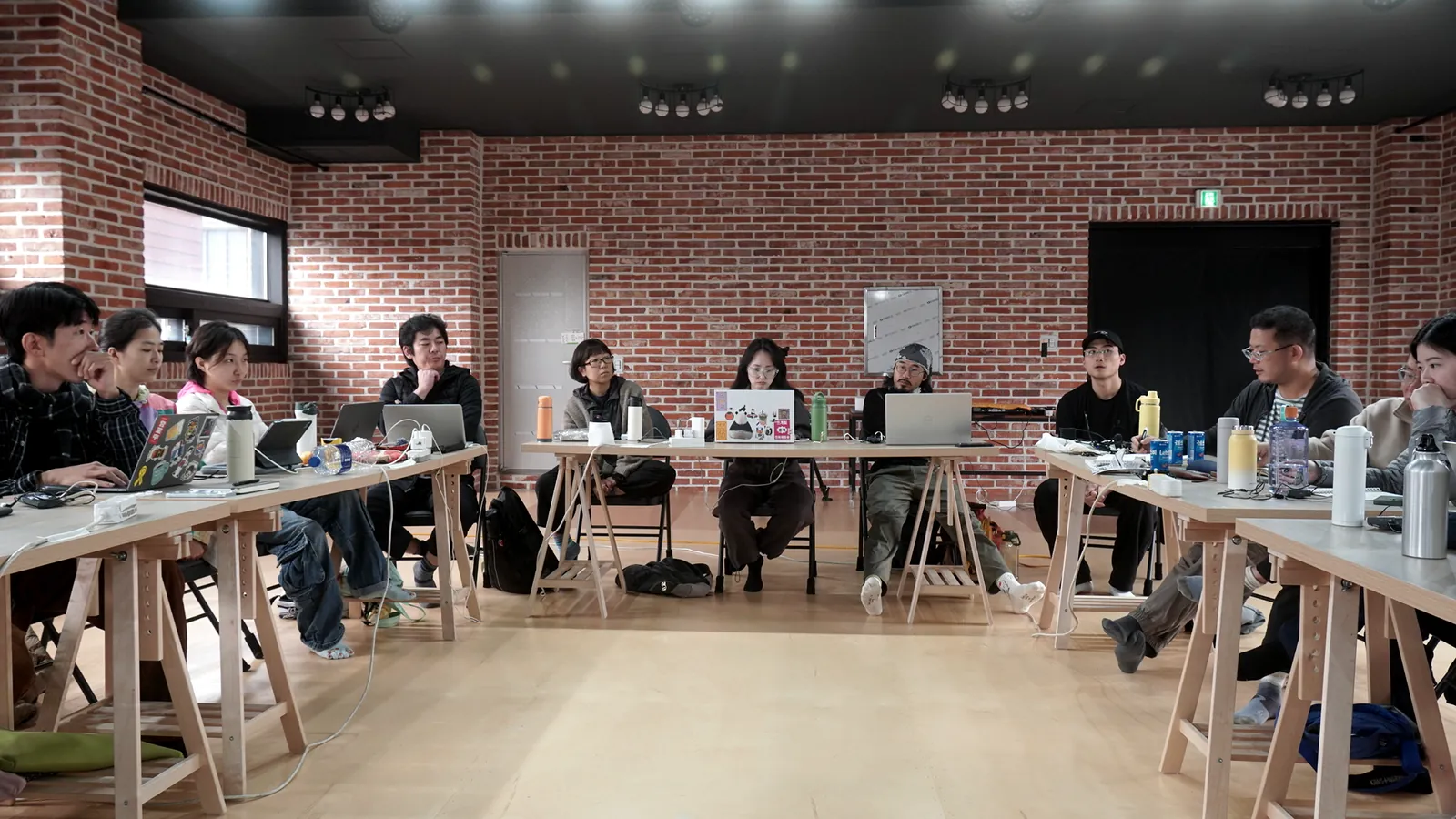
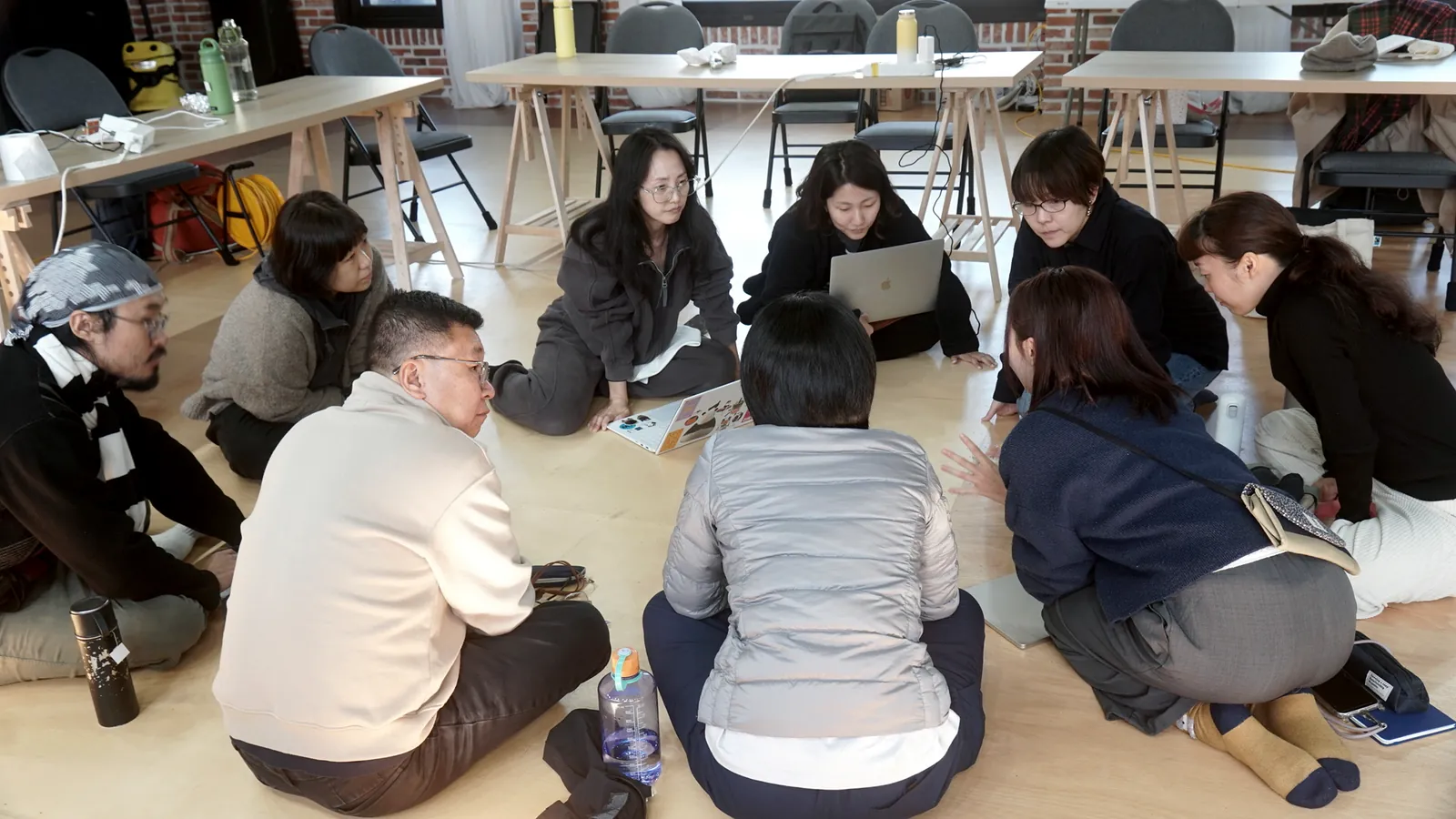
A year on, we gathered on Ganghwa again. Working in two teams, we shared the ideas on disappearance we have been discussing over the year, and talked about how we might meet and work together.
Full meeting
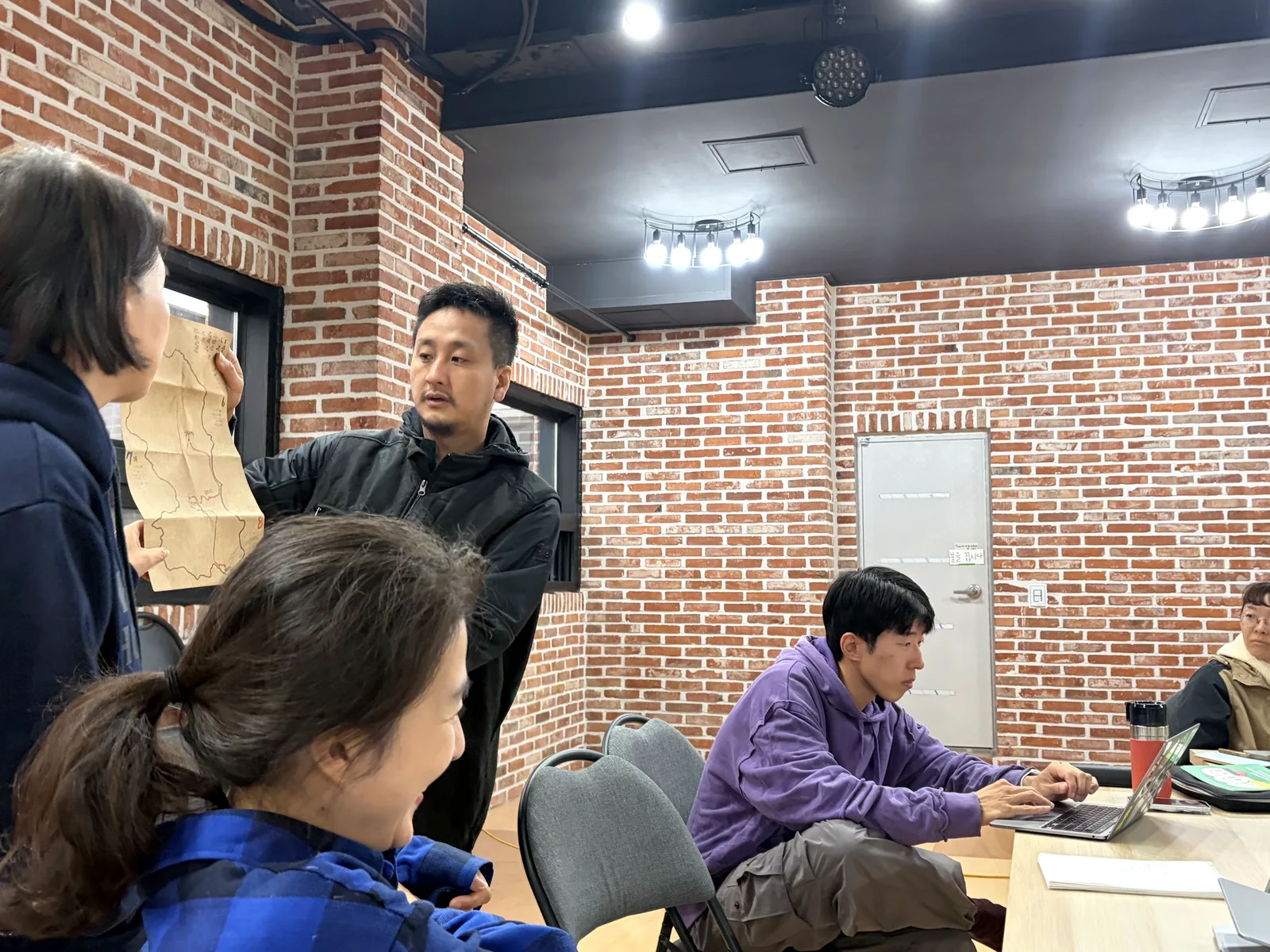
Building on a year of online conversations, the two teams shared their ideas. Team A began from the question of what it would mean to plan your own funeral while alive, and imagined a three-day journey, like the Korean three-day funeral, walking from village to village as both witnesses to disappearance and pilgrims. Yonrimog proposed a sound walk in which the landscape you see now overlaps with sounds that are no longer there. Team B spoke of weeds and flow as keywords: what counts as useful or useless, and what grows back where something has been cut away. The two teams then discussed where their work might meet.
Team A meeting
Team B meeting
Team B · Harim book talk concert at Gukja & Jugeok
After the meeting at the Void Theatre, Team B helped prepare a book talk concert by the musician Harim at the bookshop Gukja & Jugeok. Kazuyo and Miho of Sononochi joined the front of house, checking reservations and guiding book sales in Korean, and experienced how a local bookshop runs and the work it takes. The team then watched the concert together, and afterwards shared thoughts on collaborating within Team B and discussed the next day's schedule and direction.
Team A 〈Good Mourning and Good Morning〉 · first meeting and conversation with the community (Hwanggu)
We talked with Hwanggu about disappearance, and about a person’s life and death. We spoke of the legacy of his life and of an imagined funeral, and he decided to take part in the project.
Choi Youngdoo
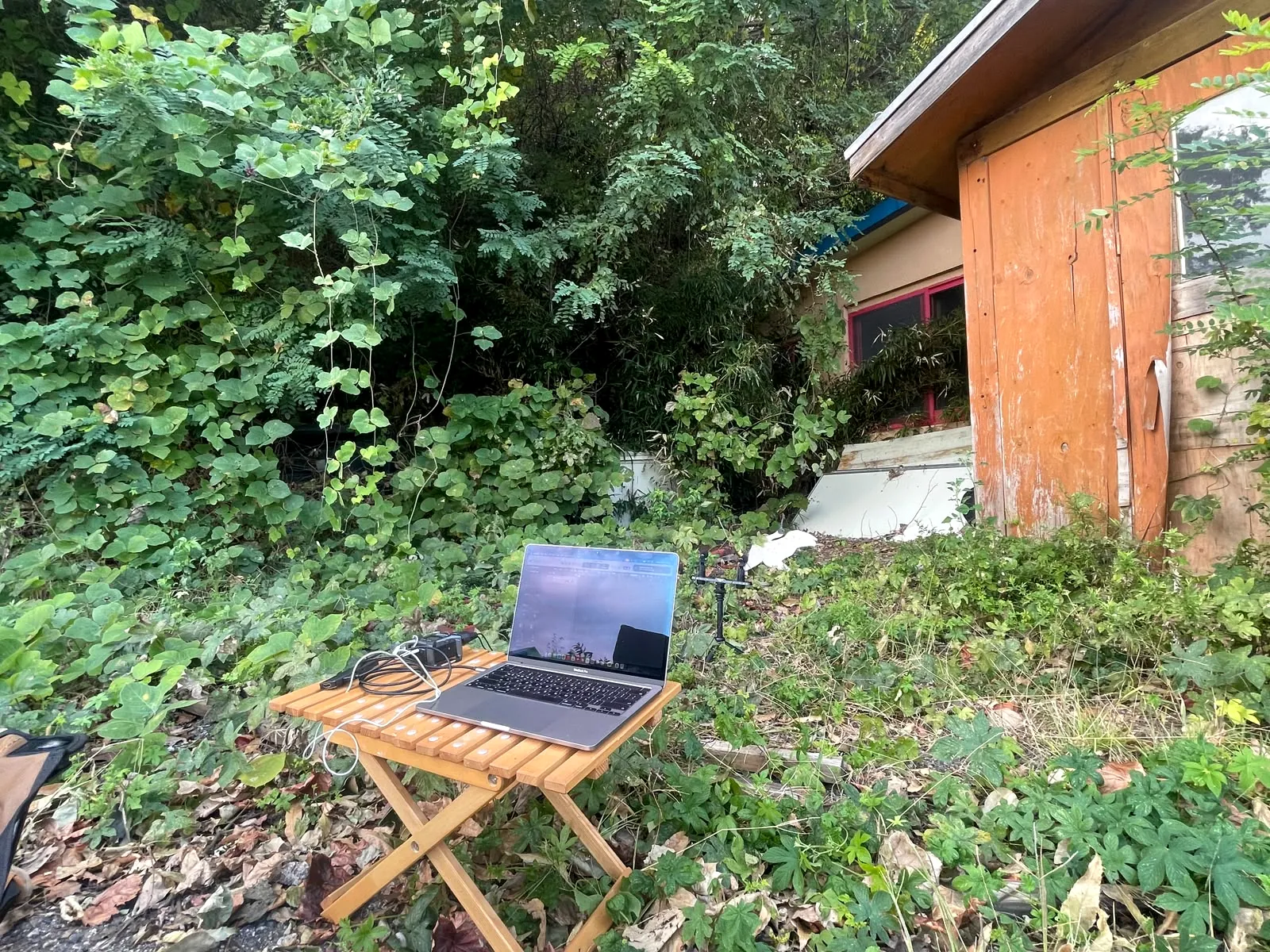
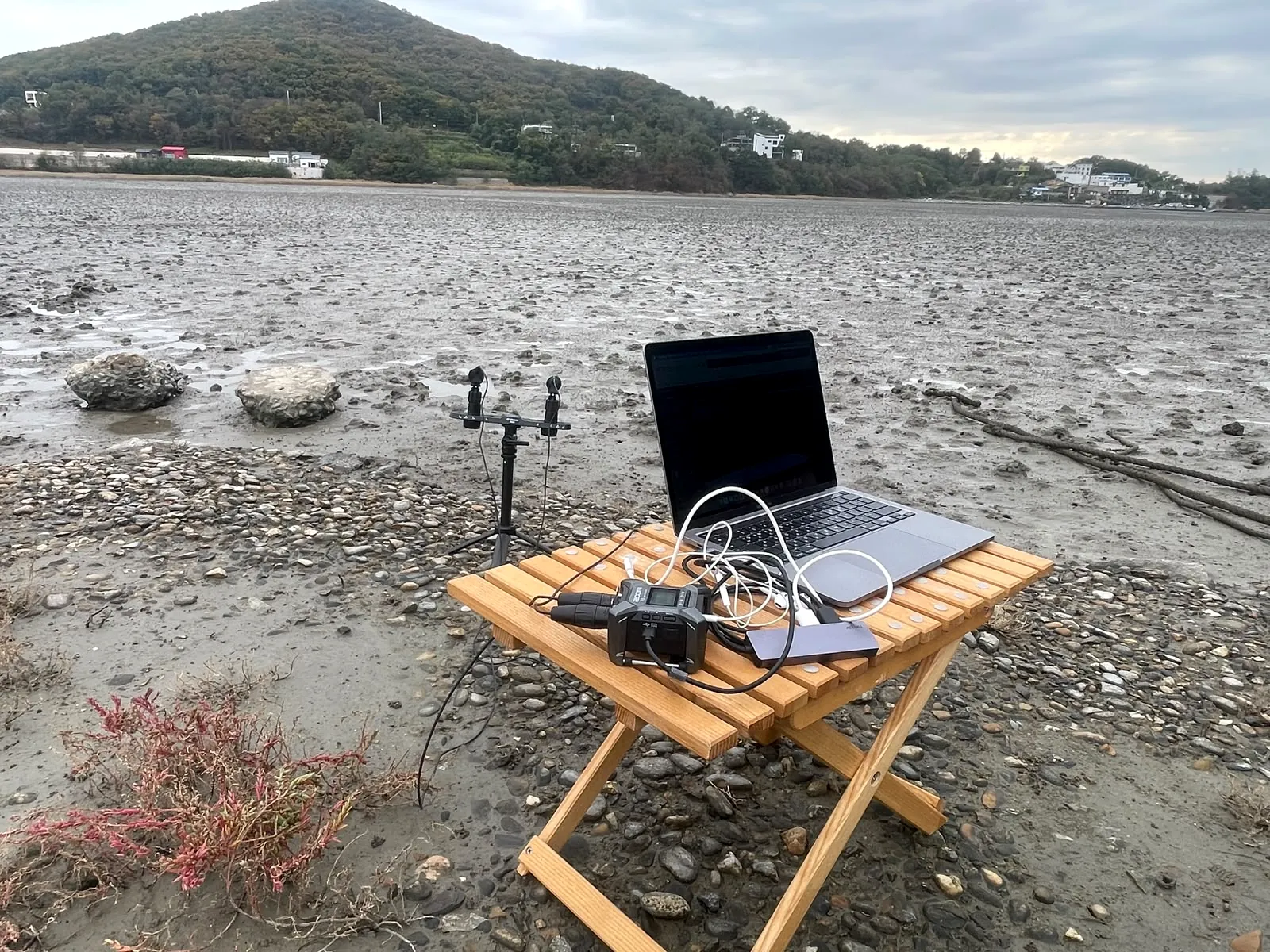
On the way back today, Choi stopped at an empty house and at the mudflat as the tide began to come in, and recorded the first sounds.
MAP
Places
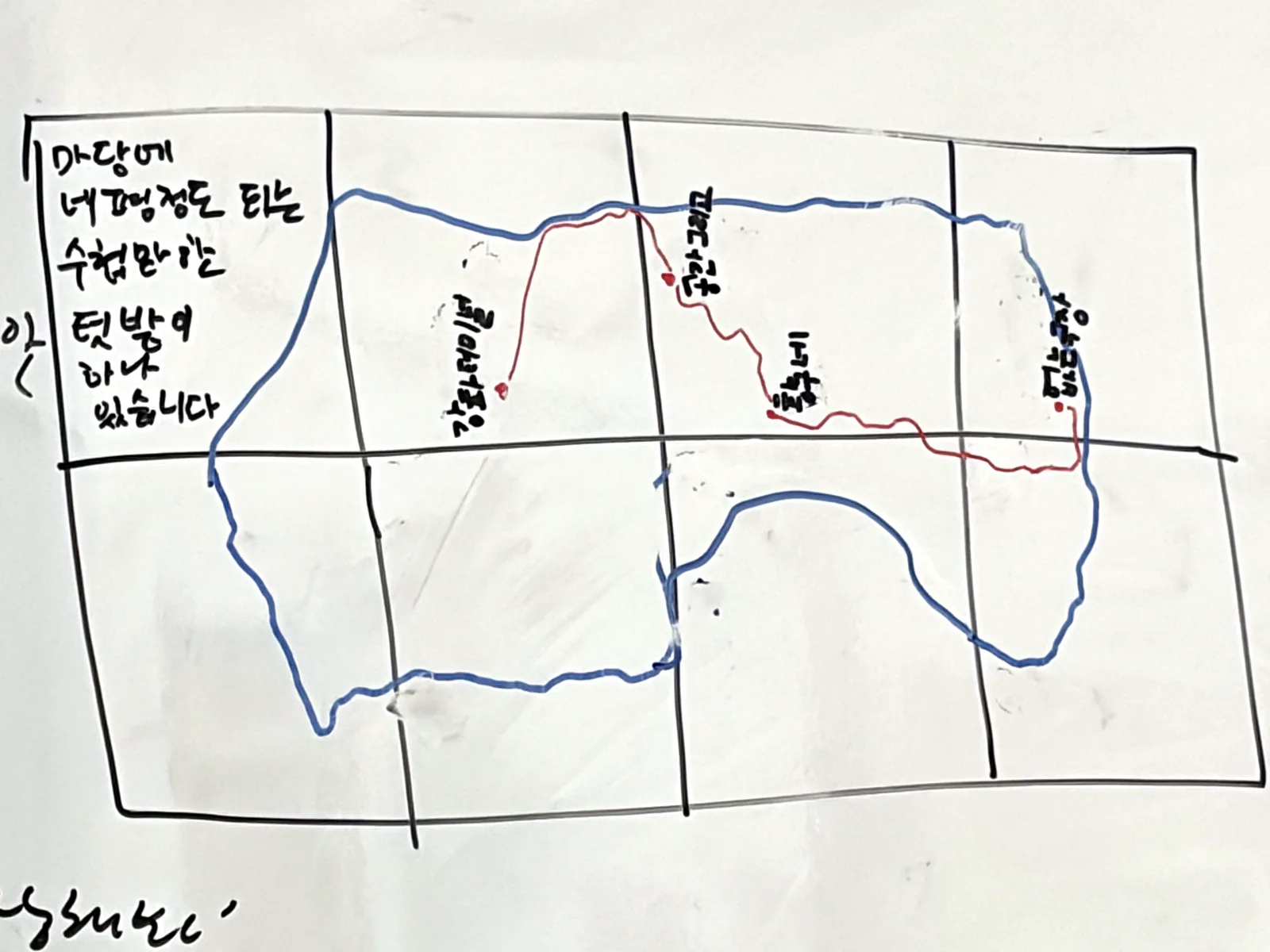
The hexagons mark the five places where this year's work takes place: Heewarae, Space And, the Void Theatre, Gukja & Jugeok and Odu Dondae. The dotted yellow line is the route of A.N.D. Theatre’s open programme Walking as Witnesses to Disappearance, walked from 6 to 8 November. Tap a name to open it in Google Maps.
Township borders and coastline follow Statistics Korea boundaries (2013). Some locations are approximate.
VISIT
Visitor Guide
For those who sign up for Walking as Witnesses to Disappearance and meet the programme along the way.
On 8 November, the walk overlaps with Looking Out for All at Odu Dondae (13:00–15:30).
If you drive, come straight to Space And and park by the vegetable garden. After the second funeral we drive you back to Space And. Public transport details will follow soon.
On 8 November, the walk overlaps with Looking Out for All at Odu Dondae (13:00–15:30).
The walk starts from Hwanggu’s yard, near Gukja & Jugeok; how to get there in the morning will follow soon. For the evening, park at the Seondu 5-ri fish market car park behind the Void Theatre. There are no toilets after the Void Theatre.
For those who come straight to each day’s venues. Only the Sononochi performance (7 Nov) and the Seoul bus (8 Nov) need booking.
At Gukja & Jugeok, park by Dojang-ri village hall before 16:00 and at Keunnamu Cafe after 16:00. For the second funeral at Hwanggu’s yard, also park at Keunnamu Cafe and walk over.
When the Odu Dondae programme ends, drive straight to the 7-Eleven. From there to Huae Dondae, park at the Seondu 5-ri fish market car park and continue on foot. Arriving late? Join at 16:00 outside the 7-Eleven, 16:45 at the Void Theatre or 18:10 in front of Huae Dondae. Odu Dondae has a car park and toilets; there are no toilets after the Void Theatre.
Come together by group bus from Hapjeong in Seoul and follow Sunday’s programme from Odu Dondae to Huae Dondae. The 45-seat bus is for those who sign up in advance.
19:00Huae Dondae → HapjeongBus leaves for Hapjeong
From Hapjeong Station Exit 2, walk straight on for about 30 m; the group bus marked “강화도” waits in front of Boseung Hall. If you are not taking the bus, just come to Odu Dondae, no sign-up needed.
How to join
Walking as Witnesses to DisappearanceSign up →Form in Korean
A Homeland We Cannot Return To, and a Woman Who Shares the Seasons Here SononochiBook →
Good Mourning Teatringestazione · funerals on 6 & 7 NovSign up →Form in Korean
Bus from Seoul · Sun 8 NovSign up →Leaves Hapjeong 11:00, leaves Ganghwa 19:00 · 45 seats · sign up only if you take the bus
* You can join the Sunday programme without signing up. Just come on the day.
* After the first funeral on 6 Nov we drive you to Ganghwa Bus Terminal, and after the second on 7 Nov back to Space And. From Seoul, a group bus leaves Hapjeong on 8 Nov (sign-up needed).
What to bring
It will be cold. Warm clothes and comfortable trainers
Water, a handkerchief and your own tumbler
Earphones and a smartphone for the sound walk
* We photograph and film the walk and performances for our records.